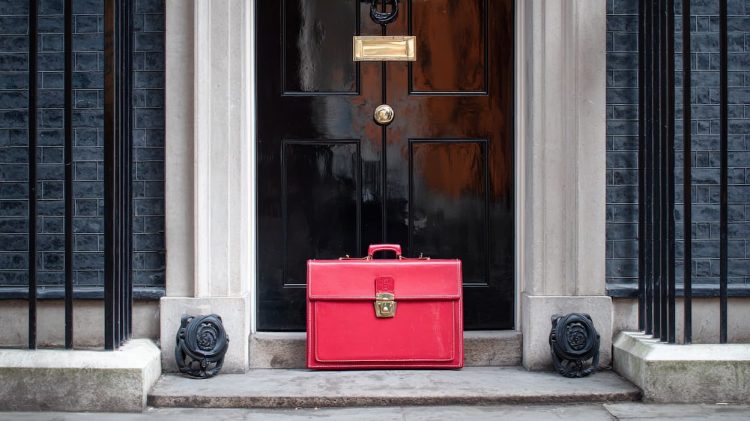

The Chancellor set out a programme of tax rises, welfare changes and investment plans that will affect households and employers across the town. Much of the additional revenue comes from frozen tax thresholds and increases to dividend and property taxes, while new funding will support low-income families, apprenticeships and wider economic growth.
For Swindon, the outcome is mixed. Families on lower incomes stand to gain from the end of the two-child benefit cap and an increase in the National Living Wage, but many businesses face higher wage costs and financial pressures.
Swindon households
The Government will remove the two-child benefit cap from April 2026. Families on Universal Credit or tax credits with more than two children will receive support for all dependents. This change is expected to make a noticeable difference for affected households in Swindon.
The National Living Wage will rise to £12.71 in April 2026. A full-time worker on the minimum wage could receive about £900 more a year. Swindon has large numbers of workers in retail, hospitality, logistics and care, so the uplift is significant locally.
However, the freeze on income tax thresholds means more residents will pay higher levels of tax as wages rise. Fuel duty remains unchanged for now but is set to increase from August 2026.

Swindon businesses
Local employers face both challenges and opportunities.
The increase in the National Living Wage will add further strain to businesses working on narrow margins. Higher dividend taxes and changes to property taxation will have an impact on small company directors and landlords.
A major shift arrives in 2029, when the Government will place a cap on pension salary-sacrifice schemes. This will reduce a benefit used by many firms to support staff, potentially increasing costs for employers and some higher earners.
Phil Smith, Managing Director at Business West, said:
“This is a tax-raising budget from a Chancellor under pressure. Businesses will once again feel squeezed with rising costs across a range of areas, which are likely to dampen business sentiment, job creation and investment. Ultimately, this budget is unlikely to shift the dial when it comes to business confidence or economic growth.
“However, we do welcome the Growth and Skills Levy and Youth Guarantee, which will help attract fresh talent into the labour market. I’m sure many businesses will welcome free apprenticeship training for under 25s.”
Opportunities for young people
Swindon’s skills sector could see benefits from new national programmes.
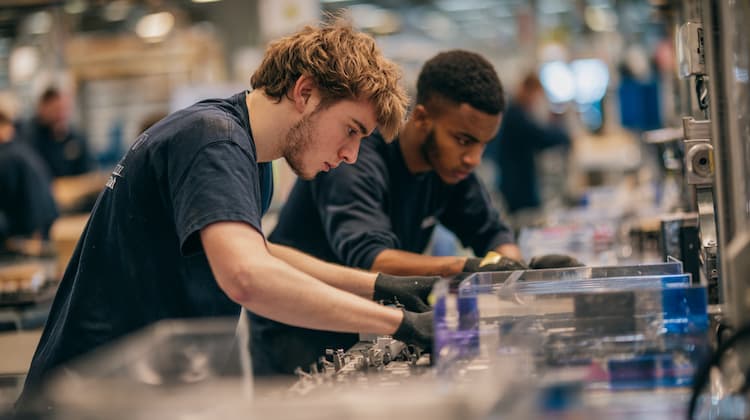
The Growth and Skills Levy replaces the apprenticeship levy and is designed to give employers more flexibility in funding training. This could support local industries including manufacturing, tech, logistics and hospitality.
A Youth Guarantee will give people aged sixteen to twenty four access to support to earn or learn, including paid work placements for some young people on Universal Credit. Apprenticeship training becomes free for under twenty fives in SMEs.
If Swindon’s colleges and employers take advantage of these schemes, more young people could move into skilled jobs.
Local reaction
Laura James, Chair of the Swindon BID shadow board, said:
“Businesses in Old Town and across Swindon have been hit by rising costs for a long time, so another tax-raising Budget will worry many independents. Wage bills, compliance costs and overheads all continue to move upwards.
“That said, the new skills and youth funding is something we can work with. If the Growth and Skills Levy and Youth Guarantee deliver real opportunities for young people here, then Swindon’s employers can take full advantage. What we need now is for government to ensure this investment actually reaches the high street and the next generation.”
What to watch next
Residents should look out for updates on the National Living Wage increase in April 2026, DWP guidance for families affected by the end of the two-child cap, and changes to take-home pay as frozen tax thresholds continue.
Businesses will be watching for legislative detail on salary-sacrifice reforms, rising operating costs, and how local training providers roll out opportunities through the Growth and Skills Levy and Youth Guarantee.