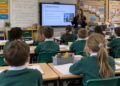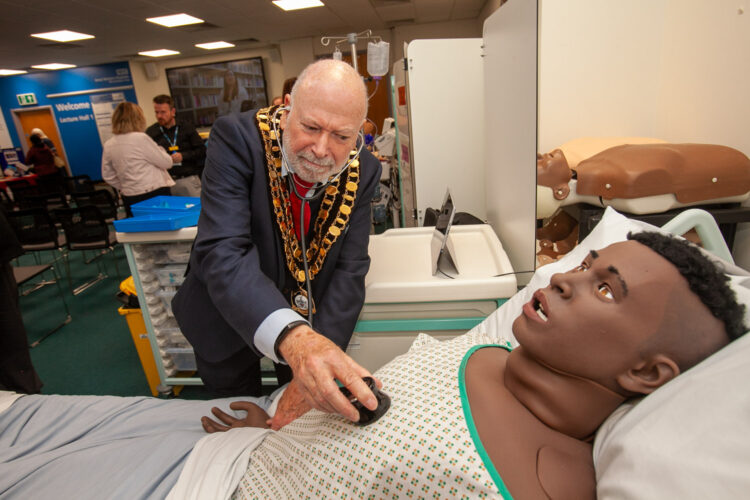

The simulation suite allows trainee doctors and other healthcare professionals to respond to realistic medical emergencies using advanced mannequins, helping them develop their skills and confidence before treating real patients.
The facility forms part of the hospital’s Academy, which has marked its 20th anniversary with a special open day attended by the Mayor of Swindon, healthcare leaders and staff. Dr Phil Peacock, a paediatric emergency consultant and simulation lead at the Trust, said the technology gives trainees an opportunity to learn from mistakes in a controlled environment.
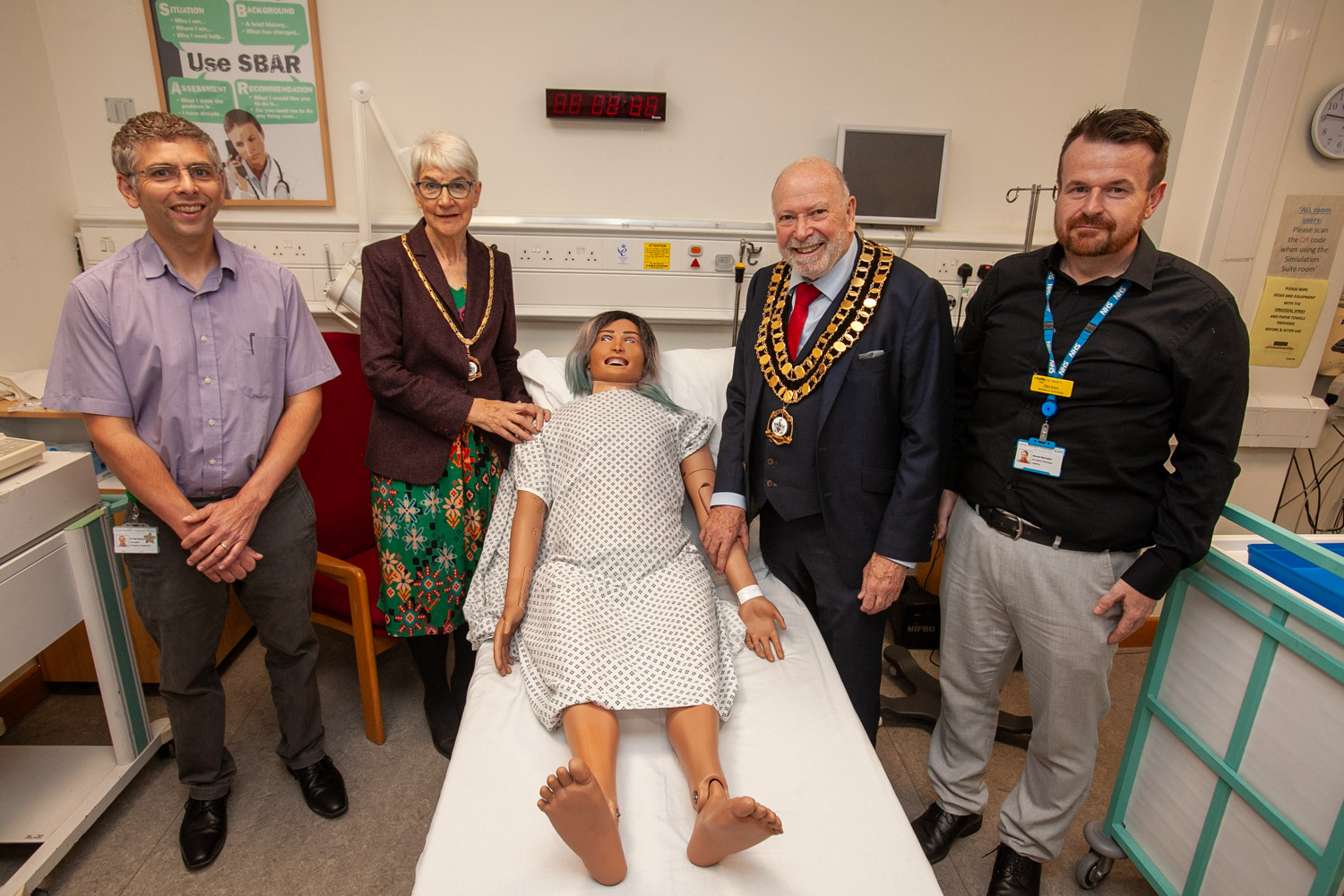
He told Swindon24:
“It’s a safe space. People can make mistakes, they can learn, they can try things as many times as they need to develop their skills, develop their confidence before doing it for real on the wards.”
At least 100 medical students typically use the facility each week, alongside resident doctors and other healthcare professionals undergoing training. Dr Peacock, who qualified nearly 20 years ago, said the experience was very different from the training available when he entered the medical profession.
“When I first started as a new doctor on the wards and suddenly was faced with an unwell patient, it was quite scary because I hadn’t had the hands-on experience of practising these things,” he said.
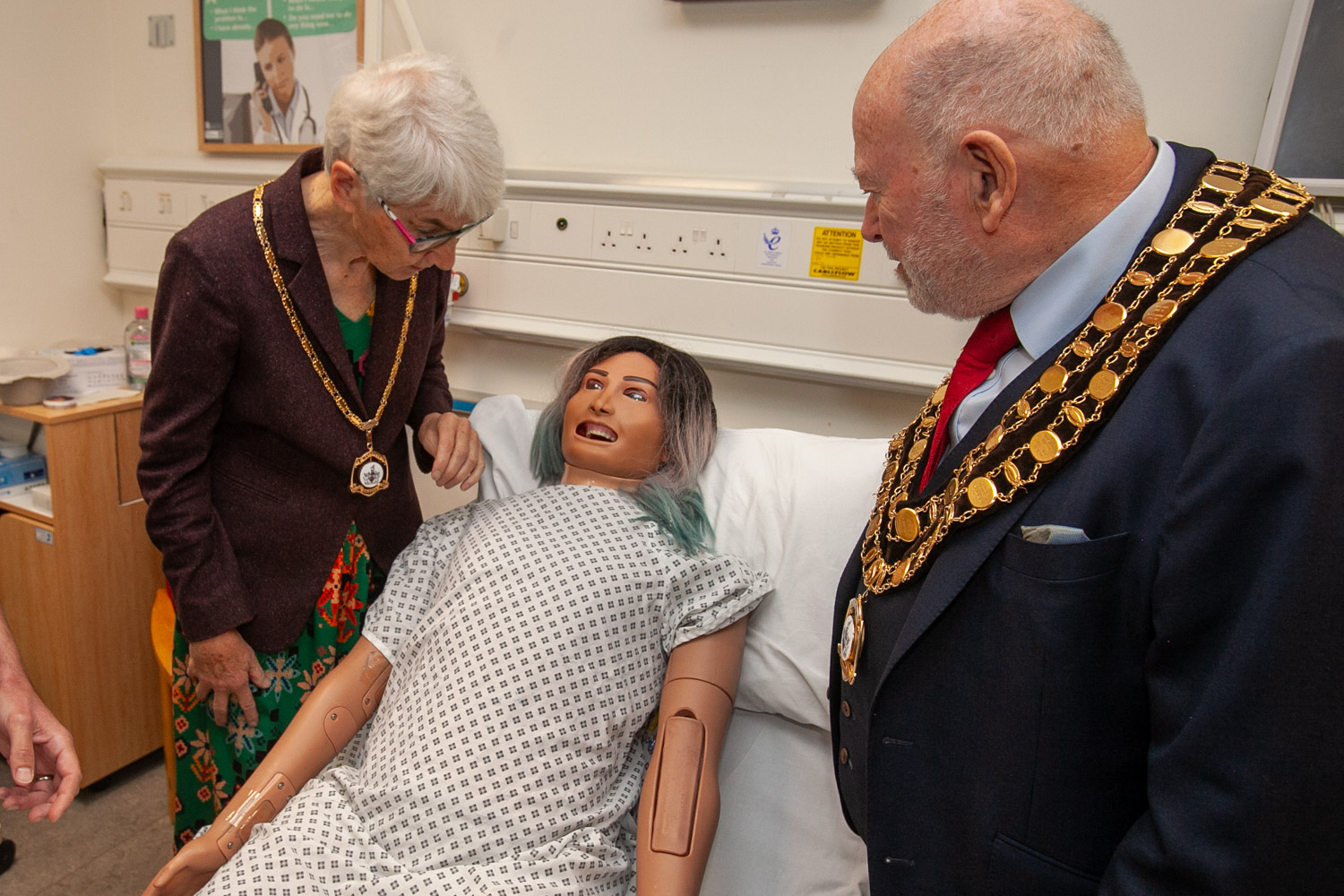
He explained that practical experience can make a significant difference when newly qualified doctors encounter patients requiring urgent treatment.
“What I’m seeing now is our students, they’re qualifying and they’re confident. They know what to do because they’ve practised it in the sim suite time and time again.”
Councillor Neil Hopkins, the Mayor of Swindon, visited the Academy during the anniversary celebrations and watched a demonstration of the simulation equipment. He said:
“I don’t think a lot of people in Swindon realise that that’s how so much of that initial training is now being done.”
He added:
“You can actually do it and you can practise it so that when you actually have the real patient, you already know what you’re doing, and that is so important.”
The Academy was officially named in October 2006, following the relocation of hospital services from Princess Margaret Hospital to Great Western Hospital which opened in 2002. The move provided an opportunity to bring different healthcare education and training services together under one roof.
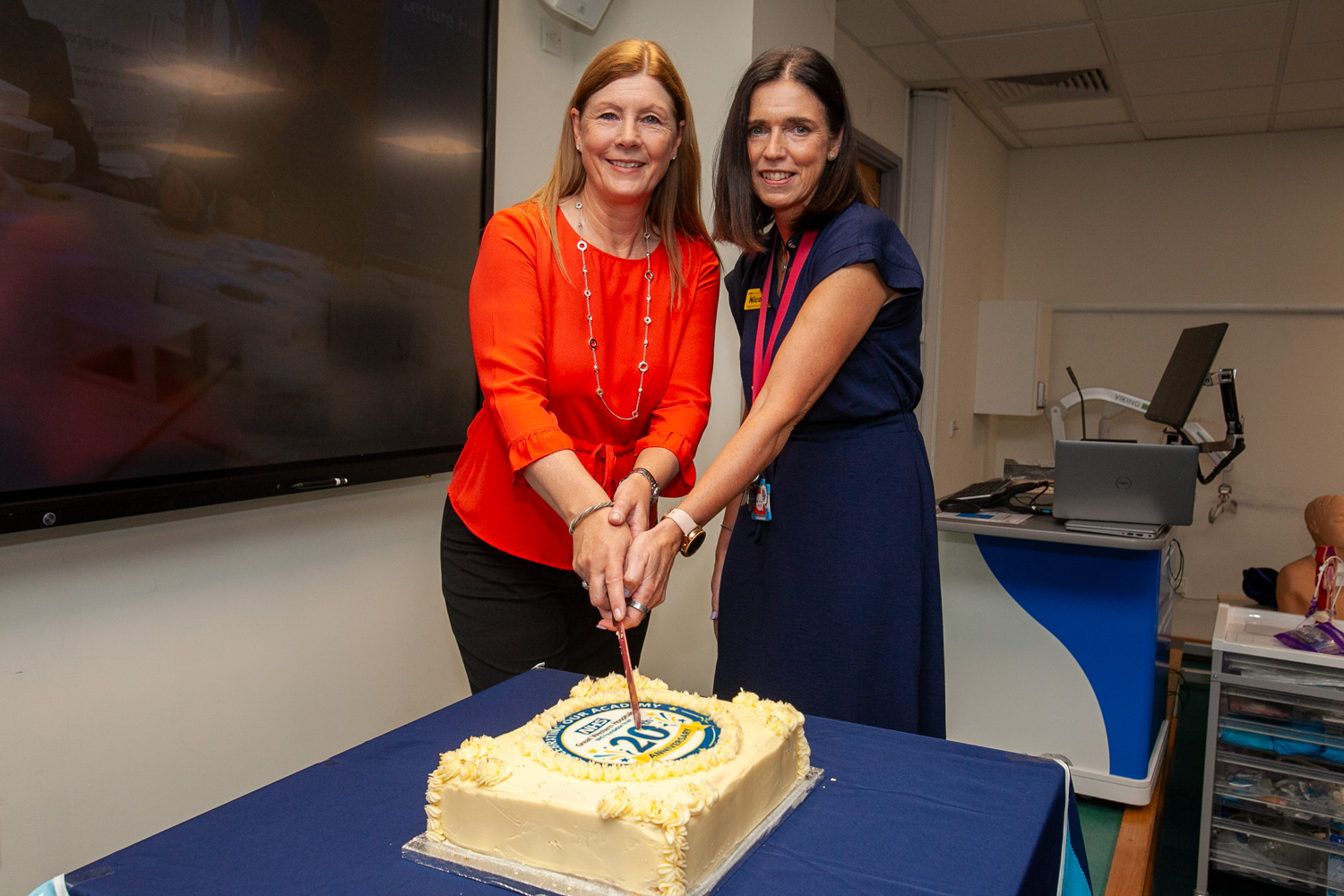
Di Walsh, the Academy’s original General Education Dean, returned for the anniversary event and recalled how the facility was established. She said:
“It created a really unique opportunity for us because we were able to fully merge what was a training and development centre with a postgraduate centre with a library and literally bring everything together all in the same area.”
Figures released to mark the anniversary show the scale of training delivered at the Swindon hospital over the past five years. Around 1,300 resident doctors have undertaken rotational training posts at the Trust, while more than 6,000 clinical skills and training courses have been delivered.
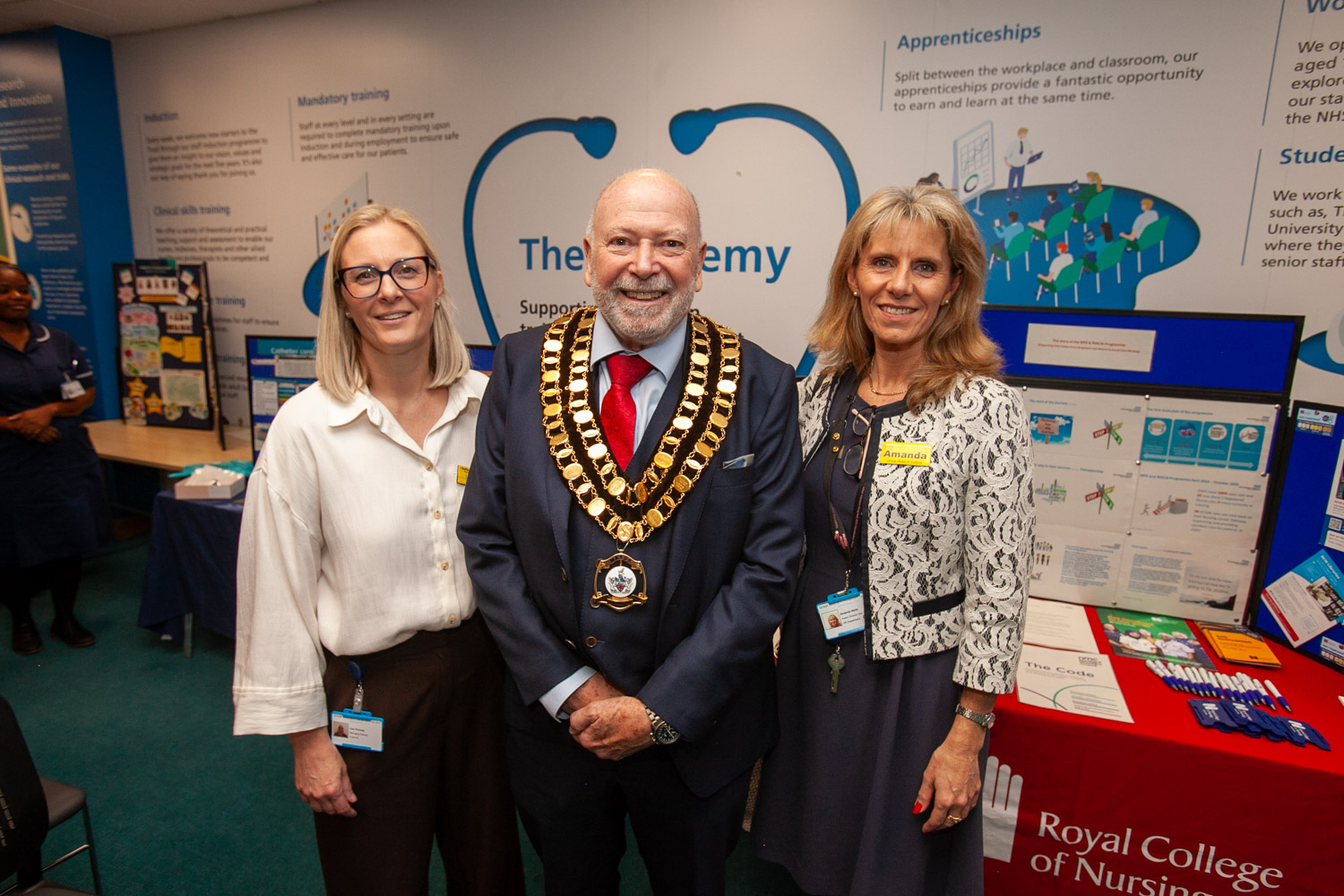
More than 420 students have also completed work experience placements, helping young people explore potential careers in the NHS. Meanwhile, approximately 2,500 staff have completed Oliver McGowan training, designed to improve the care provided to autistic people and those with learning disabilities.
Amanda Wylie, speaking during the celebrations, highlighted how the Academy is adapting its training to reflect the needs of patients. This includes using resuscitation mannequins with different skin colours to help staff gain experience with equipment that better represents the communities they serve. She said:
“Excellent patient care doesn’t happen by accident.”
“It happens because of the way the organisation treats it, respects it, honours it, and then enables it to all our staff.”
The Academy is also preparing for changes in how healthcare is delivered, including a greater focus on neighbourhood services and supporting patients outside traditional hospital settings. Dr Peacock said continued investment in technology and education would be essential as healthcare becomes increasingly complex. He said:
“By utilising technology, by increasing our educational tools, then actually we can just make sure that our staff are equipped for whatever comes through our doors.”
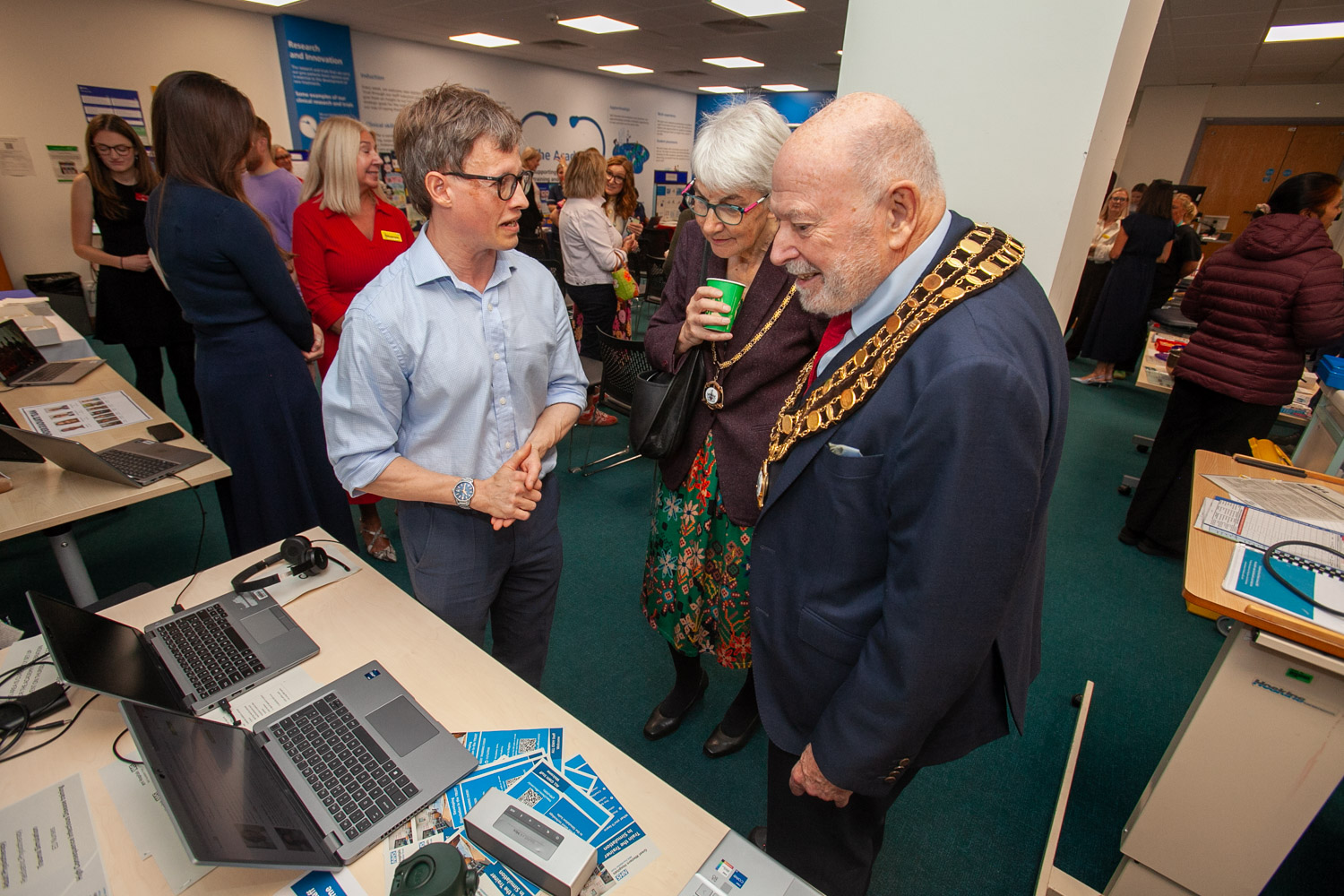
Angus Waddell, Academy Dean and Consultant Ear, Nose and Throat Surgeon, said:
“For 20 years, the Academy has been at the heart of learning and development at Great Western Hospital, supporting staff at every stage of their careers and helping ensure our patients receive the highest quality care.
“It was a privilege to join staff and partners in celebrating this significant milestone and to reflect on the remarkable contribution the Academy has made to healthcare education in our community.”