
The town secured ninth place in a national study by outdoor retailer Blacks, working with Ordnance Survey, which examined access to walking and hiking routes within 90 minutes by car or public transport.
Swindon achieved an overall hiking accessibility score of 8.13 out of 10, placing it ahead of London, which finished tenth with a score of 8.02.
According to the research, 267,124 OS Maps hiking routes were accessible within a 90-minute drive of Swindon, while 43,255 could be reached by public transport.
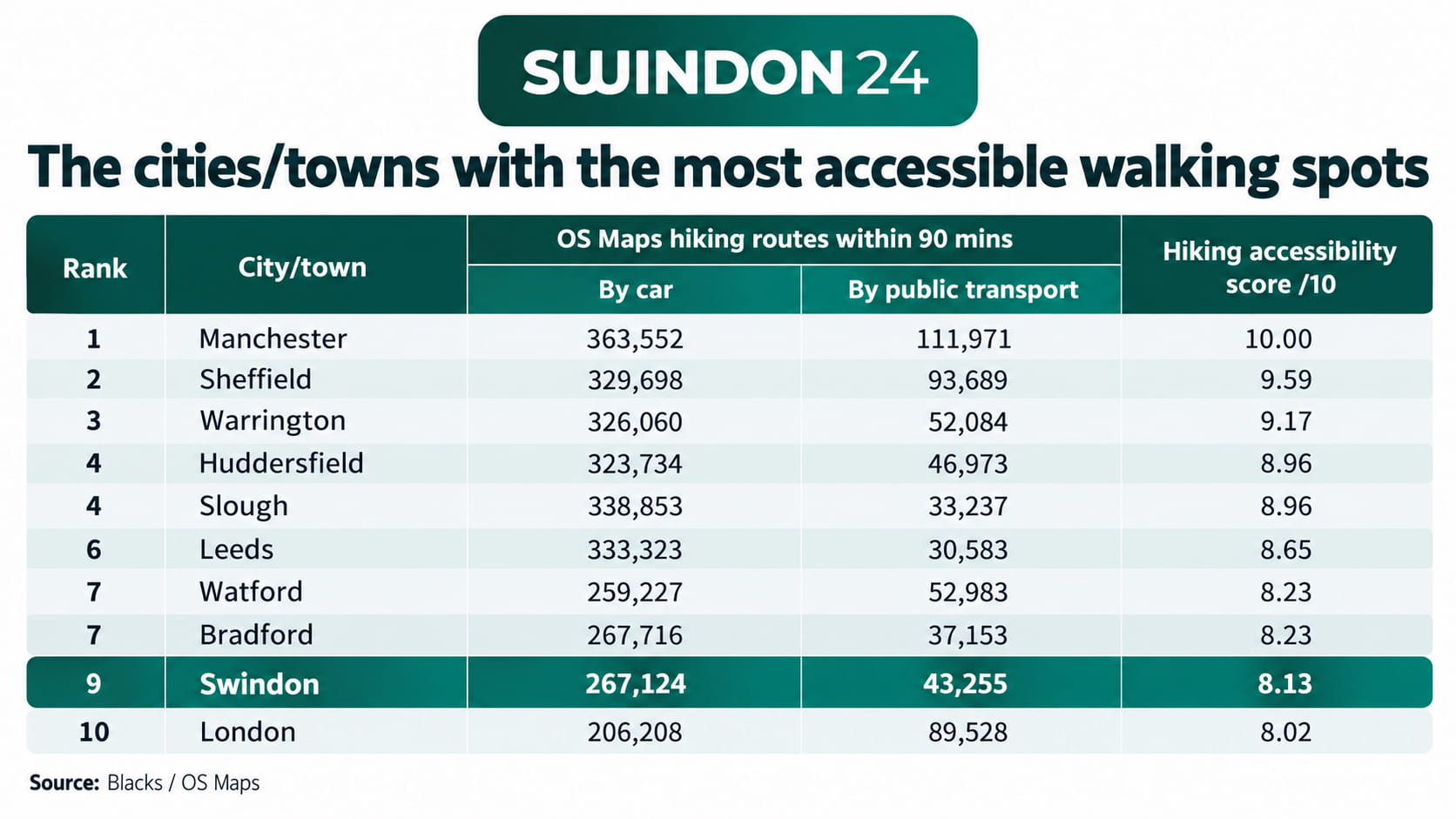
Together, the two figures total 310,379, although some routes may be counted in both categories.
The findings highlight the variety of walking opportunities available to Swindon residents, from the rolling countryside of the North Wessex Downs to historic sites, canal paths and peaceful parks within the town itself.
And with so many locations to choose from, residents do not necessarily need to travel far to enjoy the outdoors.
Whether it is a challenging countryside hike, a family walk or simply a peaceful stroll, there are plenty of places to explore.
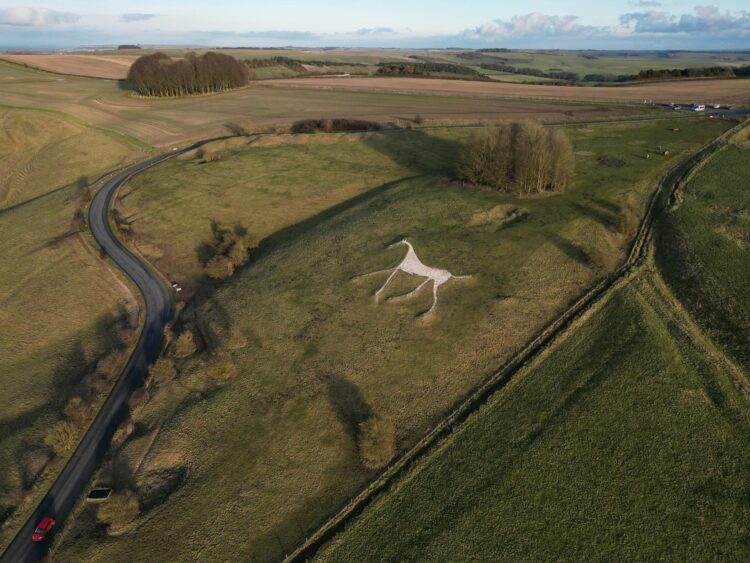
The Ridgeway and White Horse Hill at Hackpen
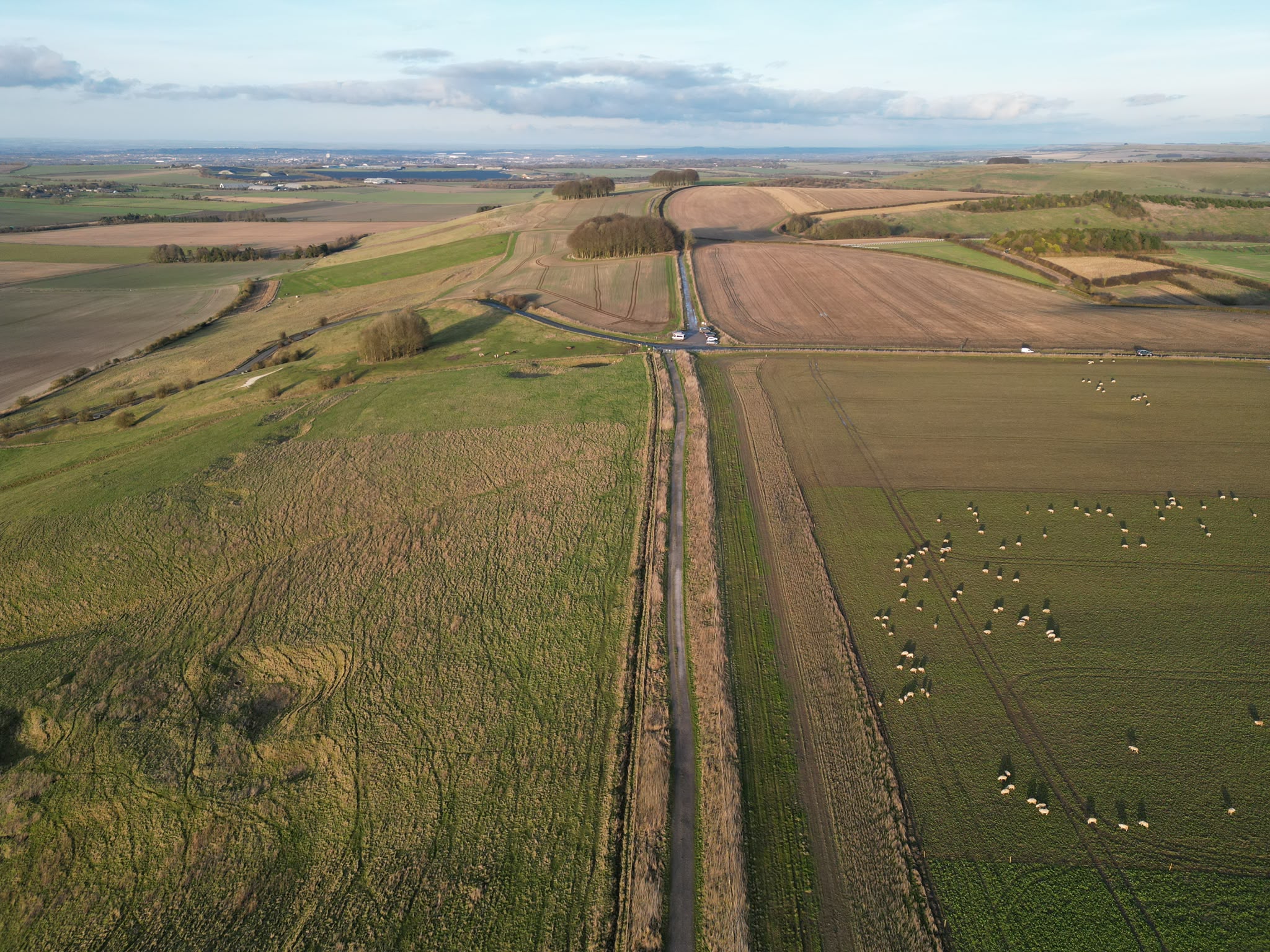
The Ridgeway offers some of the most spectacular countryside walking around Swindon, with sweeping views across the North Wessex Downs.
The historic route passes close to Hackpen Hill and its distinctive white horse, providing walkers with open landscapes, rolling hills and an opportunity to explore one of Britain’s oldest routes.
It is particularly popular with those looking for longer walks, although shorter sections can also be enjoyed.
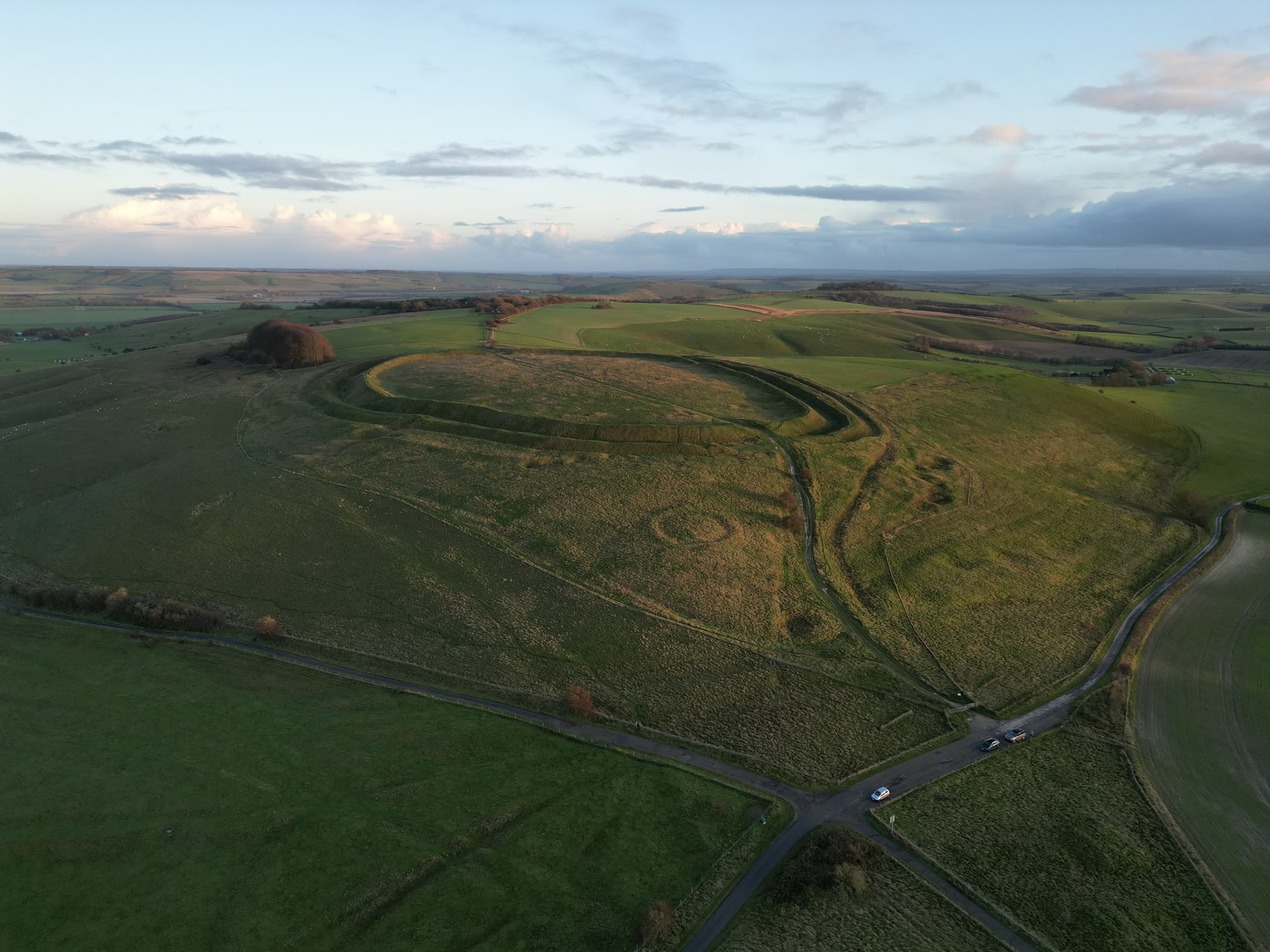
Barbury Castle
Just south of Swindon, Barbury Castle is one of the area’s best-known countryside destinations.
The Iron Age hillfort sits high on the Marlborough Downs and offers extensive views of the surrounding countryside.
With open grassland, historic earthworks and access to the Ridgeway, it is a popular location for walkers looking to combine fresh air with local history.
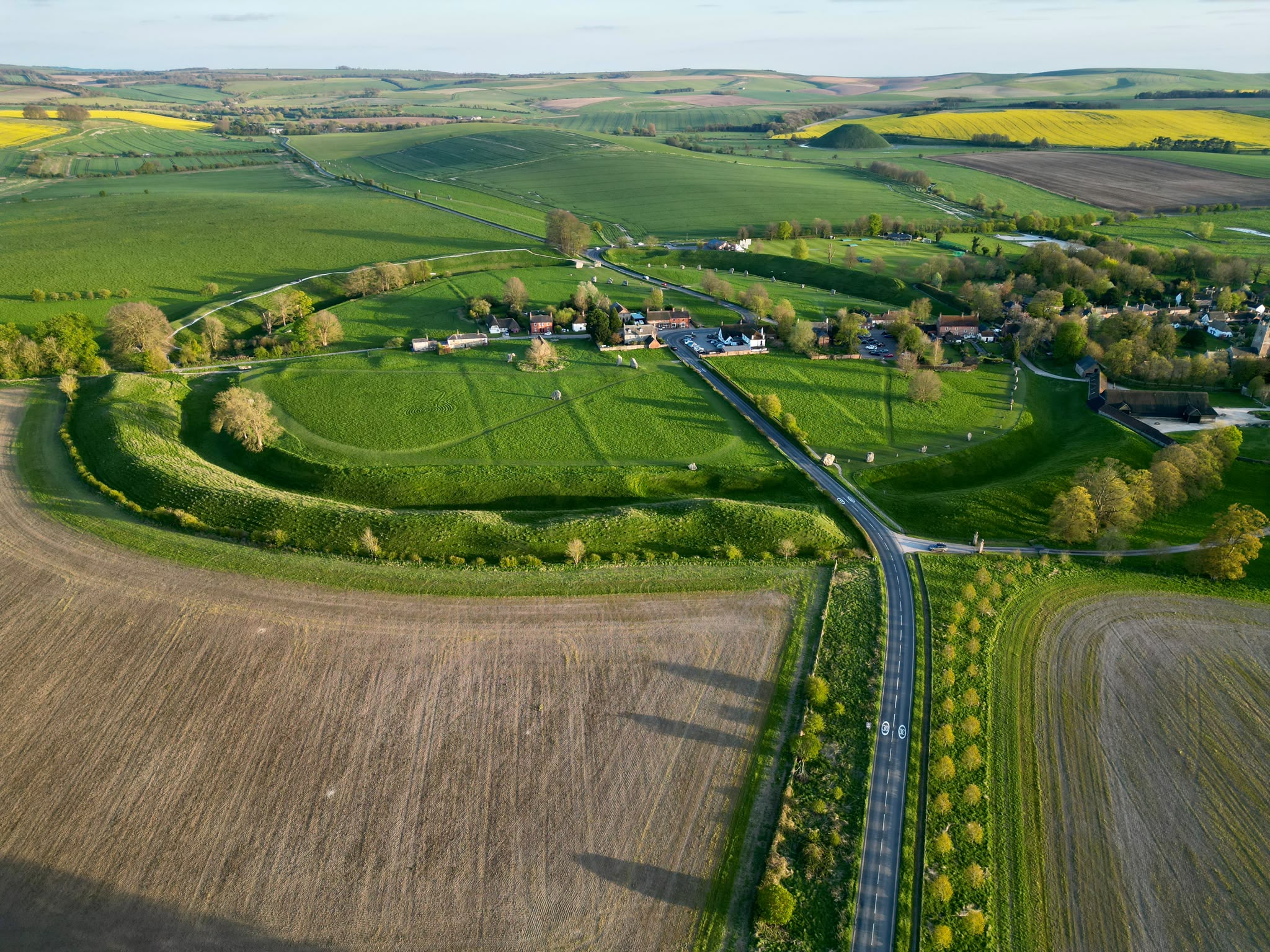
Avebury
A short journey from Swindon, Avebury offers a walking experience surrounded by thousands of years of history.
The village is famous for its prehistoric stone circle, one of the largest in the world, with footpaths allowing visitors to explore the surrounding landscape.
Walkers can enjoy the village, ancient monuments and countryside, with longer routes extending towards nearby archaeological landmarks.
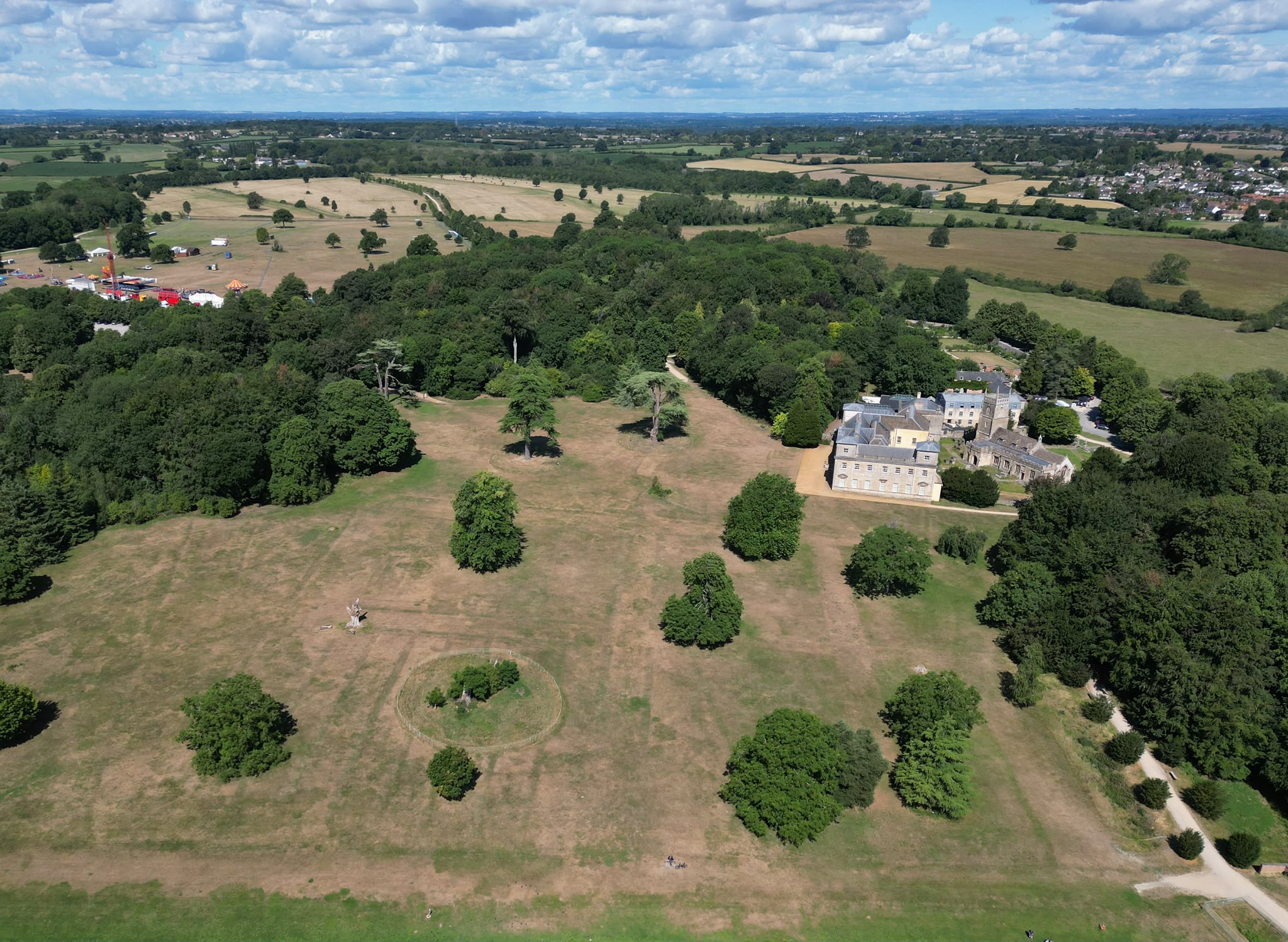
Lydiard Park
For those who prefer somewhere closer to home, Lydiard Park in West Swindon offers a mixture of parkland, woodland and open green spaces.
The historic estate is home to Lydiard House, a lake and extensive grounds, making it a popular destination for families, dog walkers and those looking for a gentler outing.
Its network of paths provides opportunities for both short strolls and longer walks around the estate.
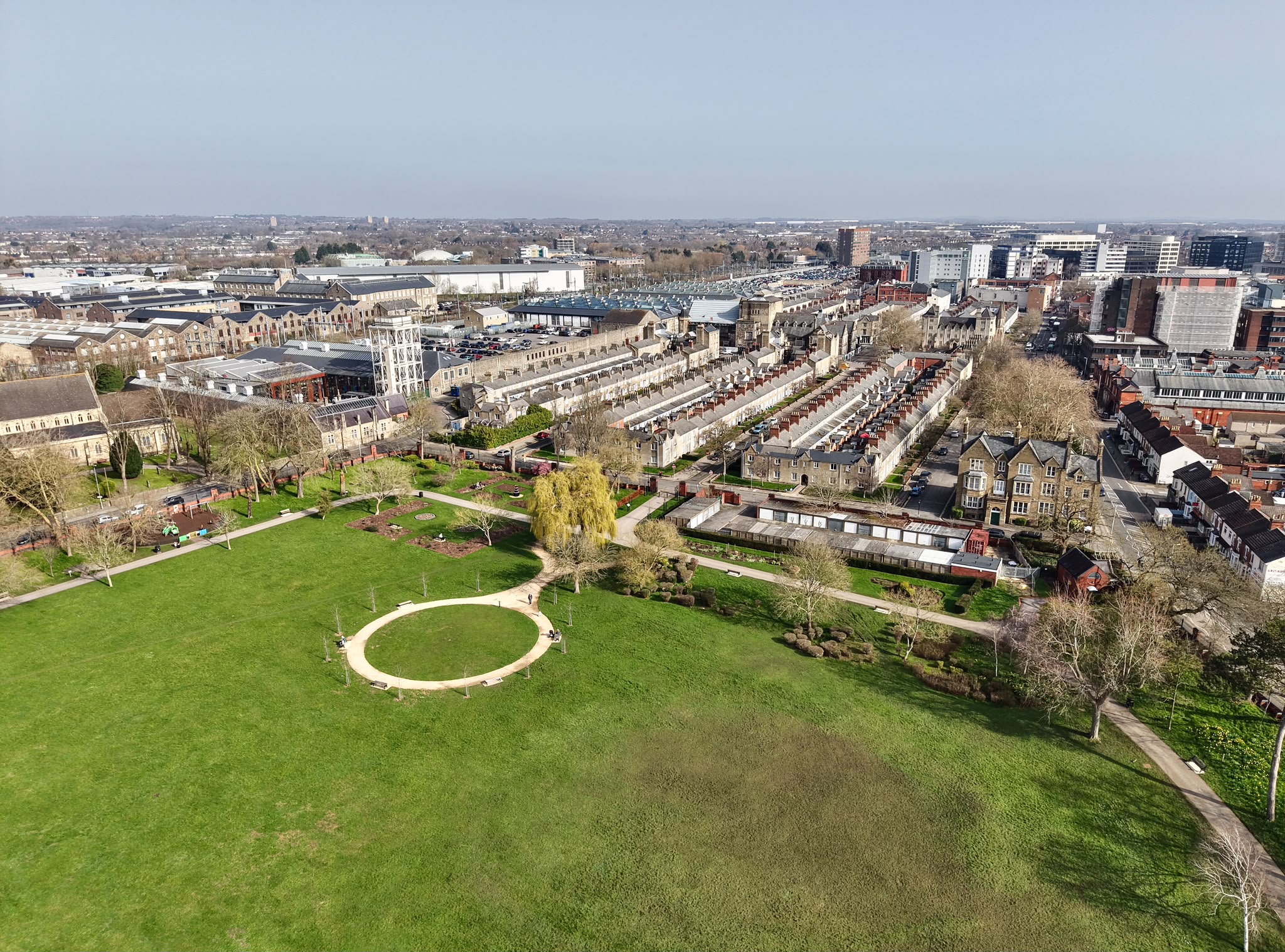
GWR Park
GWR Park offers residents an opportunity to enjoy some green space without leaving Swindon.
The historic park has strong links to the town’s railway heritage, having originally been purchased by the Great Western Railway in the 19th century for use as a cricket ground.
Today, it provides a relaxed setting for a short walk, making it an option for those who want to get outdoors without heading into the surrounding countryside.
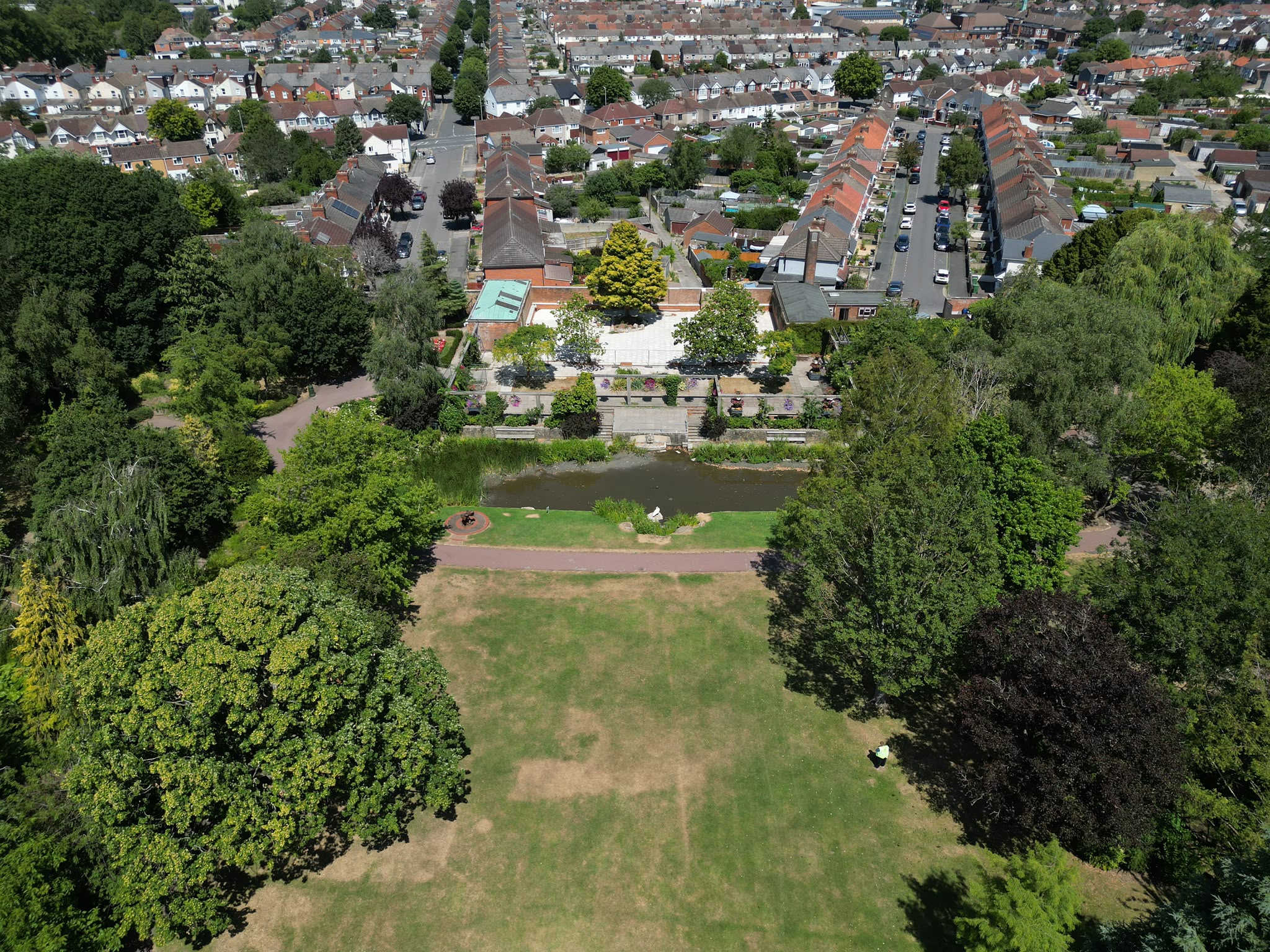
Queen’s Park
Located close to Swindon’s town centre, Queen’s Park offers a peaceful escape from the surrounding streets.
Known for its ornamental gardens, trees and pond, the park is an attractive place for a gentle stroll or a quiet break.
Its central location makes it particularly convenient for people who want to enjoy green surroundings without travelling out of town.
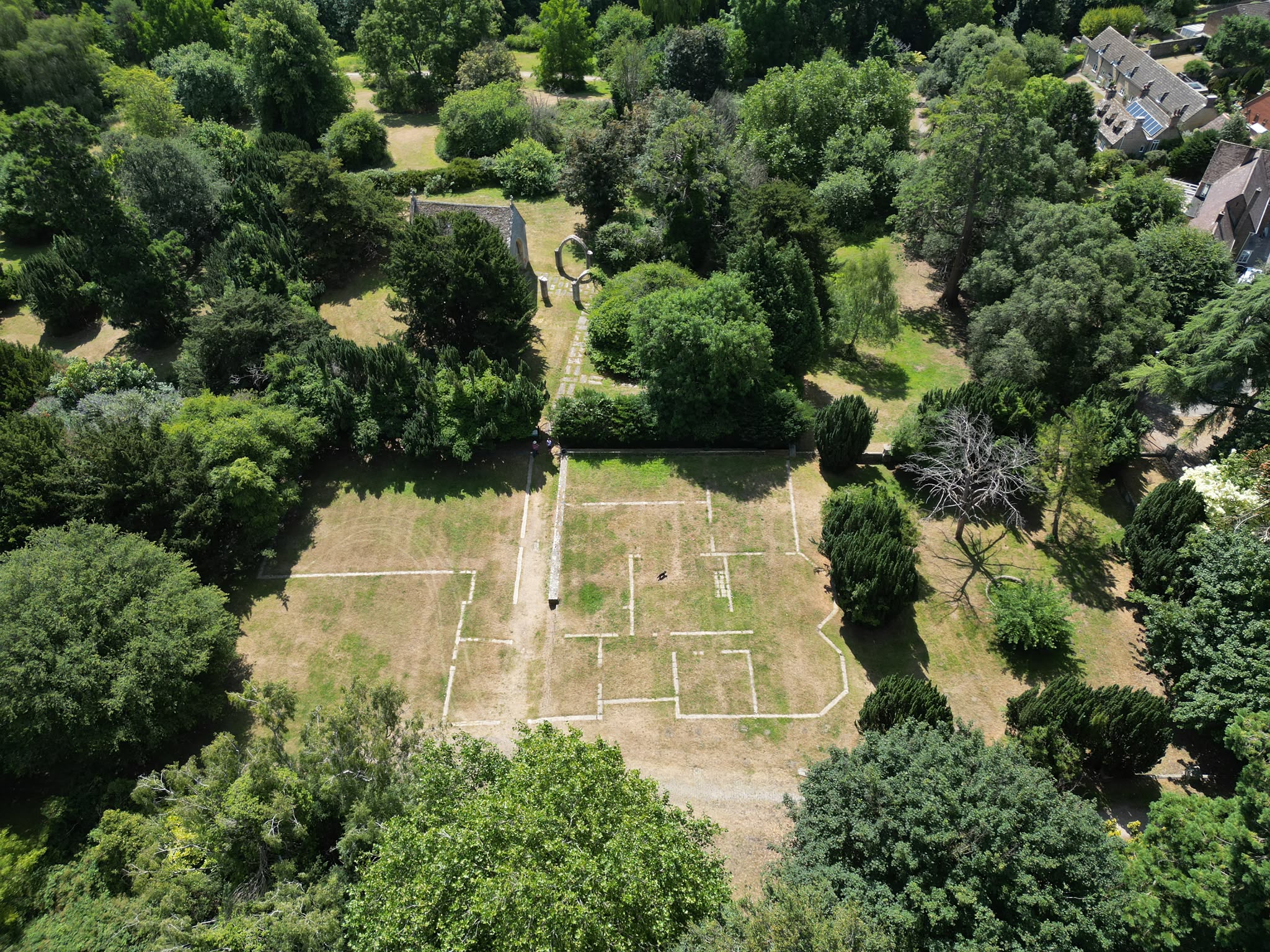
The Lawns, Old Town
The Lawns in Old Town combines historic surroundings with woodland walks and open green spaces.
Once part of the grounds of the former Goddard family estate, the area provides a contrast to the nearby streets of Old Town.
Its paths, mature trees and historic landscape make it a popular location for local walks, particularly for residents seeking somewhere peaceful close to home.
The canal at Wichelstowe
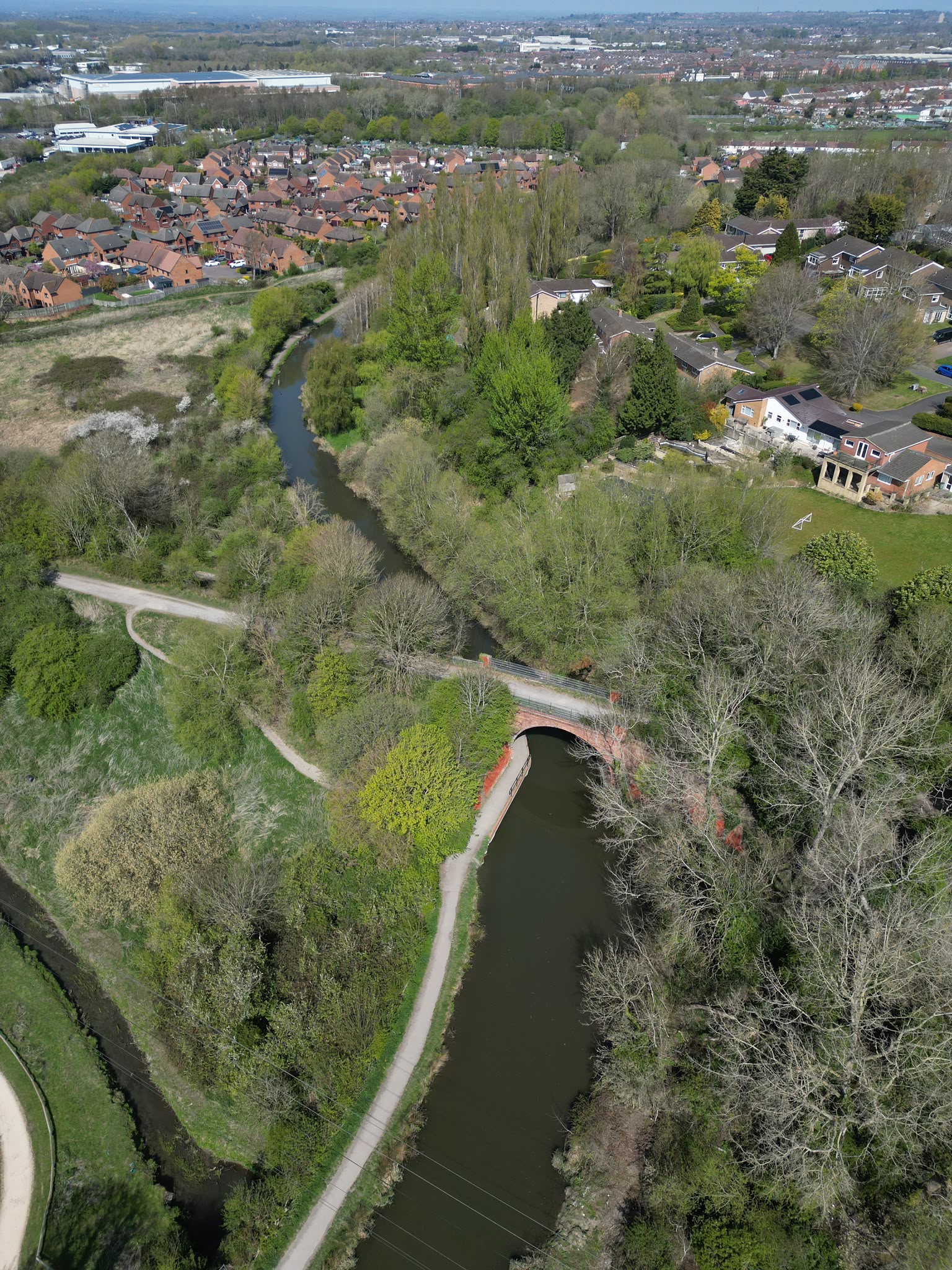
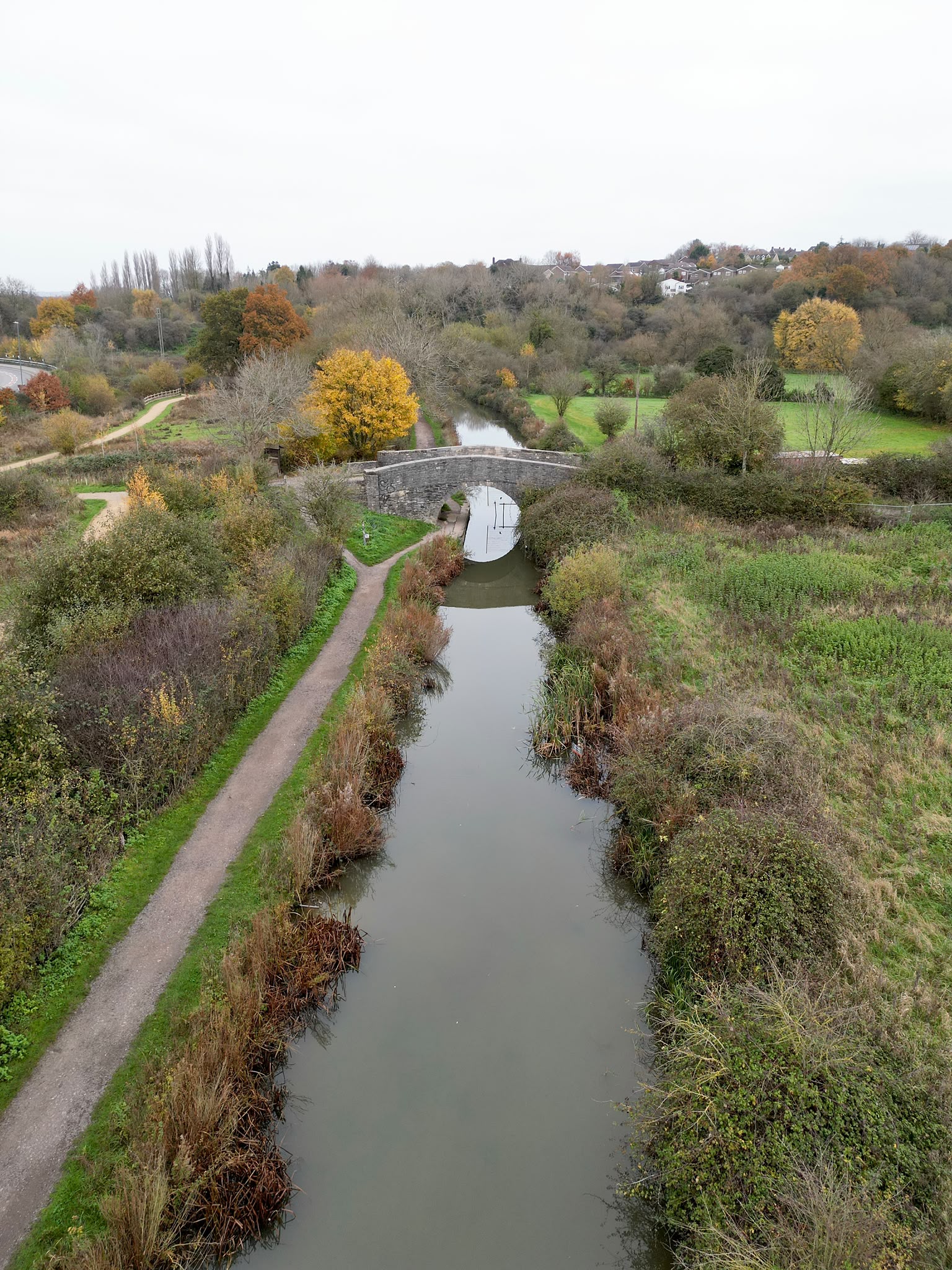
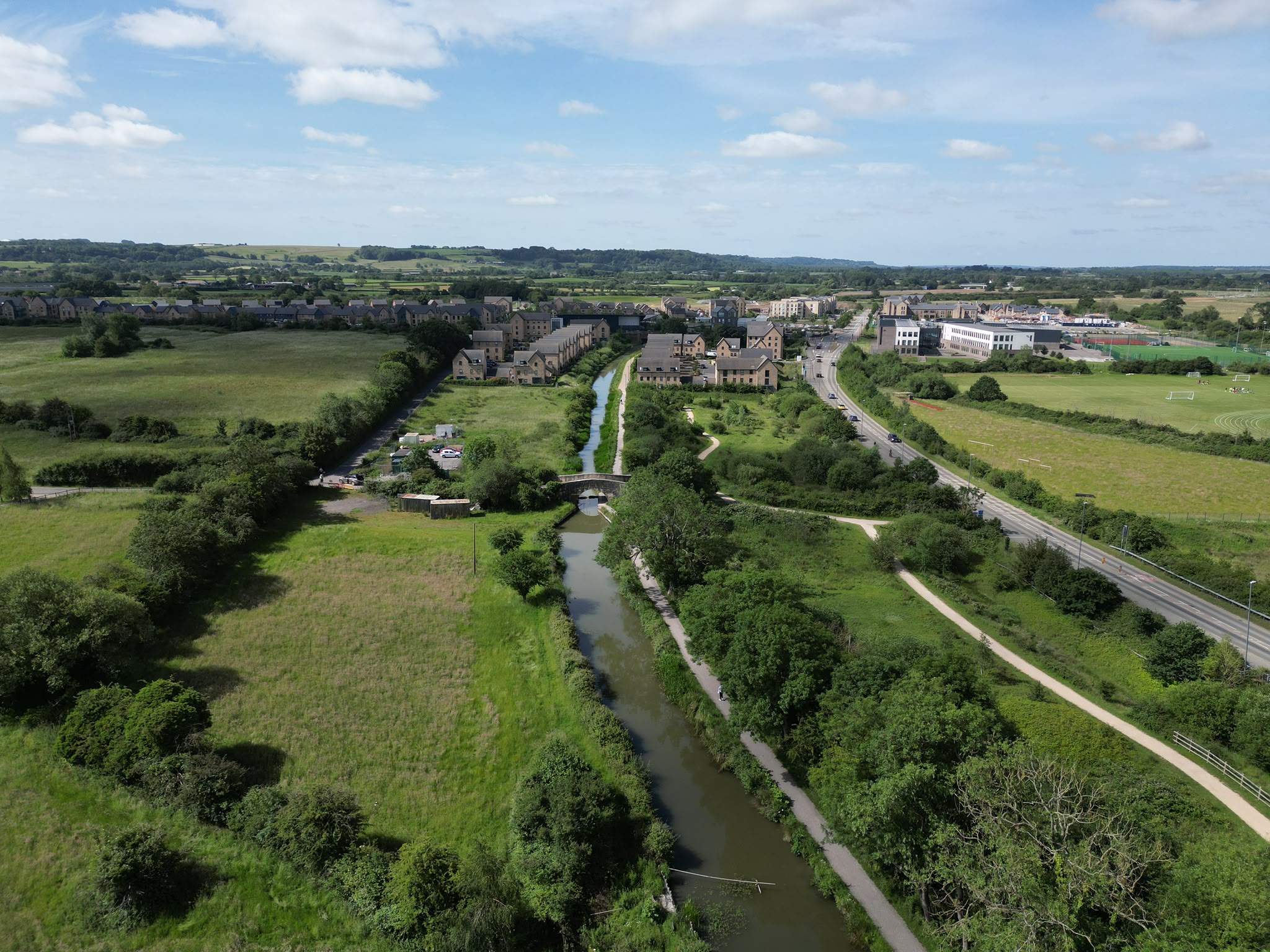
For those who enjoy waterside walks, the canal at Wichelstowe offers another option within Swindon itself.
The restored stretch of the Wilts and Berks Canal runs through the Wichelstowe development, providing a picturesque setting for a stroll alongside the water.
With canal boats, bridges and waterside surroundings, it offers a different walking experience from the town’s traditional parks and countryside trails.
The paths around the canal are popular with local residents, families and dog walkers, while the nearby Waitrose and Hall & Woodhouse pub provide opportunities to stop for refreshments.
It is an example of how newer parts of Swindon are also providing spaces for residents to enjoy the outdoors.
The national research placed Manchester first for hiking accessibility, with a score of 10 out of 10, followed by Sheffield at 9.59 and Warrington at 9.17.
Huddersfield and Slough shared fourth place, followed by Leeds, Watford and Bradford, with Swindon taking ninth.
Despite London recording more walking routes accessible by public transport, Swindon’s stronger access by car helped it finish ahead of the capital in the overall rankings.
The findings come as walking continues to be one of England’s most popular forms of physical activity.
According to Sport England figures highlighted in the research, approximately 22.9 million adults participate in walking for leisure, around 4.6 million more than in 2015–16.
For Swindon residents, the results are a reminder of the variety of landscapes and green spaces available nearby, whether exploring the Ridgeway, enjoying the history of Avebury, walking alongside the canal at Wichelstowe or taking a gentle stroll through one of the town’s parks.
The full research can be found on the Blacks website.
All images credit: Jason Spickett – Swindon From The Air