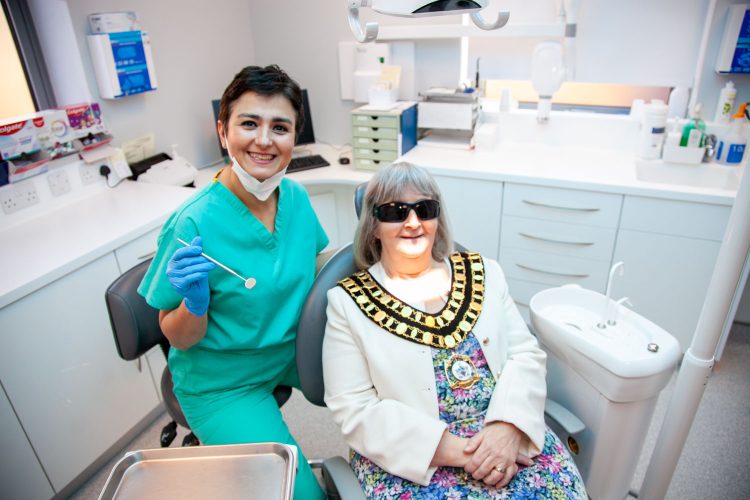

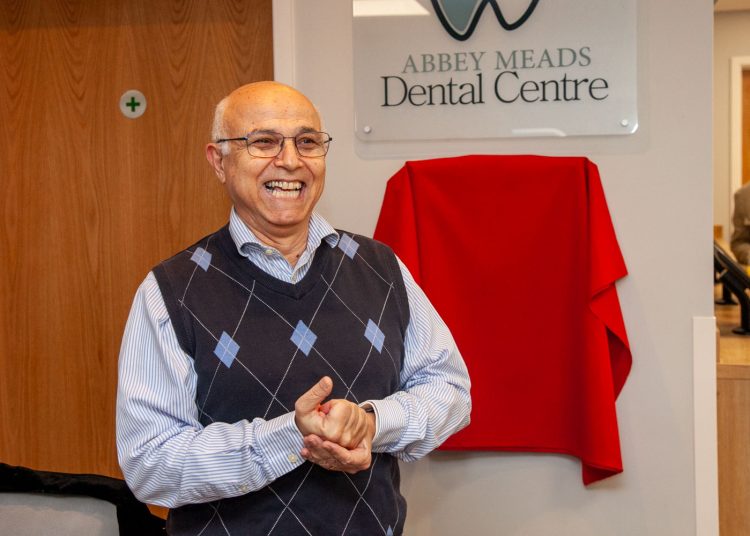
The approach was outlined during the practice’s official opening, where Director Ebrahin Iravani explained a vision that prioritises early intervention rather than reactive treatment.
Although the practice has been operating from its purpose-built premises for almost two years, the event was used to highlight work that extends beyond the surgery. This includes planned outreach in schools, care homes and community settings where access to routine dentistry can be limited.
A proposed schools programme would involve dentists visiting schools to carry out regular oral health screenings. Each child would be supported by a dental logbook designed to track their oral health over time.

With parental consent, children identified as being at higher risk of dental problems would receive fluoride varnish applications every three months. Other children would receive the treatment every six months.
The aim is to establish good oral health habits at an early age, reducing the likelihood of more complex dental issues developing later in life.
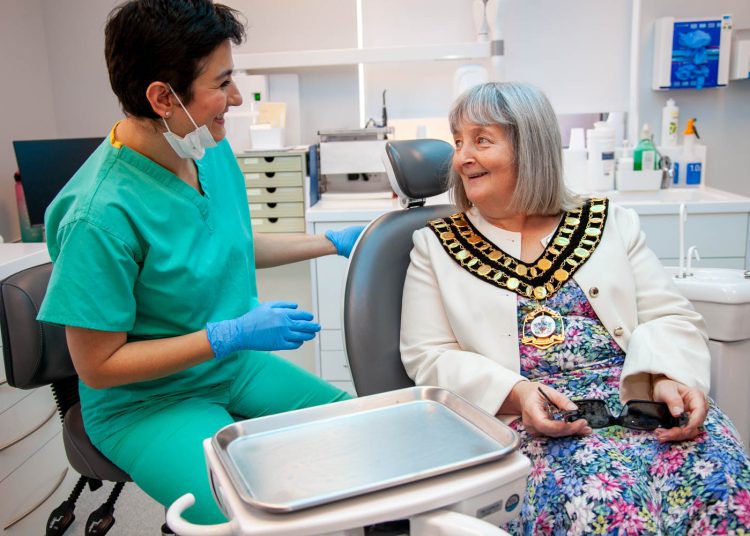
The practice says its preventative focus is already reflected in appointment data. Around 66 percent of visits are routine check-ups, known as band one treatments, while just over 30 percent involve band two treatments such as fillings.
Abbey Meads Dental Practice currently serves more than 20,000 patients and provides NHS dentistry. Where capacity allows, children are prioritised for NHS places.
Adult NHS registrations remain limited due to funding constraints, but the practice has said it will always aim to register children where possible because of the importance of early access.
The practice operates from an 11-surgery, purpose-built facility funded through private investment rather than NHS capital. Patients who transferred from the former smaller premises have described the new building as more comfortable and better suited to modern dental care.
Mr Iravani said the opening was about setting a long-term direction rather than celebrating a building. The focus, she explained, is on preventing dental problems in childhood rather than treating them in adulthood.