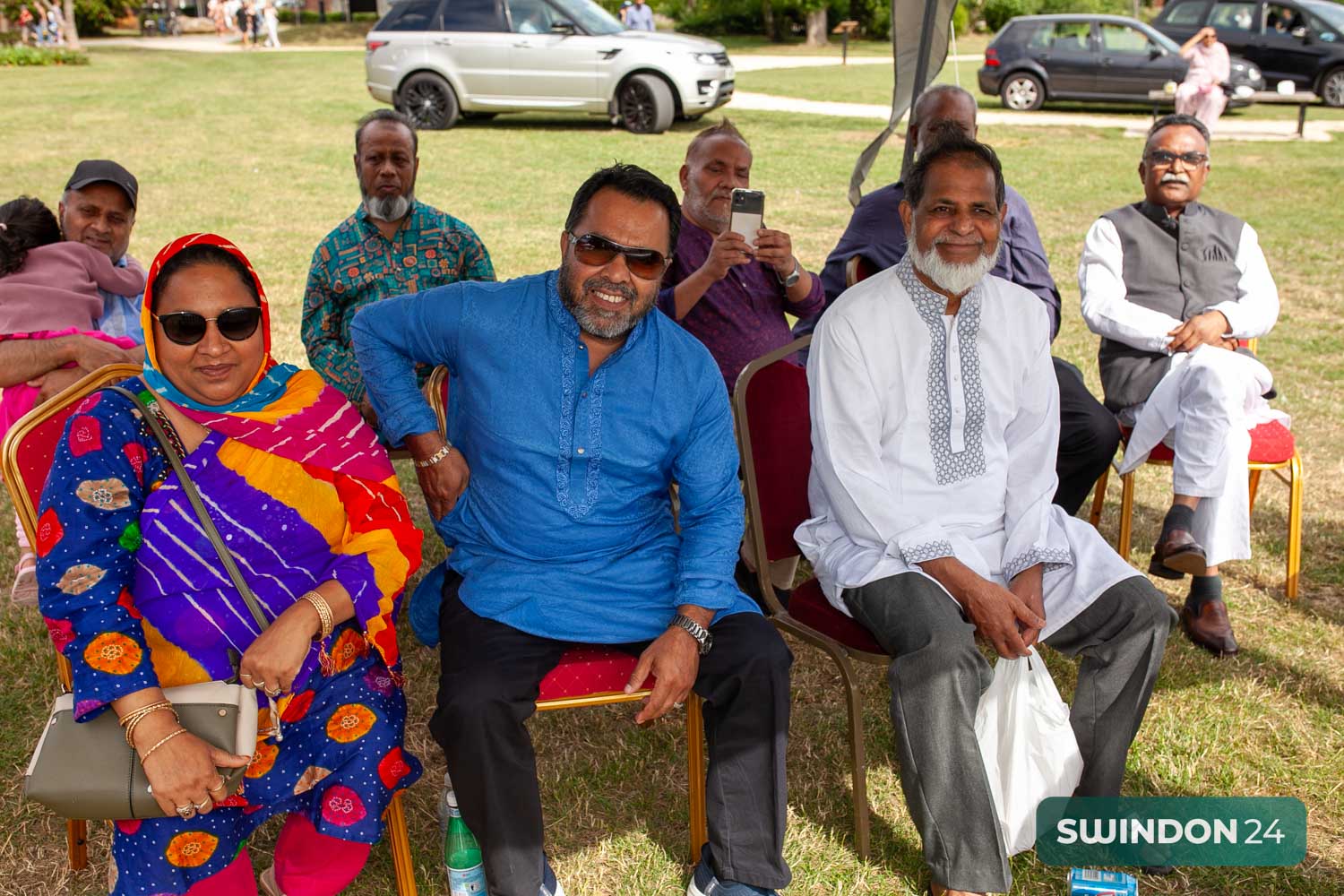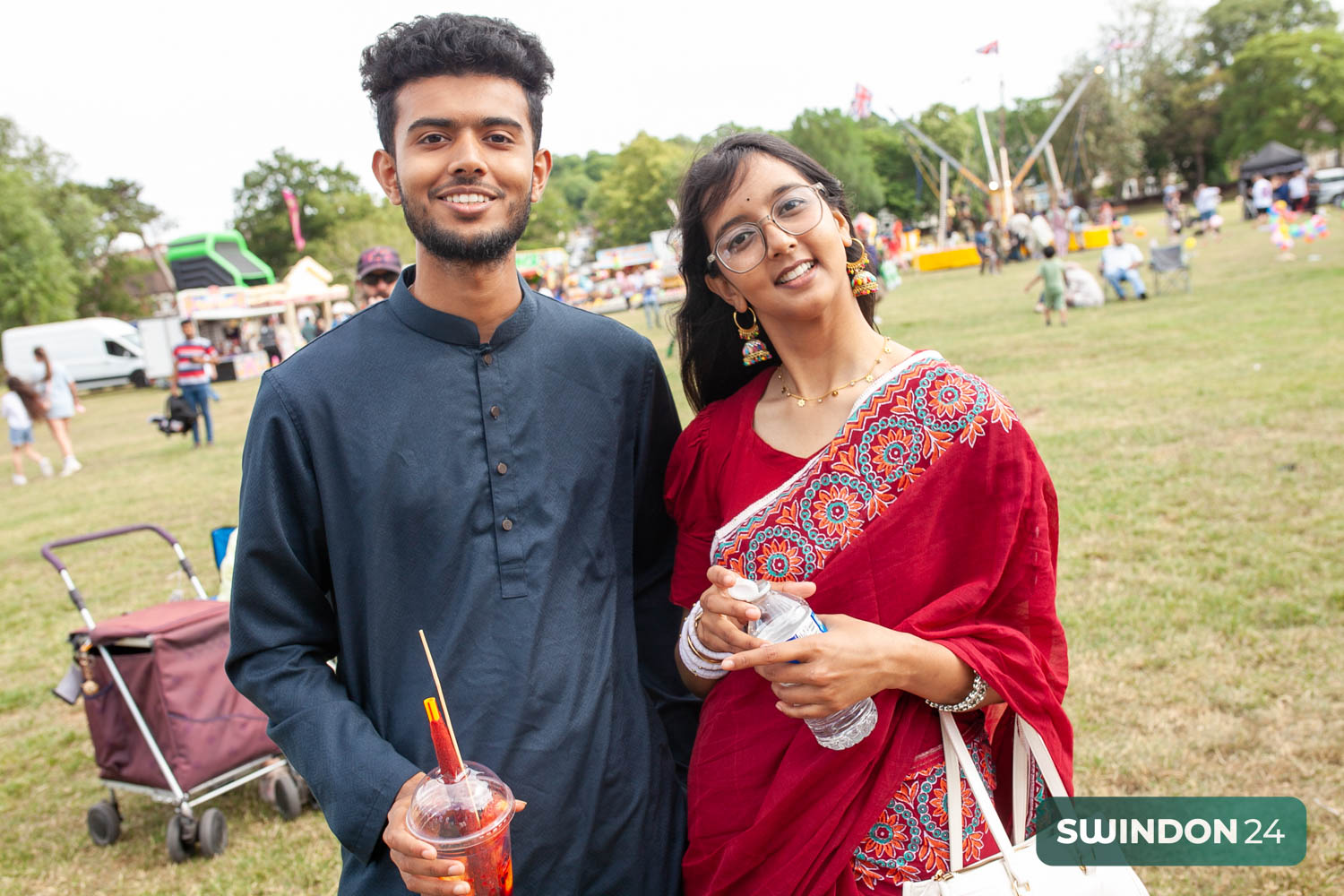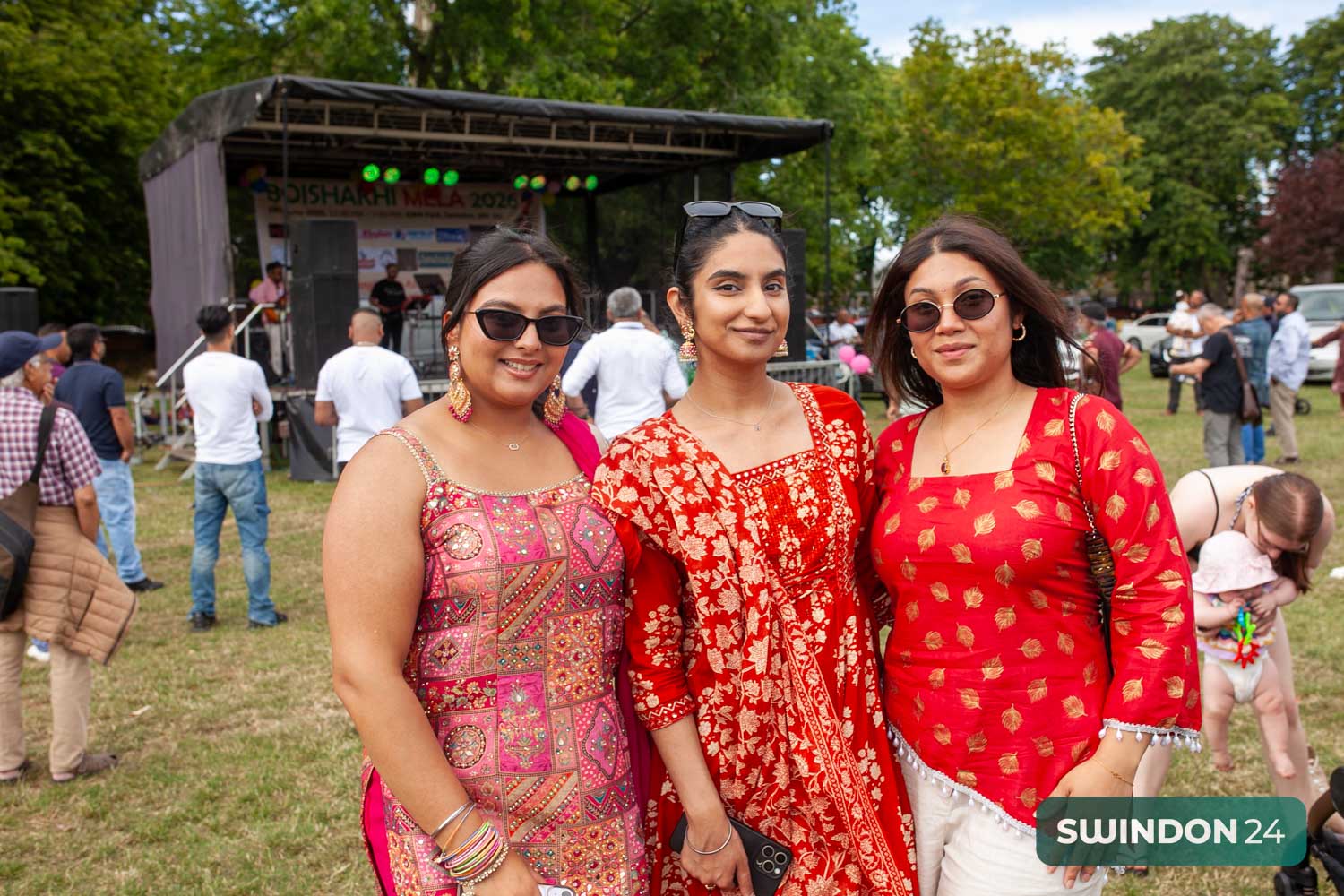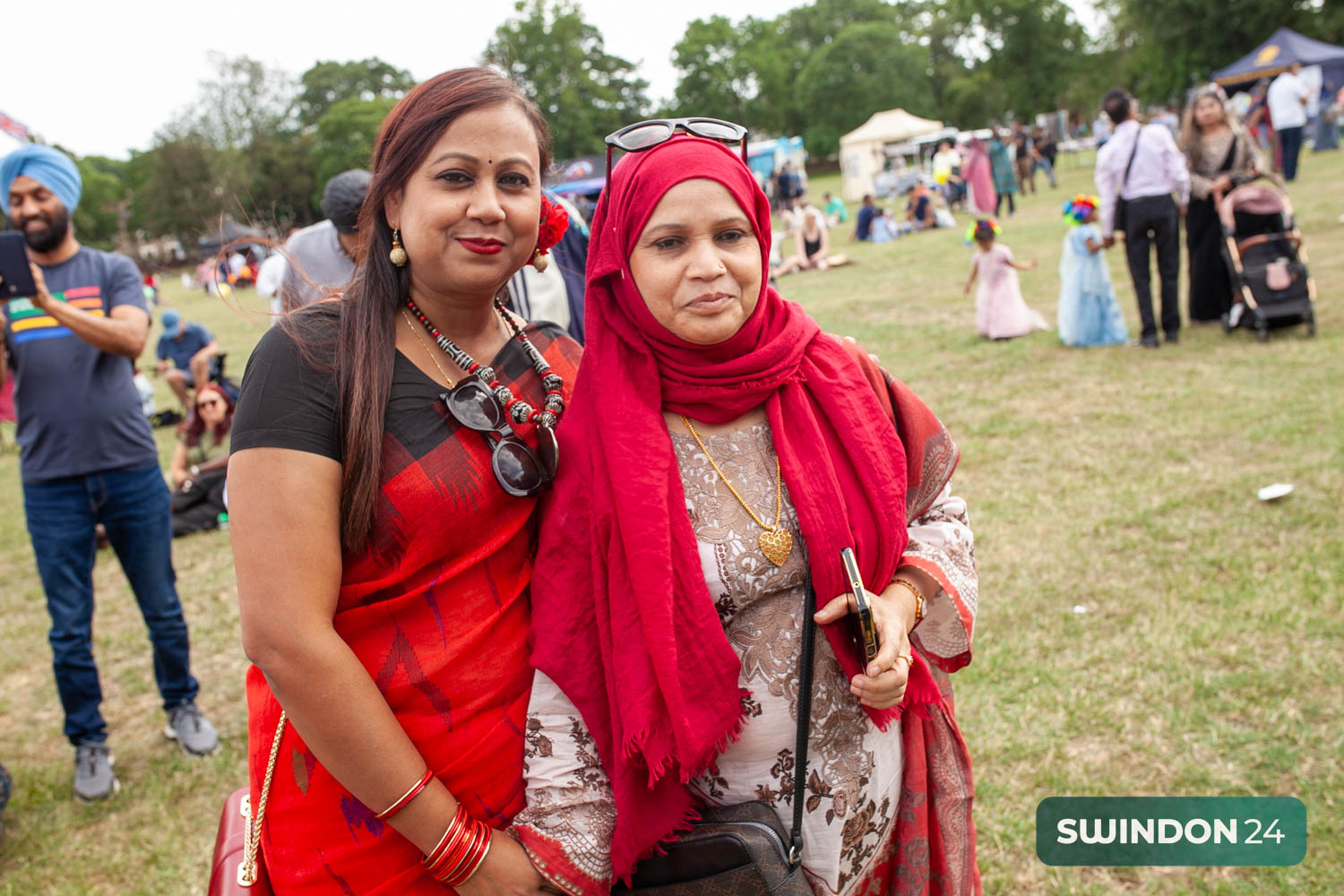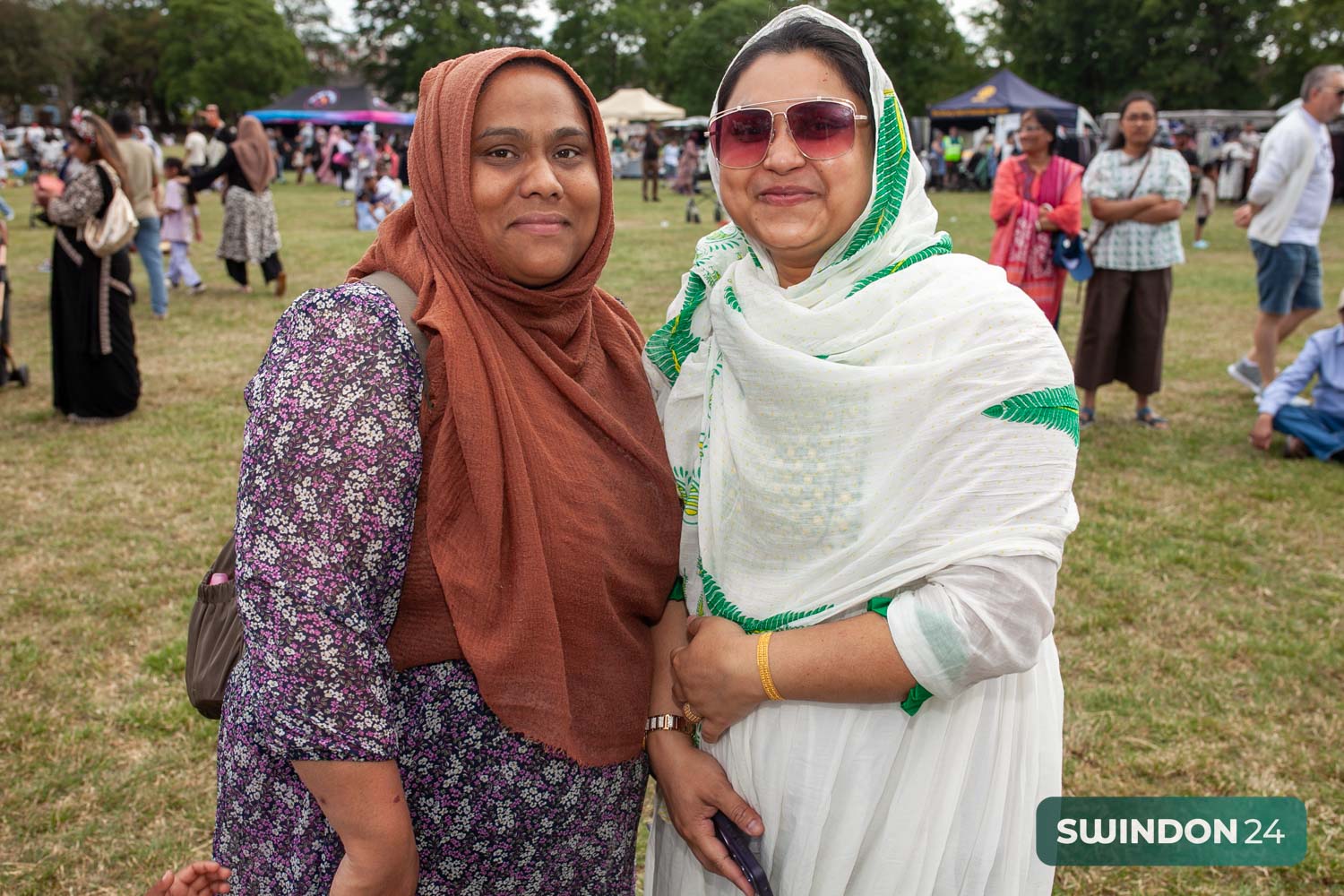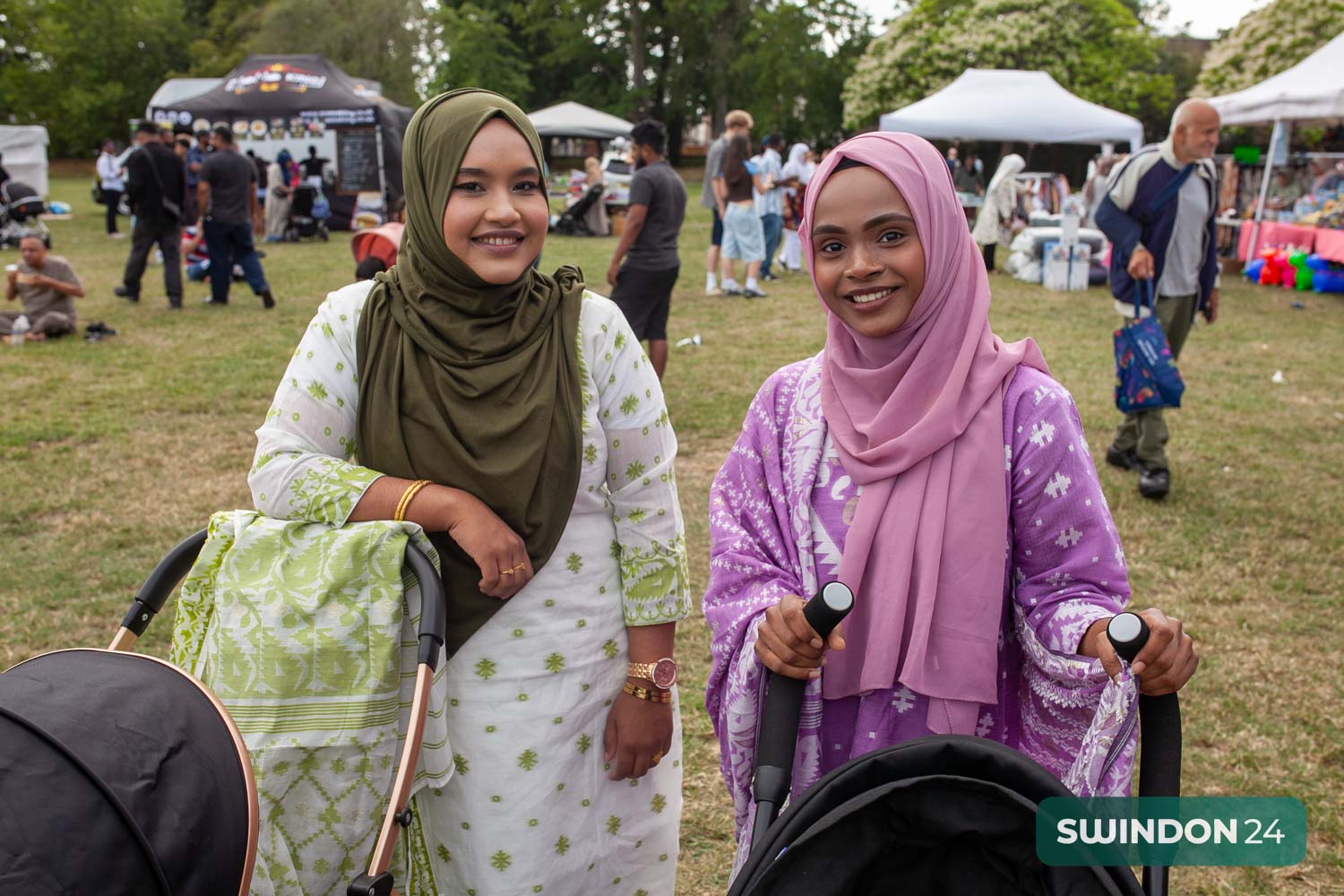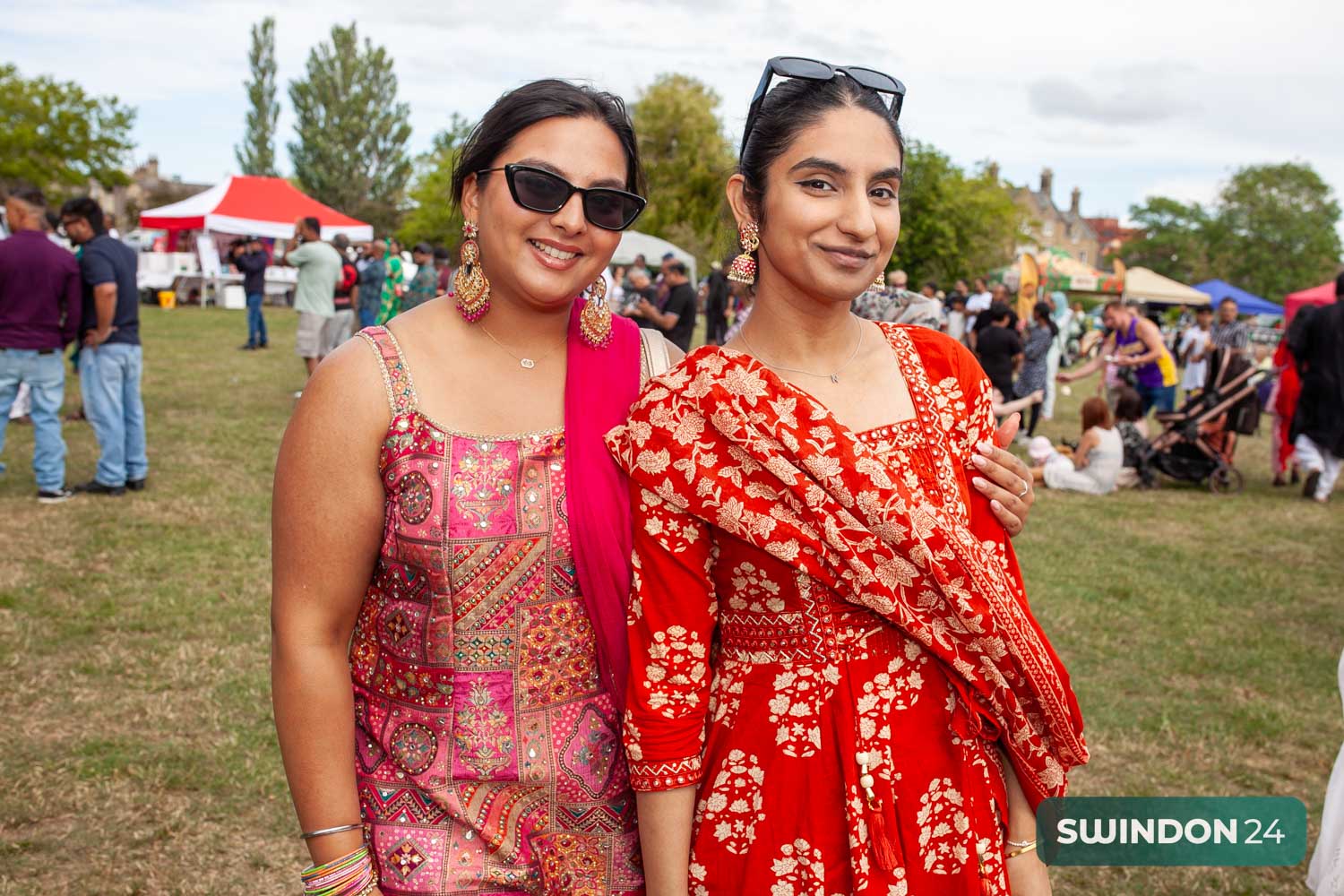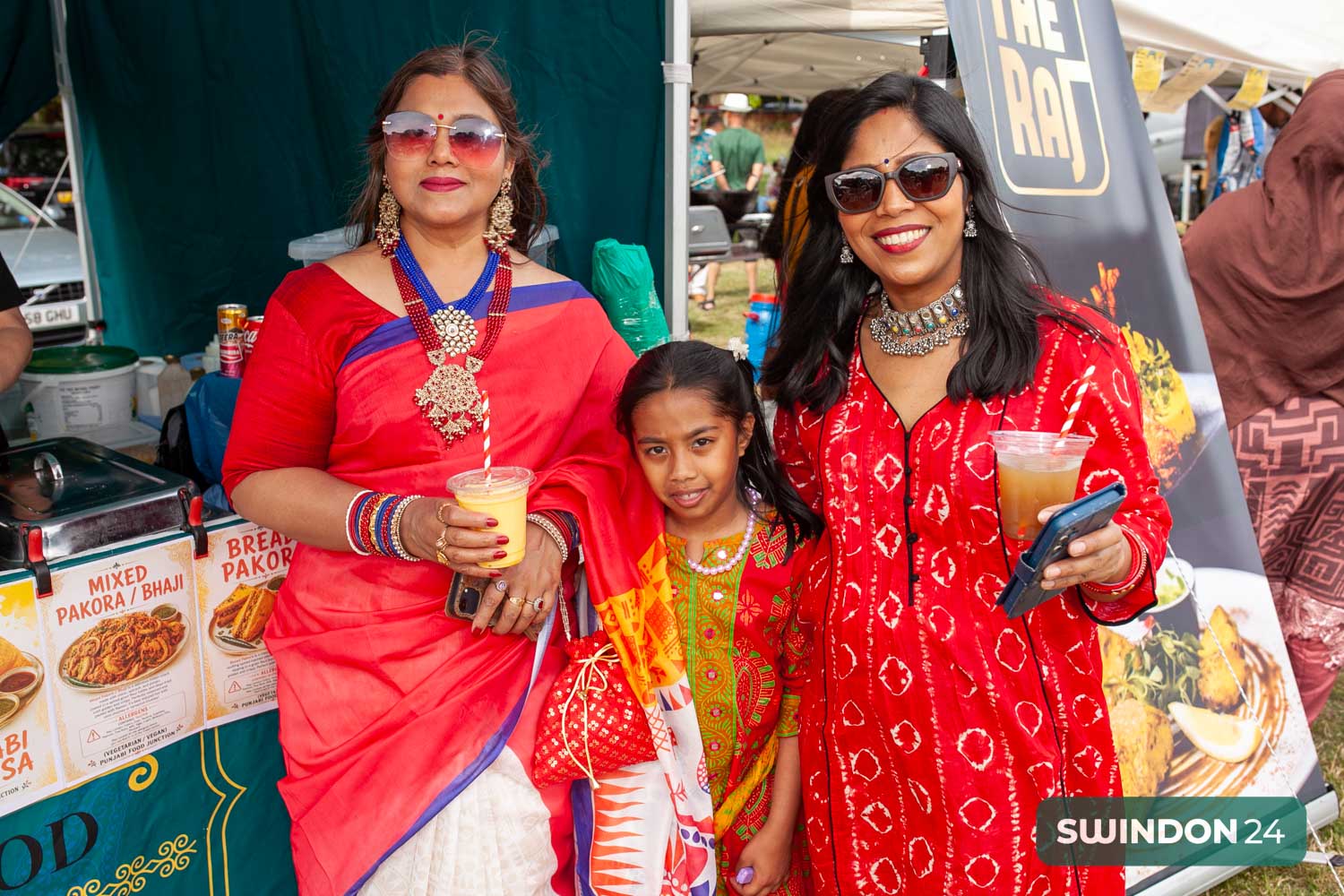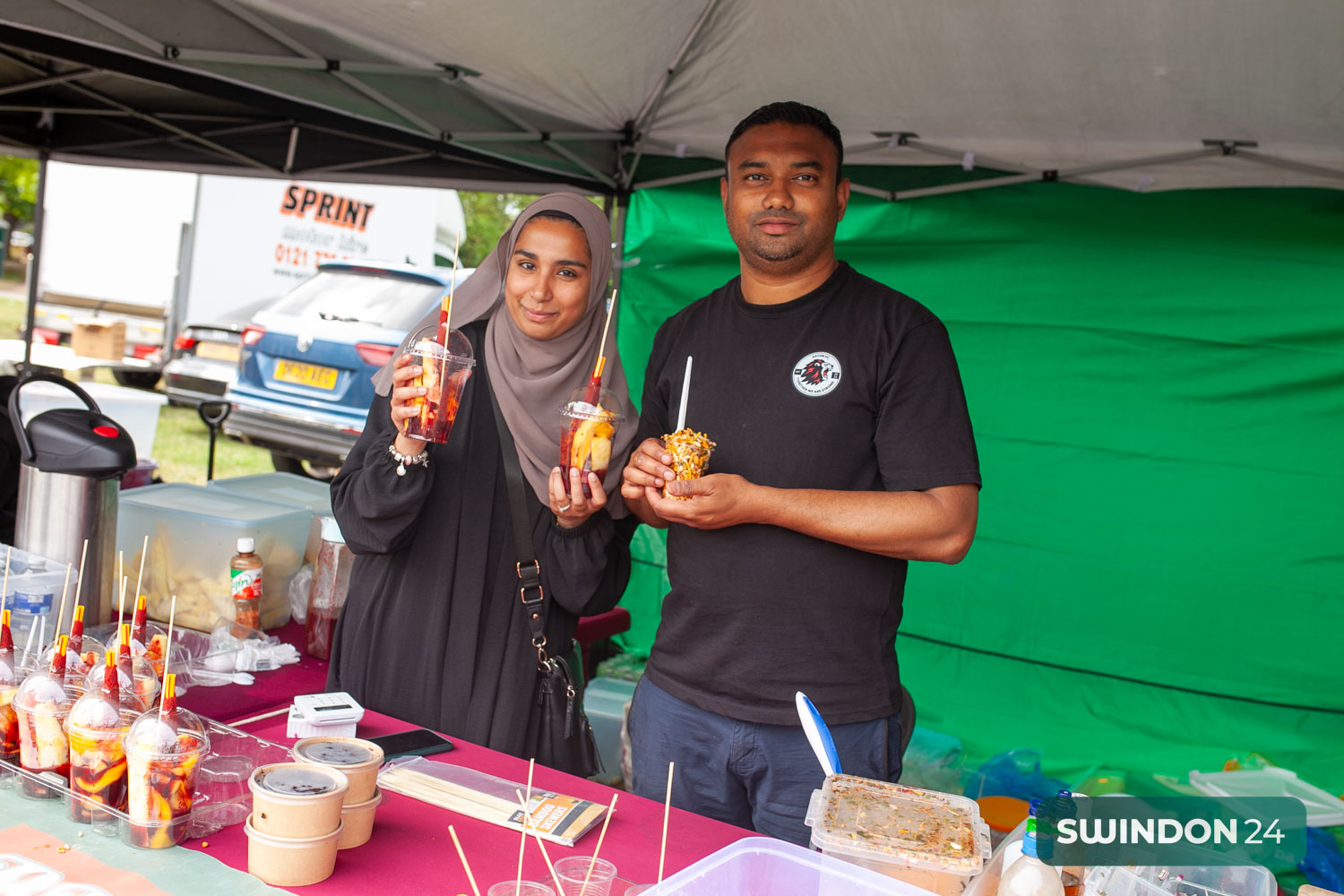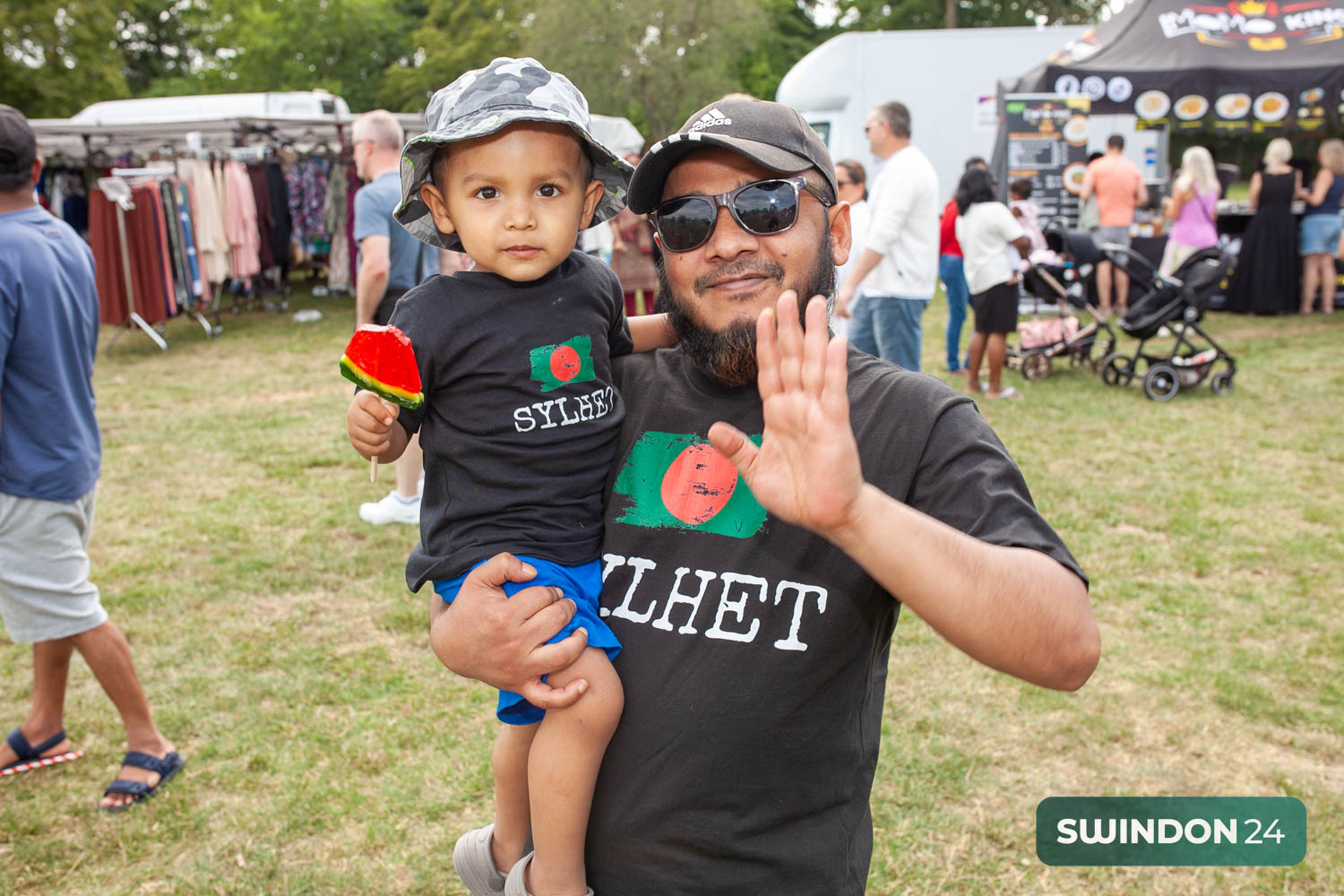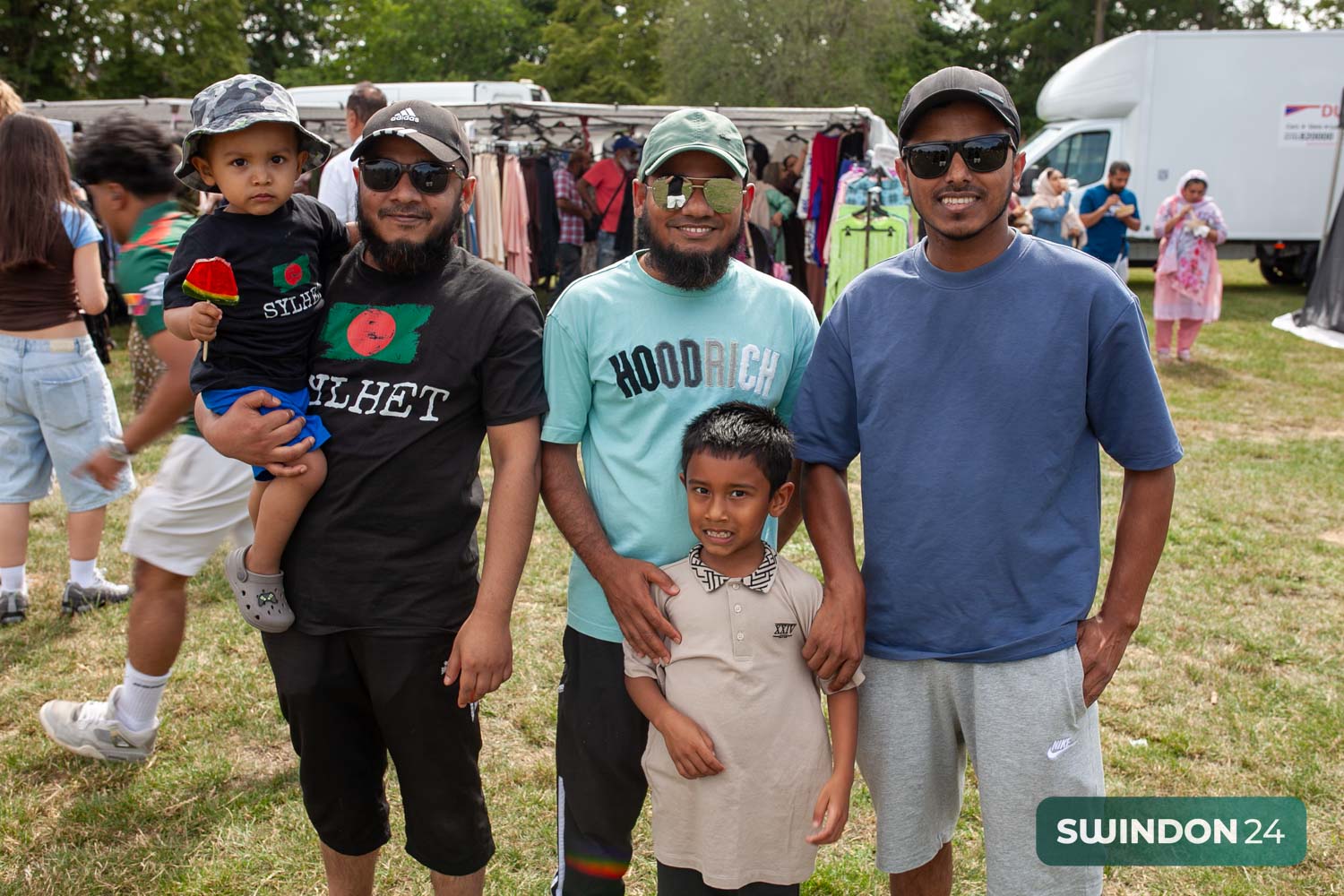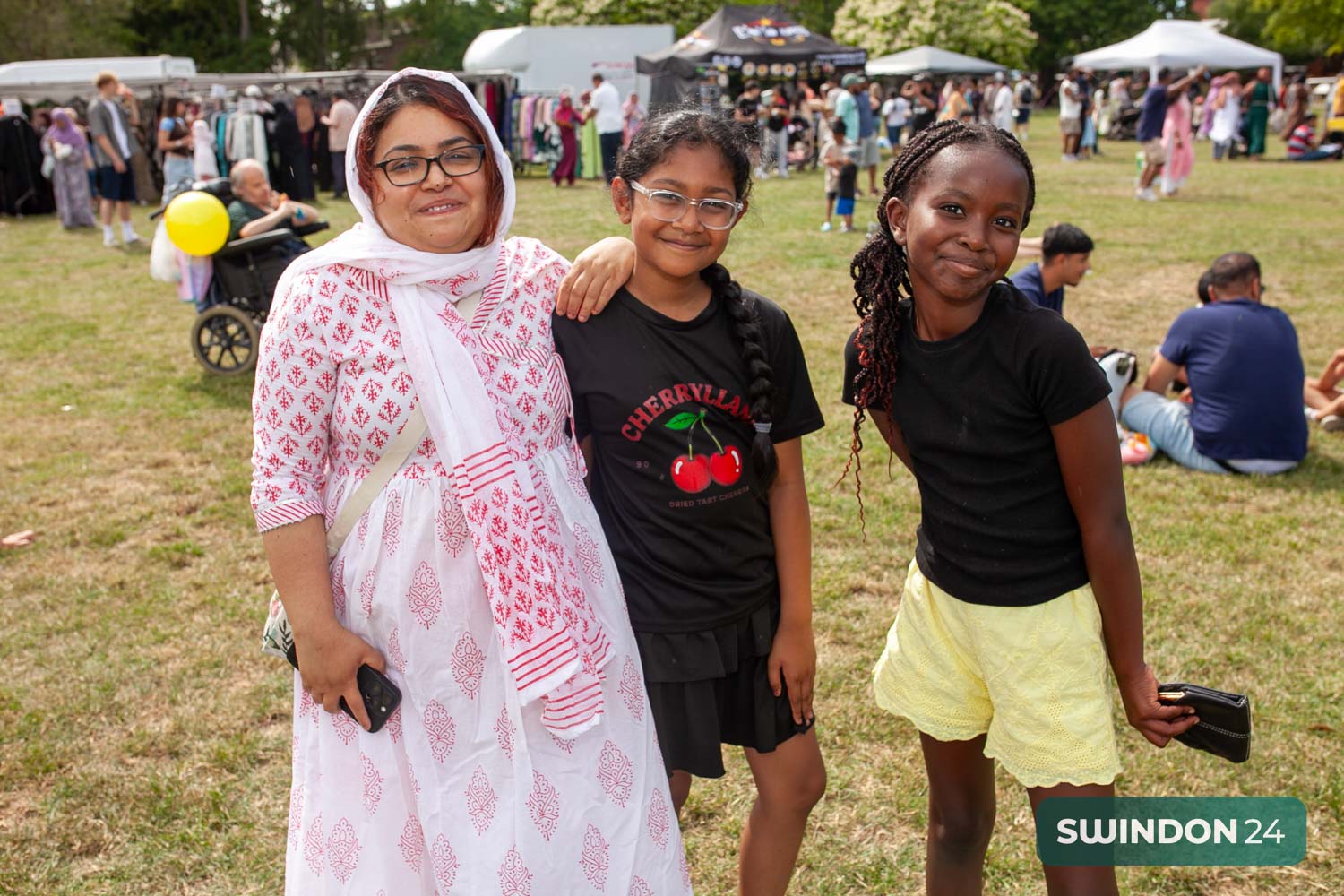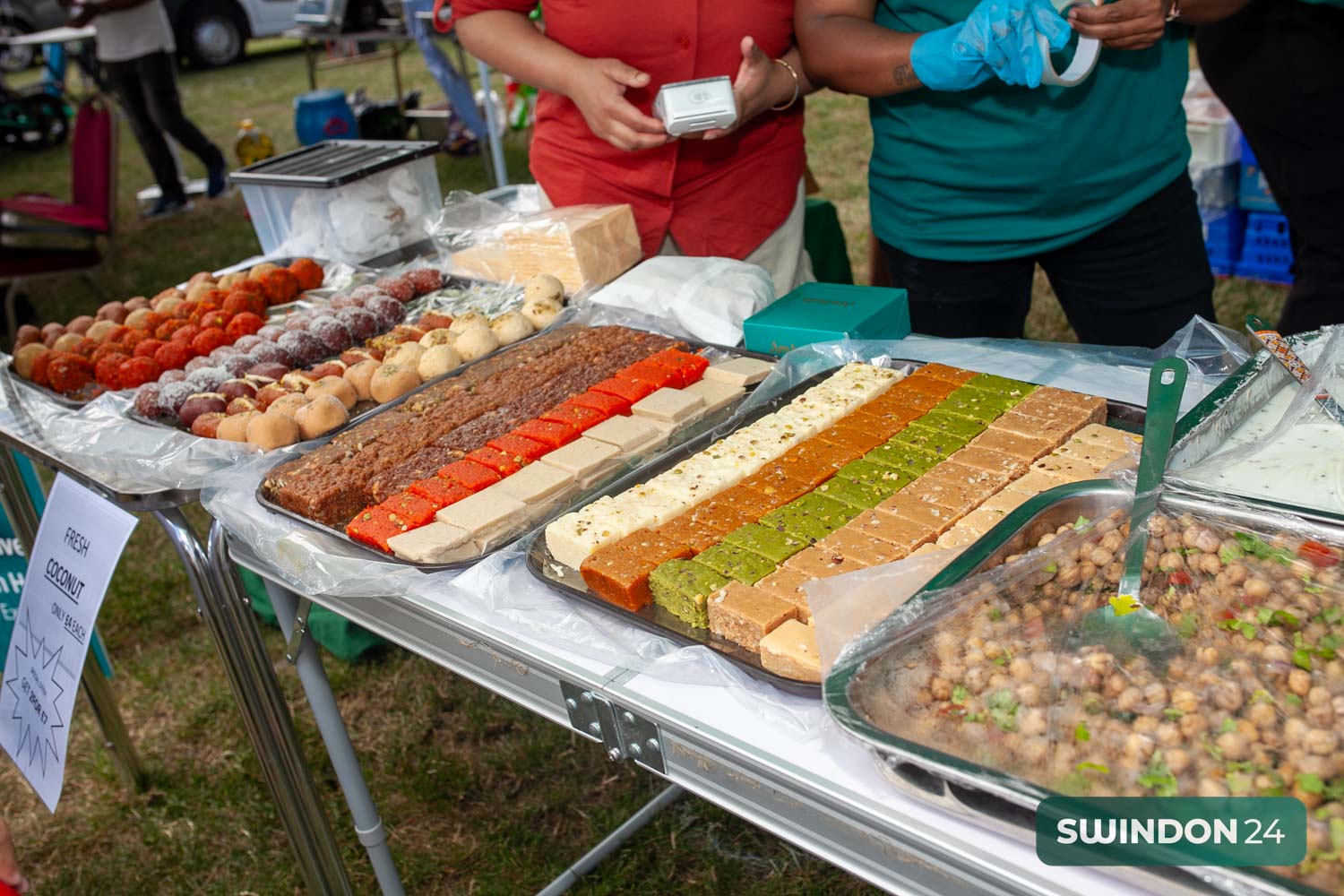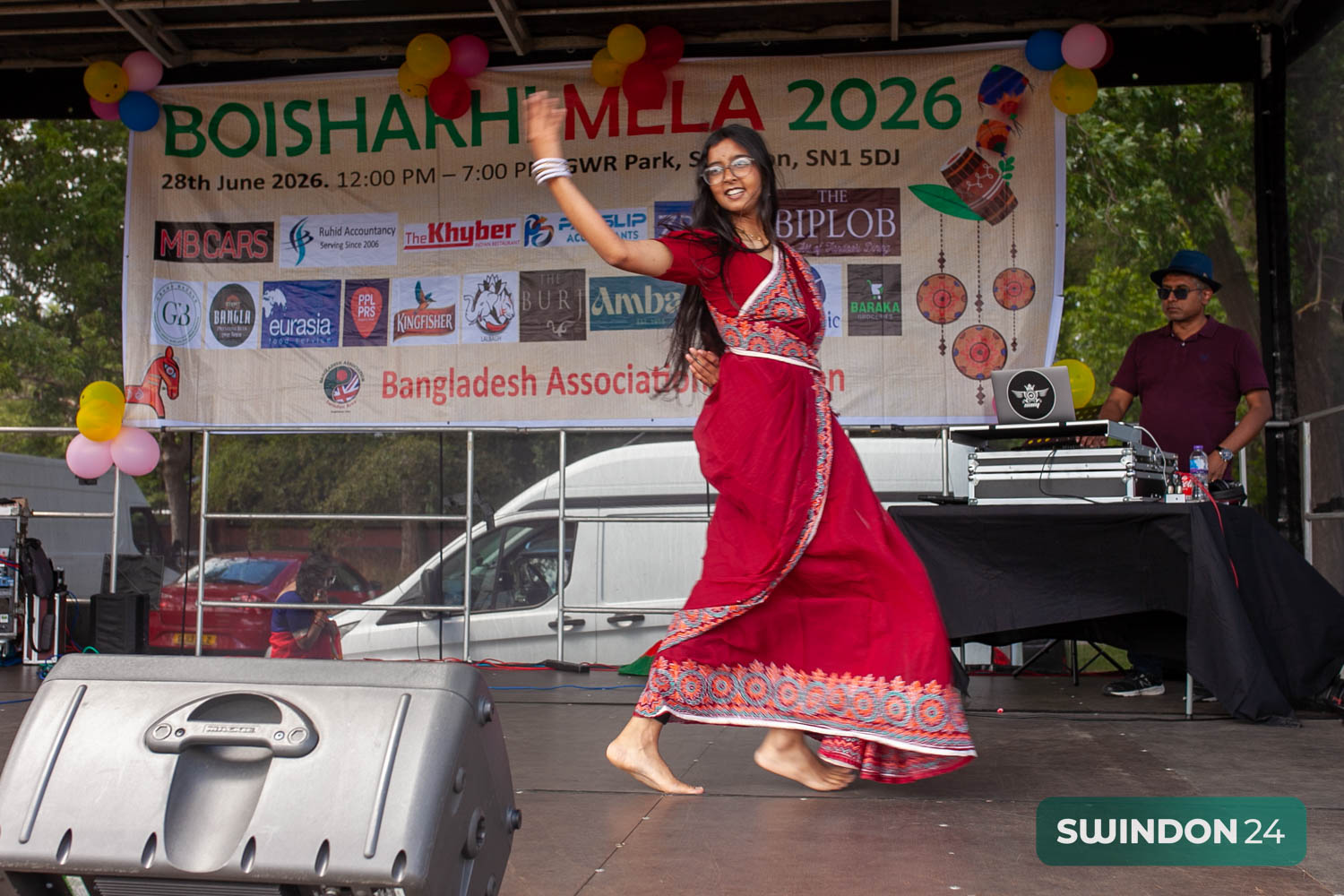

Organised by the Bangladesh Association Swindon, the event marked Pohela Boishakh, the Bengali New Year, with live music, traditional food, children’s entertainment, cultural displays and demonstrations of Bangladesh’s national sport, kabaddi.
Although the Bengali New Year falls in mid April, organisers hold the outdoor festival in late June to make the most of warmer weather. The event has grown beyond a community celebration and now attracts visitors from a wide range of backgrounds to experience Bengali culture and traditions.
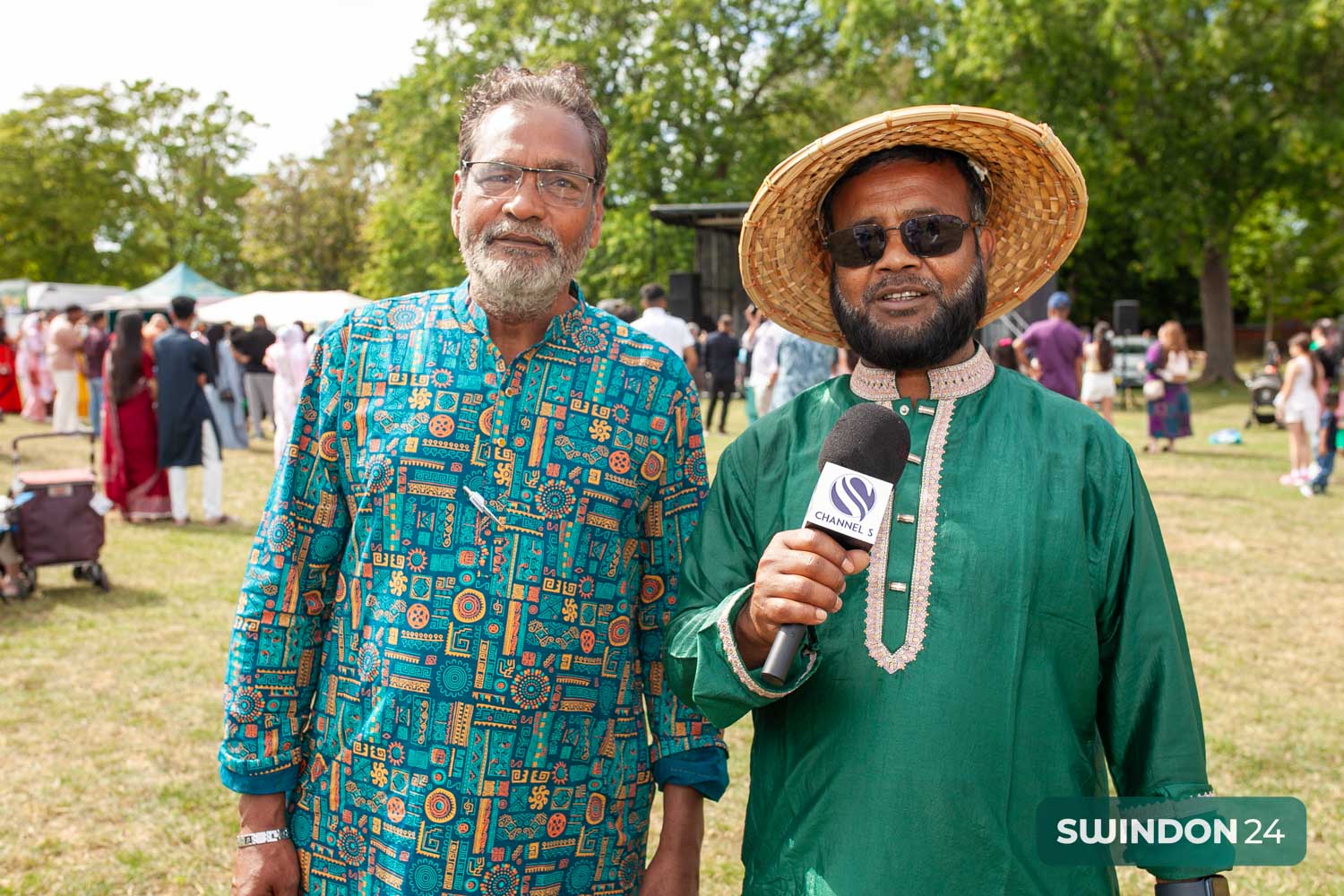
Swindon24’s Junior Reporter Fiona Kirigo spoke to organisers and visitors throughout the day.
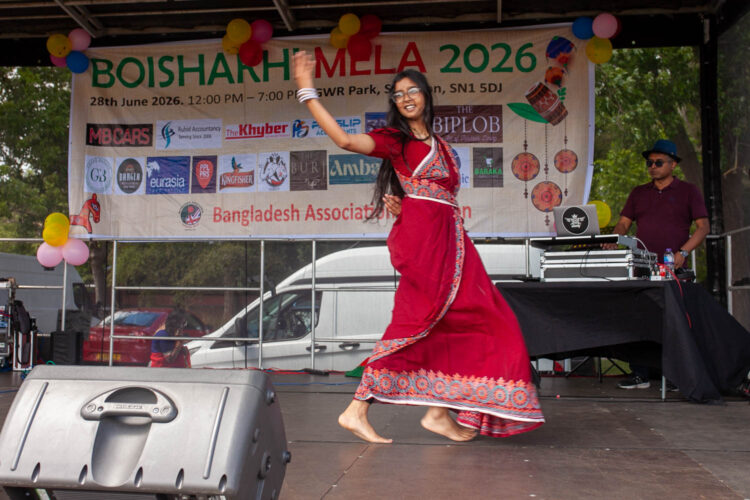
Amirul Haque Bablu, one of the organisers, said the festival helps preserve Bengali culture for younger generations.
“We get together as a community every year. The new generation born in this country doesn’t always know our culture, so we want to show them our songs, our food and our traditions.”
He explained that the Mela showcases Bengali music, traditional cuisine and kabaddi, giving visitors the chance to experience parts of Bangladesh’s heritage they may not have encountered before.
Swindon Borough councillor Abdul Amin said the event reflects the town’s diversity.
“While this celebrates the Bengali New Year, it’s also a multicultural event because Swindon is a multicultural town. The aim is to bring people from all different backgrounds together so we can understand and explore each other’s culture.”
He added that organisers hope to attract even greater representation from communities across Swindon as the festival continues to grow.
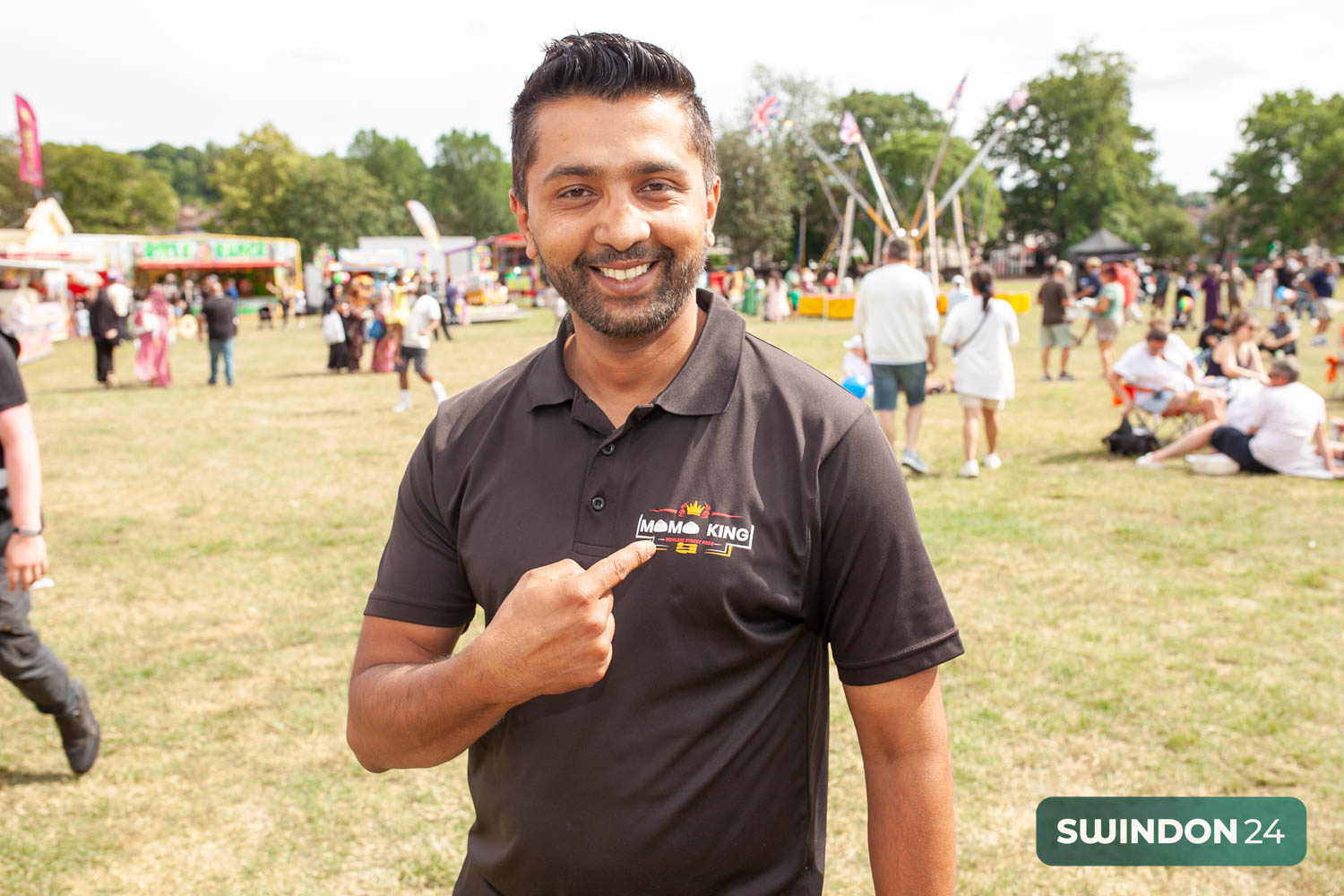
Visitors from Bangladeshi, Indian, Pakistani and many other communities spent the afternoon enjoying live entertainment, family activities and a wide range of traditional food.
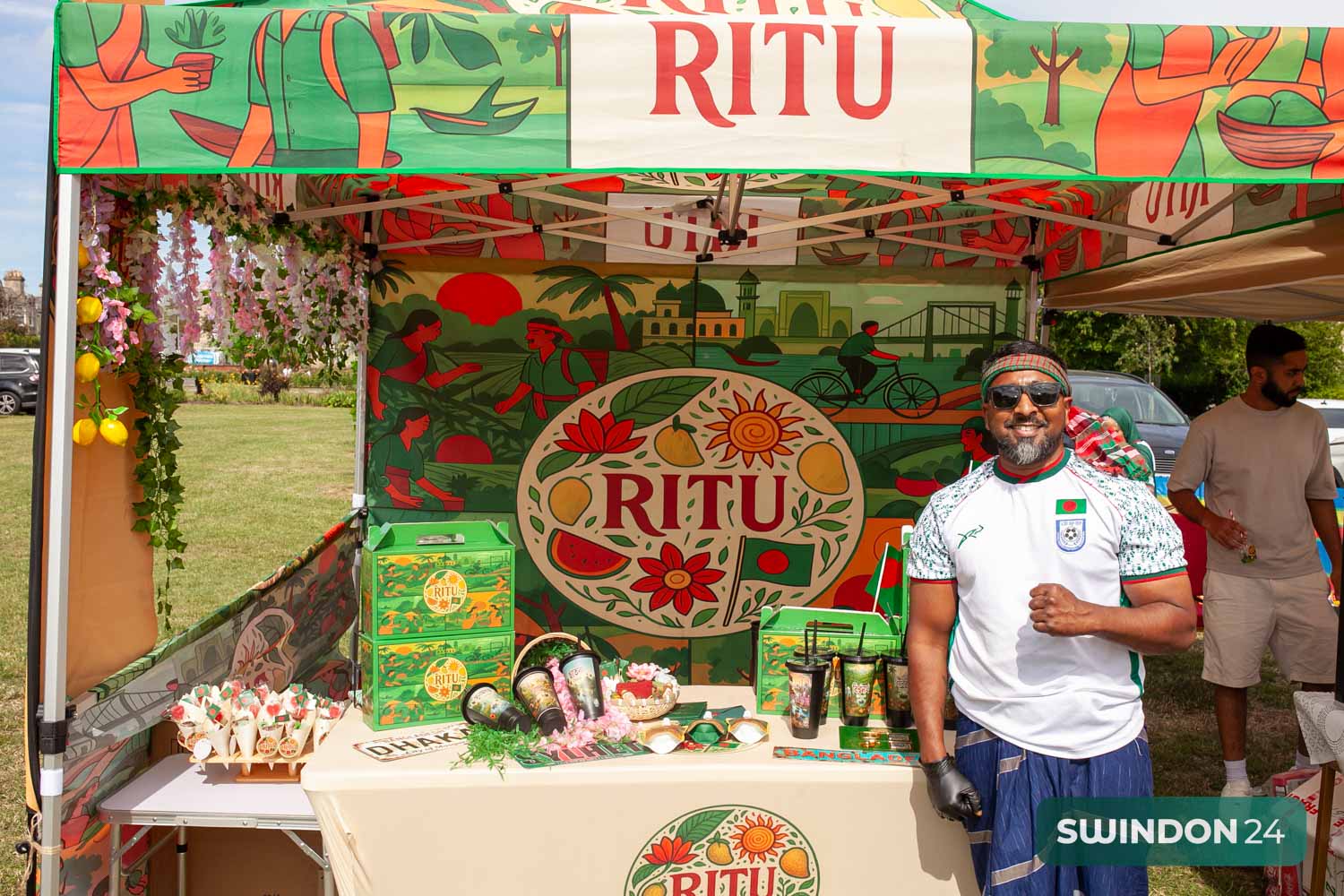
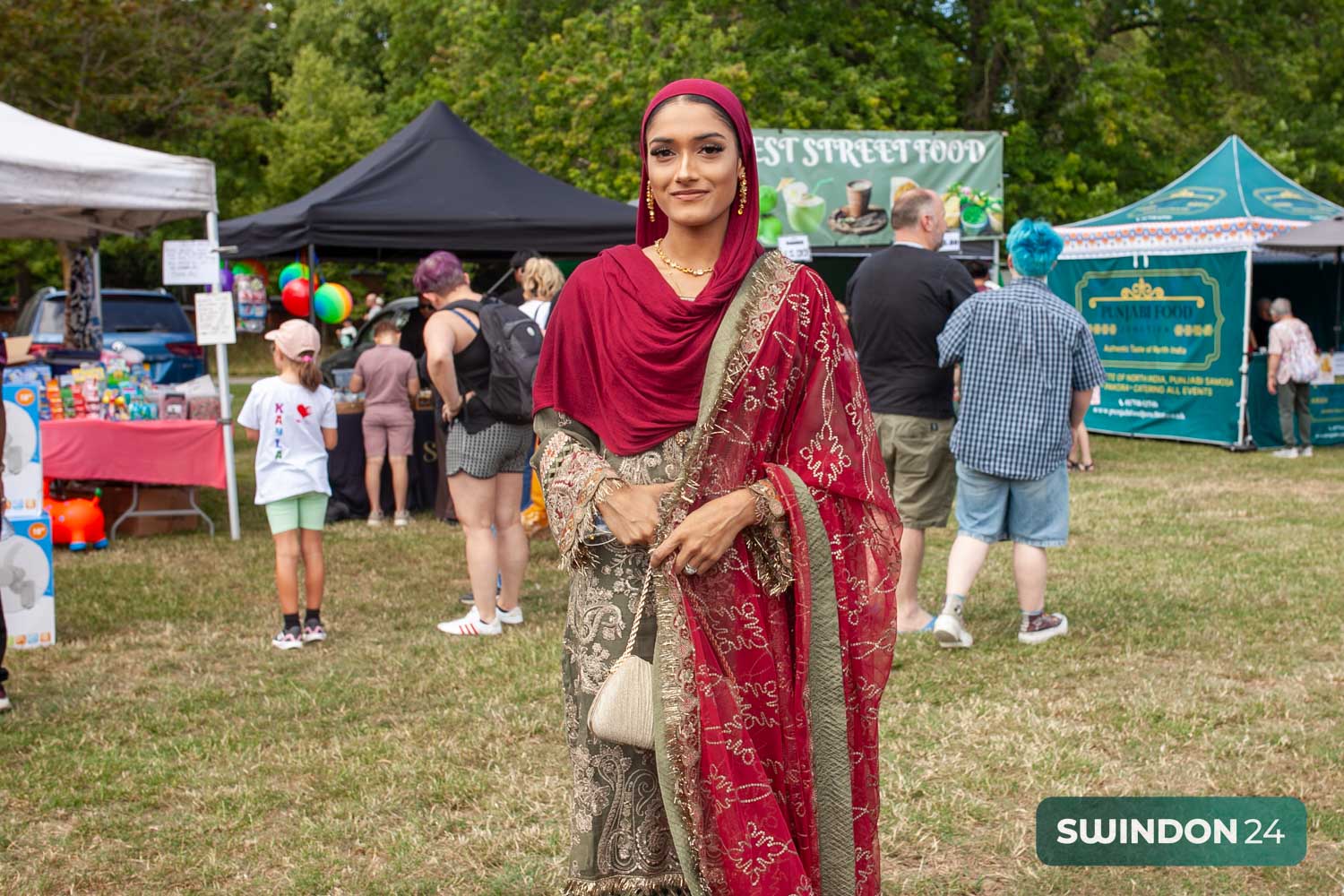
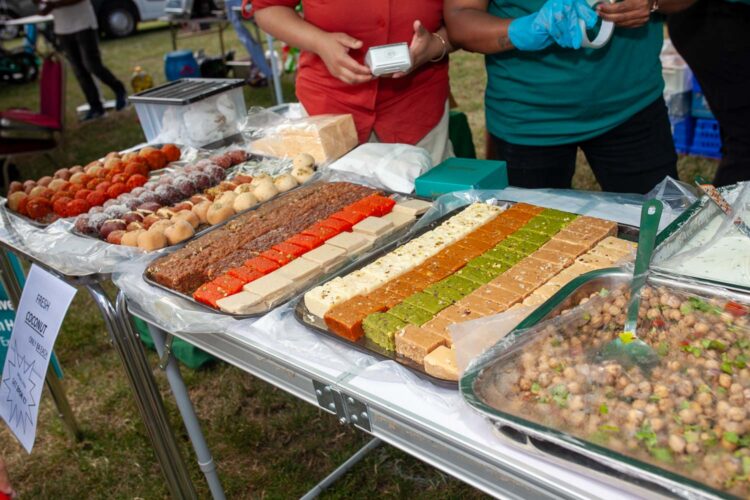
Many praised dishes including biryanis, samosas and pani puri, while others sought out seasonal Bangladeshi mangoes and traditional sweets.
One attendee explained:
“People have travelled from Birmingham and London bringing special foods you can’t normally get. It’s a chance for everyone to try something different.”
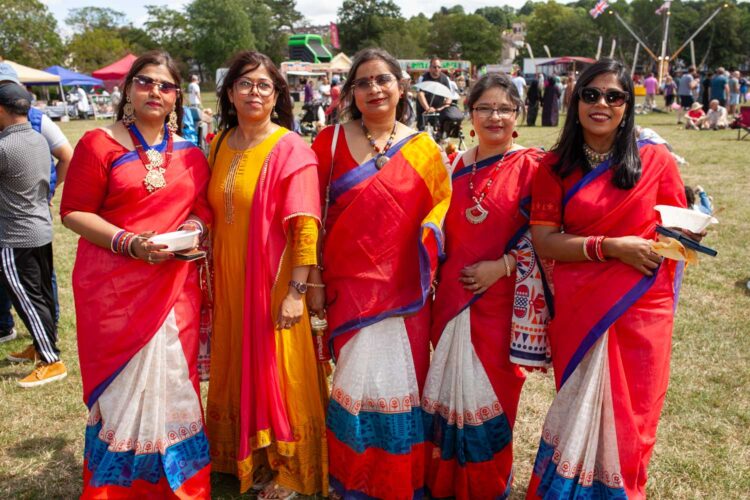
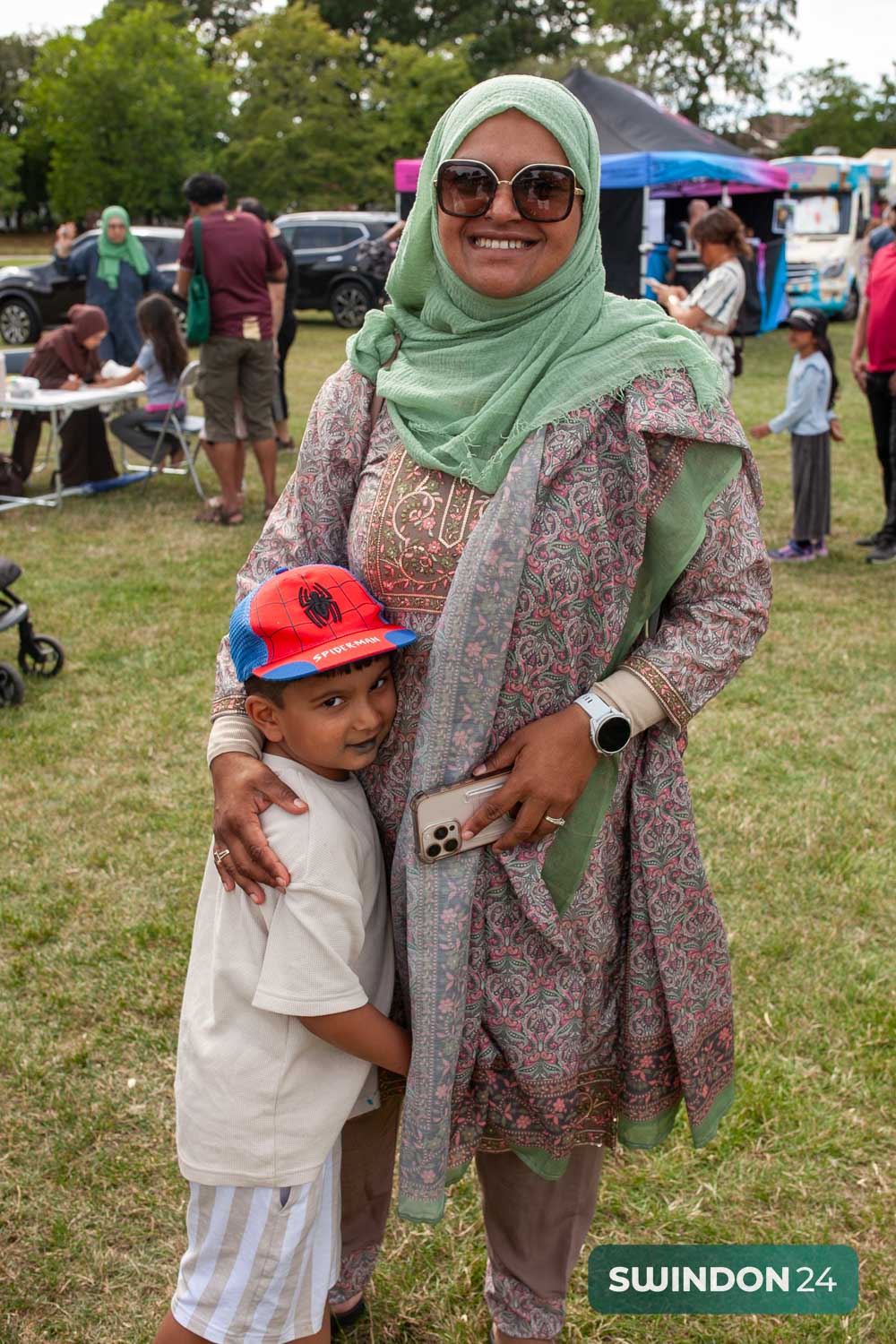
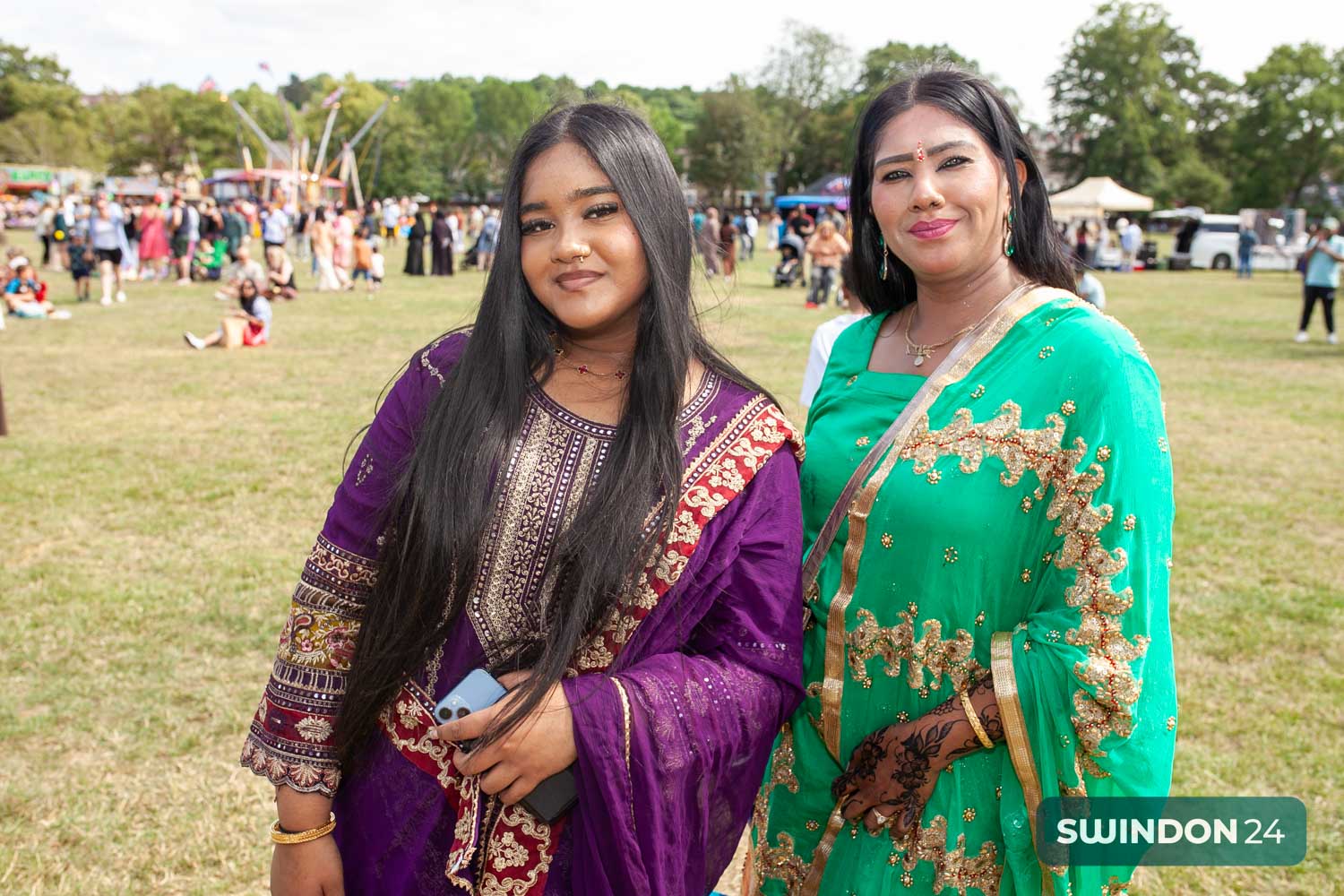
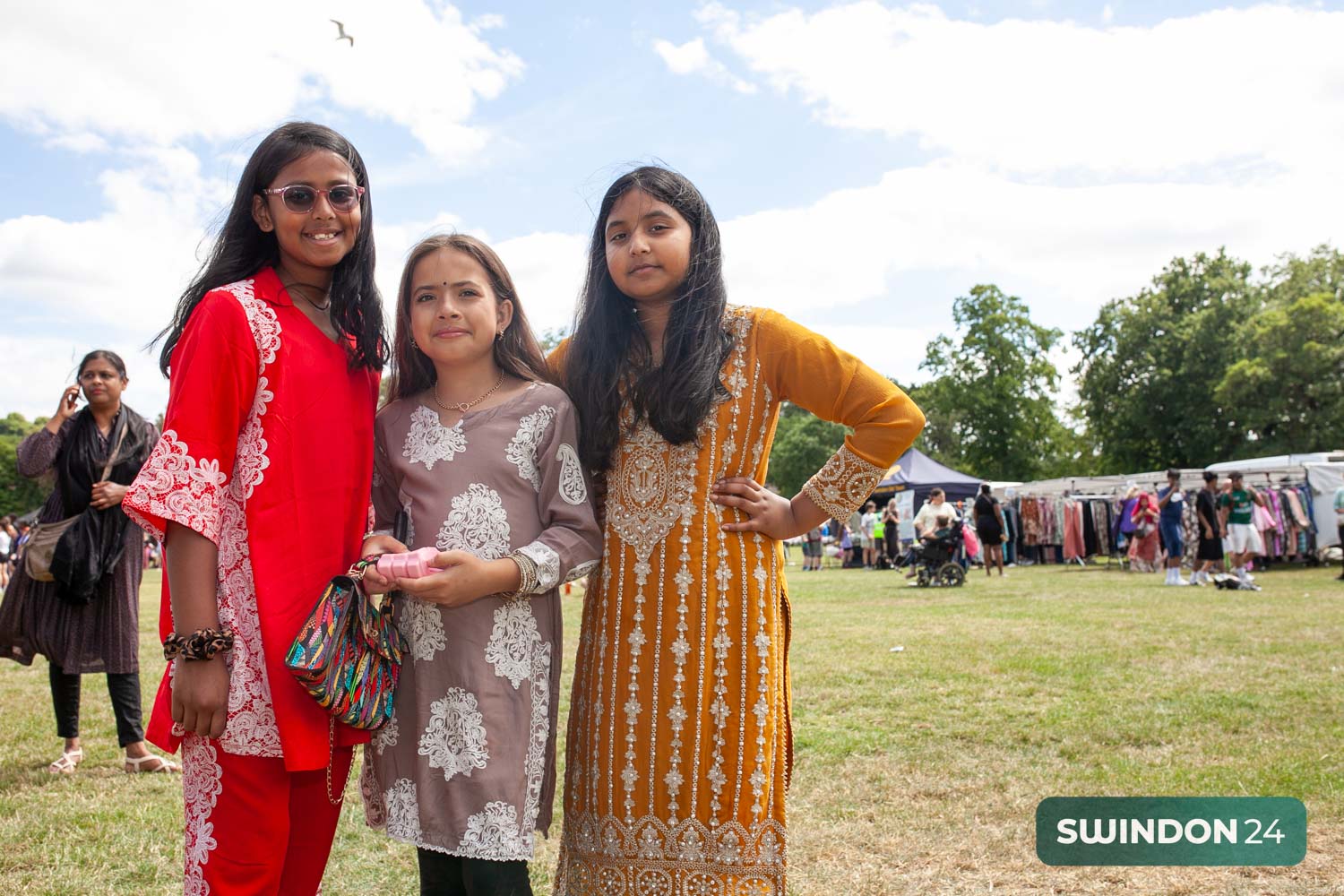
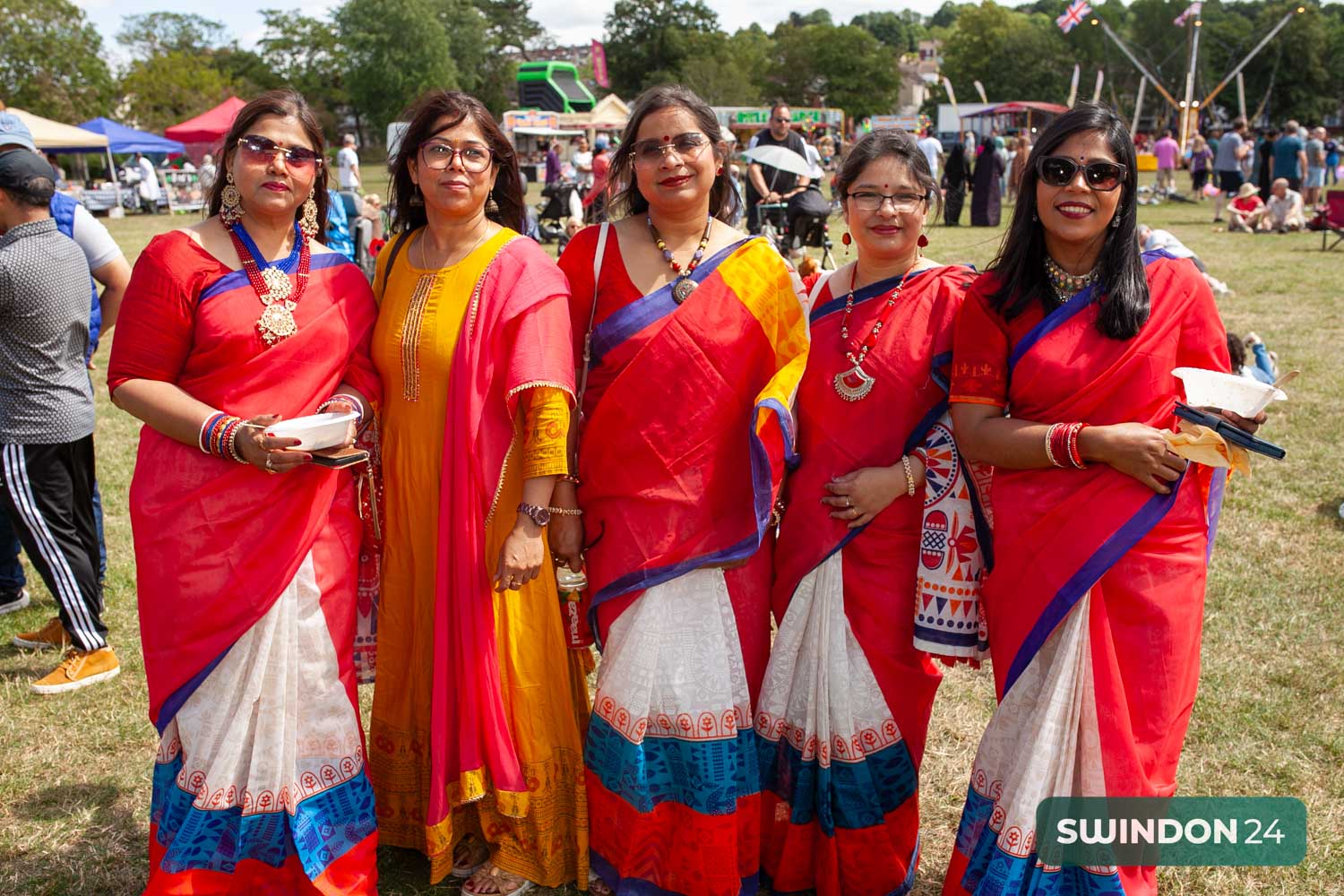
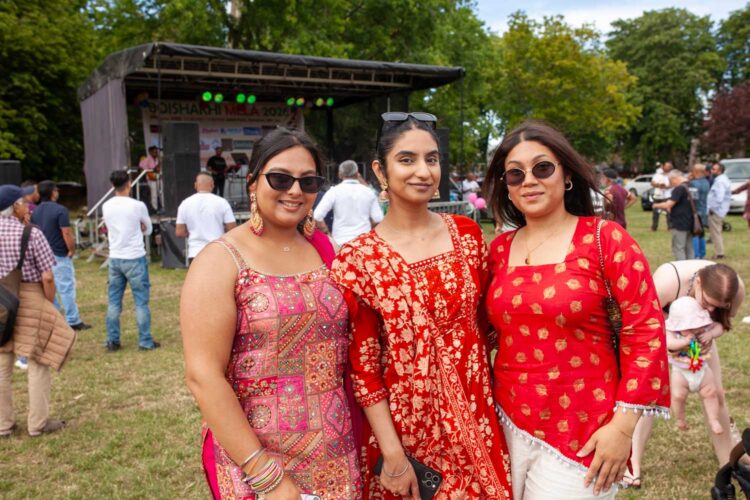
Traditional clothing also featured prominently throughout the celebration, with many families wearing colourful saris and Bengali dress.
One visitor said:
“It’s important because we can enjoy our culture with other people, and our children can learn about the music, the food and our traditions.”
She added that the event gives families an opportunity to proudly wear traditional clothing while sharing their culture with the wider community.
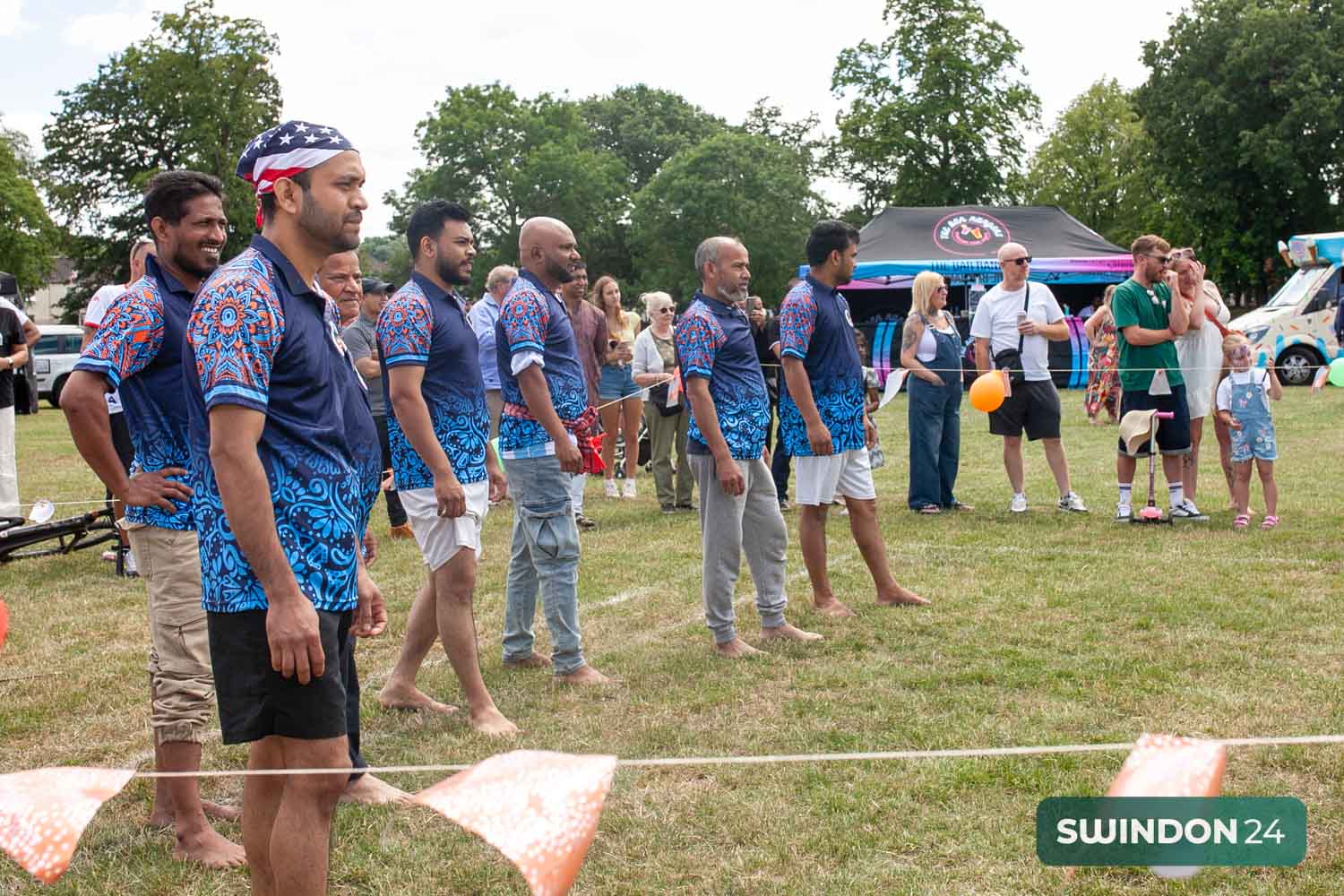
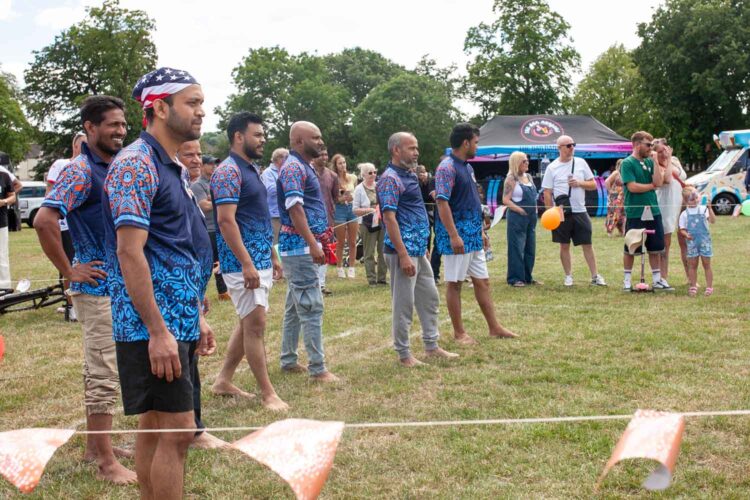
Crowds also gathered to watch kabaddi, Bangladesh’s national sport, as teams competed in the fast-paced matches.
For many spectators, it was their first opportunity to watch the traditional game.
Community advocate Repi Begum said events such as the Boishakhi Mela help strengthen relationships between different communities.
“It’s about celebrating life and new beginnings. It wasn’t advertised for one particular community, it was simply saying, ‘Come and join us.’ You’ve got music, traditional games, children’s activities and food, so there’s something for everybody.
“When people come out to events like this they experience a new culture. They taste a new culture. People are helping each other and you realise we’re all one community. It breaks down those barriers.”
She said seeing people from a wide range of backgrounds enjoying the event together highlighted the positive impact of Swindon’s diversity.
With attendance increasing year after year, the Boishakhi Mela has become an established fixture in Swindon’s calendar, bringing together communities through food, music and shared cultural experiences.
Full gallery