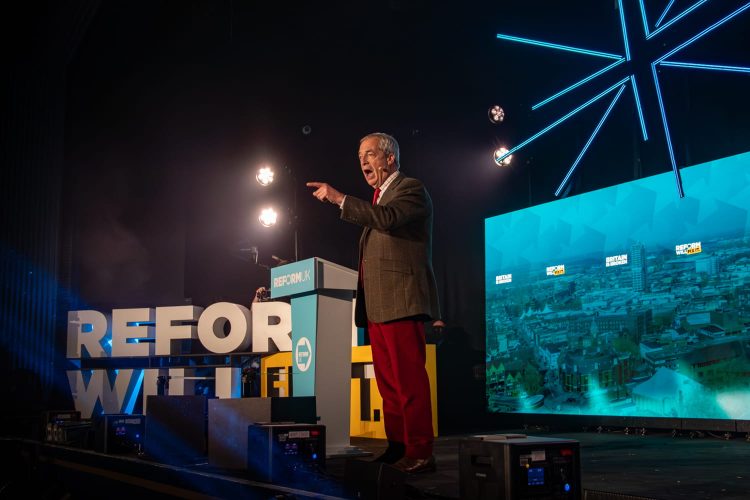

But Britain’s main political parties did not stand against the Reform UK leader, and the parliamentary investigation which preceded his resignation has now resumed following his return to the Commons.
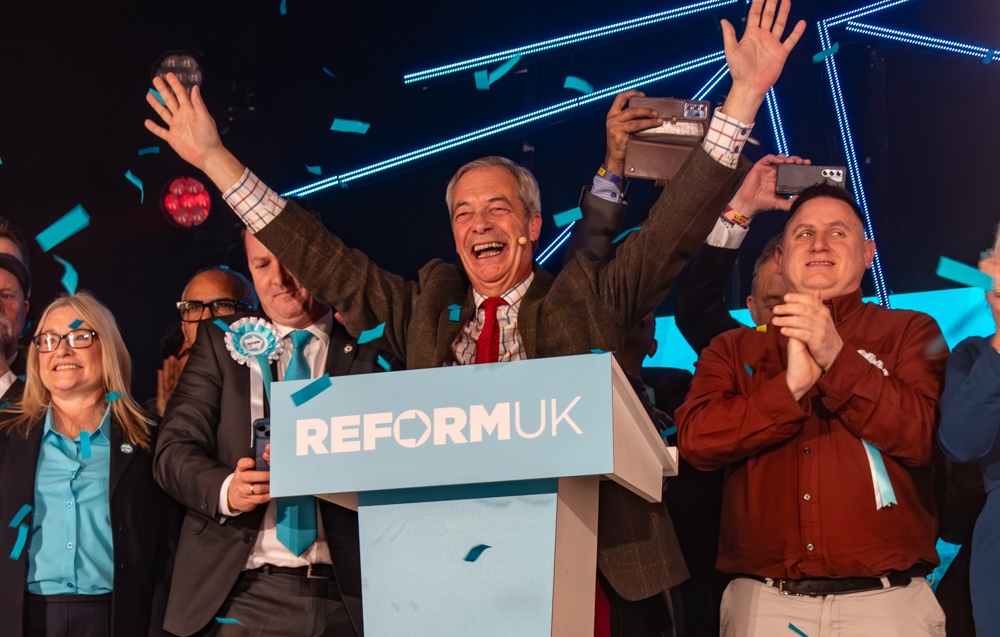
Farage secured 22,239 votes in the extraordinary contest, representing 63.34% of votes cast.
Satirical candidate Count Binface came second with 9,455 votes, or 26.93%, while the remaining 32 candidates shared less than 10% of the vote.
Farage won by a majority of 12,784 votes and increased his raw vote compared with the 2024 General Election, when he received 21,225 votes. Turnout in Thursday’s by-election was 44.37%.
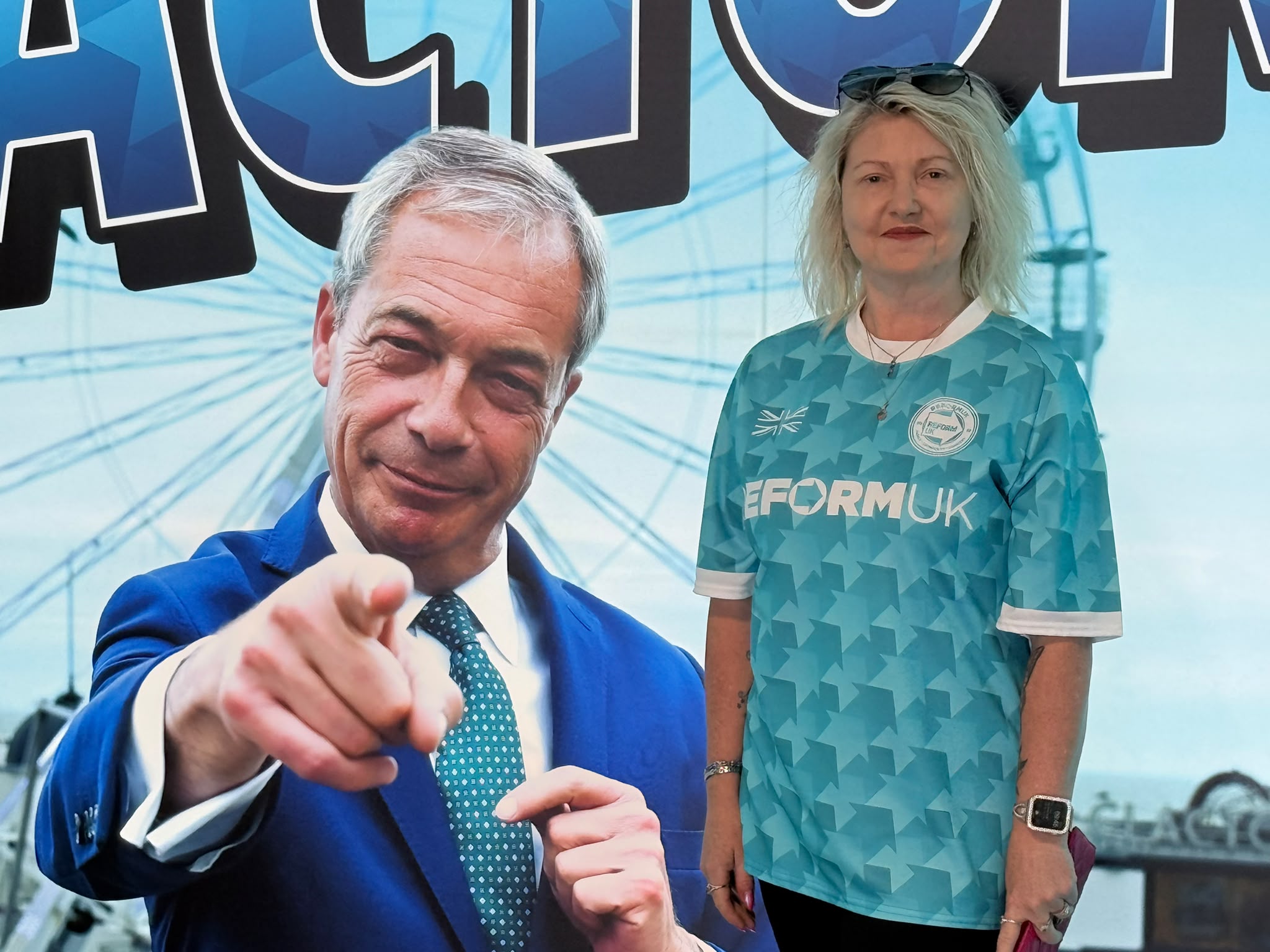
Cllr Sarah Godwin, leader of Reform UK’s 14-strong group on Swindon Borough Council, said:
“Clacton has spoken, the other parties AKA Count Bin Face were miles behind.
“1-0 to Reform UK verses establishment and mainstream media!”
Godwin did not travel to Clacton for the election or attend the overnight count.
Farage voluntarily triggered the by-election after resigning as Clacton’s MP last month amid scrutiny over his financial declarations. He presented the election as an opportunity for his constituents to decide whether they continued to have confidence in him.
However, Labour, the Conservatives, Liberal Democrats and Greens all declined to field candidates in the by-election. Restore Britain, led by Farage’s former Reform UK colleague Rupert Lowe, also did not stand.
At the 2024 General Election, the four mainstream parties received a combined 24,219 votes in Clacton. The Conservatives secured 12,820 votes and Labour received 7,448, but their previous supporters had no candidate representing those parties on Thursday.
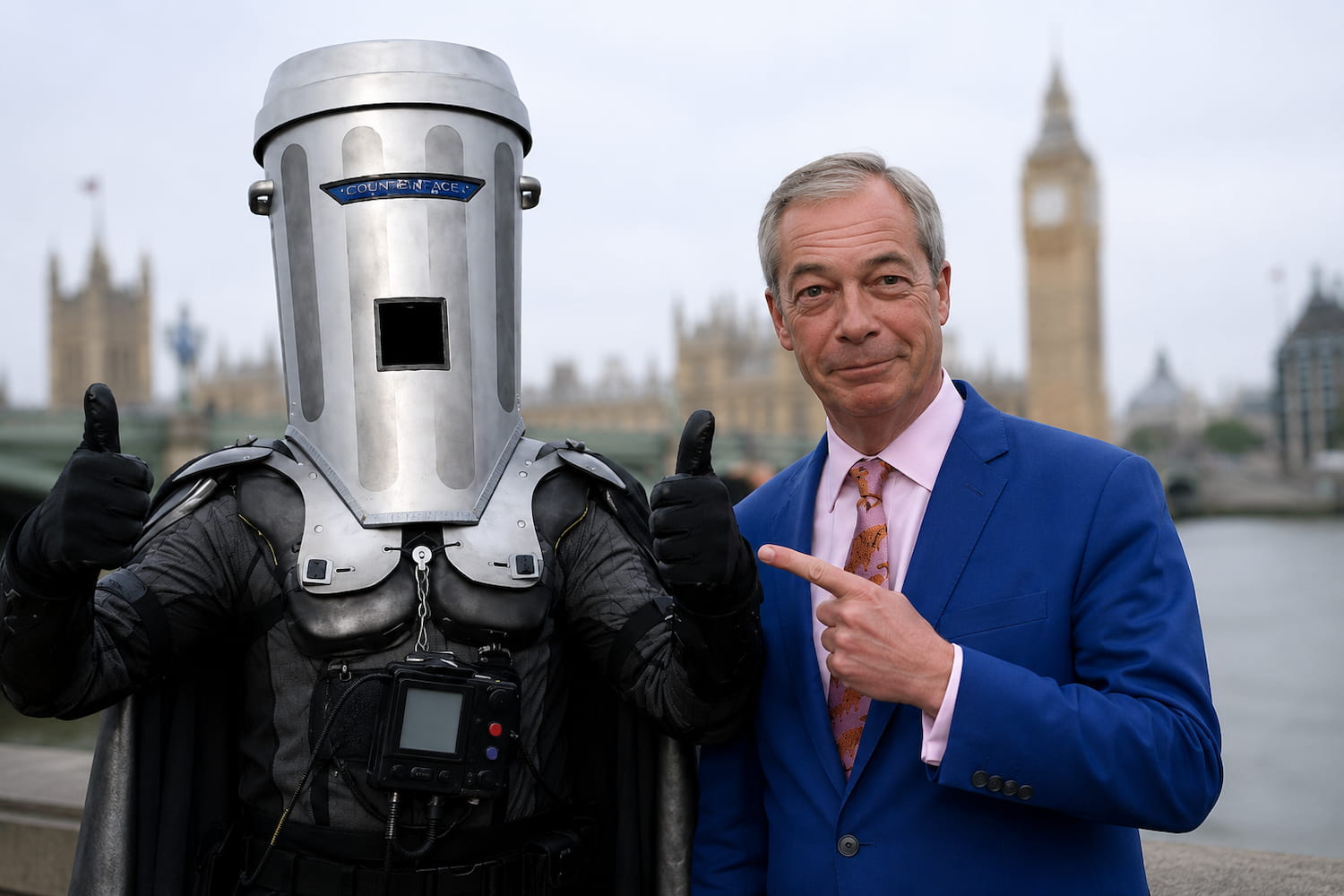
Count Binface instead became Farage’s closest challenger, taking more than one in four of all votes cast. Despite the lower turnout, Farage increased his personal vote by 1,014 compared with the General Election.
Attention will now turn to the cost of the by-election and the investigation which was suspended when Farage ceased to be an MP.
Estimates reported before polling day suggested administering the election could cost the public around £200,000 or more, with one inflation-based estimate putting the potential figure at about £275,000. The final cost has not yet been established.
Farage previously offered for Reform UK to meet the cost, but election administration is funded through public money under the existing system.
Official returns detailing how much Reform UK and Farage’s campaign spent on the contest have also not yet been published. His previous Clacton campaign faced questions over election expenditure following the 2024 General Election.
Former Reform councillor and campaign team member Richard Everett made allegations about whether all relevant expenditure had appeared in the official return.
Reform denied wrongdoing and the Electoral Commission subsequently said it had not identified grounds requiring it to open its own investigation. Farage’s latest campaign spending return is yet to be published.
Meanwhile, the Parliamentary Commissioner for Standards investigation which was suspended following Farage’s resignation has returned to active status after his re-election.
The investigation concerns Farage’s financial declarations, including whether he should have declared a £5 million gift from businessman and cryptocurrency investor Christopher Harborne.
The Commissioner was also examining whether Farage should have declared support received from his friend George Cottrell, who has a previous fraud conviction. That included the use of a London property and payments towards social media filming.
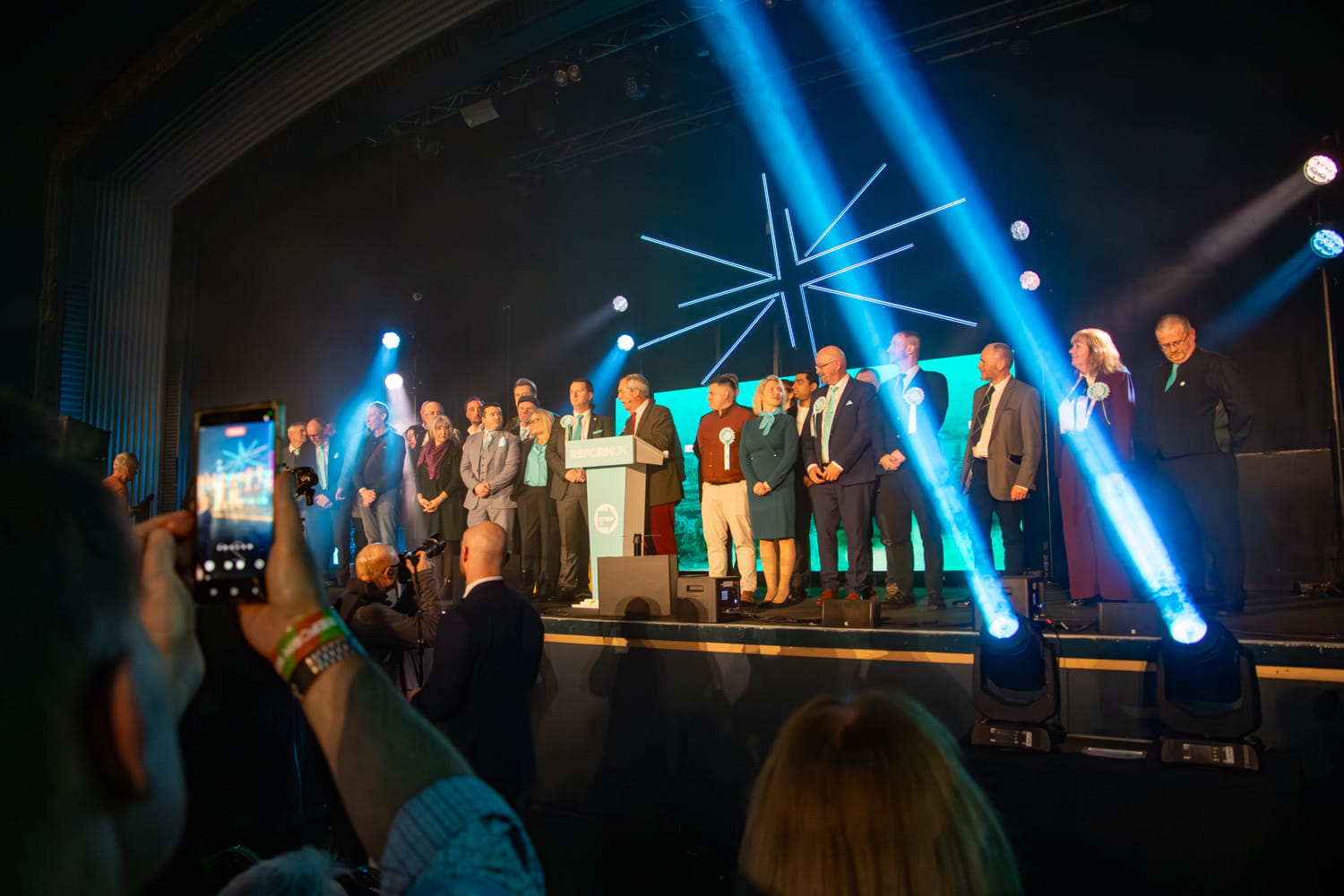
Farage denies wrongdoing and has argued that the Standards process has been used as a political weapon against him. His victory means voters in Clacton have returned him to Parliament with a commanding majority, but it does not determine the outcome of the parliamentary investigation.
If the Commissioner ultimately concludes Farage breached parliamentary rules, any consequences would depend on the findings and sanction imposed but a further by-election would not be automatic.
A suspension from the House of Commons of at least 10 sitting days could trigger the recall process, under which a petition would be opened in Clacton. Another by-election would follow only if at least 10% of eligible constituents signed it.
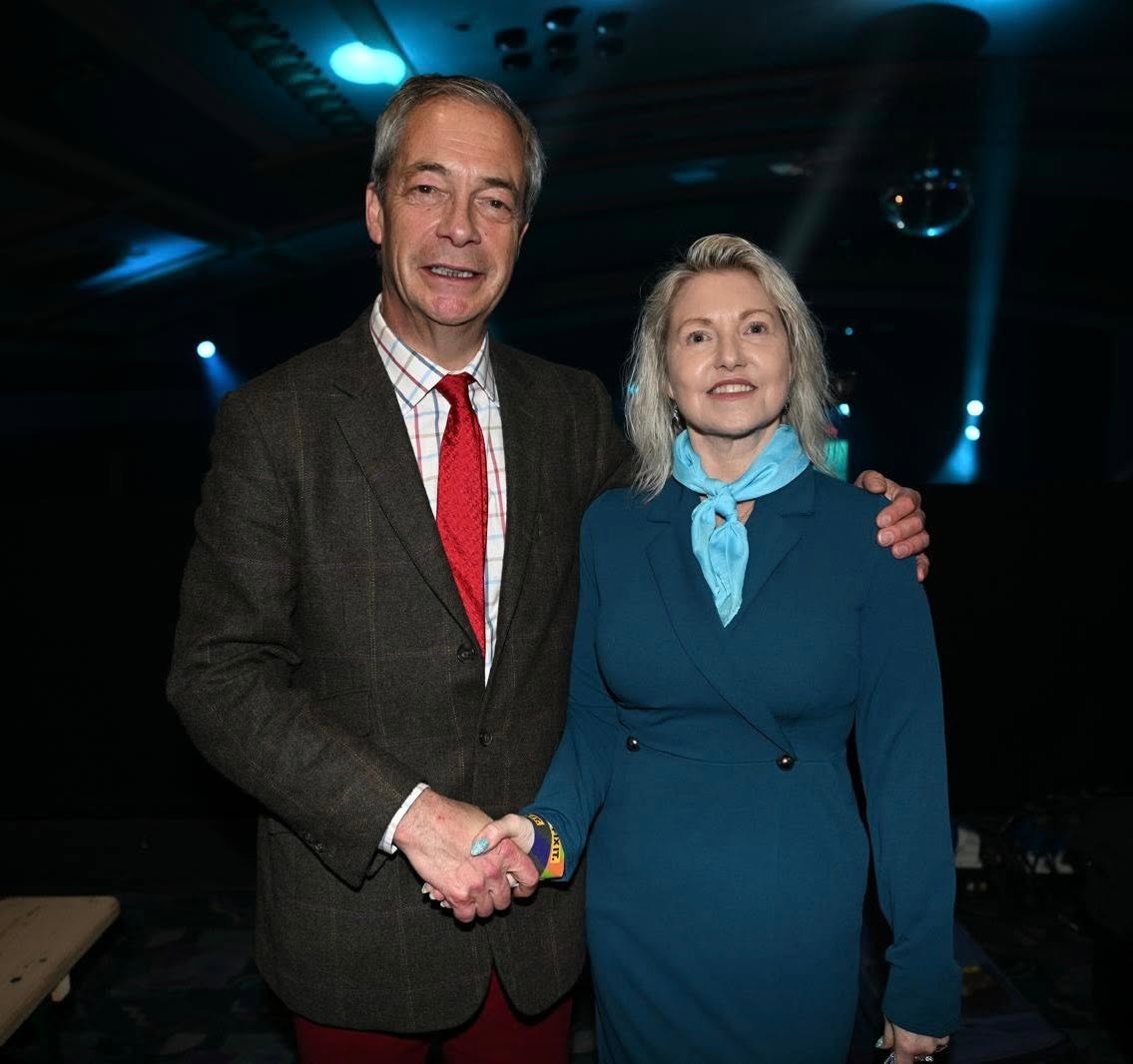
For Reform UK in Swindon, Godwin’s reaction portrays the result as Farage defeating his critics and securing renewed backing from constituents. More than 22,000 people voted for him and his personal vote increased compared with the General Election.
However, the result does not show how Farage would have performed against Labour, the Conservatives, Liberal Democrats or Greens because none fielded a candidate.
The final public cost of the by-election and Farage’s campaign spending also remain to be established. Meanwhile, the parliamentary investigation at the centre of the controversy has resumed following his return to Westminster.