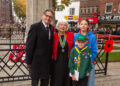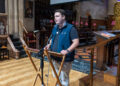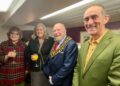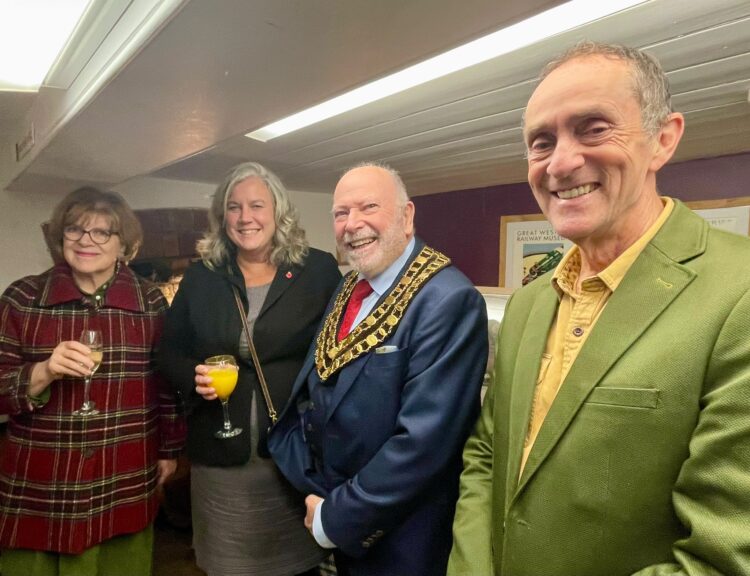

The Richard Jefferies Museum, near Coate Water, celebrated a century since Swindon Corporation purchased the historic site to preserve it for future generations, bringing together volunteers, supporters and local dignitaries for an evening of celebrations.
But while the event marked 100 years of public ownership, attention was firmly on what comes next for the birthplace of Victorian nature writer Richard Jefferies.
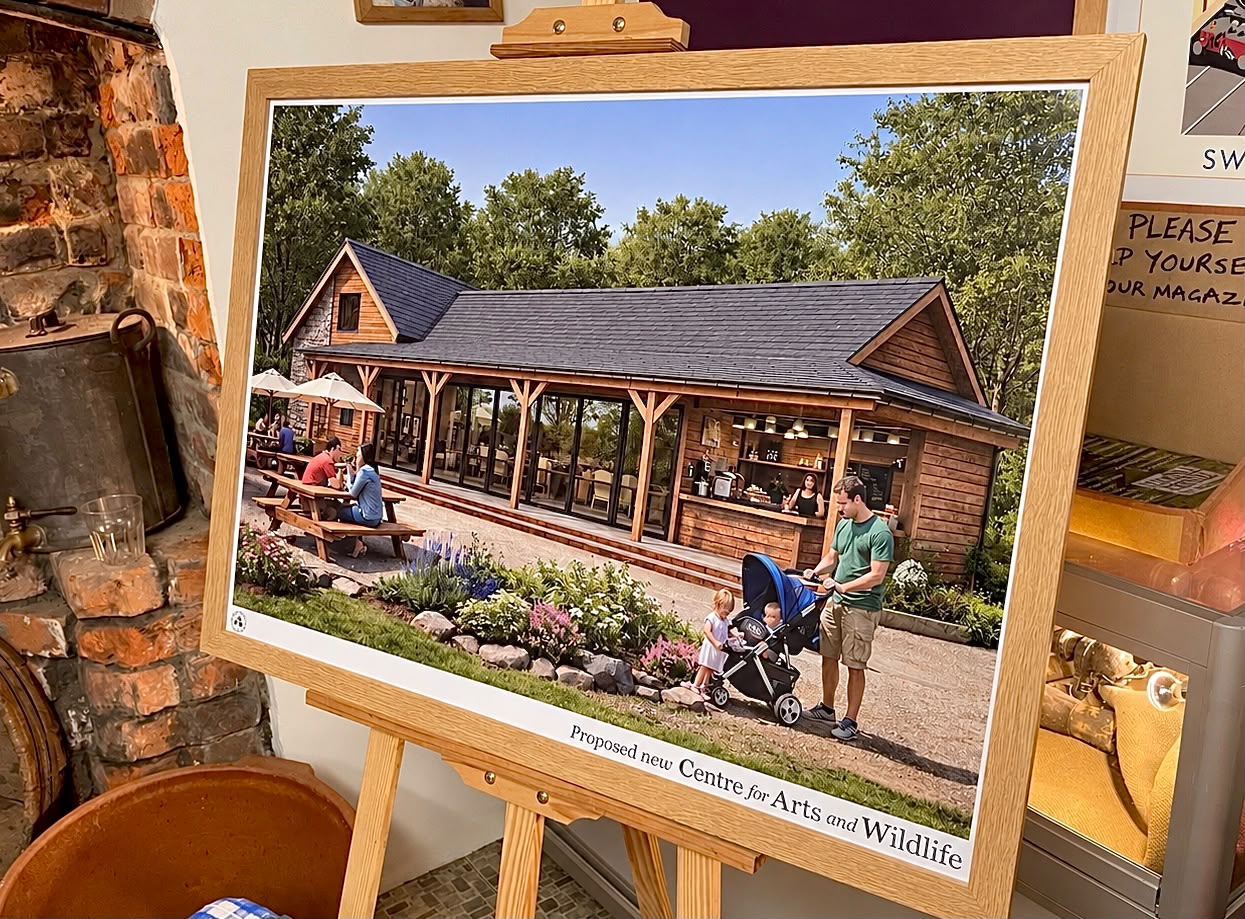
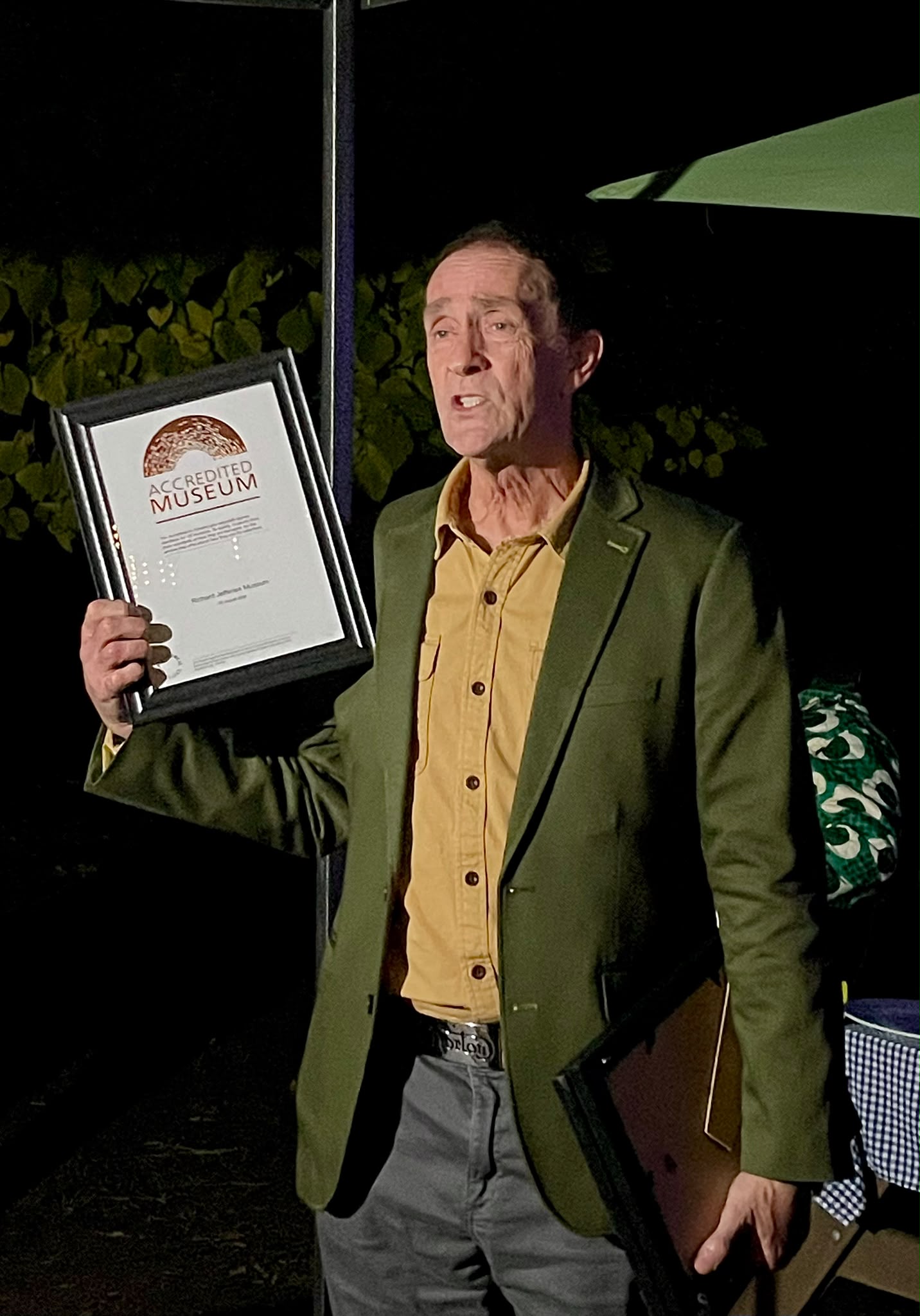
Mike Pringle, who has helped lead the museum’s transformation over the past 15 years, revealed plans for a new centre for arts and wildlife, which would allow the attraction to host activities throughout the year rather than relying on good weather and the availability of volunteers. Speaking to Swindon24, he said:
“We’ve done very well voluntarily, but we are realistic about the fact that we need to step up.
“This place, if it’s going to survive into the long term, it’s got to go at least semi-pro. We’ve got to have staff who are here all the time. We’ve got to have a space where we can have events and activities going on all the time, not just when the weather allows it and when volunteers can afford to be here.”
The museum has grown considerably since its charitable trust took over its running, with Mike estimating that around 150,000 people have visited during that period.
Its programme now extends well beyond traditional museum displays, with live music, family activities, community gatherings and gardens that have become an attraction in their own right.
However, delivering the next stage of its development will require significantly greater financial resources. Mike confirmed that fundraising would now become a major priority, with the museum potentially needing an annual budget running into six figures and beyond to sustain its ambitions.
“We’ve had lots already coming in, bits and pieces here and there, and that’s definitely increasing. But we’re going to really lift that up now,” he explained.
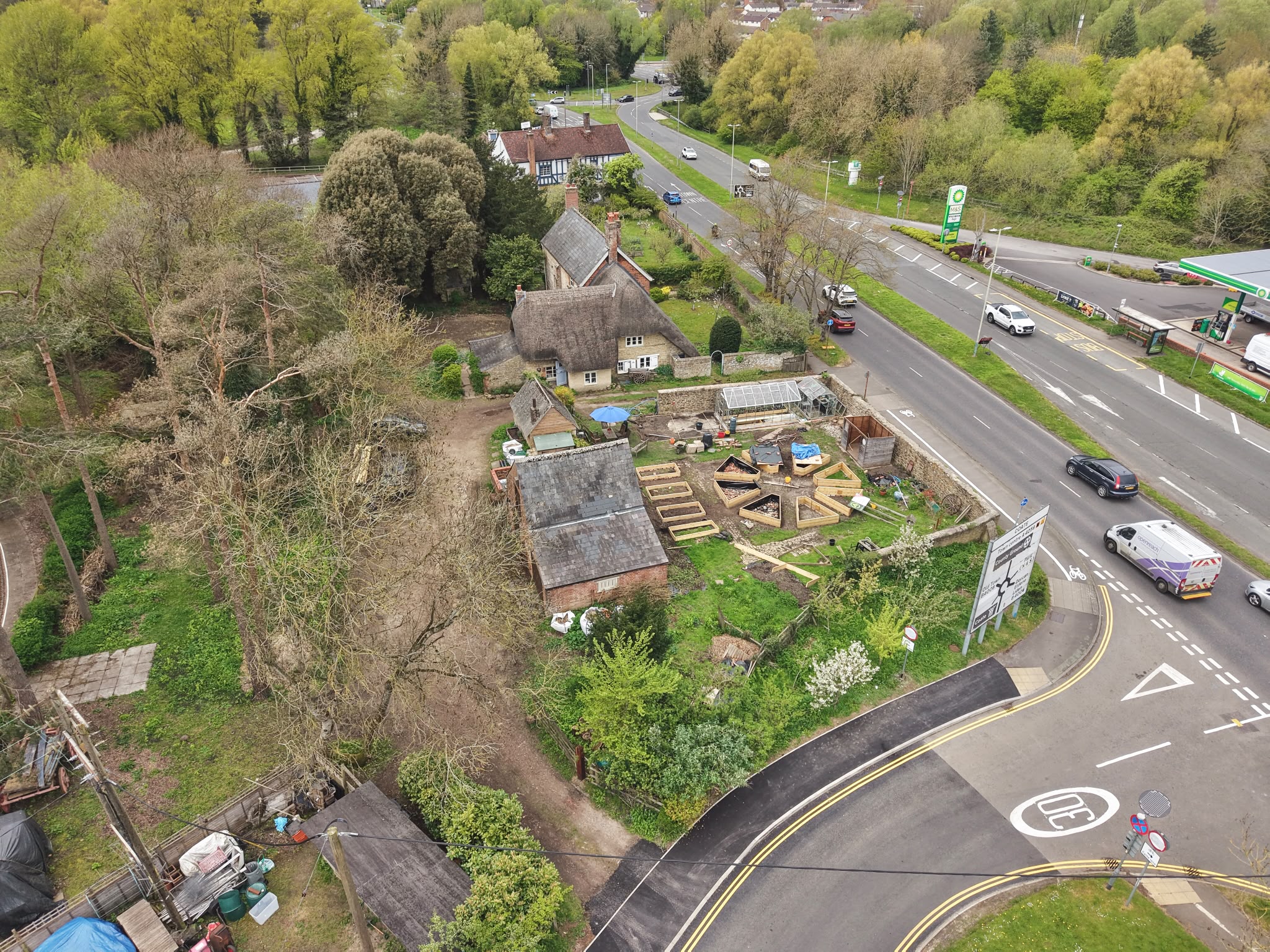
In the meantime, the trust intends to continue improving the existing museum and gardens, preparing the site for the additional facilities. The proposed new building would free up space inside the historic farmhouse for further displays, while the gardens would be developed as a destination in their own right.
The anniversary celebration was attended by the Mayor of Swindon, Councillor Neil Hopkins, who praised the dedication of those responsible for keeping the museum alive.
“It’s all about the volunteers. Mike Pringle and his volunteers are absolutely amazing. The work that they do, day in, day out, year in, year out,” he said.
The Mayor also reflected on the foresight of the town’s civic leaders a century ago, when the site was purchased during the mayoralty of Reuben George.
“Thank God he did, because to be honest, if he hadn’t, it wouldn’t be here today,” he said.
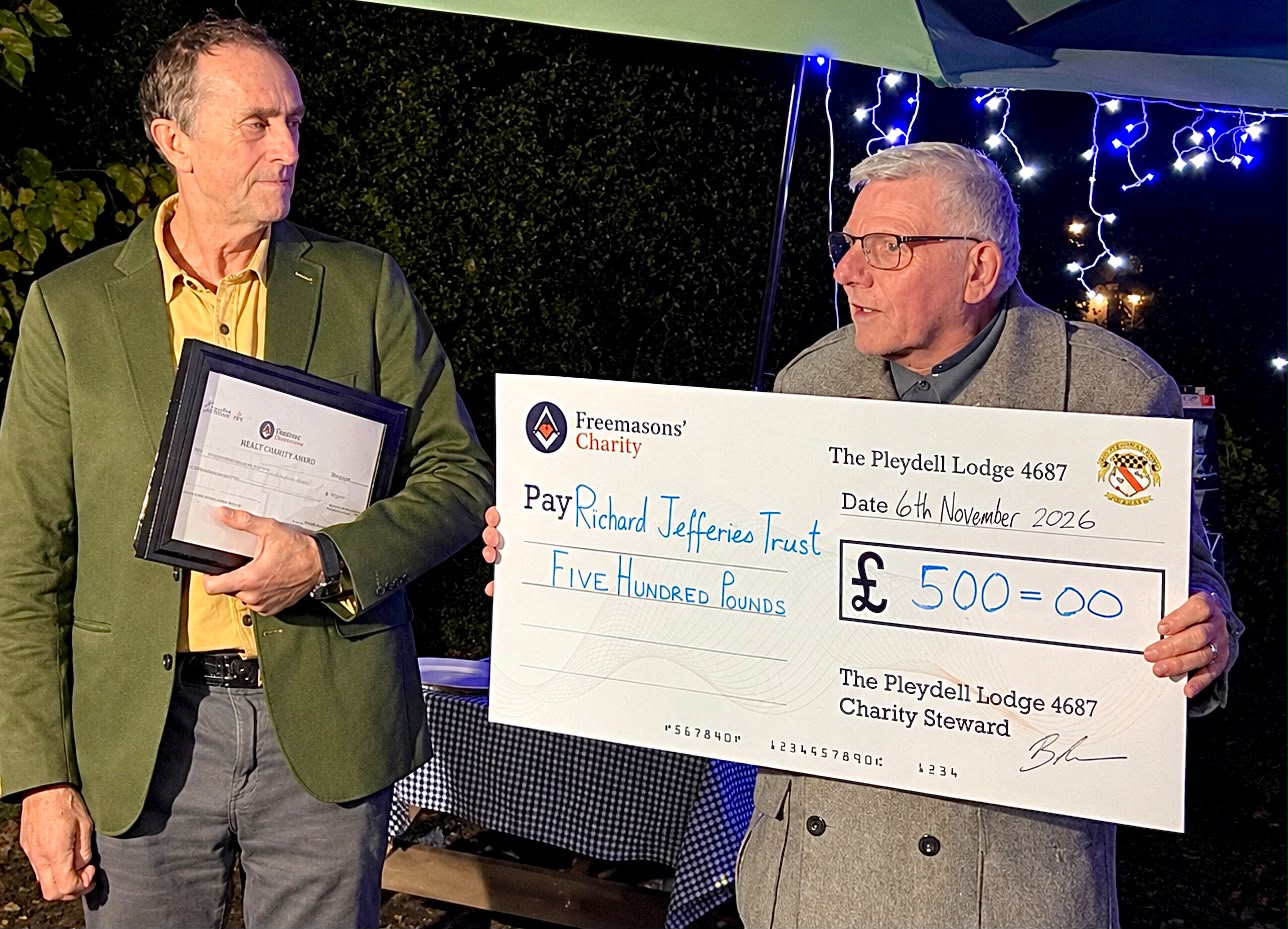
Councillor Marina Strinkovsky described the museum as an important part of Swindon’s heritage.
“It’s a gem in Swindon’s crown. I love it here. This is a very special anniversary. It’s 100 years since Swindon Corporation purchased this site and decided to safeguard it for future generations to commemorate Richard Jefferies, and also just to preserve this beautiful gem of a green space and a garden.”
Dr Rod Hebden suggested the museum remained something of a hidden treasure for many Swindon residents, despite the international reputation of Richard Jefferies.
“We’ve got so many things in and around Swindon that not enough people know about,” he said.
“Whilst a lot of people in Swindon aren’t aware of it, nationally it’s already getting plaudits. So it’s known internationally. Richard Jefferies is known internationally.”
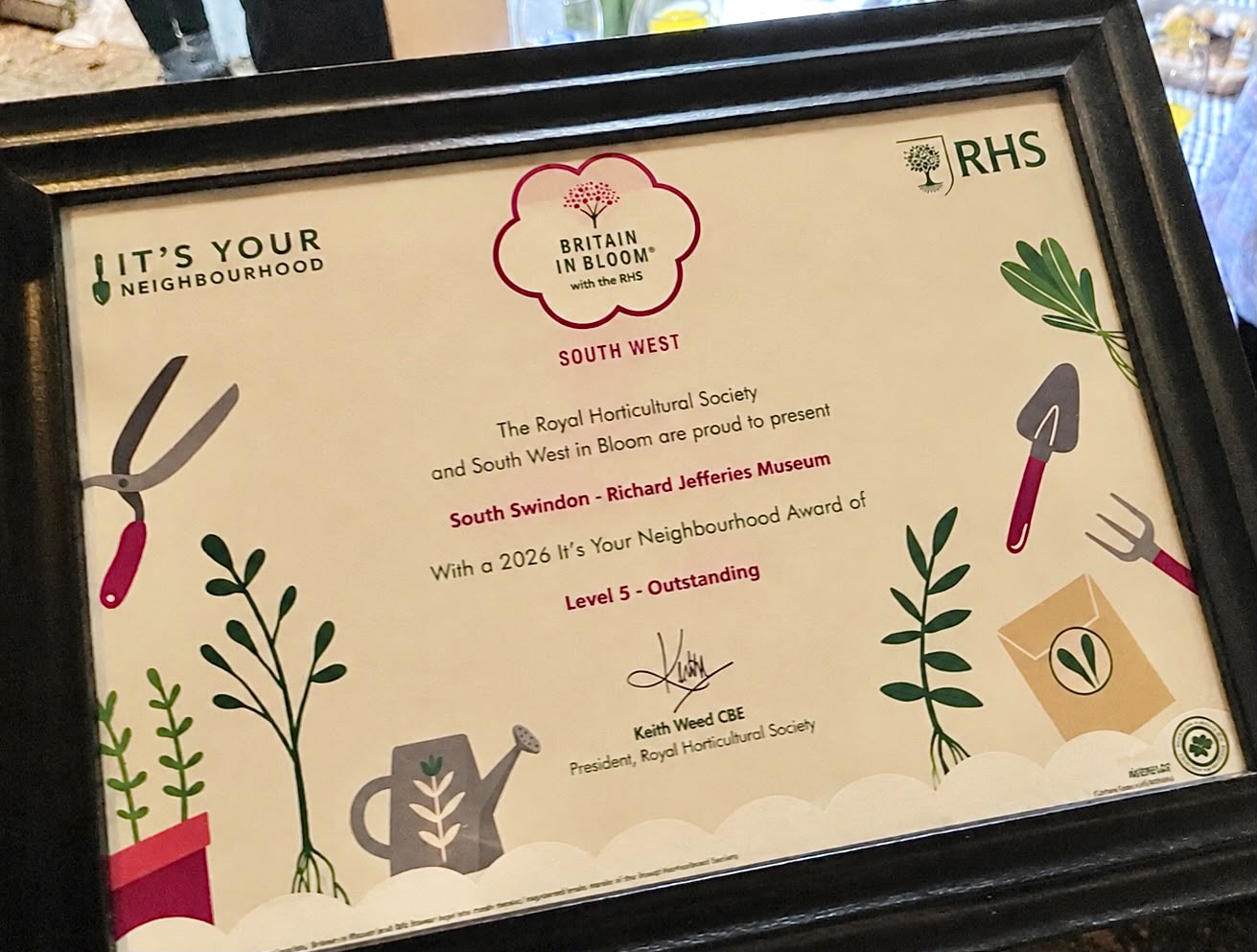
Recent improvements have helped make the museum more visible, including the removal of a large roadside sign that previously obscured views of the historic thatched farmhouse. The museum’s popular Sunday afternoon music sessions have also helped introduce new audiences to the site, offering free live performances in the gardens during the warmer months.
For Mike, the wider vision is about celebrating the natural world and the enjoyment of life, rather than simply preserving the memory of a Victorian writer.
“We want people to know about Jefferies, but we wanted them to know about him in the sense of his love of life and nature and arts.
“We say come, just come and sit in the same garden that he sat in and enjoy life. Enjoy live music and eat a cream tea. What more is there?”
With a century of preservation behind it, the museum is now preparing for a fundraising push that could determine how it develops for the next generation.