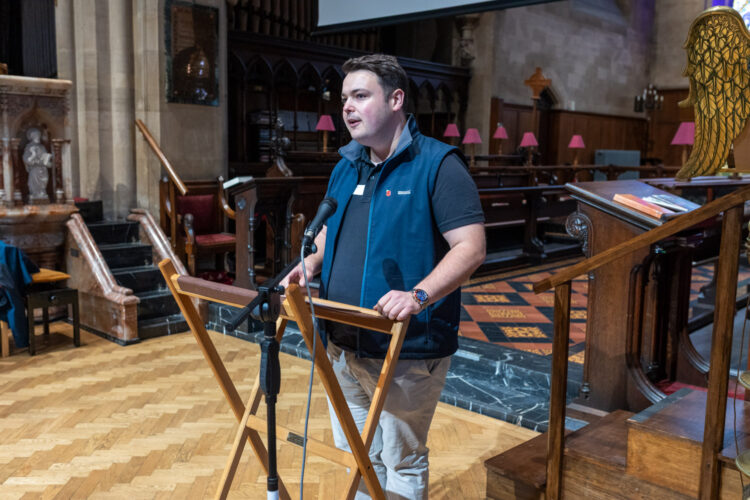

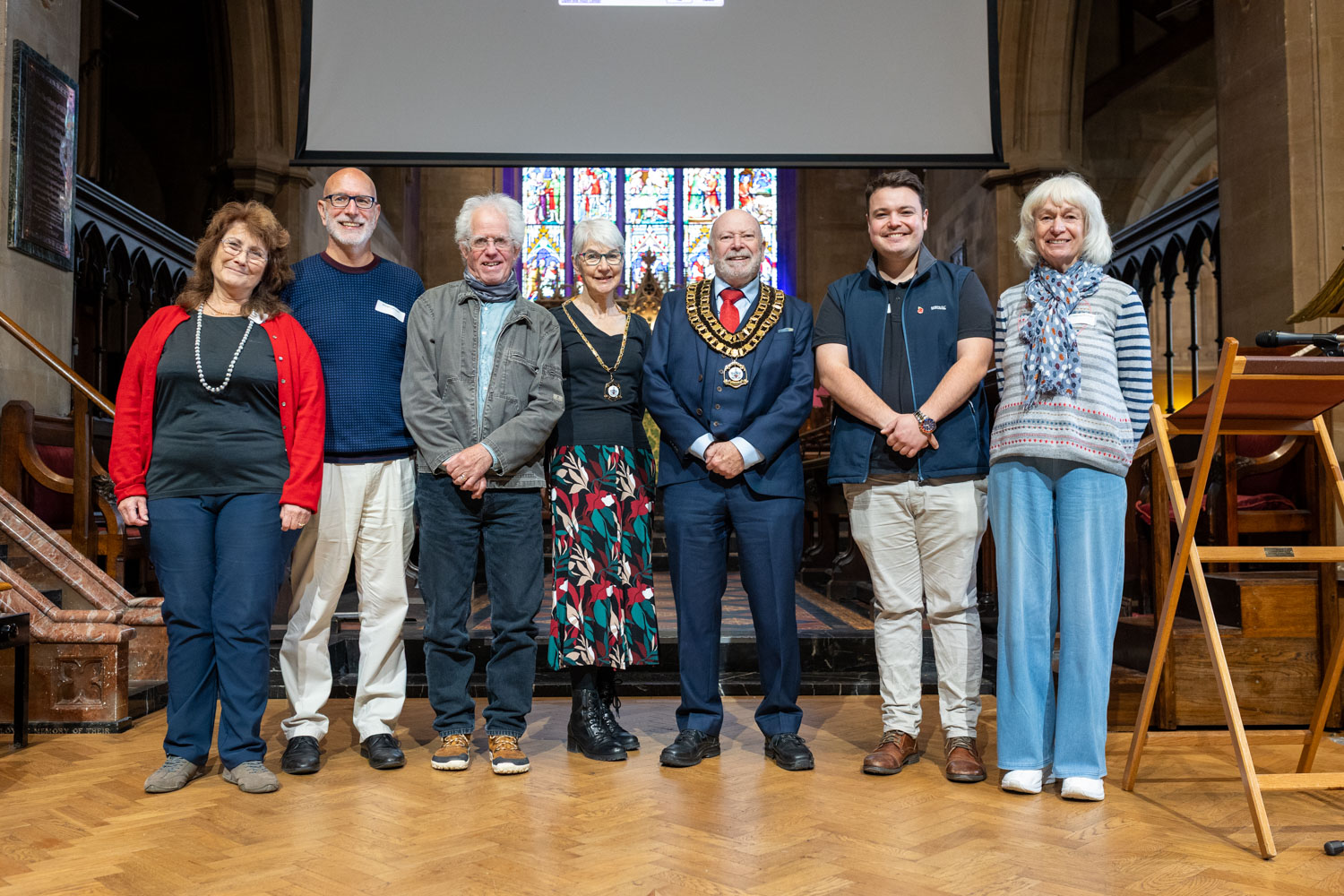
The competing priorities were highlighted at Swindon’s Community Day for Climate and Nature, held at Christ Church in Old Town on Saturday (31st October), where councillors, environmental groups and residents gathered to discuss the town’s response to climate change.
Deputy council leader Jake Chandler, who is also Cabinet Member for Strategy, Resilience and Green Infrastructure, used the event to outline the new administration’s environmental ambitions, including the potential return of beavers to Swindon’s rivers.
Speaking to Swindon24, Cllr Chandler revealed that beavers are now believed to be less than 30 miles from the town and could arrive naturally within the next five to ten years.
“We want to be proactive as an administration and take tangible steps,”
Rather than pursuing a formal reintroduction programme, the council could instead focus on preparing habitats and infrastructure for their arrival.
One of the council’s biggest ambitions is to increase Swindon’s tree canopy cover, which Cllr Chandler estimated currently stands between 9% and 14%, depending on how it is measured. He wants that figure to exceed the national average of approximately 18%, with the administration targeting significant progress over the next two years.
“The initial aspiration was for 500 street trees in Swindon. I wanted 5,000, but that’s year one. It looks like after year one we’ll be closer to 2,500, which is really positive,” he said.
The council intends to prioritise neighbourhoods with limited greenery, including streets where trees could also help discourage antisocial parking.
Cllr Chandler also outlined proposals to attract external environmental funding through what he described as a “green catapult”, potentially using country parks and nature reserves such as Seven Fields to support research and conservation projects.
However, Green Party campaigner Tom Butcher questioned whether the council was moving quickly enough.
Mr Butcher claimed that Swindon Borough Council had received approximately £2 million in government funding for electric vehicle charging infrastructure, but had failed to spend it.
“There’s a £2 million pot that has existed for a number of years now that was a grant given by the government to install EV chargers. Swindon Borough Council has sat on it ever since,” he said.
Asked about the council’s approach to charging infrastructure, Cllr Chandler said its current focus was on providing on-street facilities rather than chargers in council car parks.
“At the moment, the focus is on street parking. We think that will do the most bang for our buck, as it were, as a council, but it also gives residents a lot more freedom.”
Mr Butcher also called for greater investment in home insulation and rooftop renewable energy, arguing that successive administrations had not acted quickly enough. Interestingly, he did not believe the current Conservative-led minority administration was necessarily less environmentally focused than its Labour predecessor.
“I think they are probably about equally as focused, if I’m honest,” he said.
The event also explored the relationship between environmental protection and the financial pressures facing residents. Cllr Chandler acknowledged that concerns about energy bills and household costs could make environmental priorities feel less immediate.
“We shouldn’t be disadvantaging people. We shouldn’t be making it more expensive for people in the short term, especially in the cost of living crisis,” he told Swindon24.

He argued that Swindon was already experiencing the consequences of changing weather patterns, pointing to drought conditions, restrictions on barbecues because of wildfire risk and subsequent flooding in East Swindon. The council is also working on 29 identified flood-related improvements, involving responsibilities shared with organisations including Thames Water and the Environment Agency.
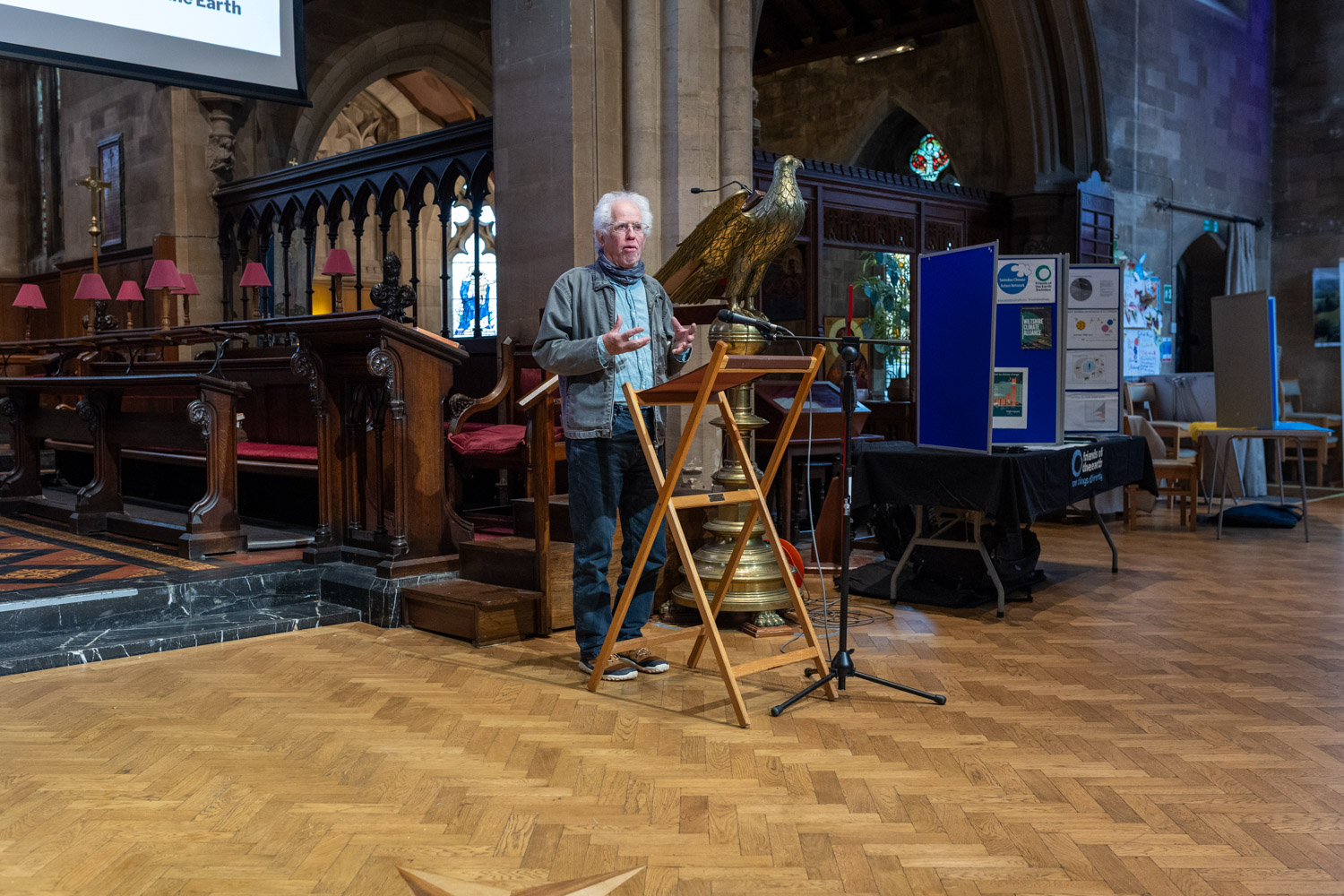
Meanwhile, a representative from Friends of the Earth presented findings from a local workshop examining the relationship between extreme heat and social inequality. The group’s research suggested that parts of Swindon experiencing greater economic disadvantage also face higher risks during periods of extreme heat.
It challenged the idea that environmental action should focus predominantly on individual purchases such as electric cars and heat pumps, arguing that renters and lower-income households must also be included.
The event also celebrated existing environmental achievements across Swindon. Christ Church outlined its journey towards achieving the A Rocha Eco Church Gold Award in August 2025. Its community centre already uses solar panels and a ground source heat pump, while the church is examining future alternatives to its gas heating system.
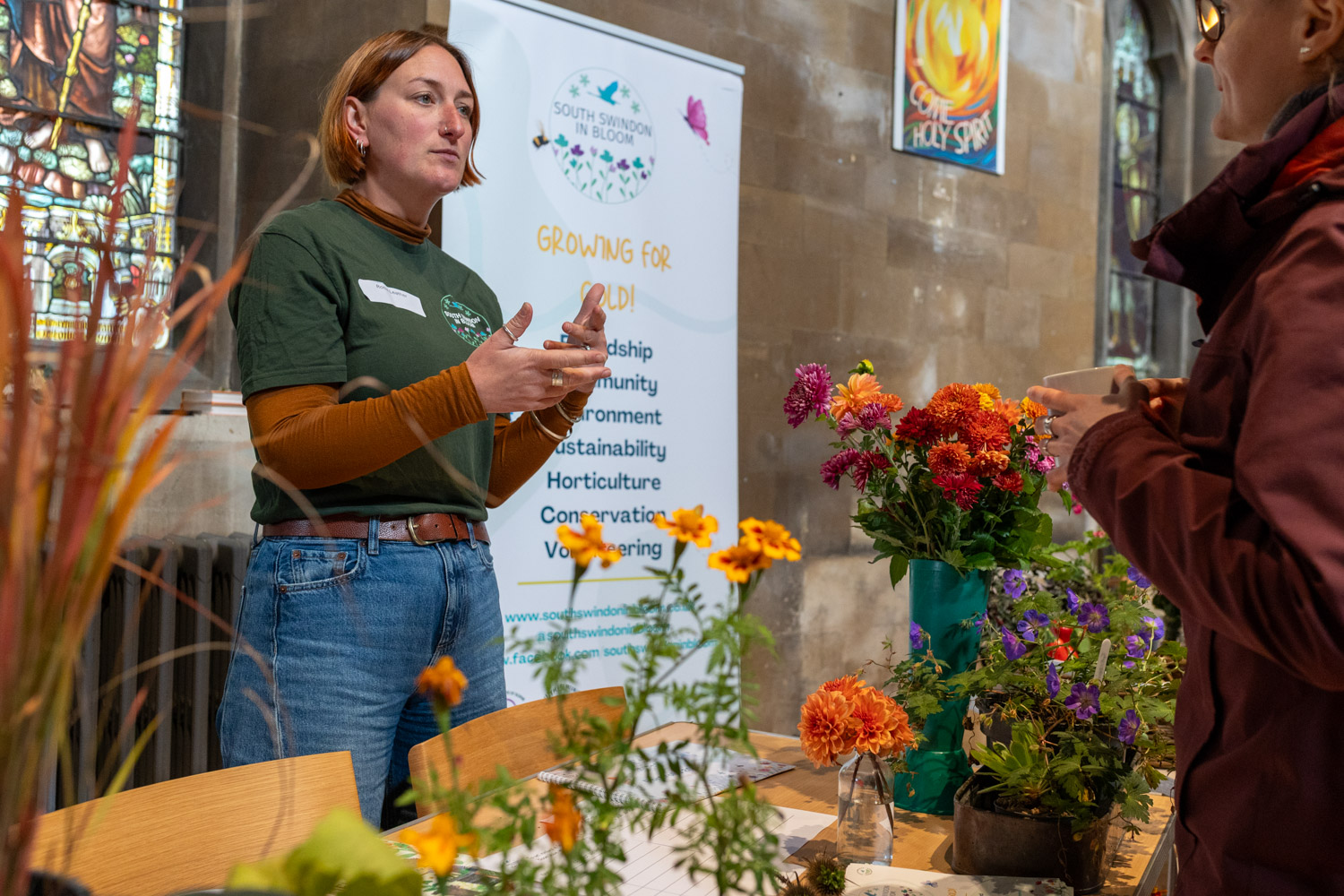
Representatives from South Swindon in Bloom also celebrated a series of regional and national awards, including Champion of Champions in the South West and recognition for community engagement.
Linda Kasmaty encouraged more residents to participate in local gardening projects.
“We want more people gardening in their communities outside. It improves our green spaces, and you get people together, and you make more friends,” she said.
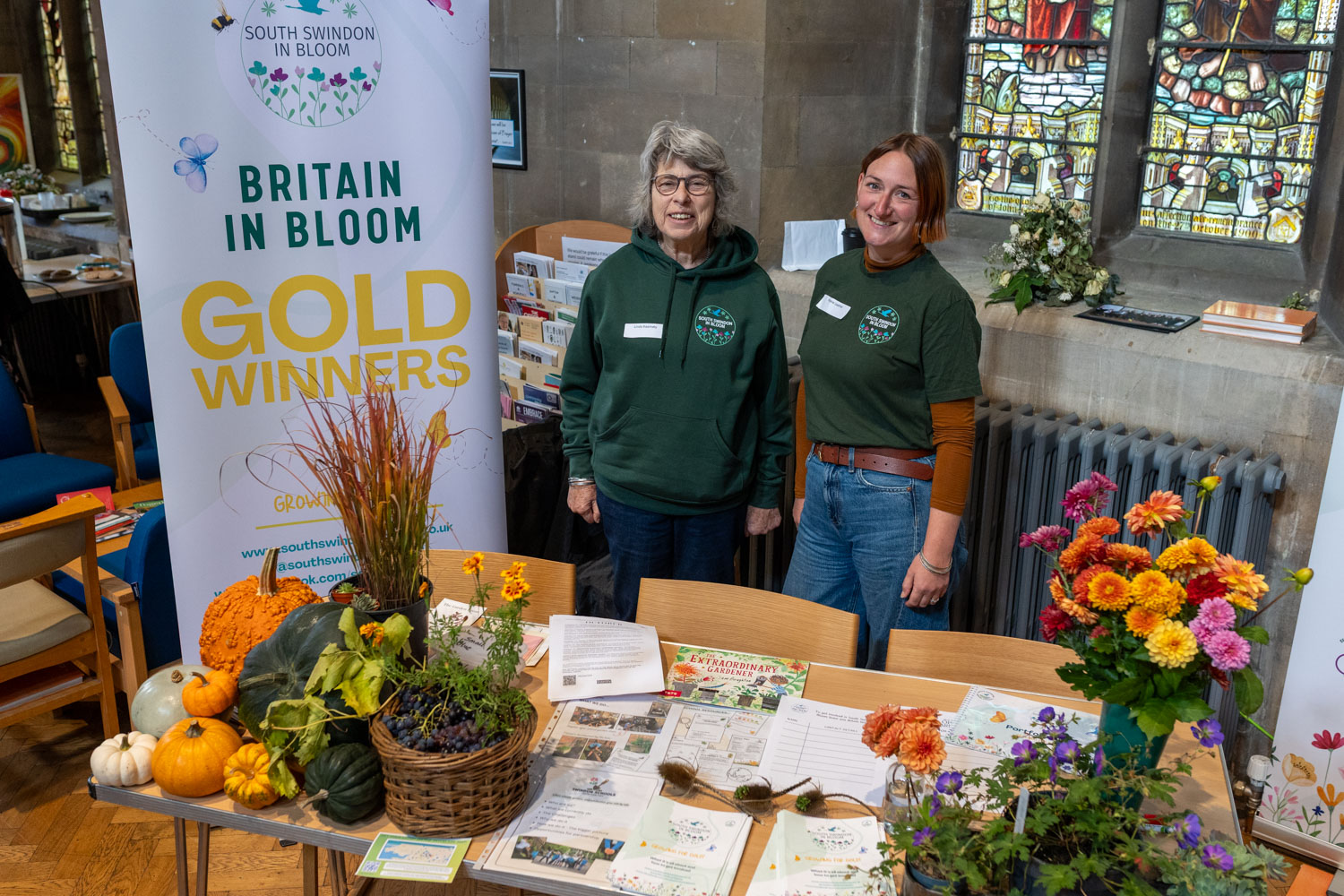
The group also encouraged people without gardens to grow food in window boxes or small outdoor spaces, with kale and salad leaves among the practical suggestions.
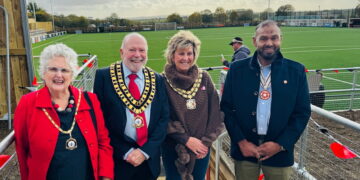
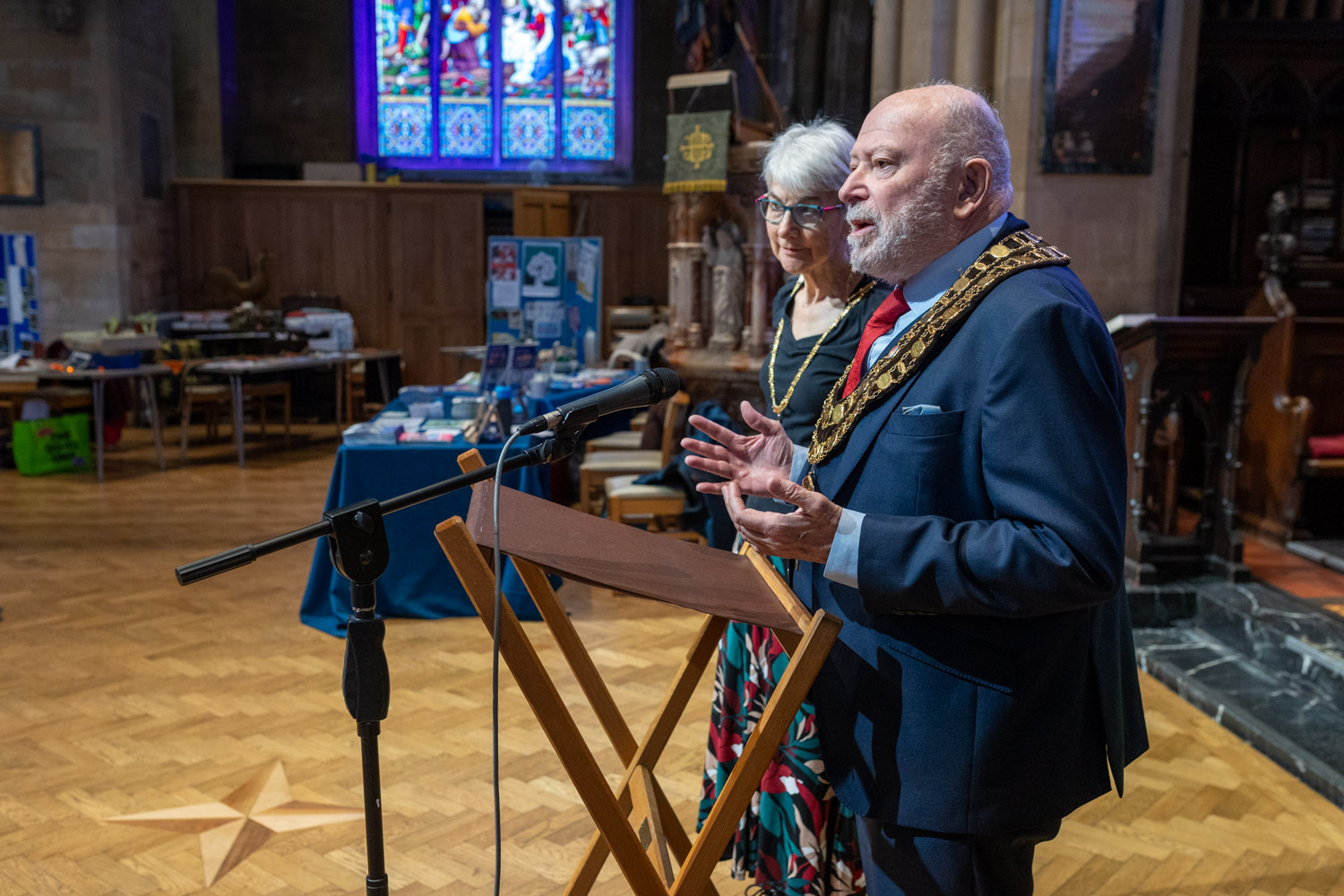
Mayor of Swindon Neil Hopkins echoed the importance of protecting the natural environment, highlighting the responsibility owed to future generations.
“People like me will be long gone when the climate reaches crisis, but my grandchildren will be around, and my sons will be around as well,” he said.
For Swindon, the next test will be whether the council can turn its environmental ambitions into measurable improvements, particularly while facing significant financial pressures. The proposed tree planting, cycling improvements and wildlife restoration projects offer a direction of travel, but questions about existing funding, delivery timescales and housing growth remain.
And while the possibility of beavers returning to Swindon’s rivers offers an exciting prospect for local wildlife, the more immediate challenge may be ensuring the town’s existing green infrastructure receives the investment and attention it needs.