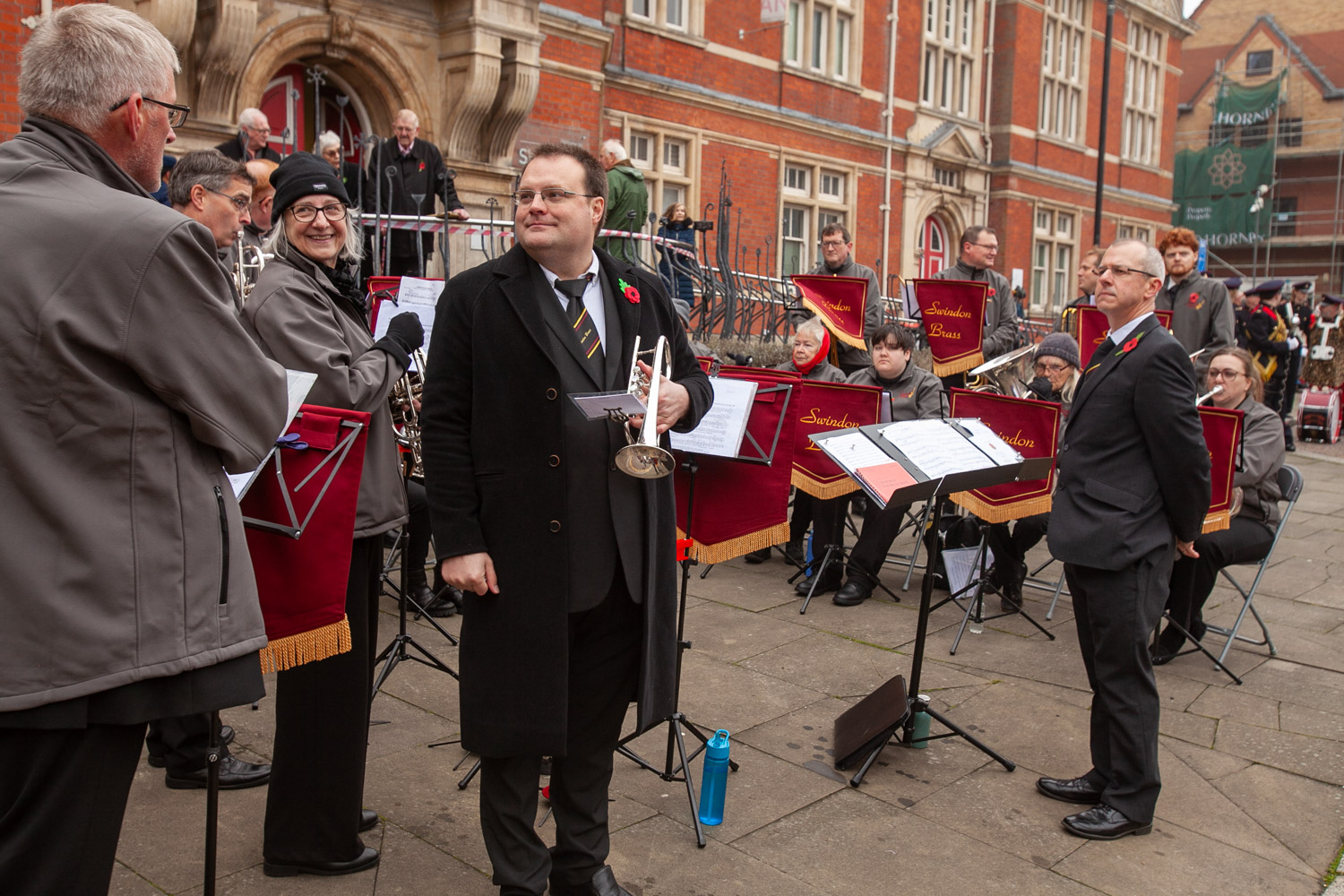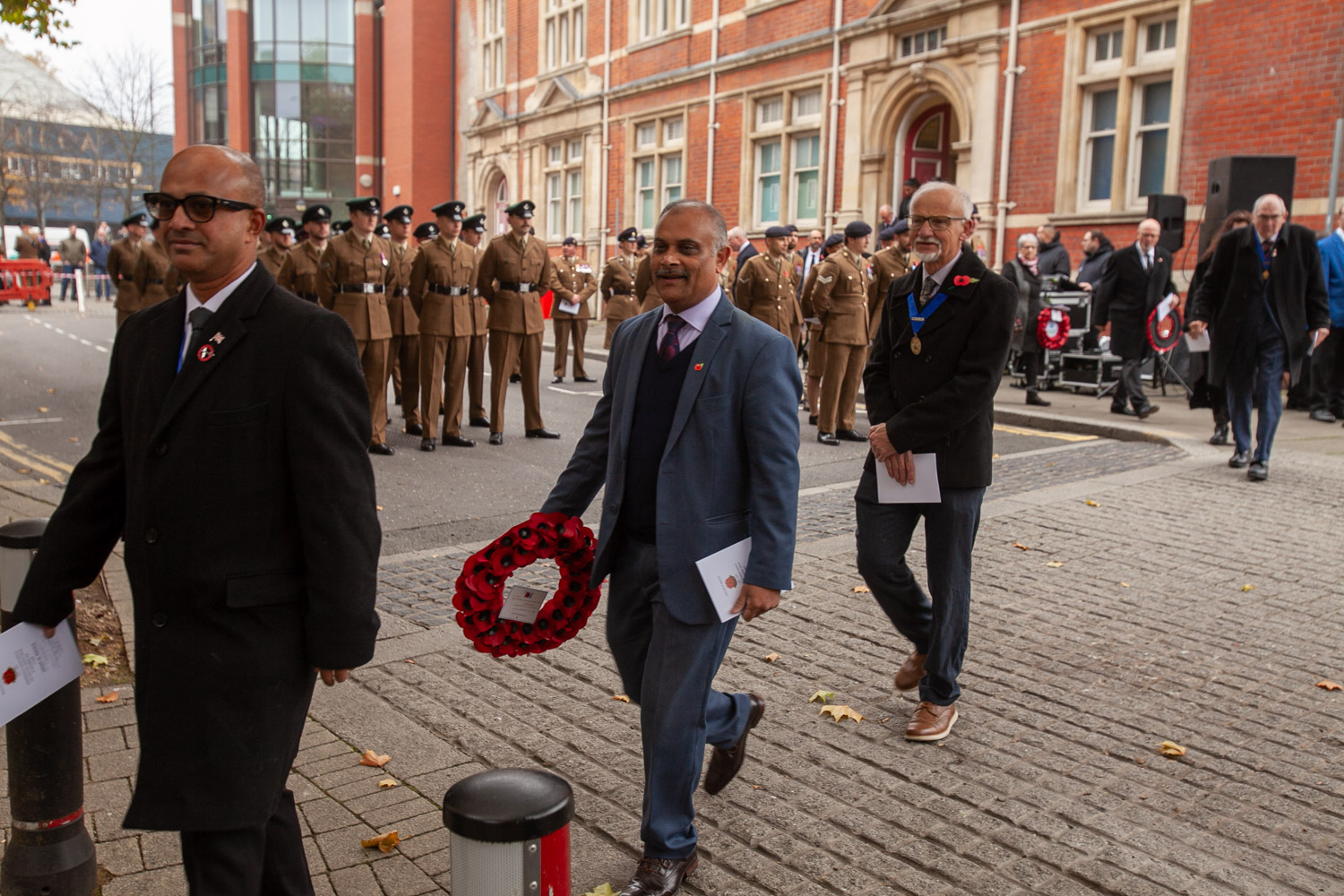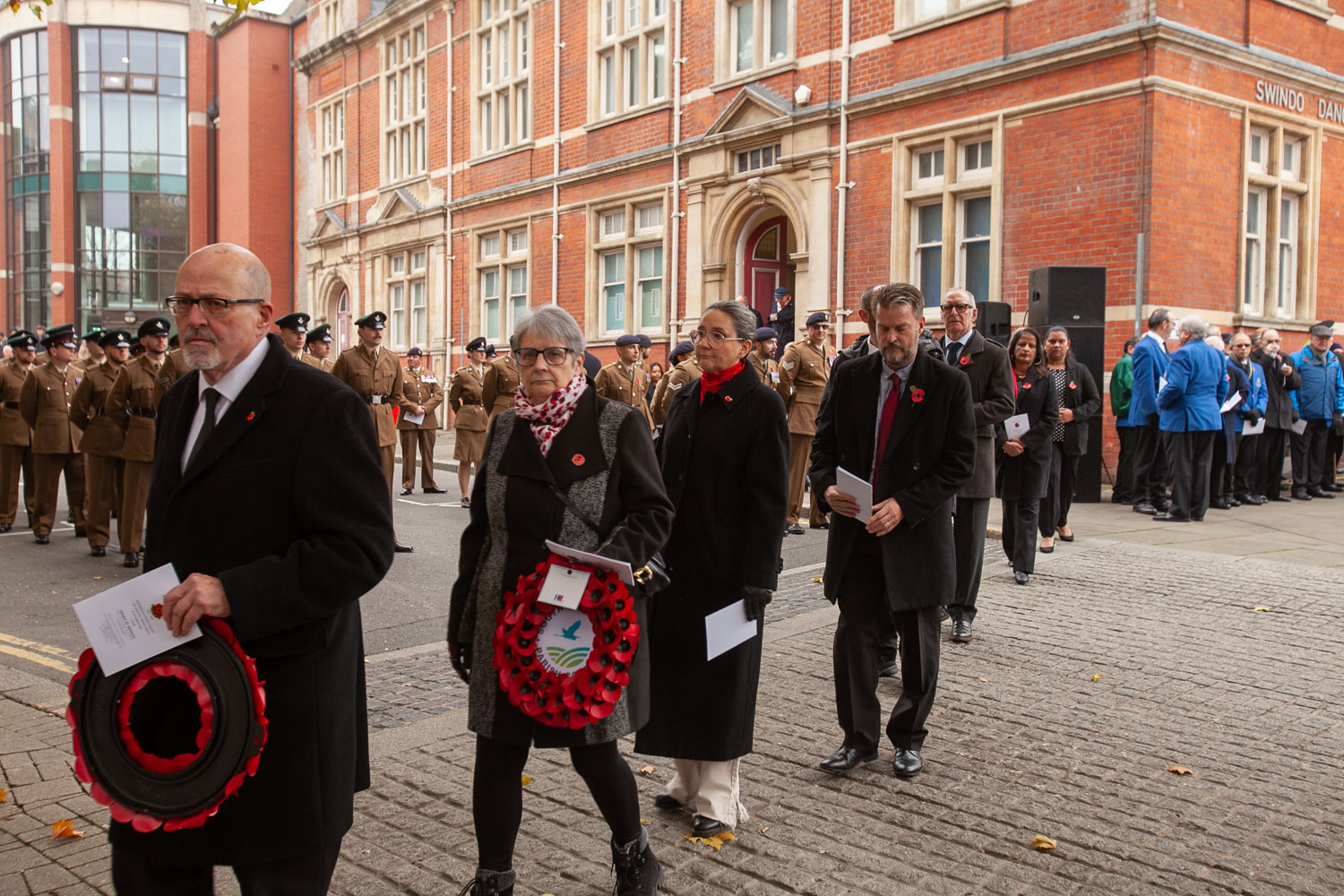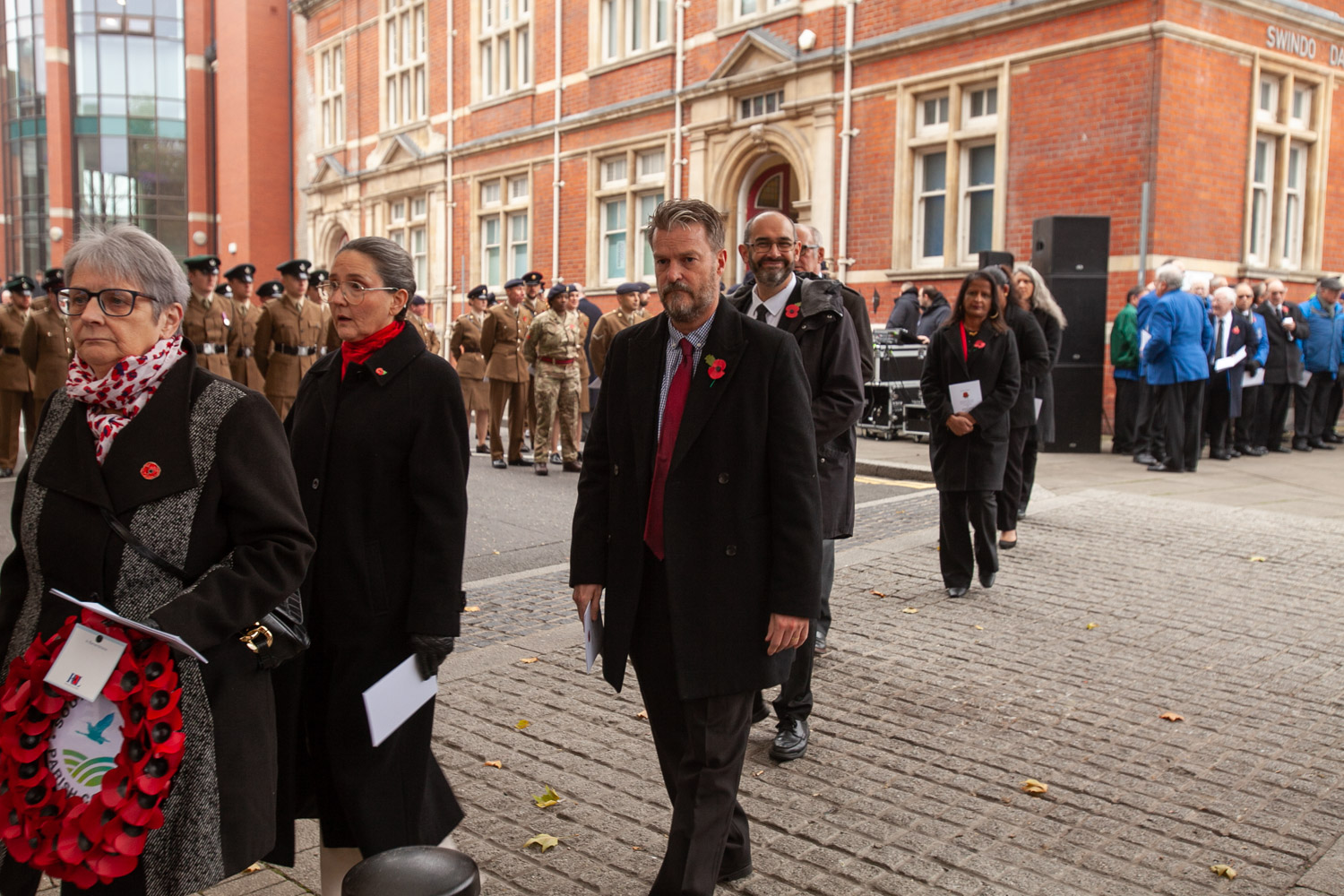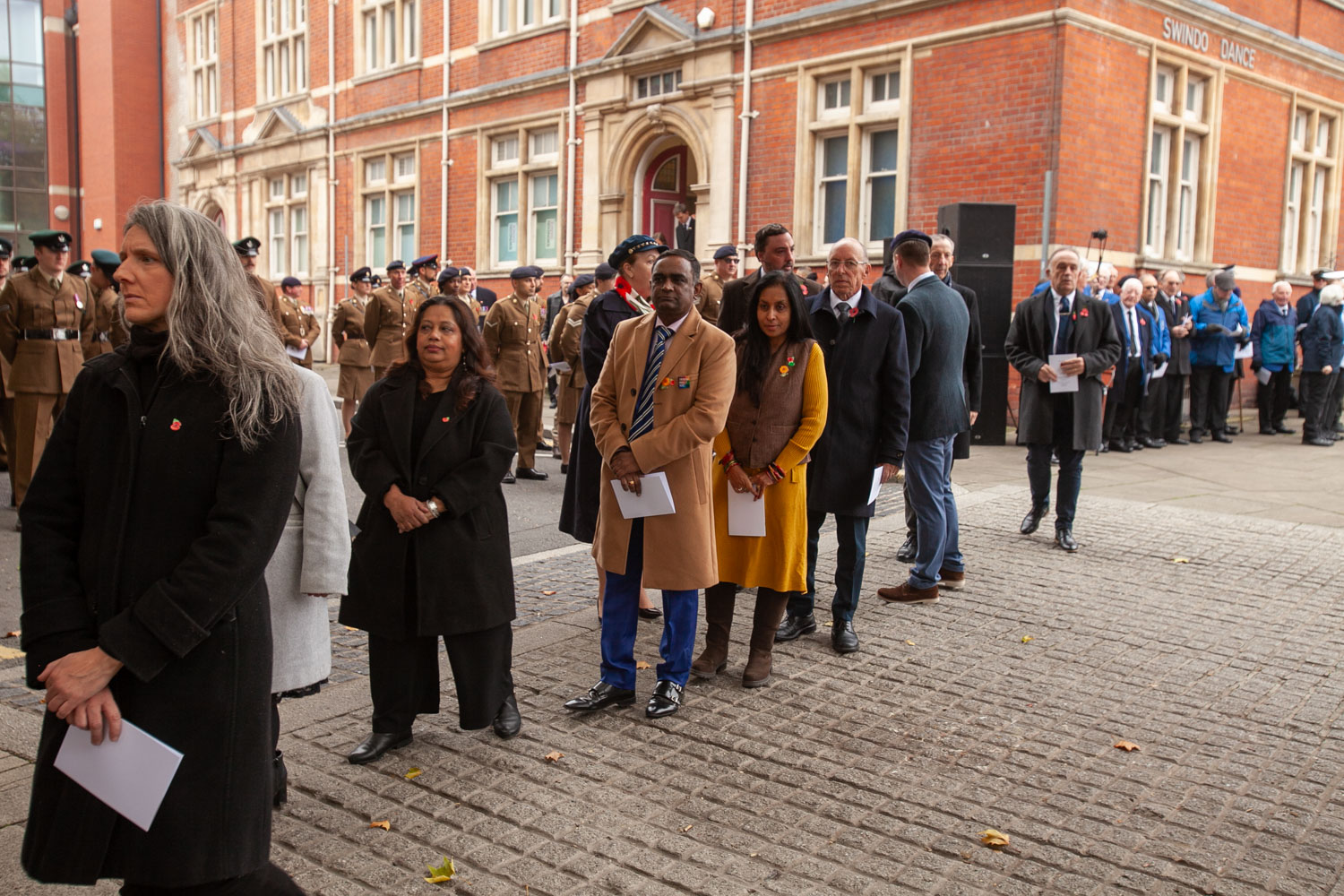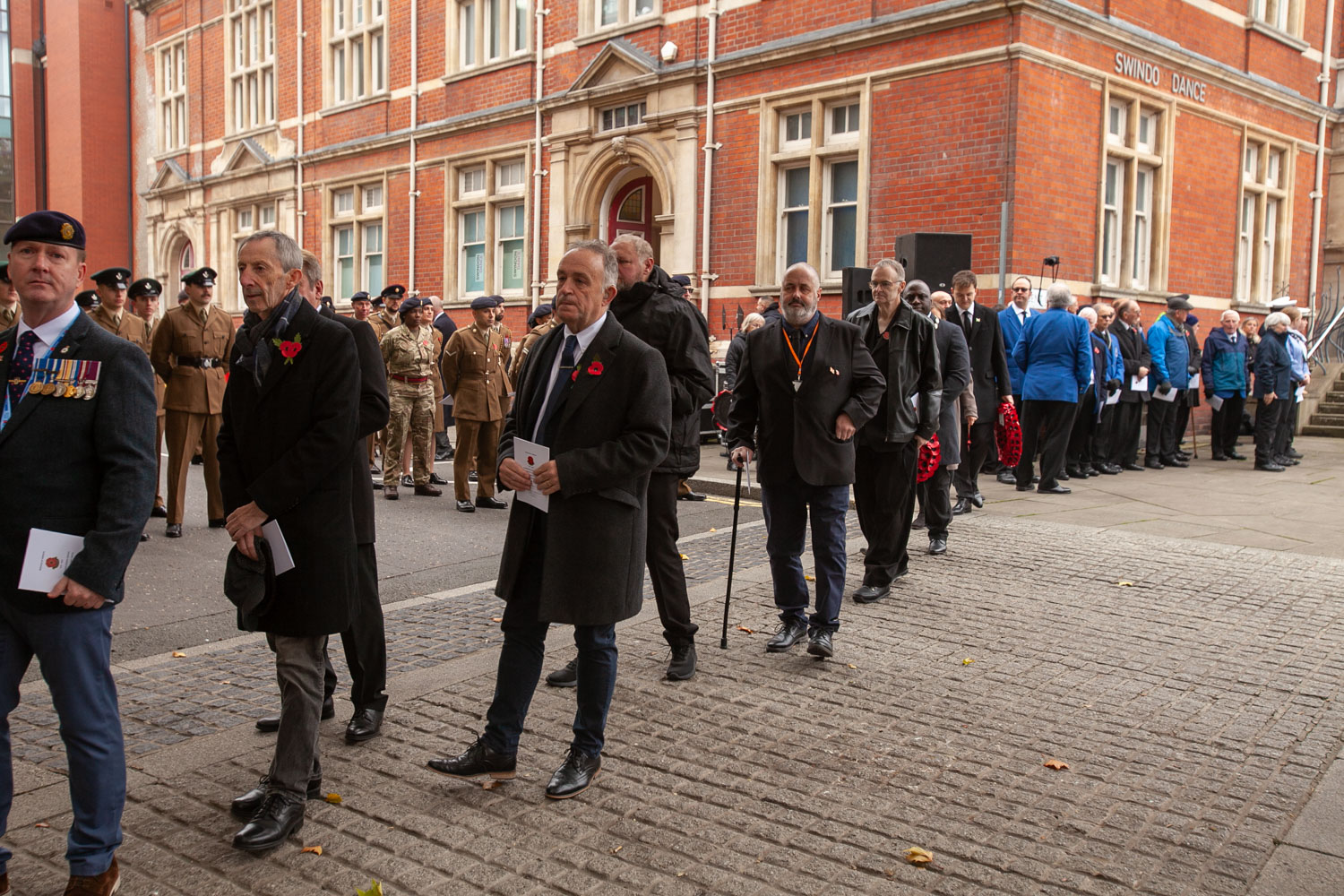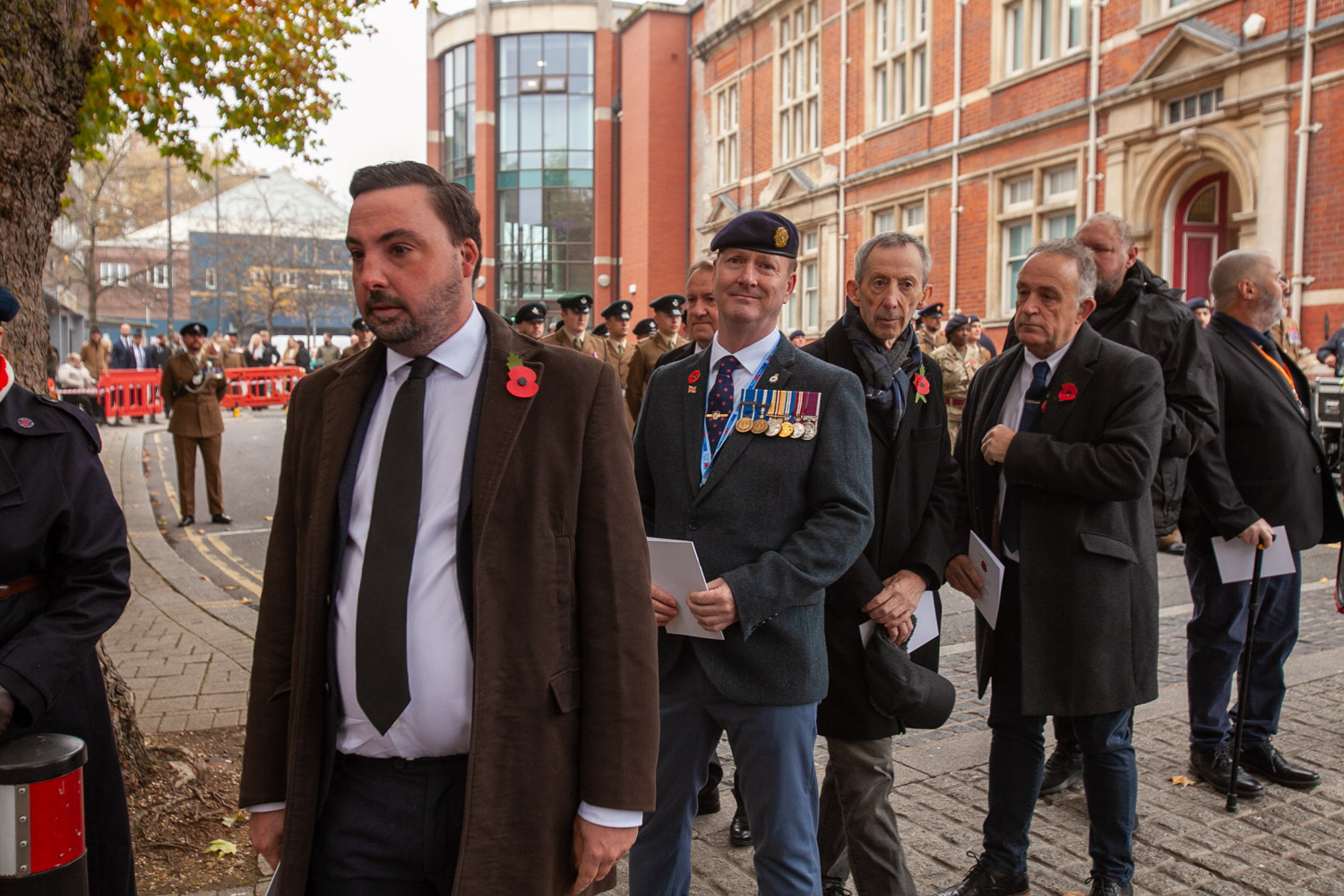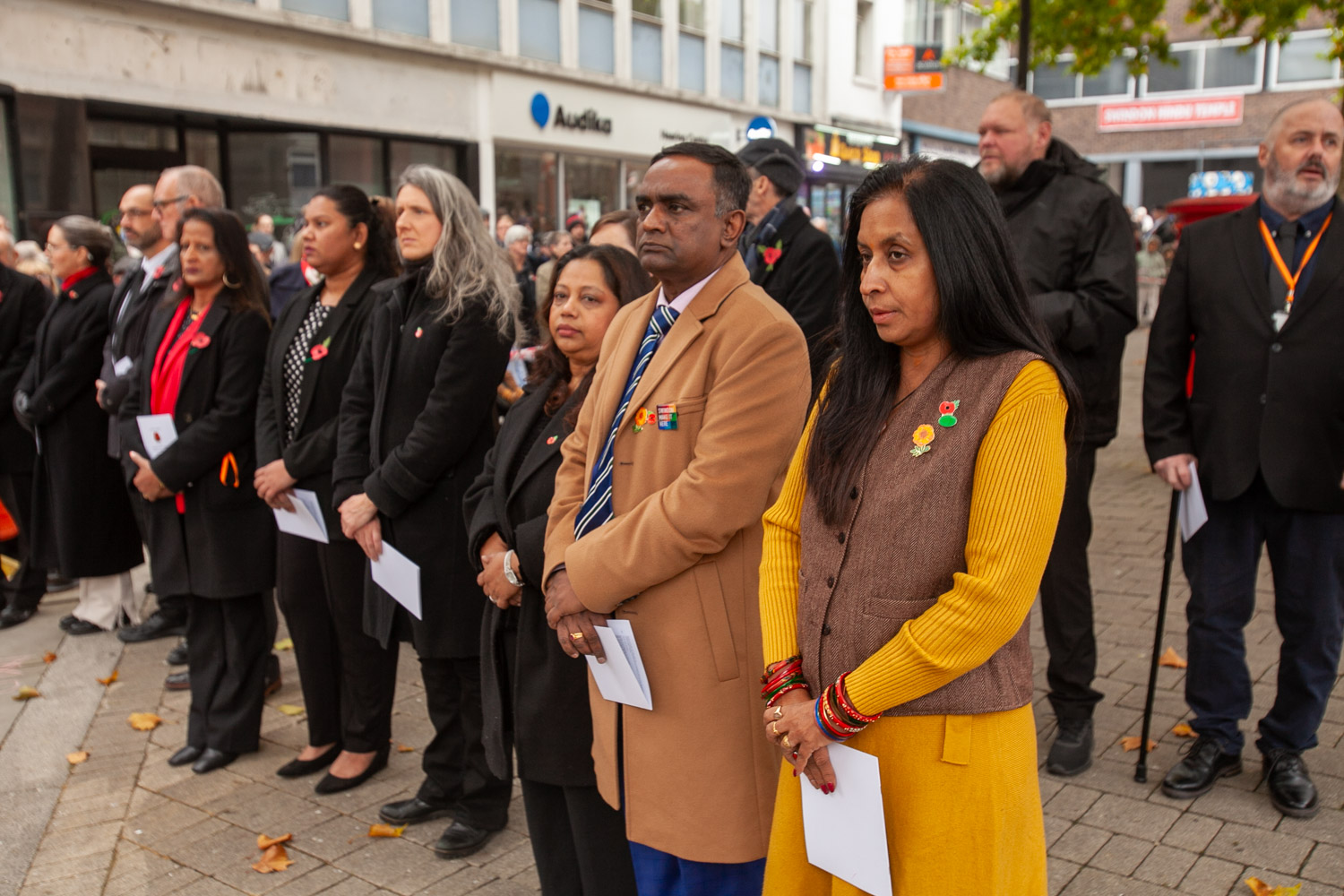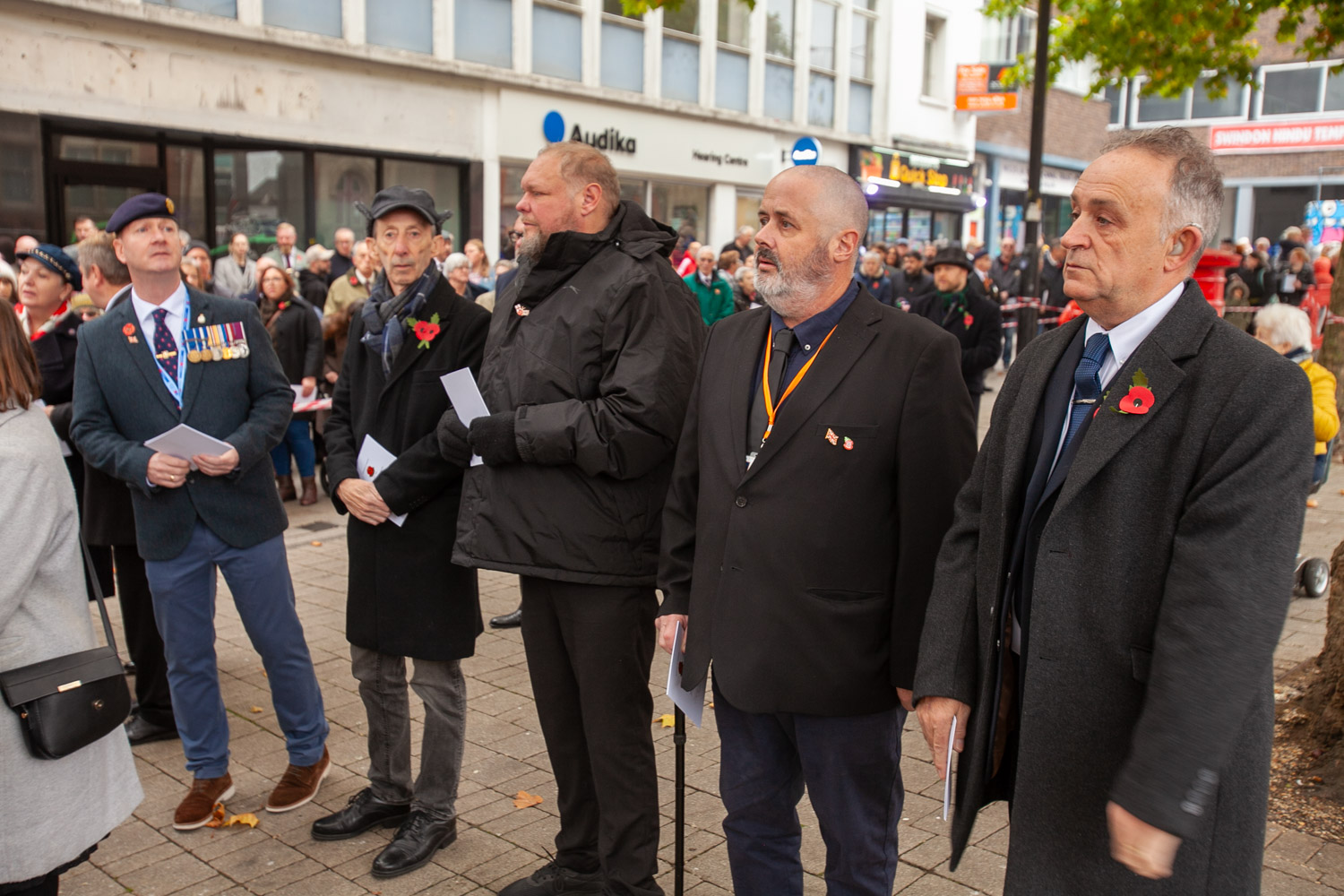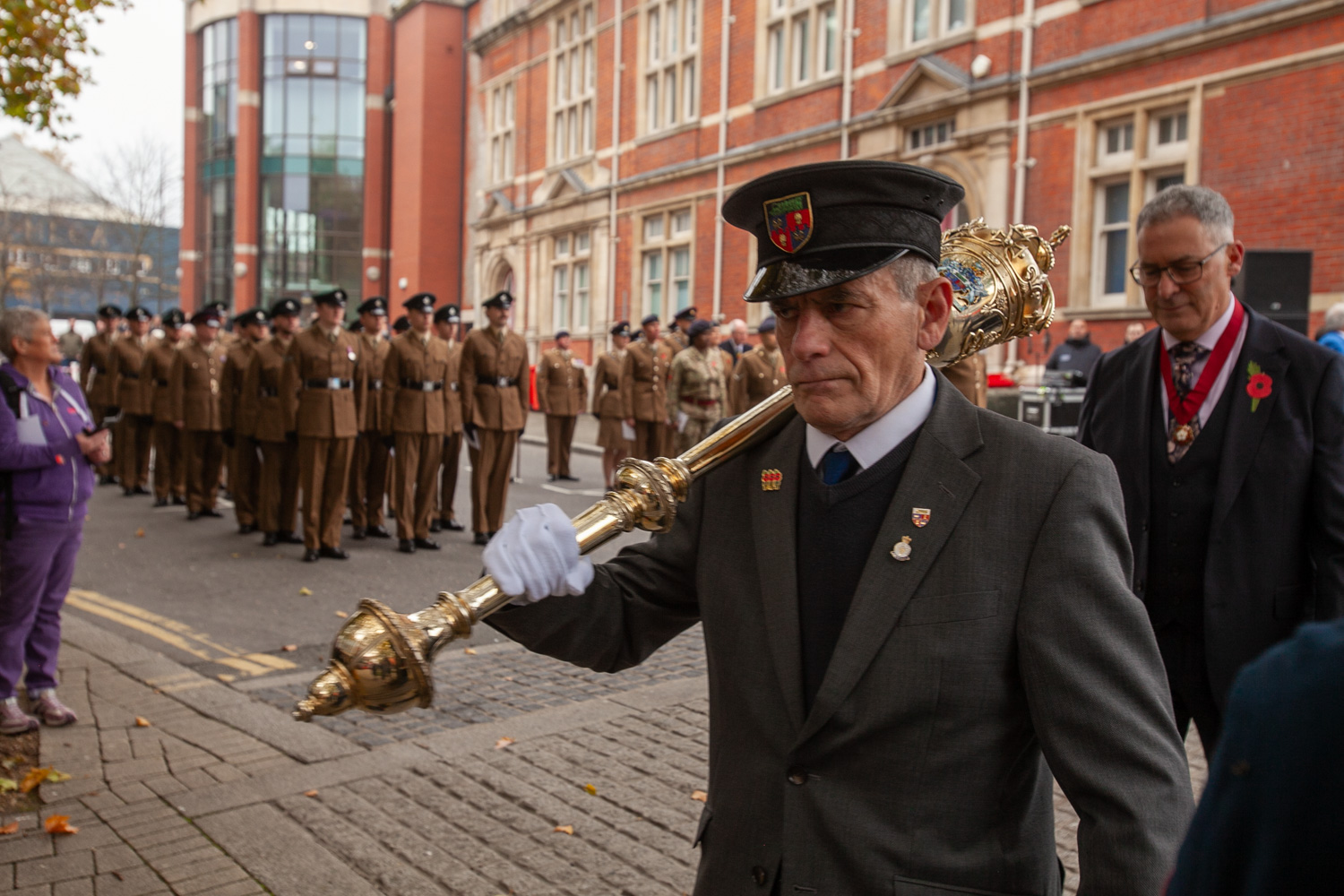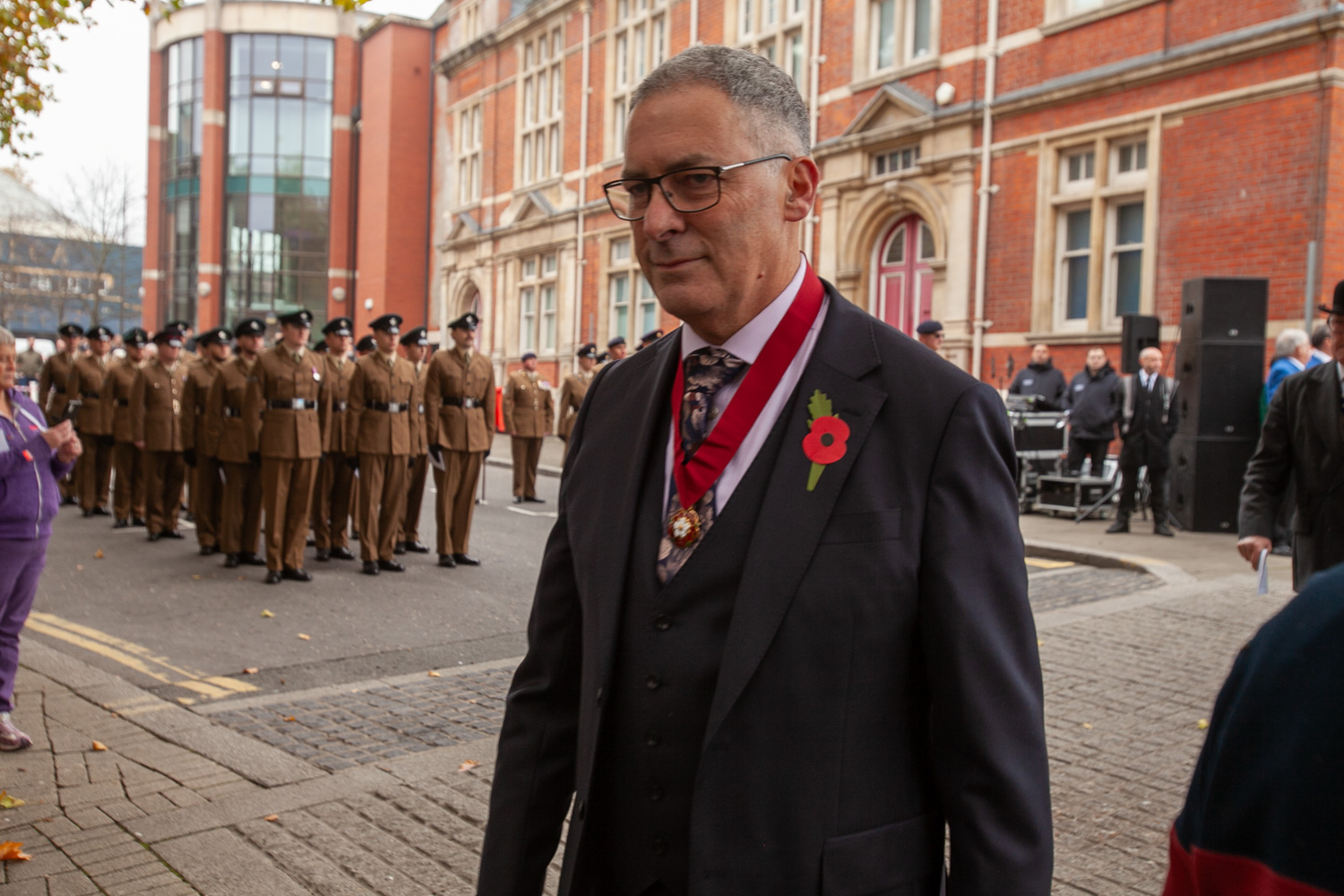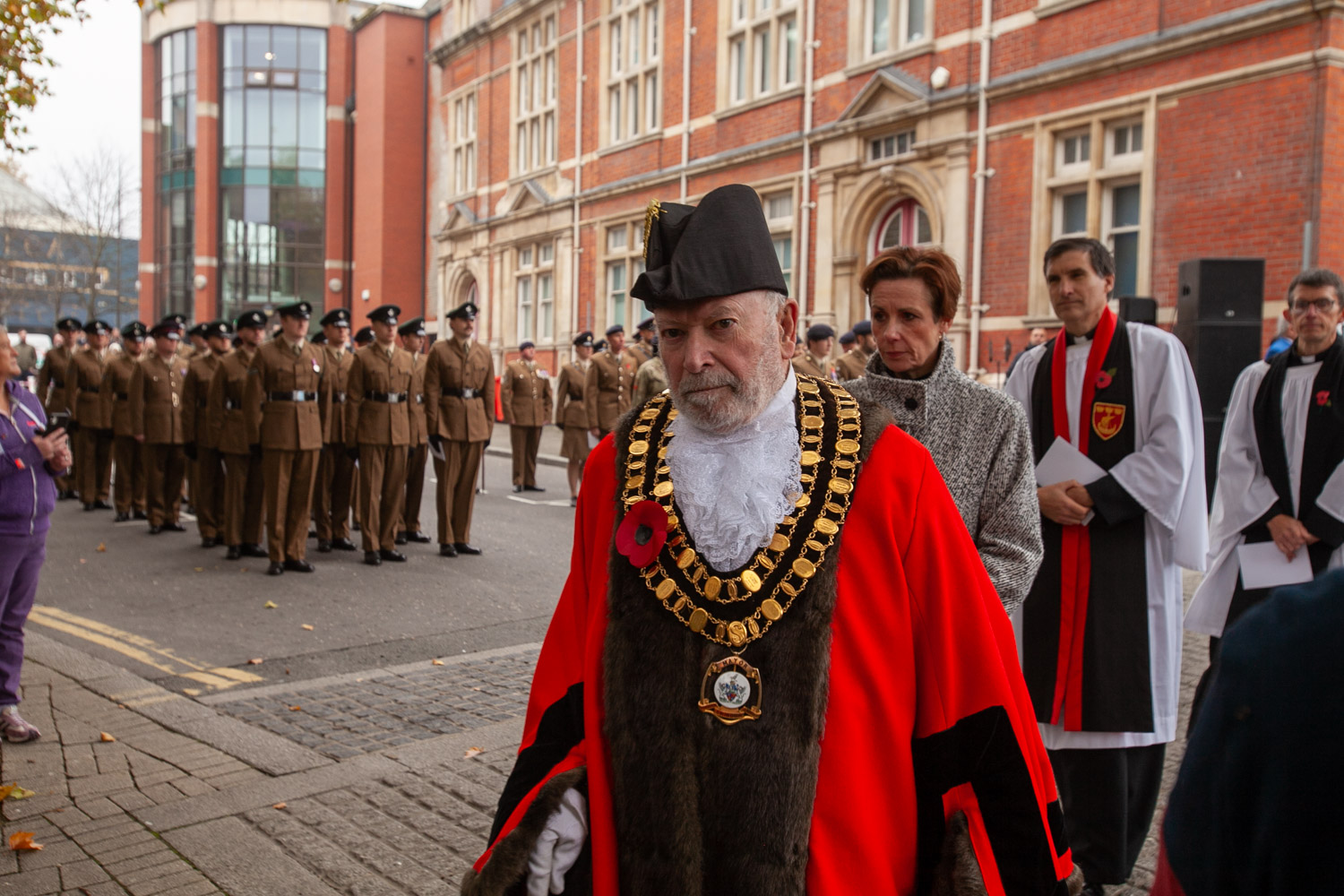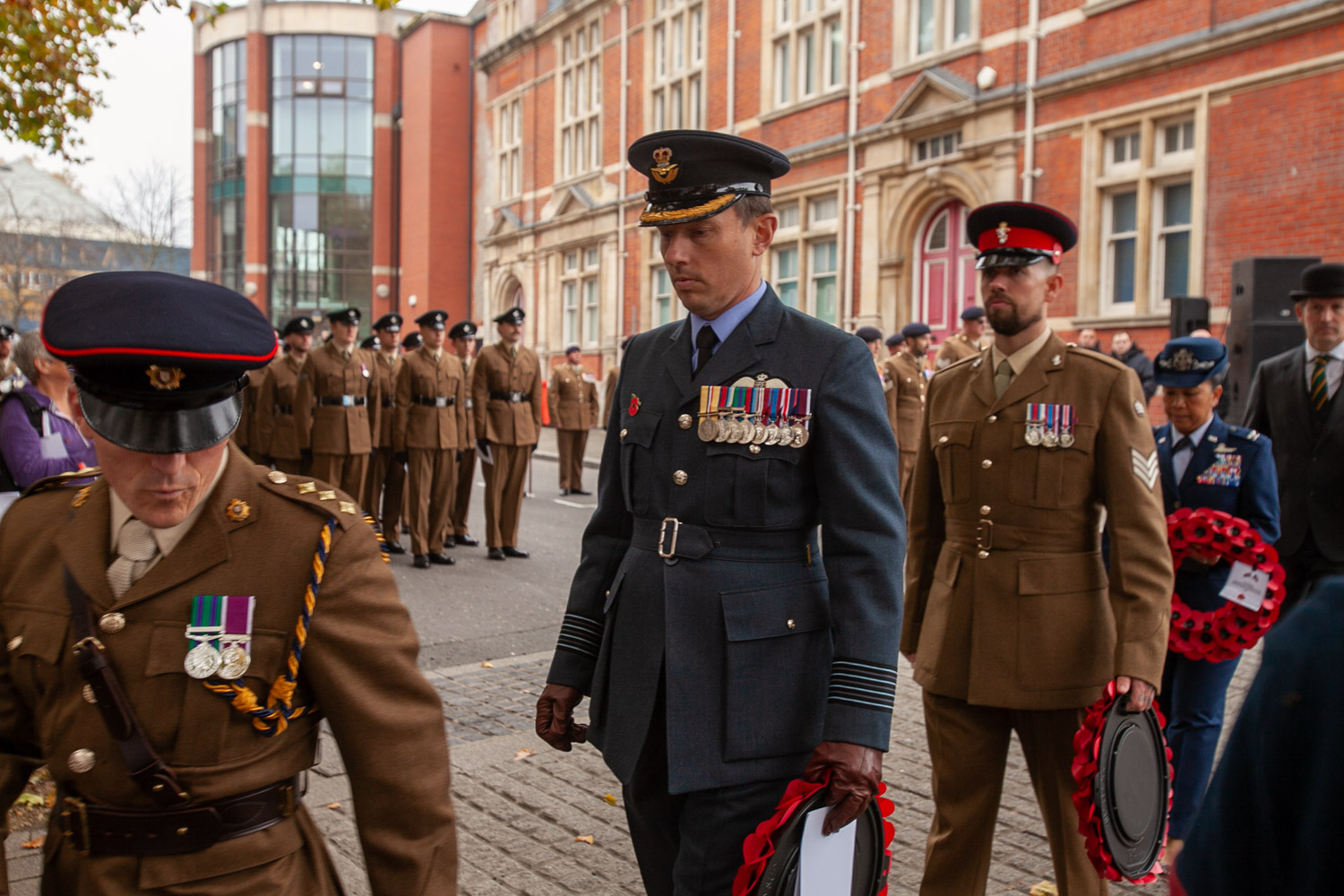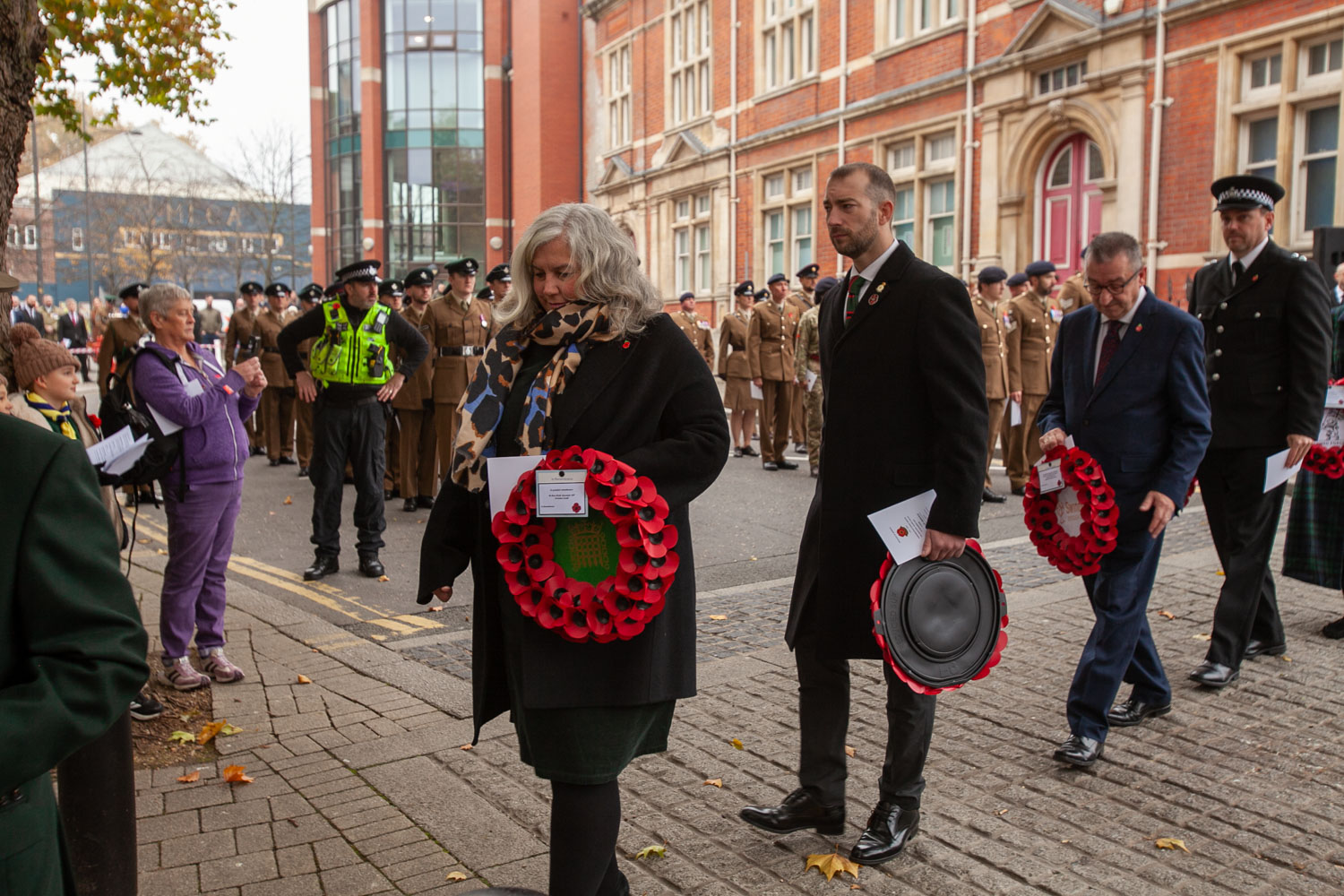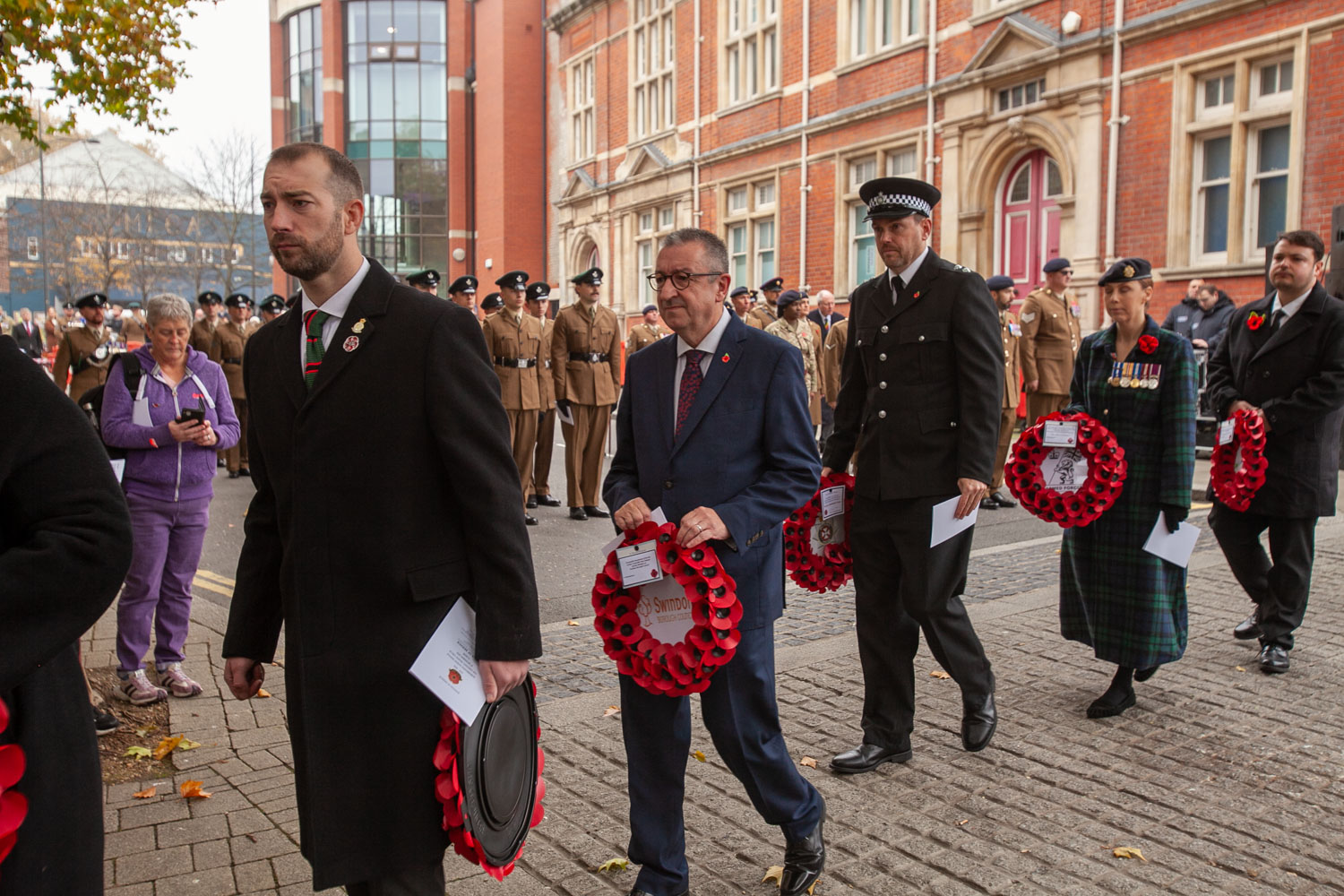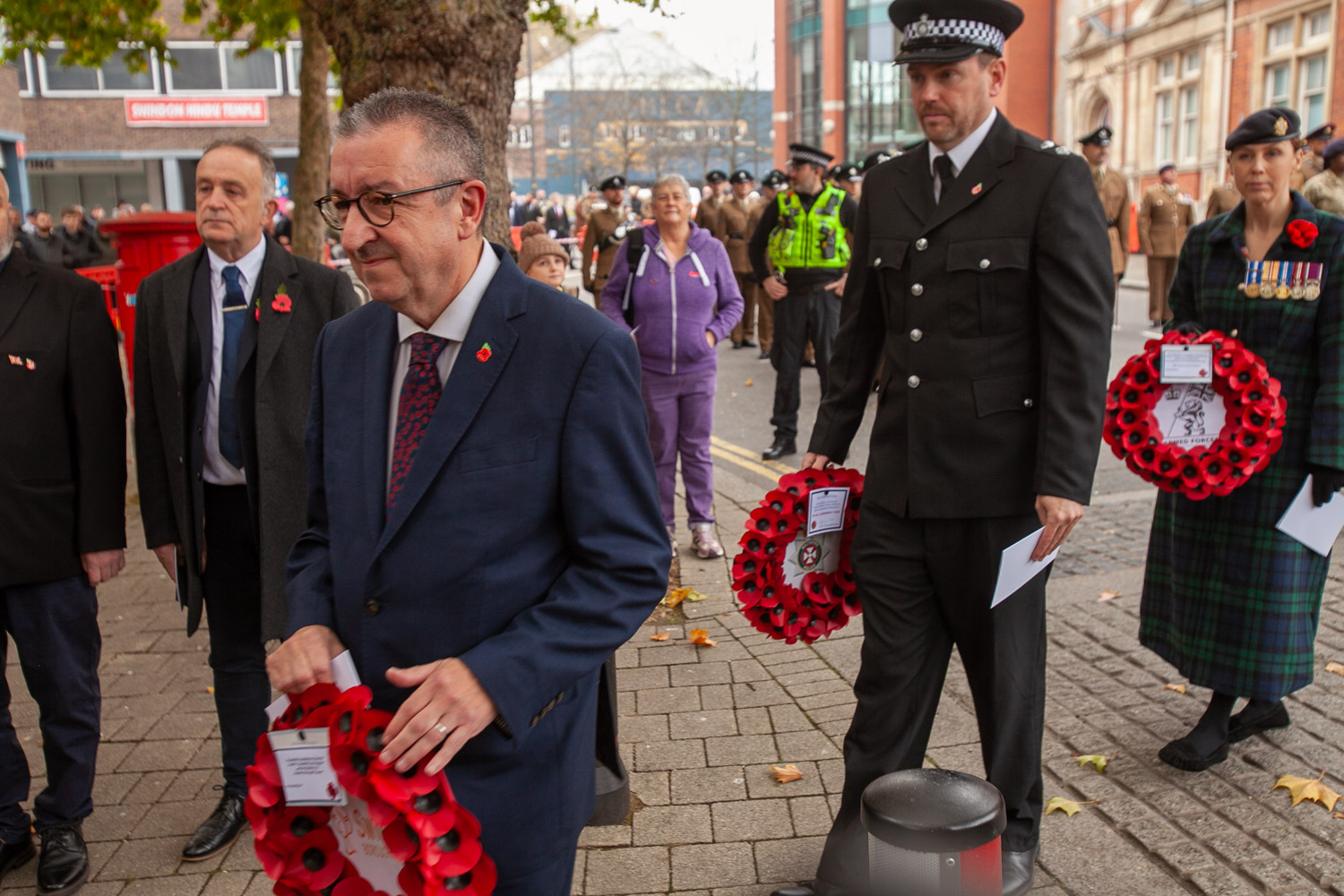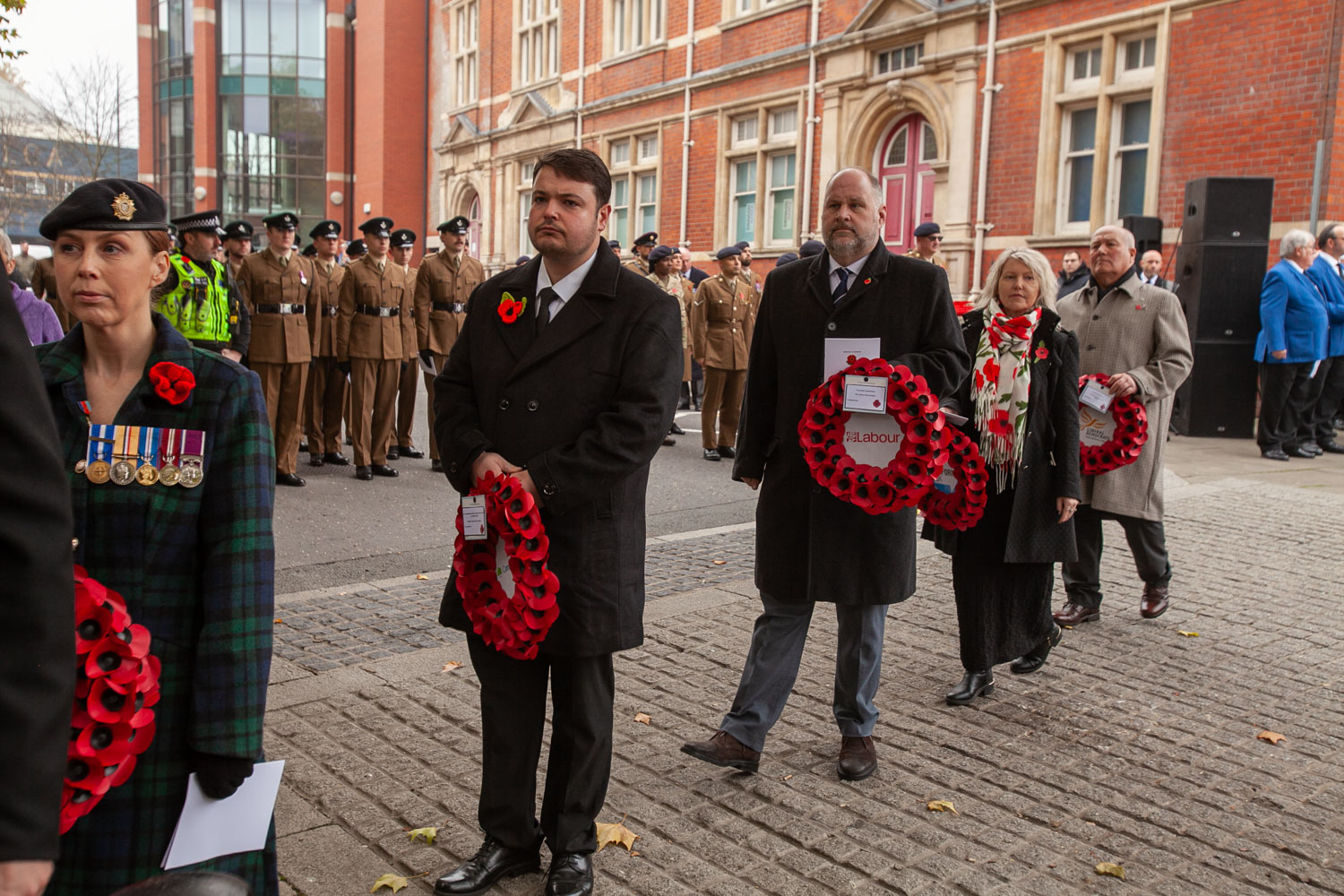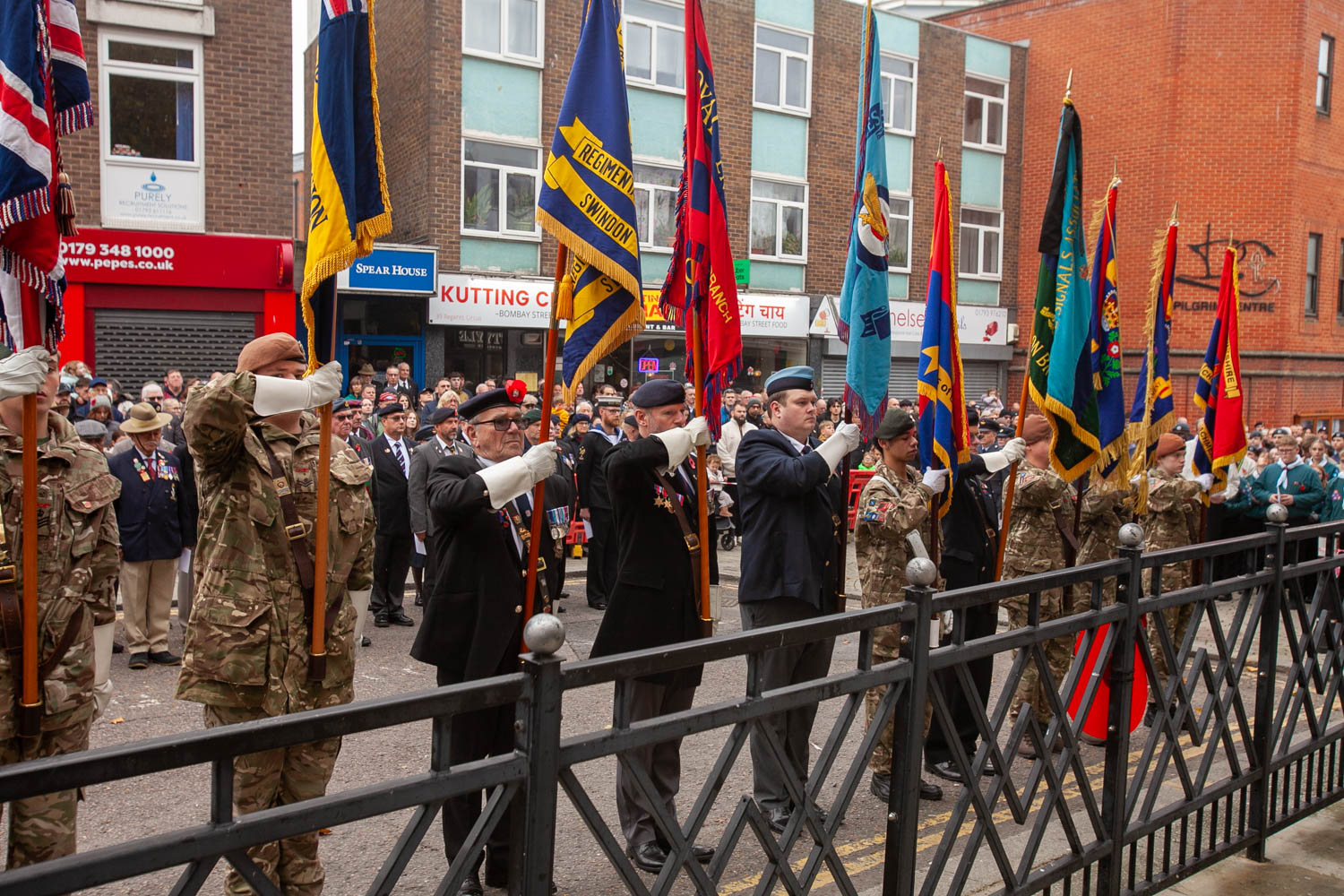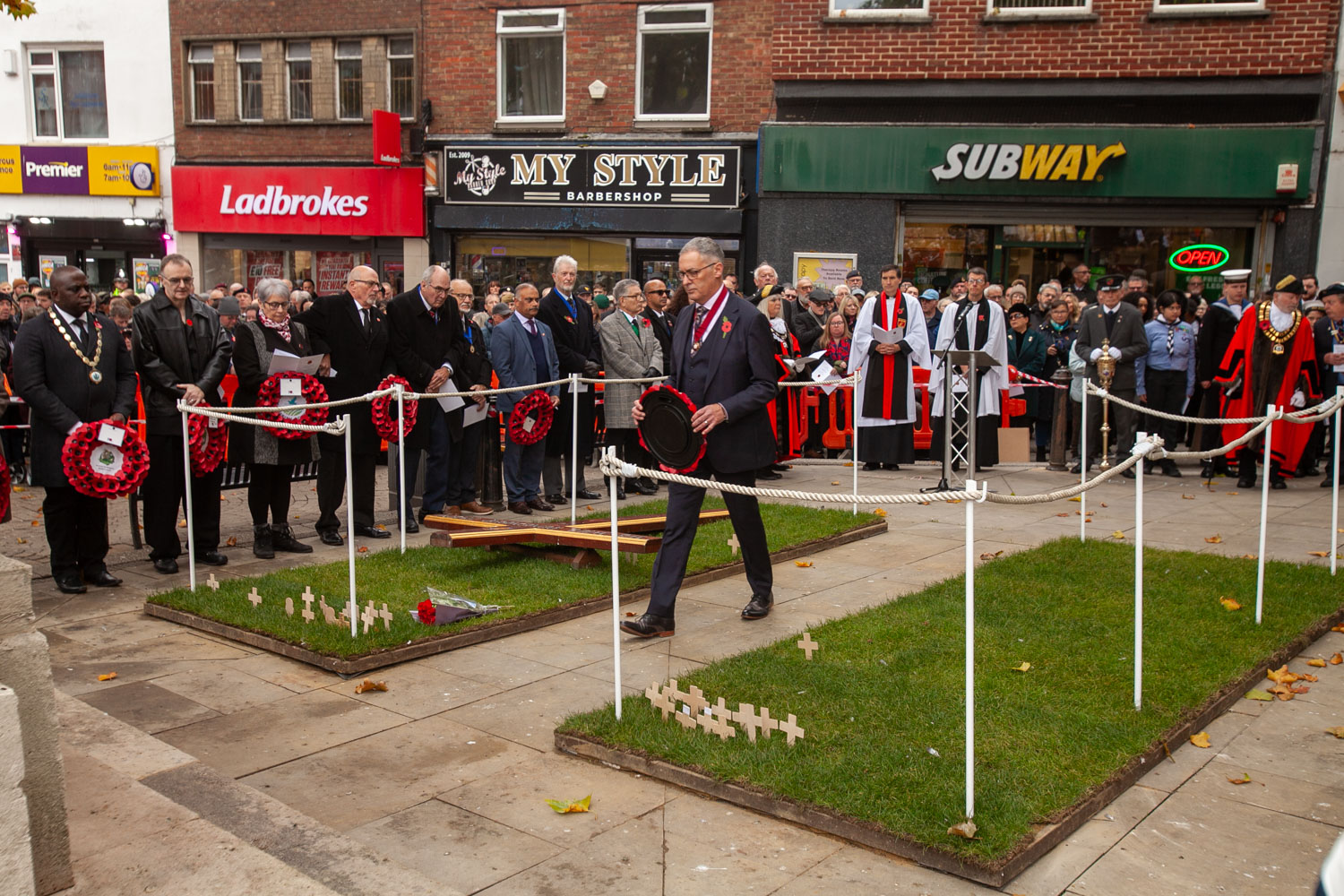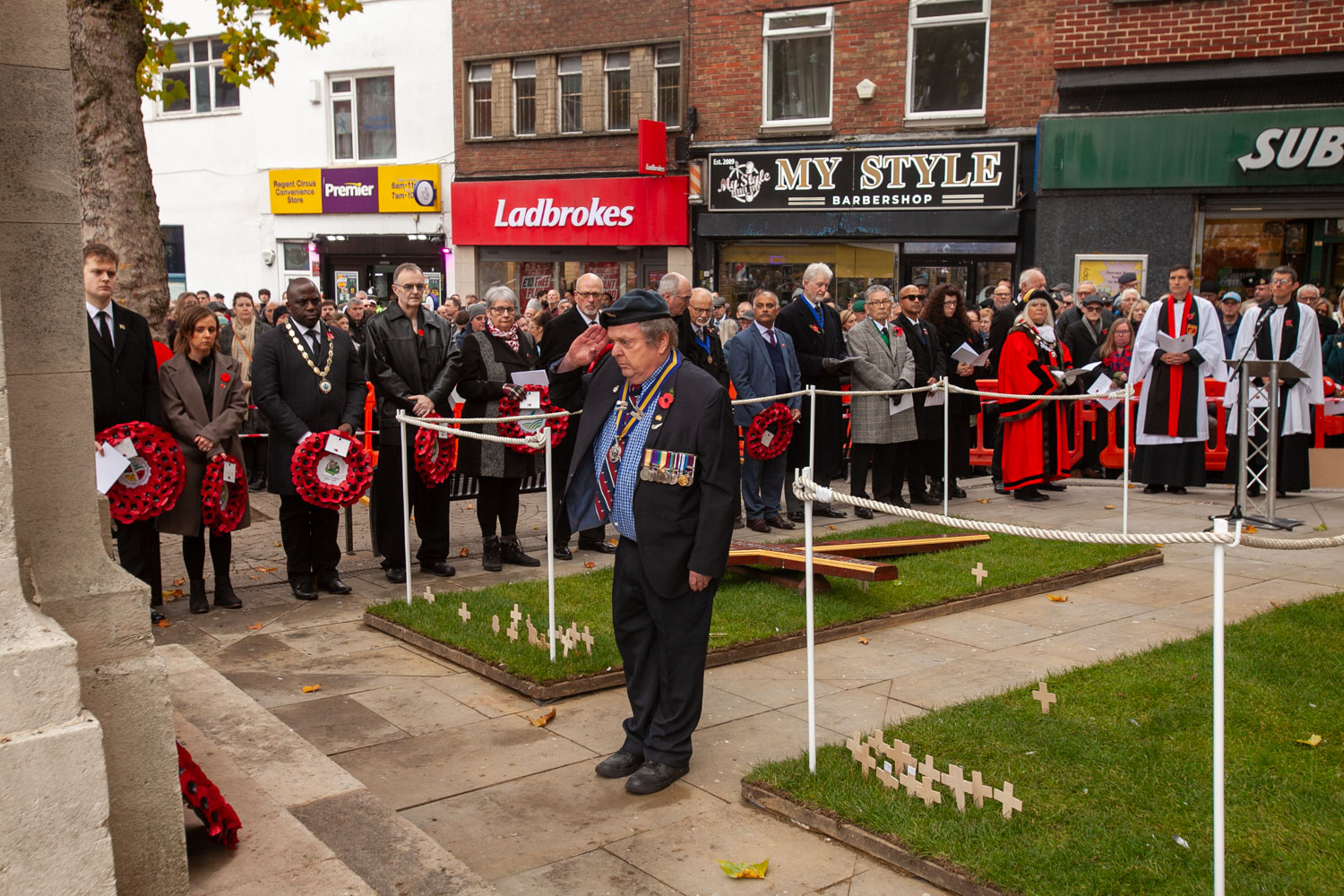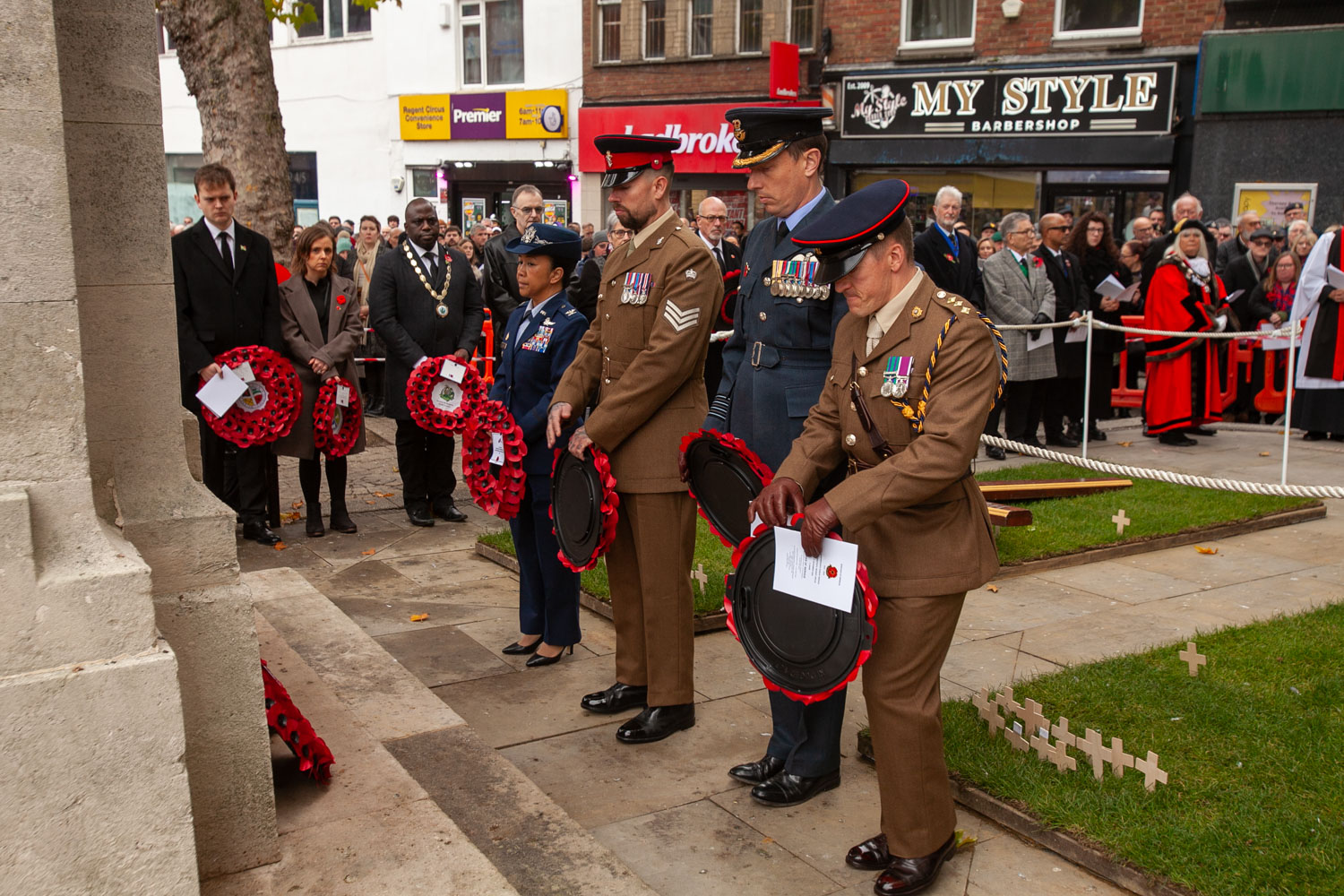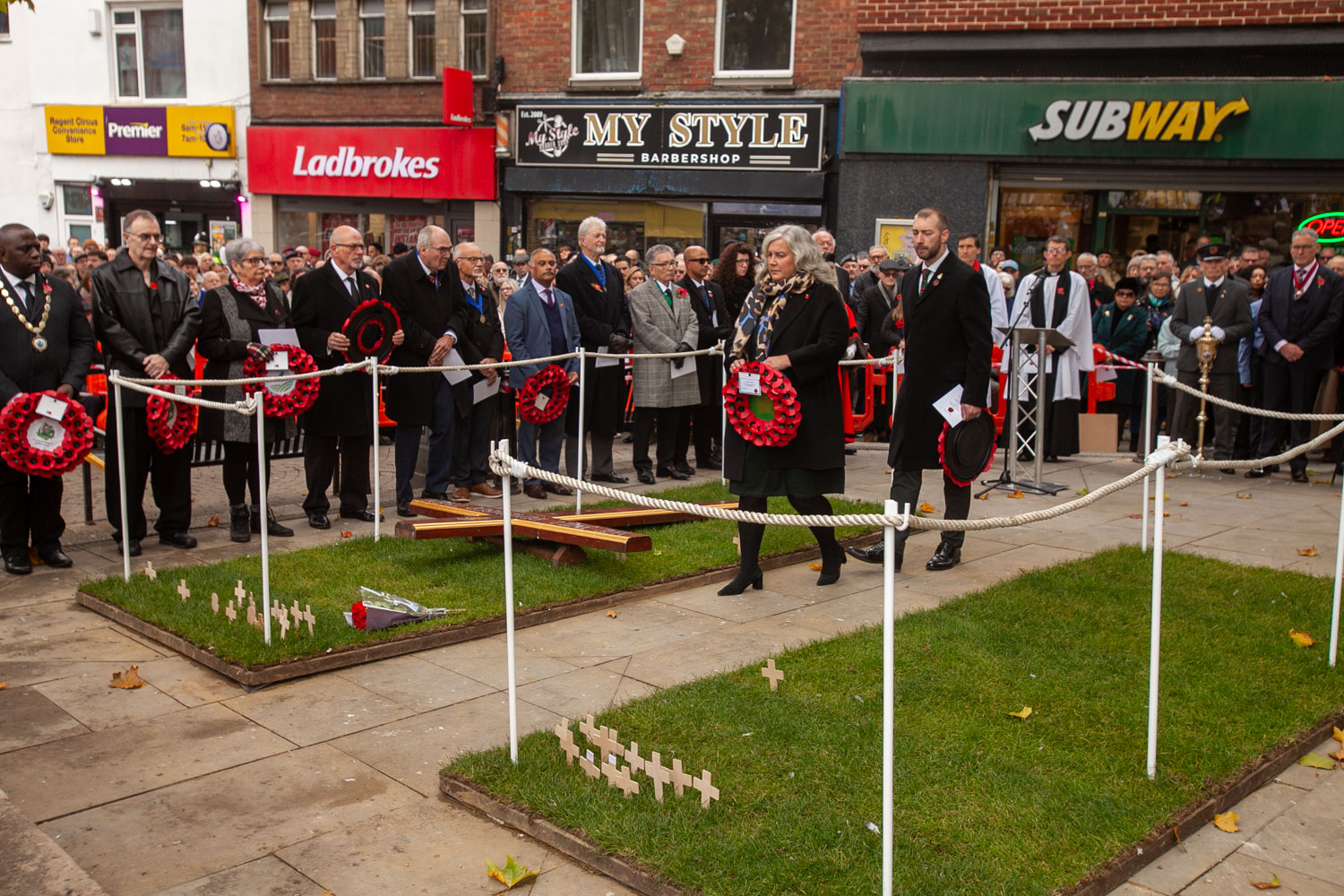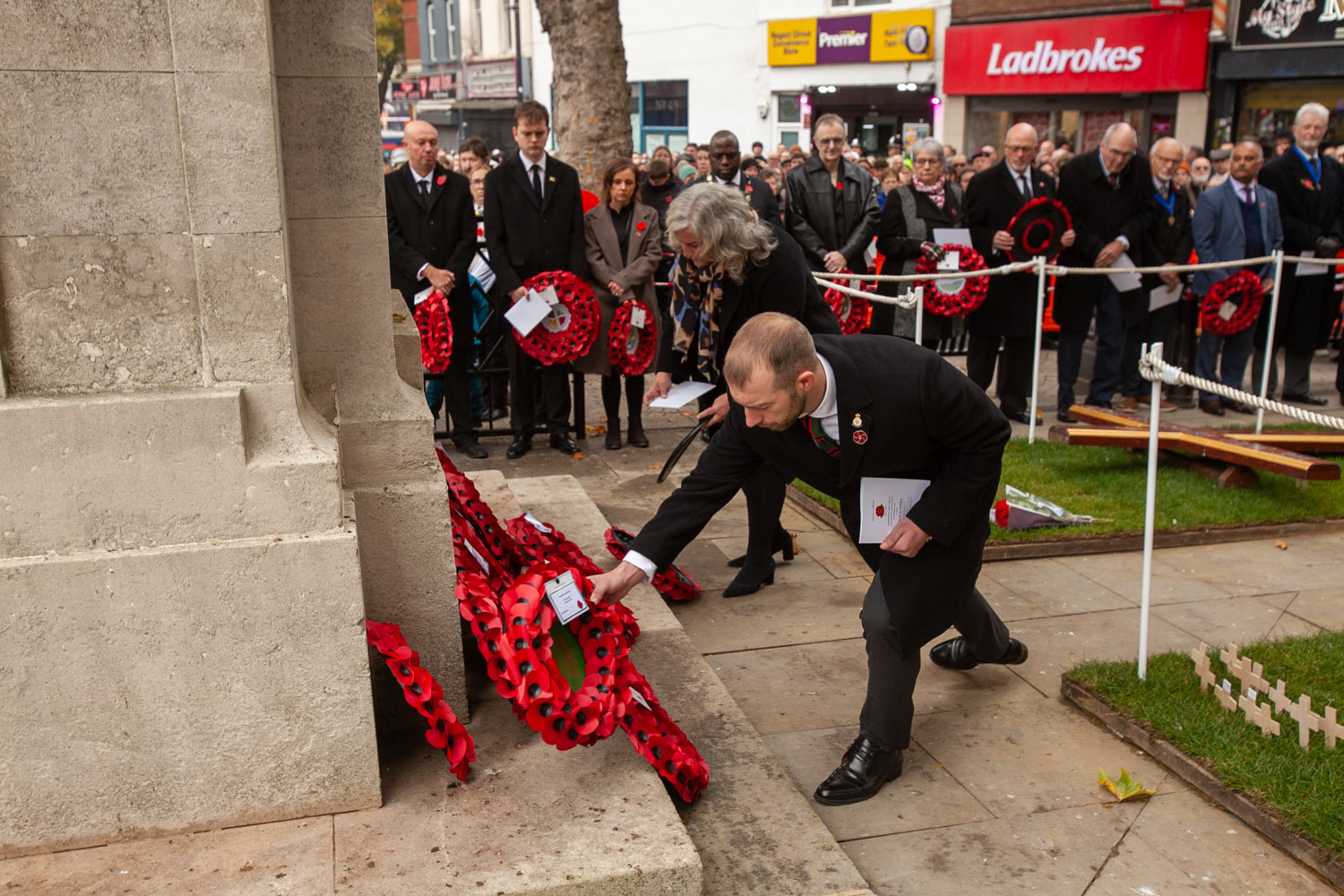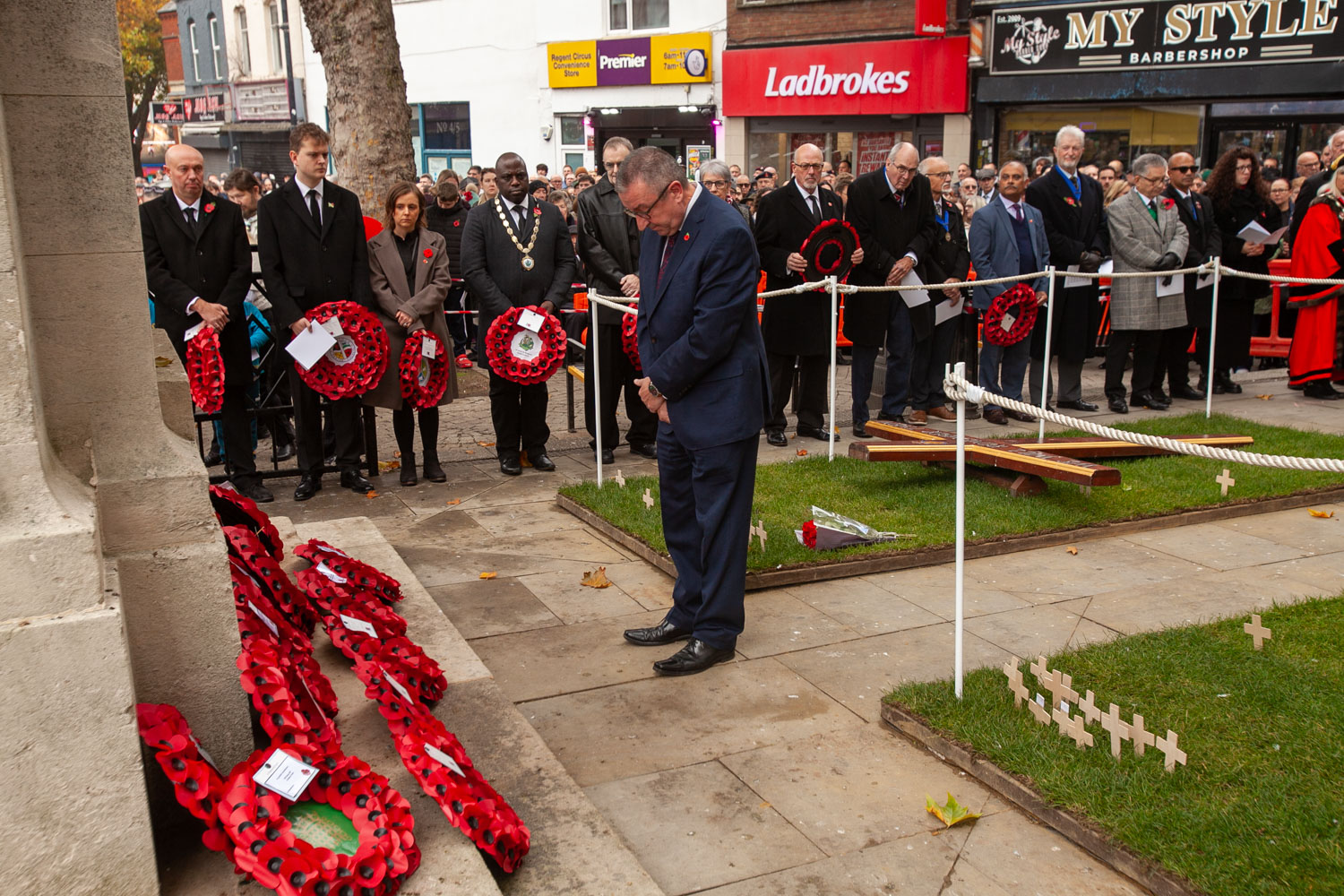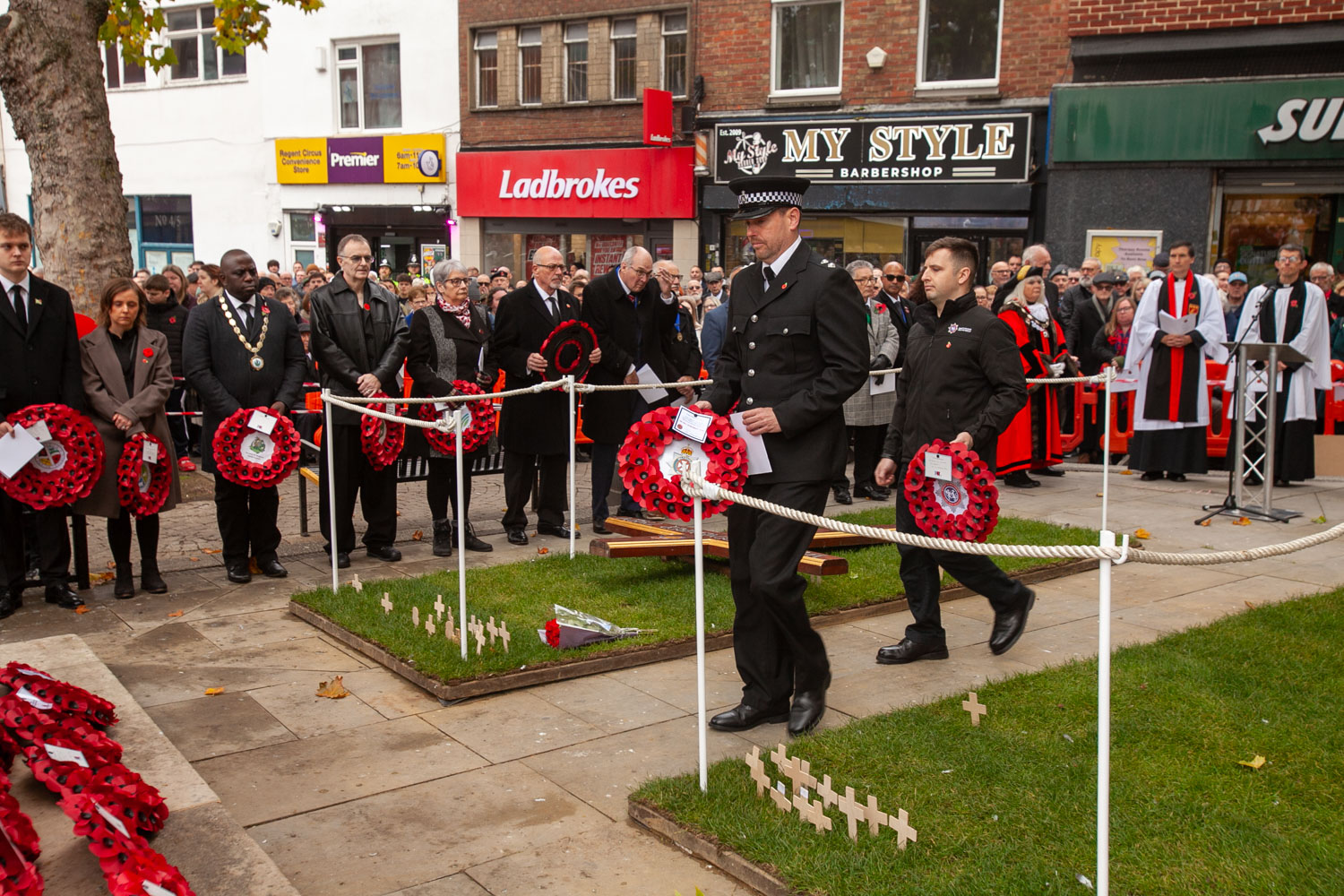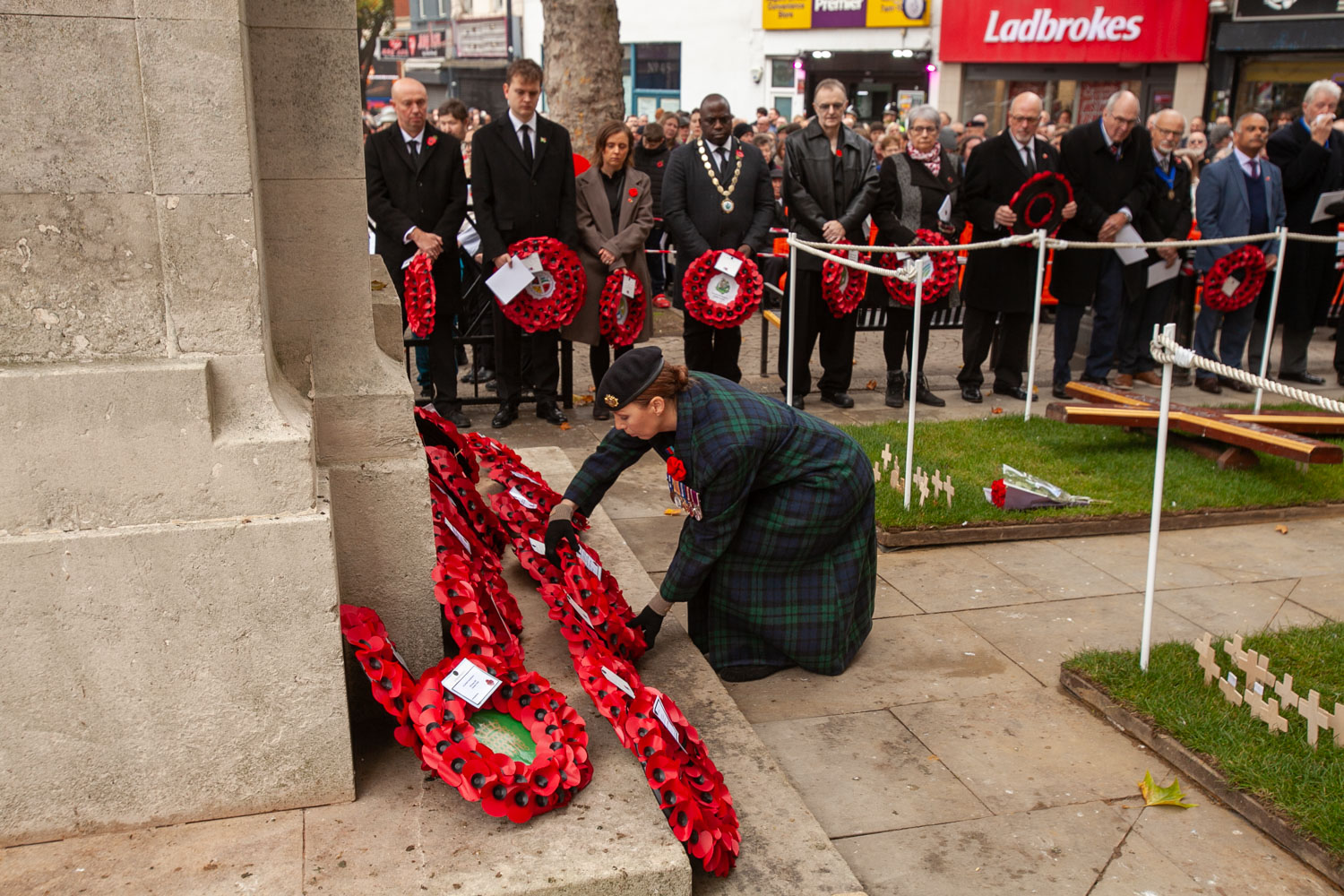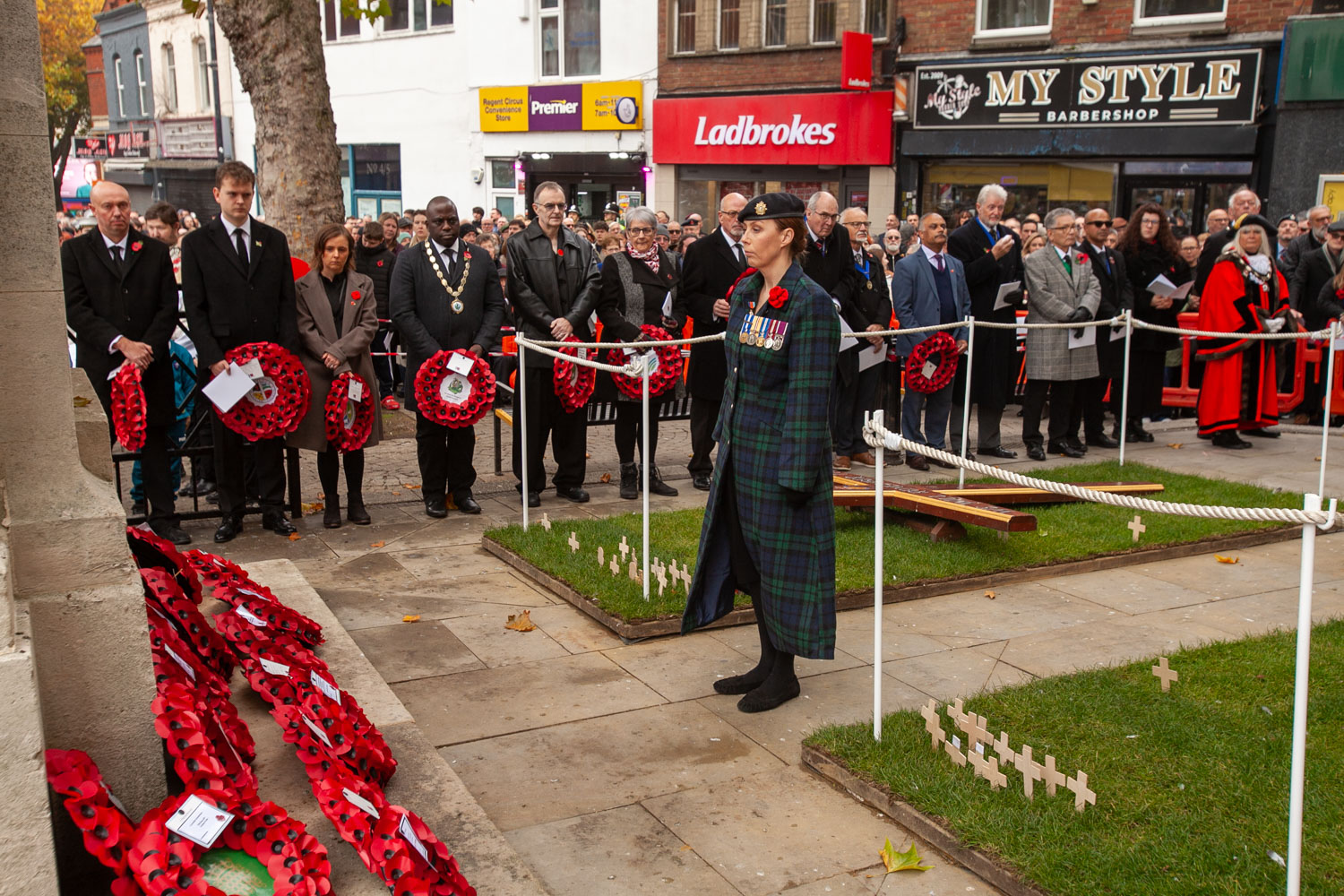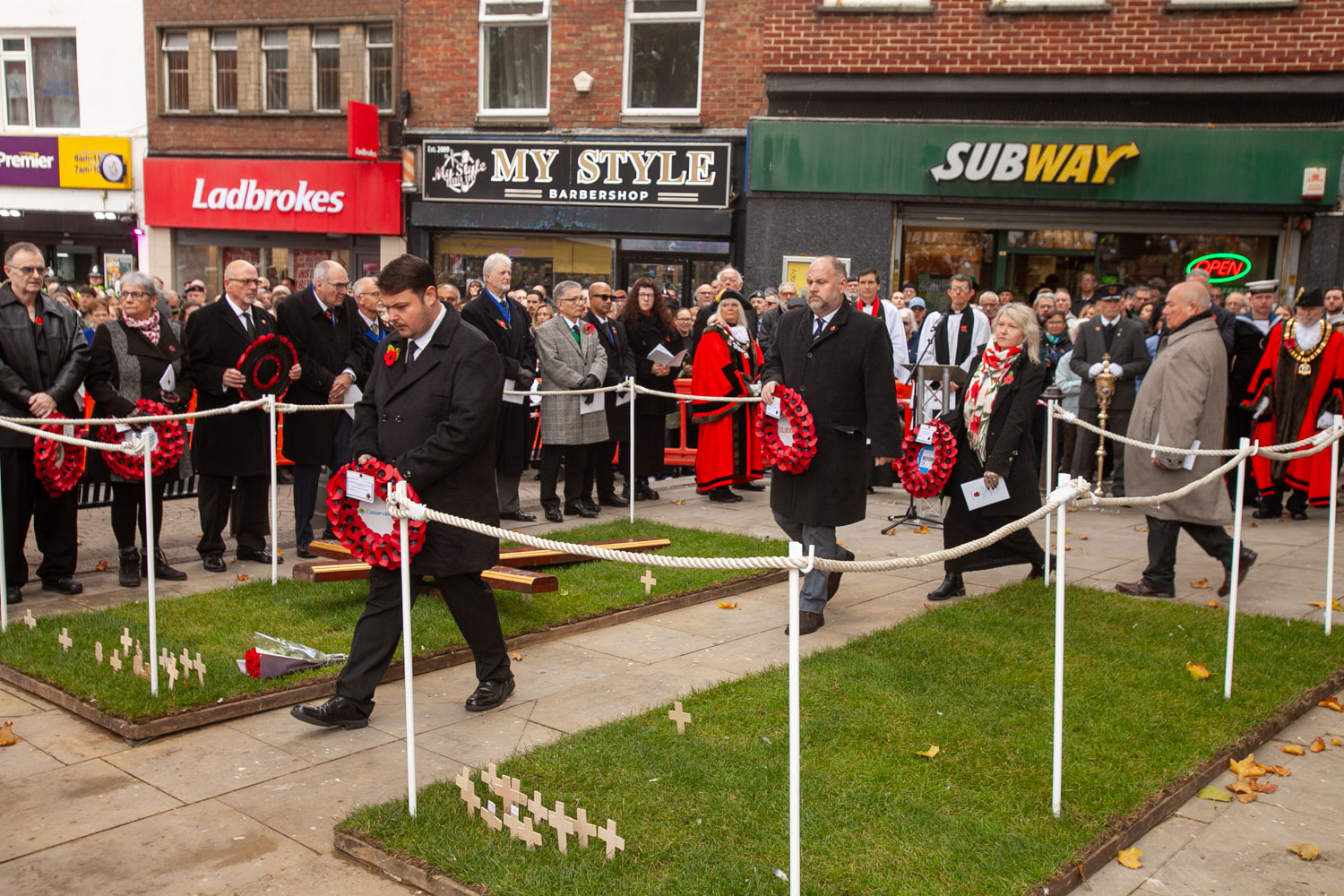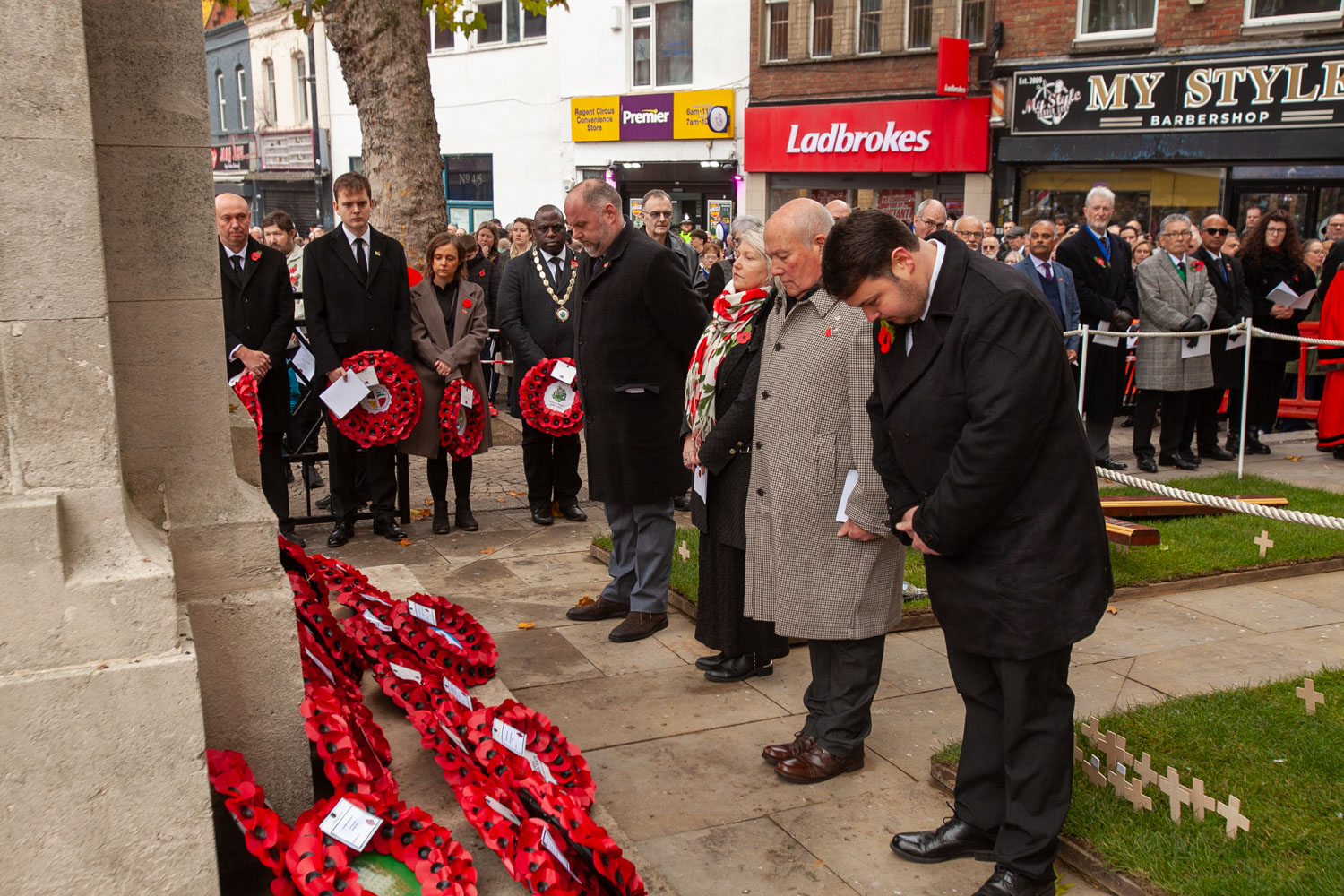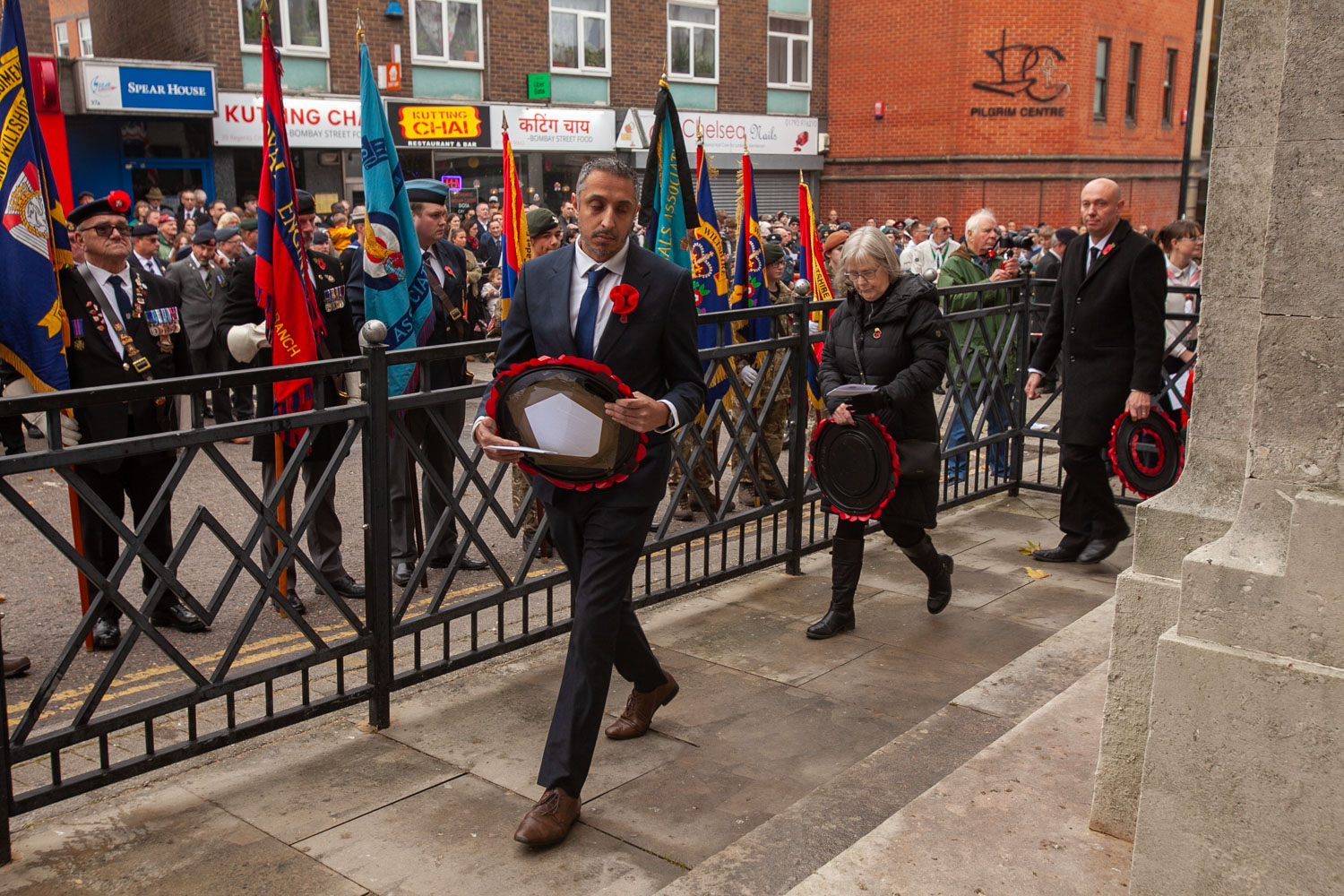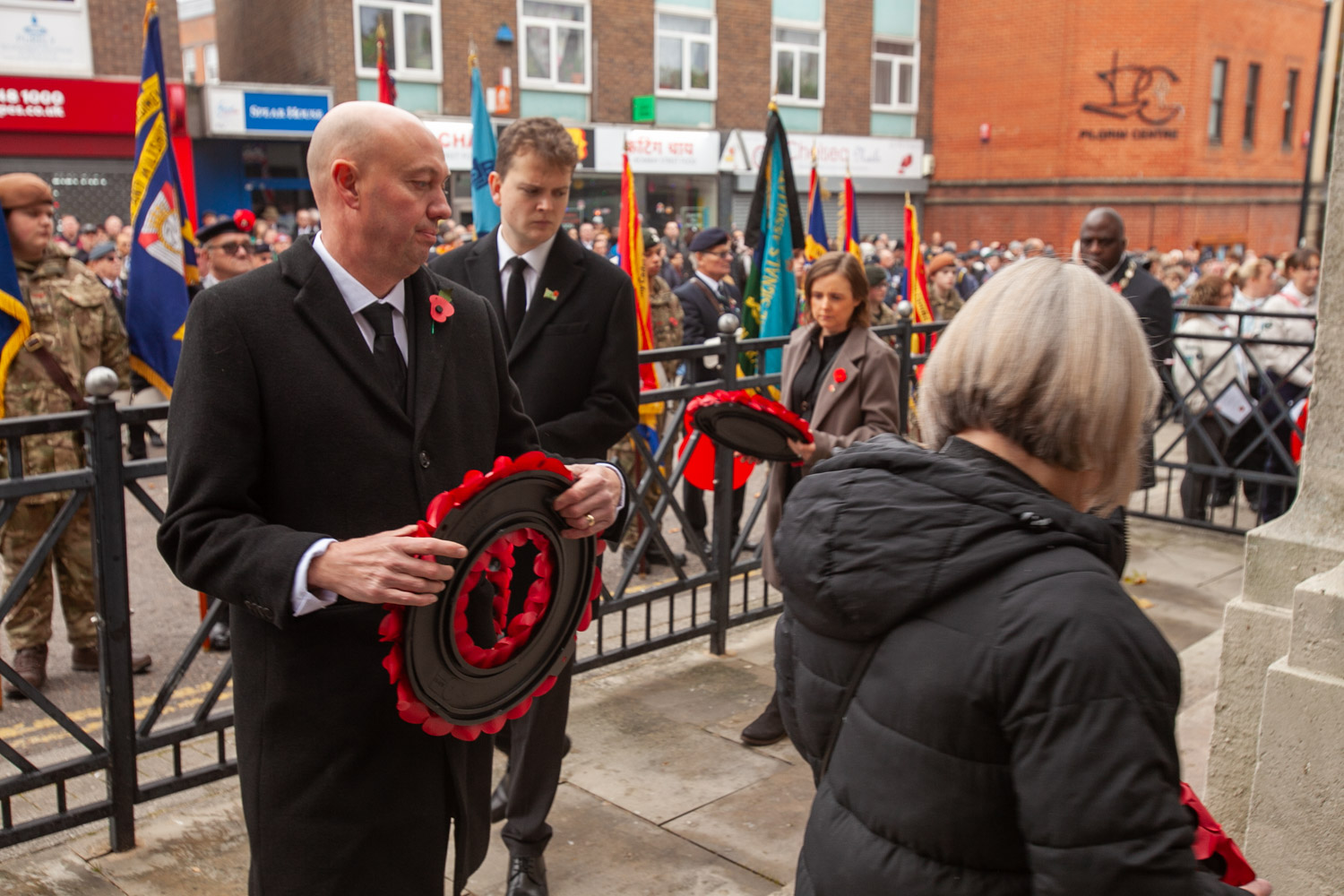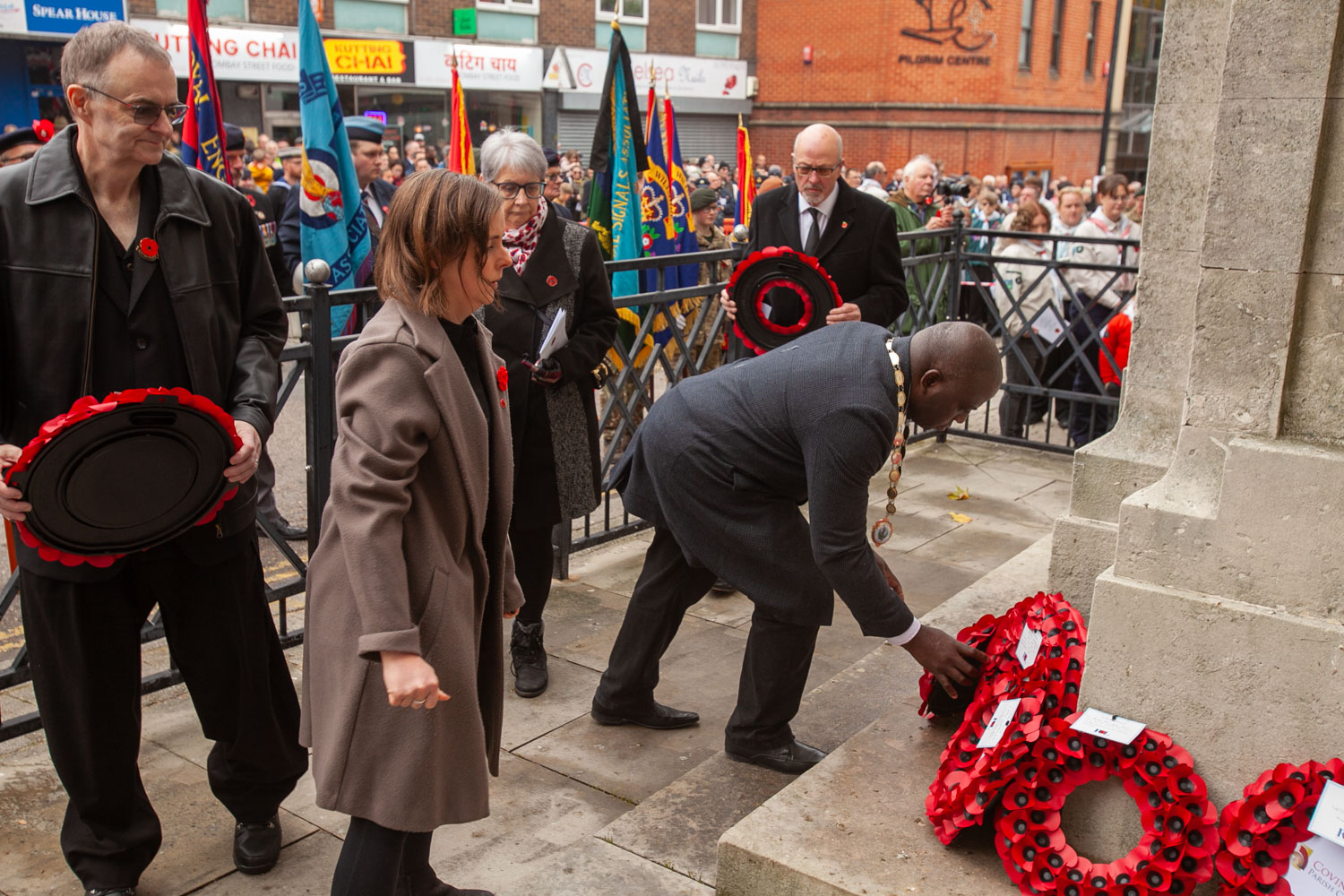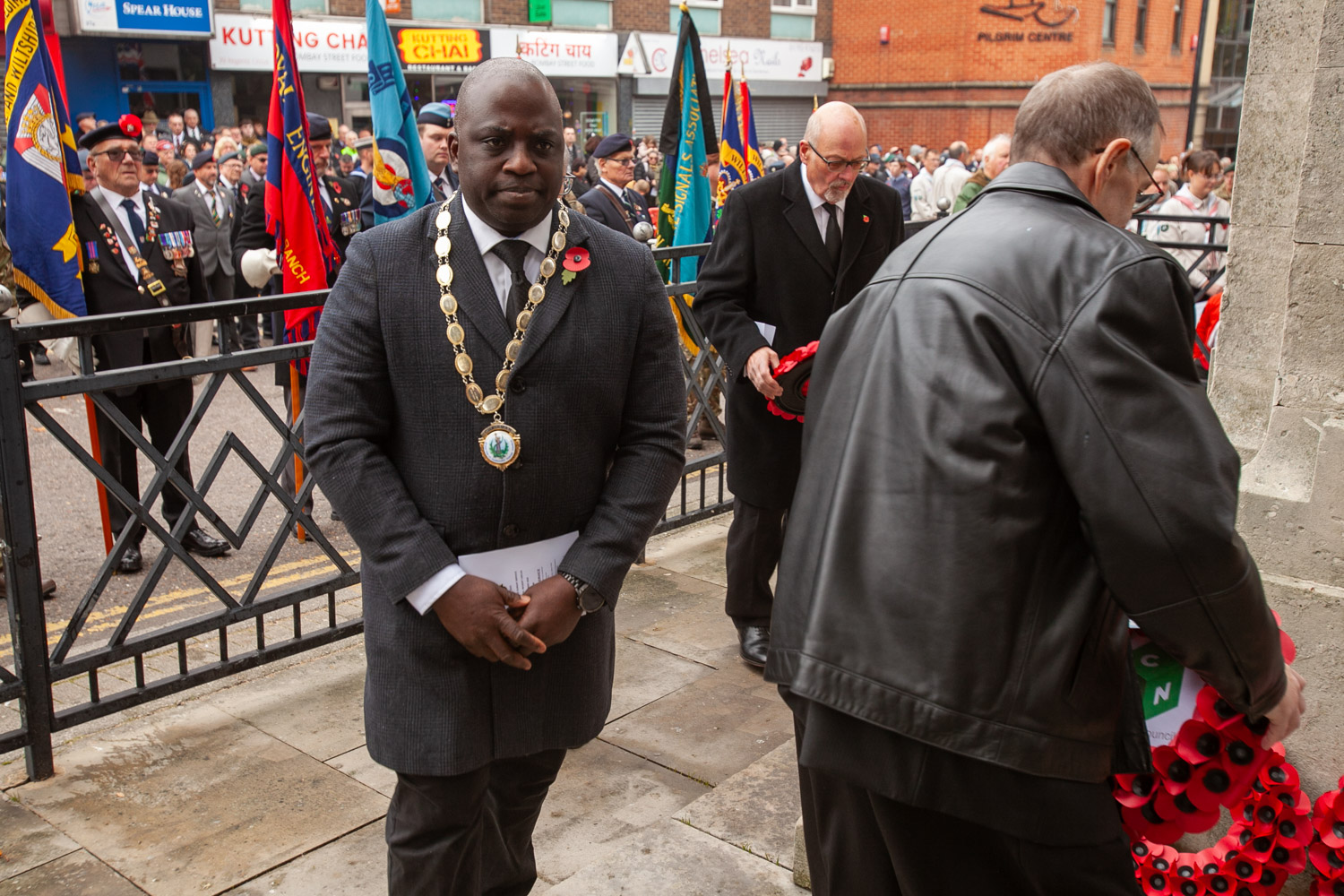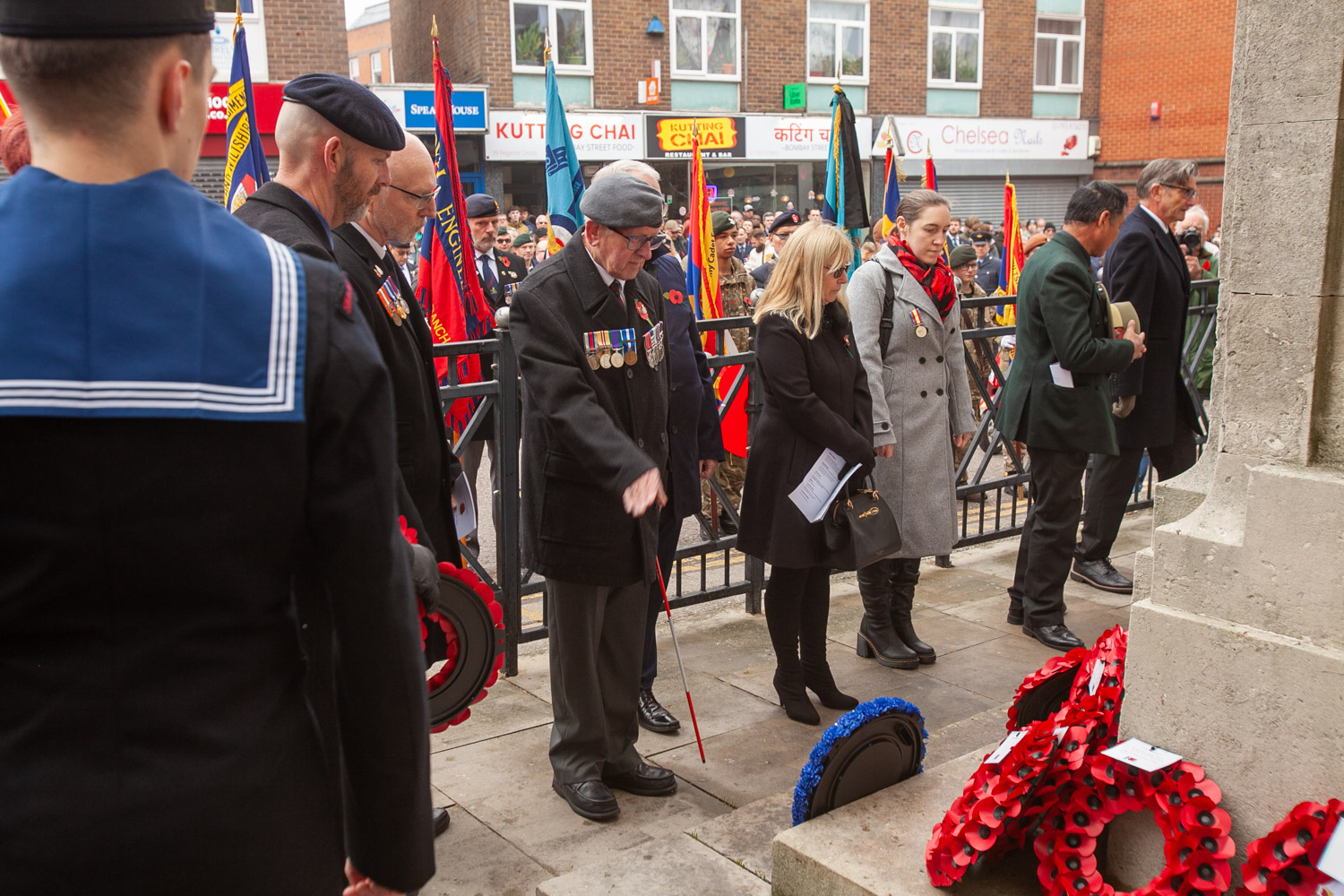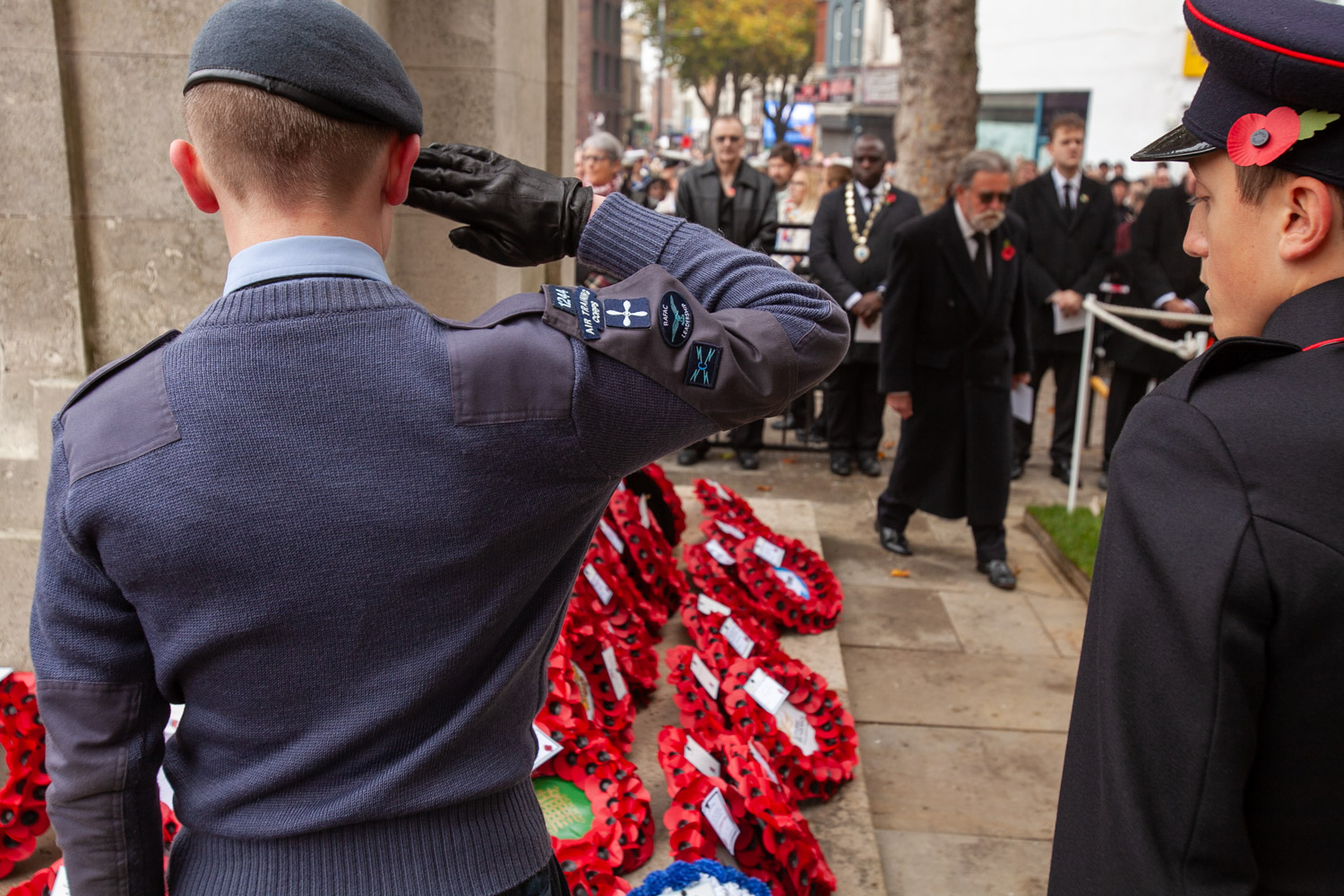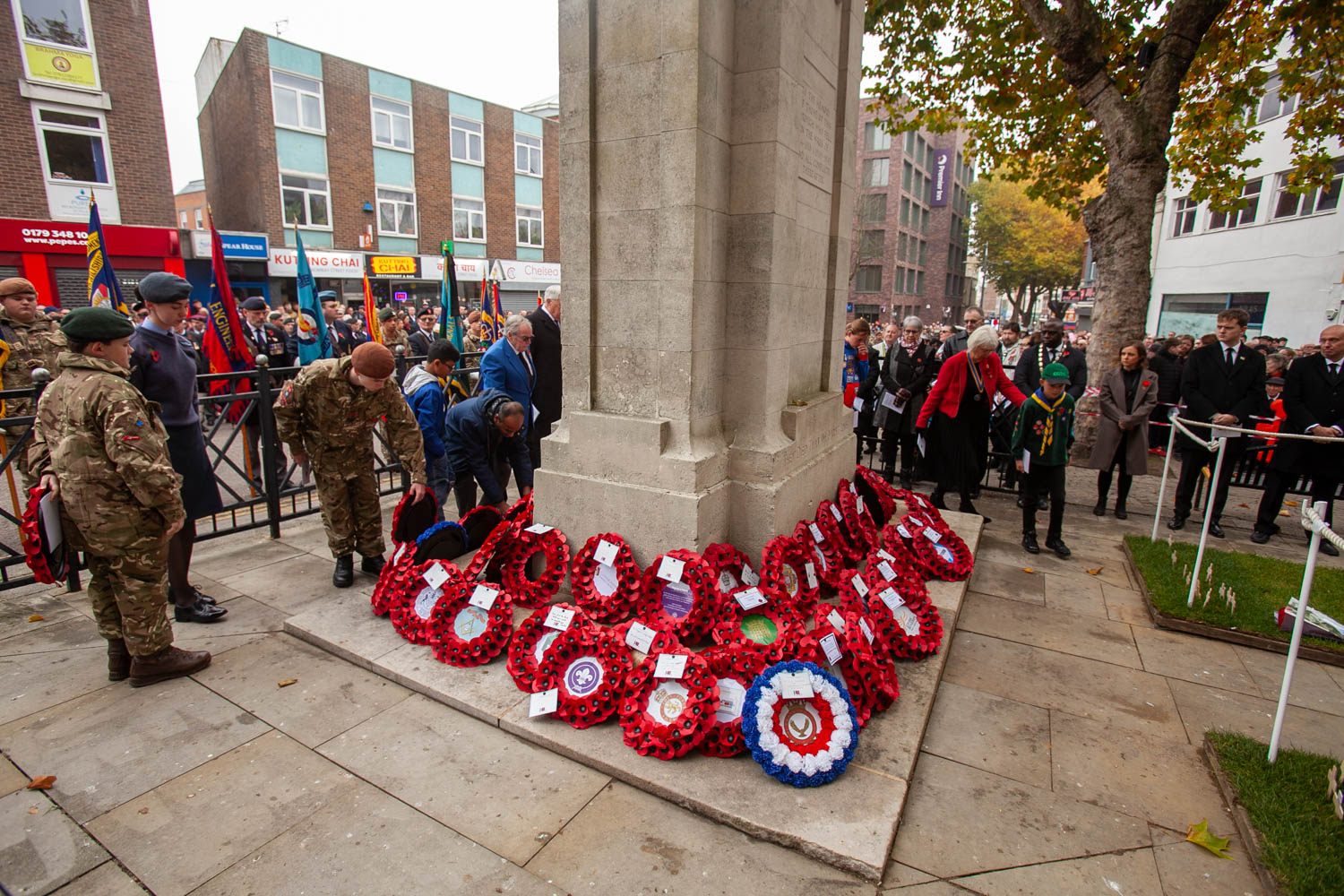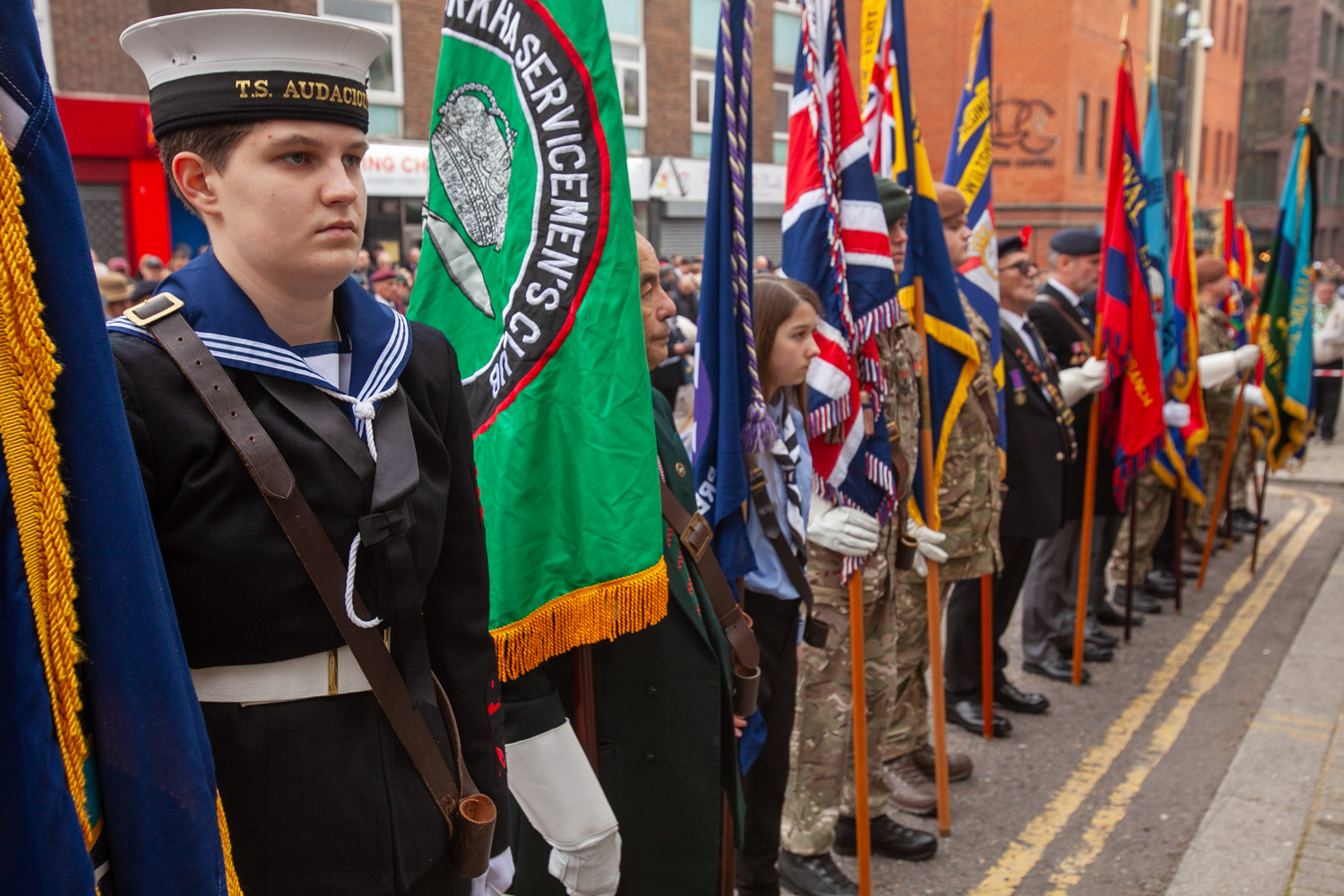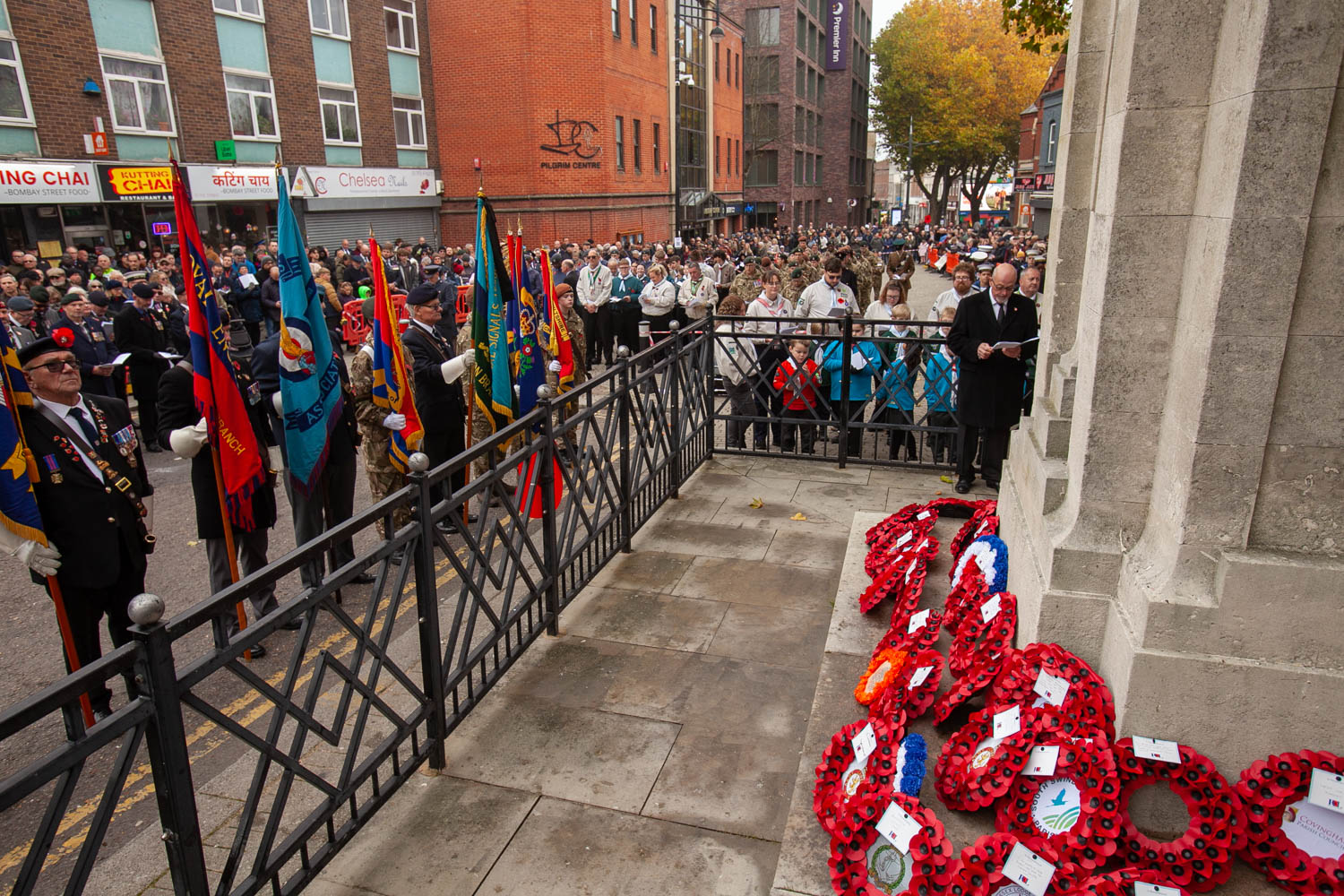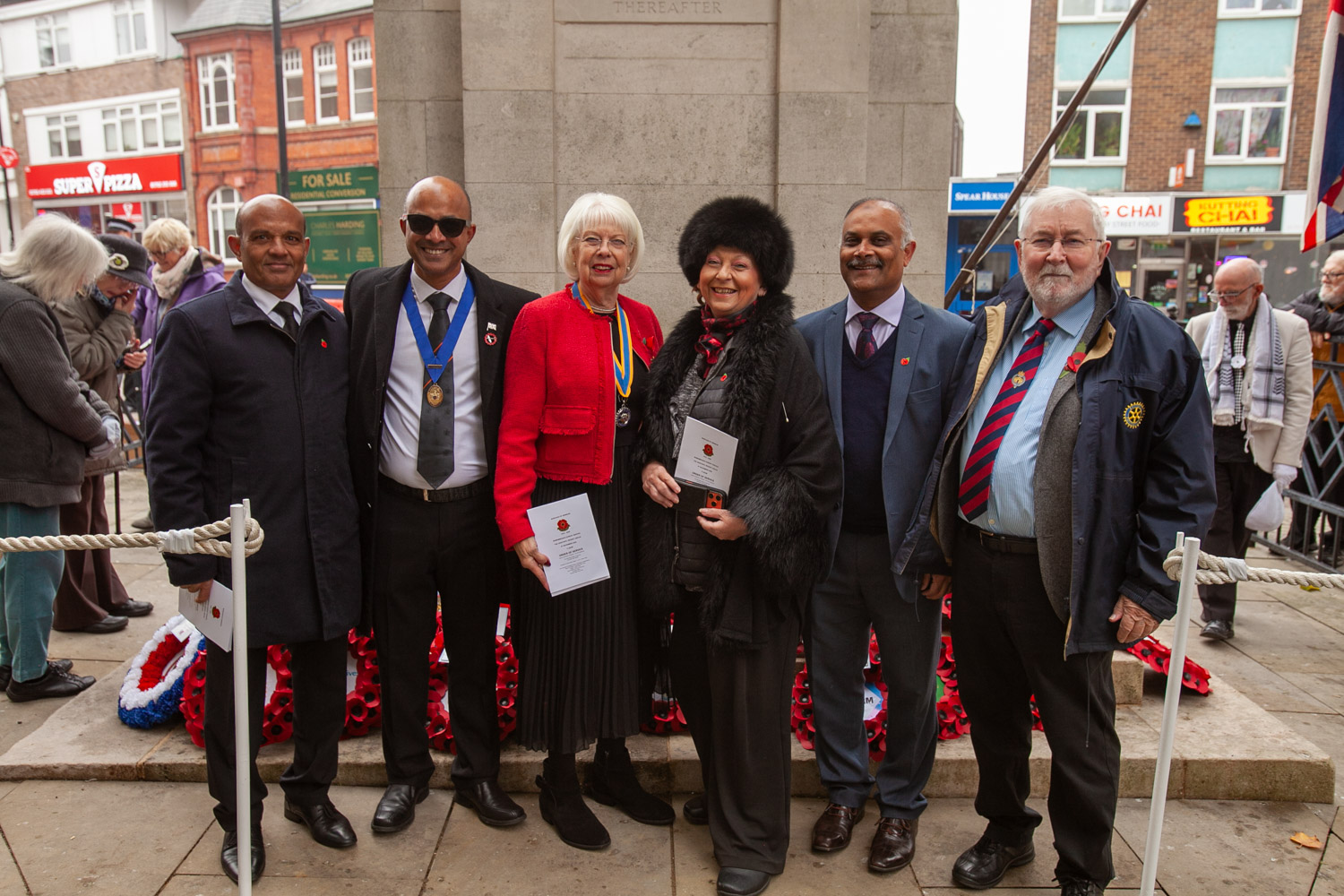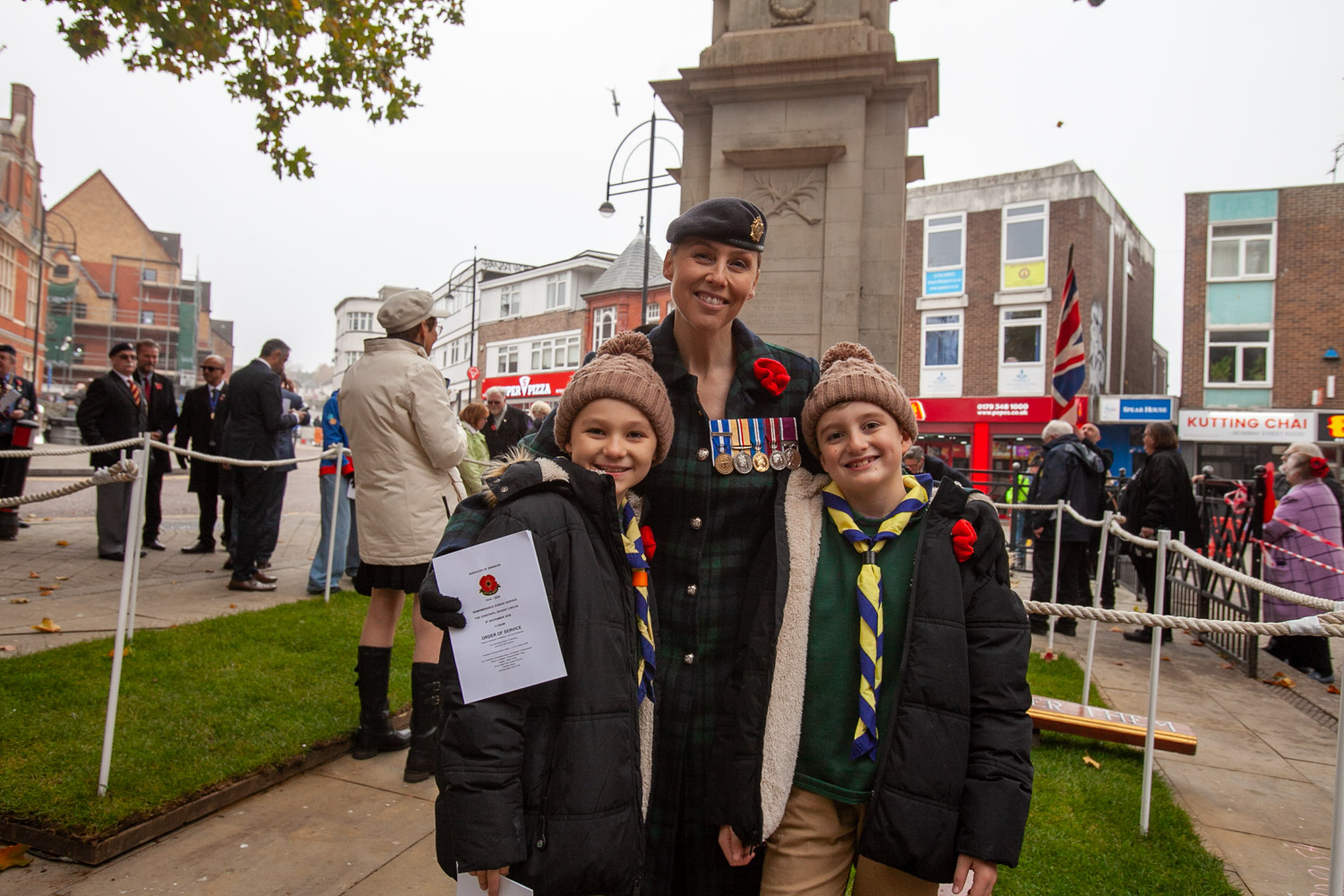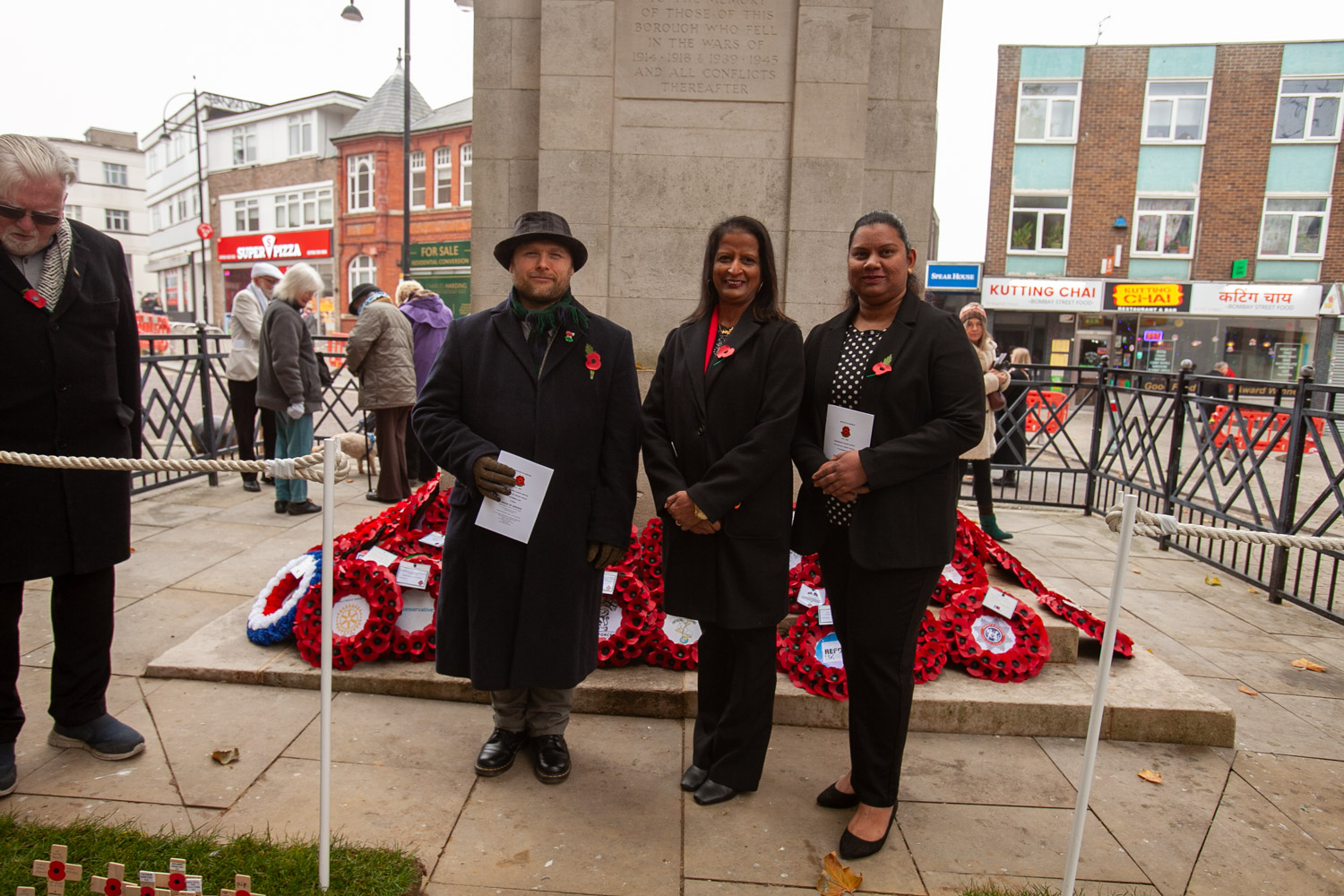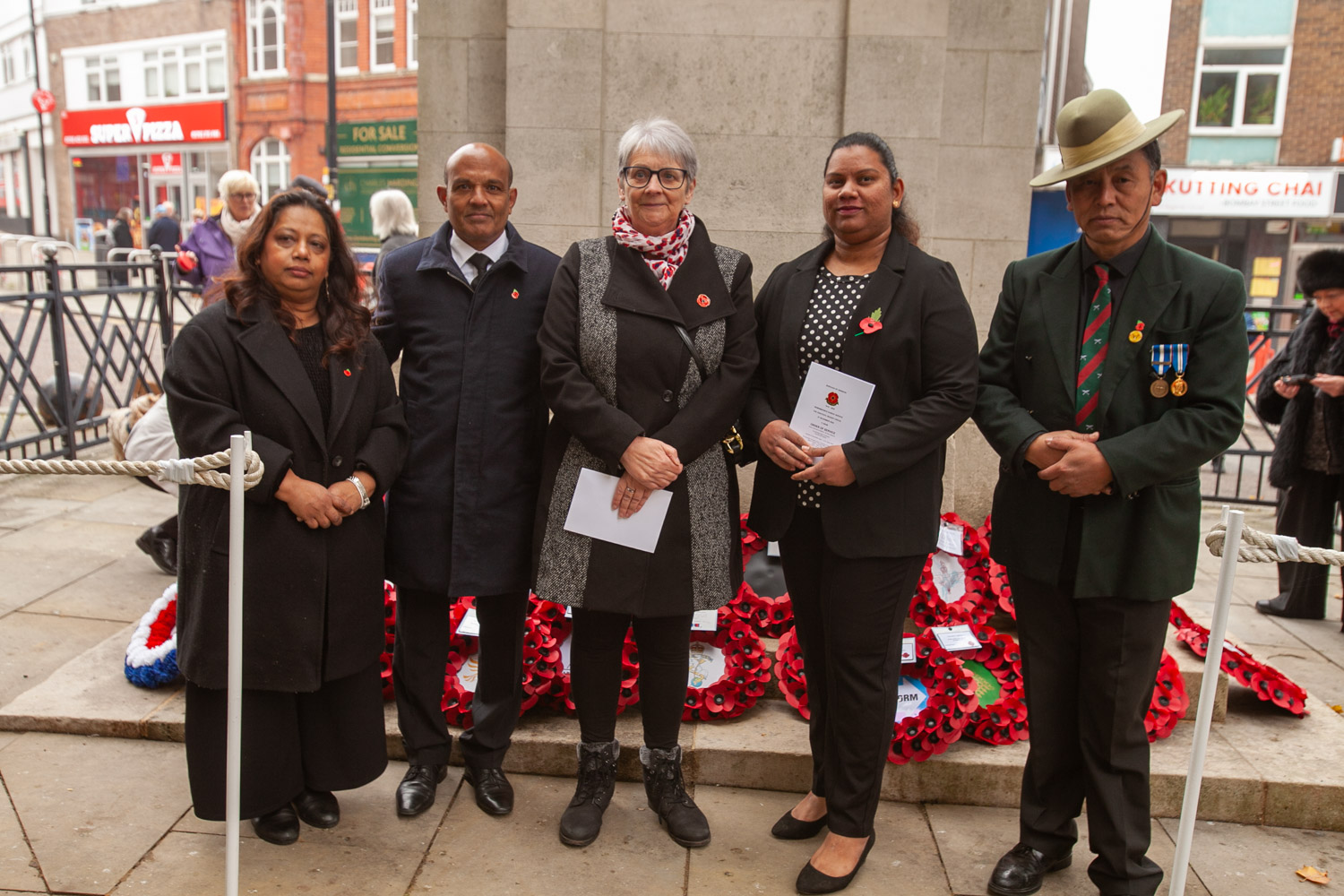

Swindon marked Remembrance Sunday with a moving service at the town centre Cenotaph, drawing a strong turnout from residents of all ages.
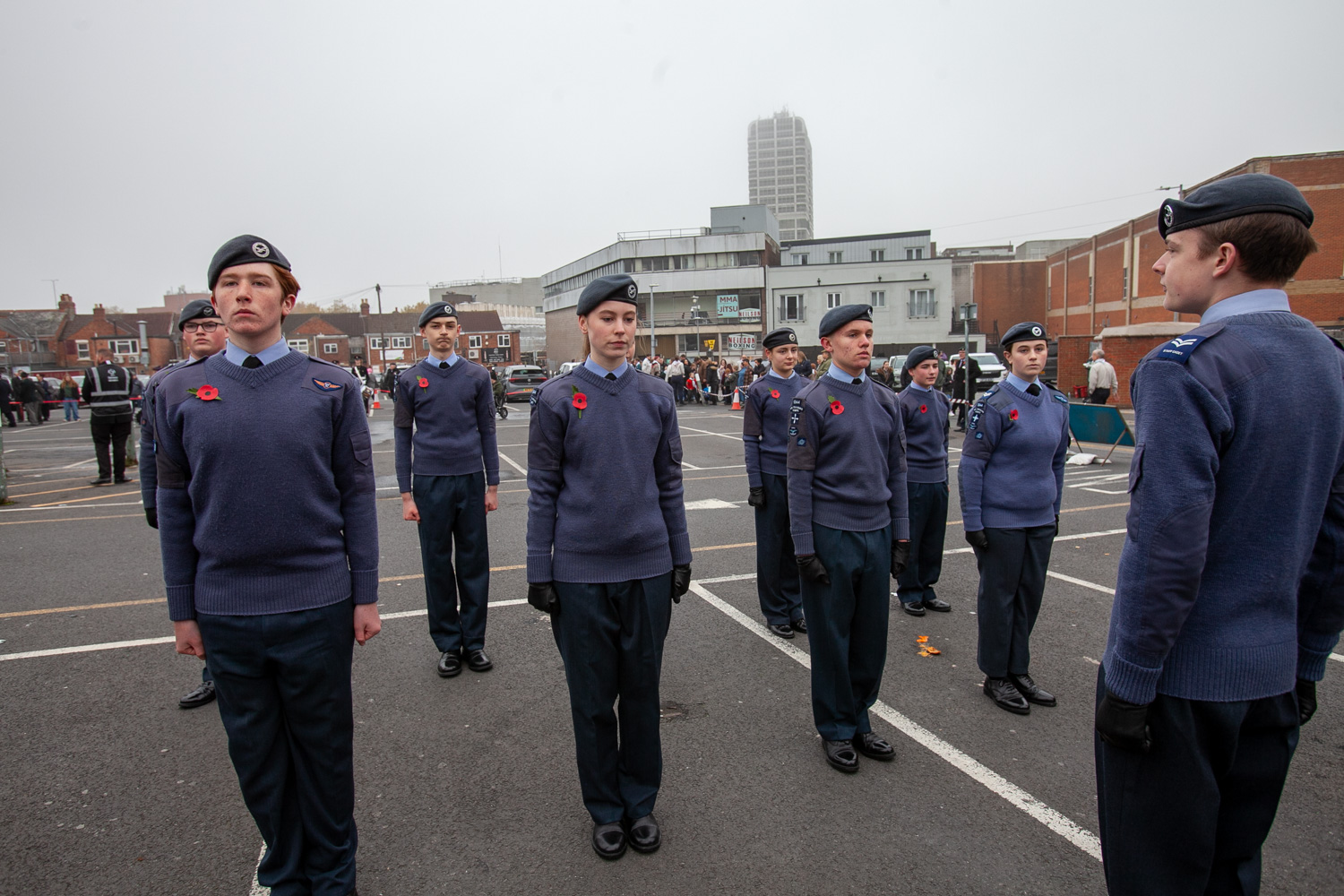
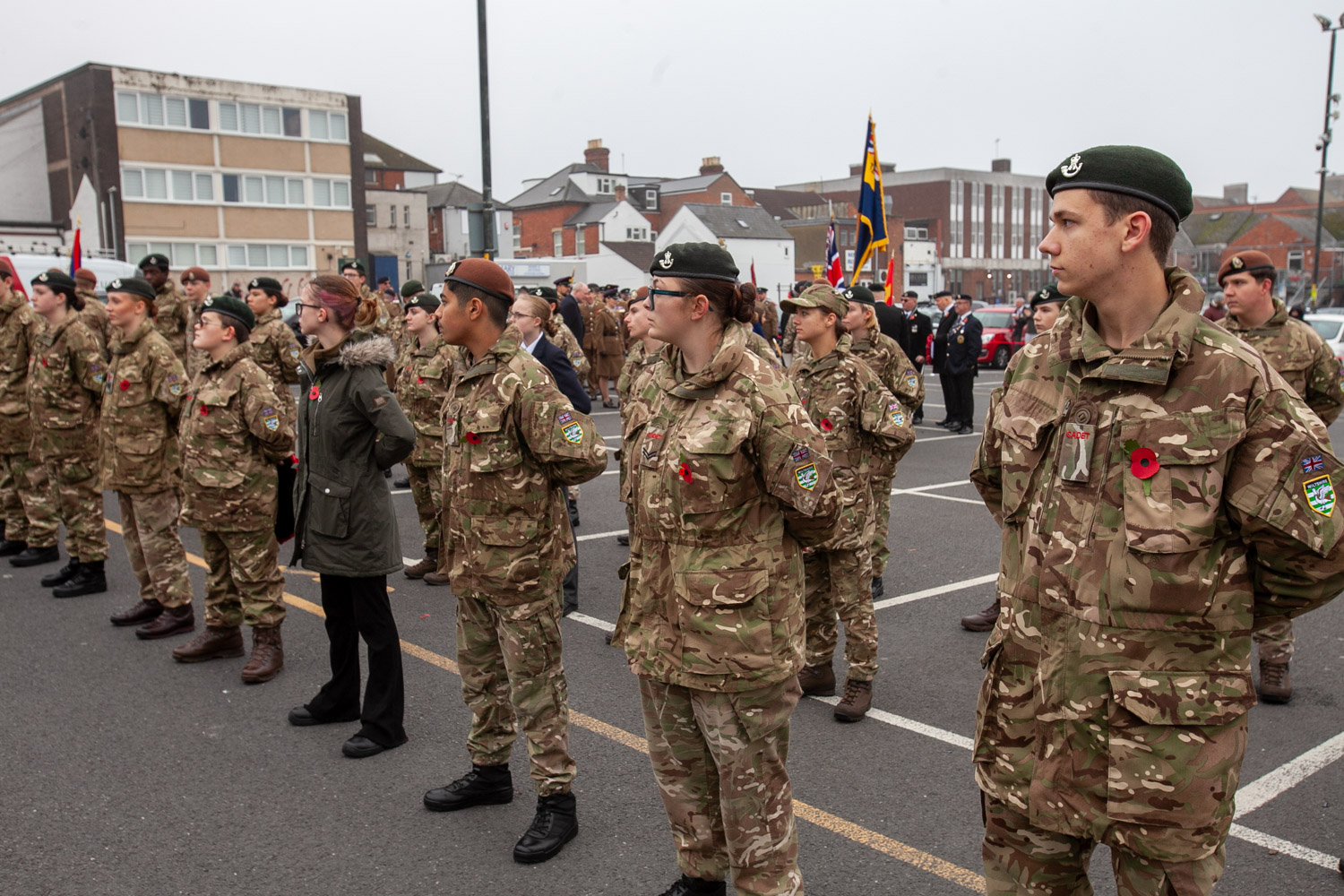
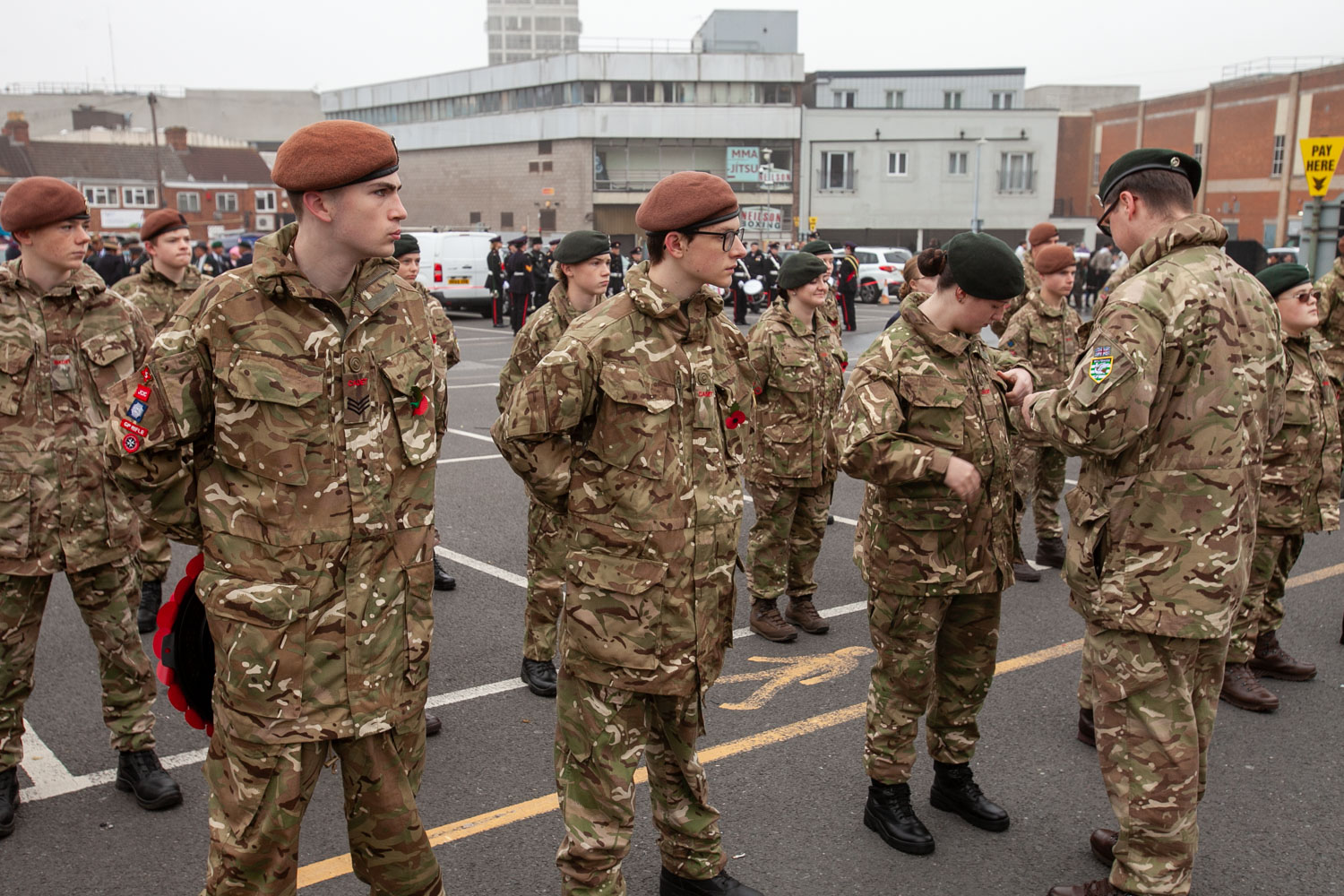
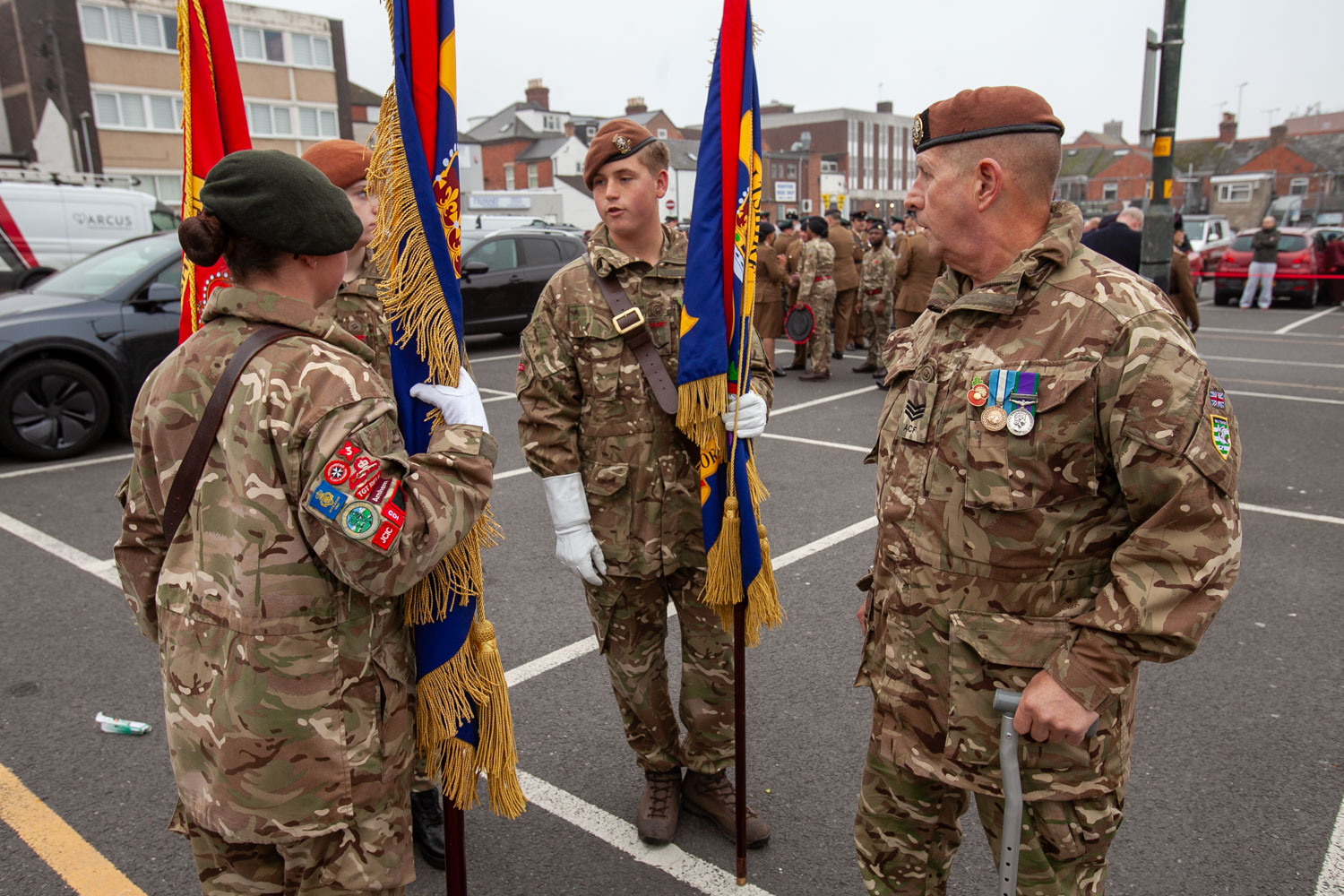
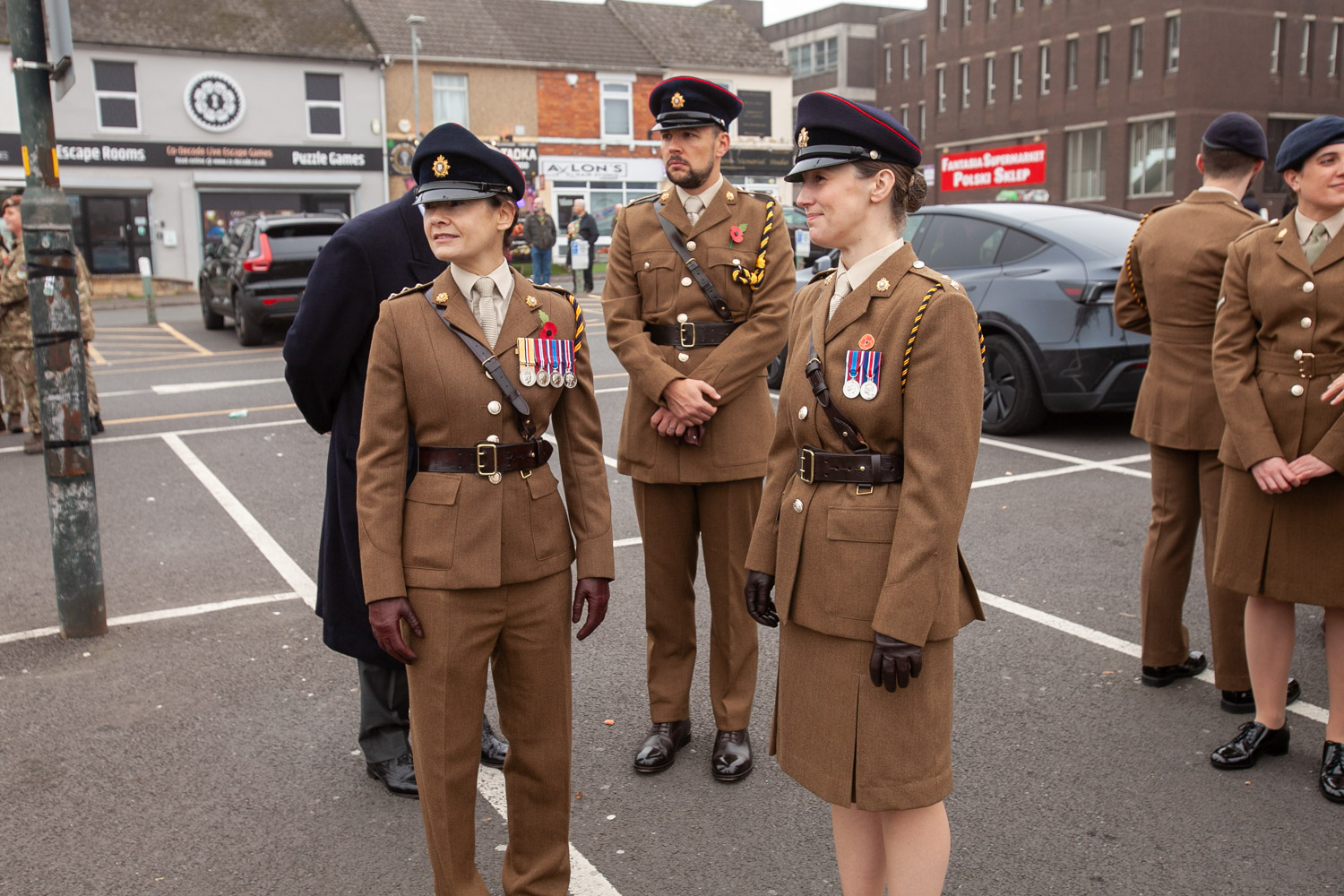
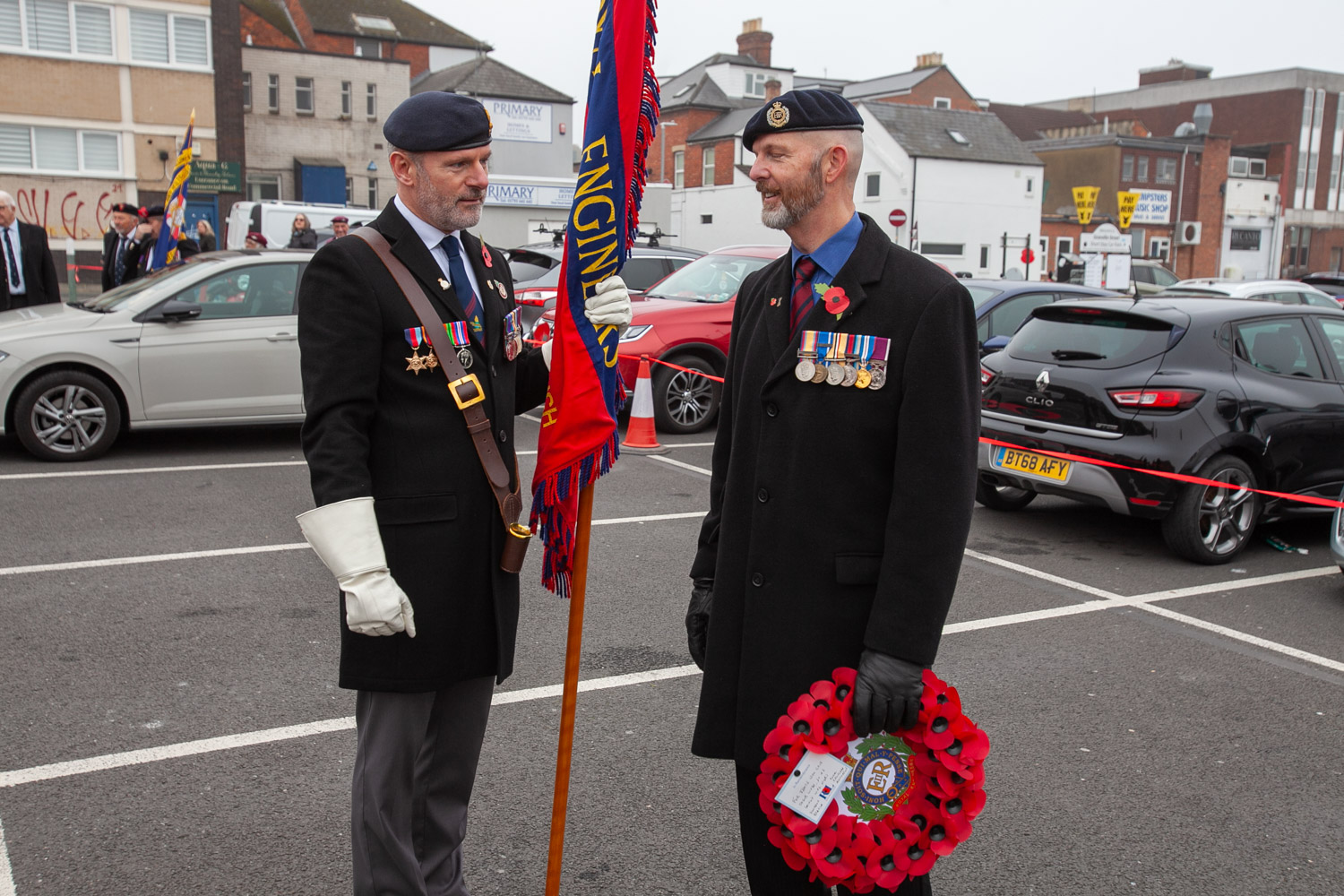
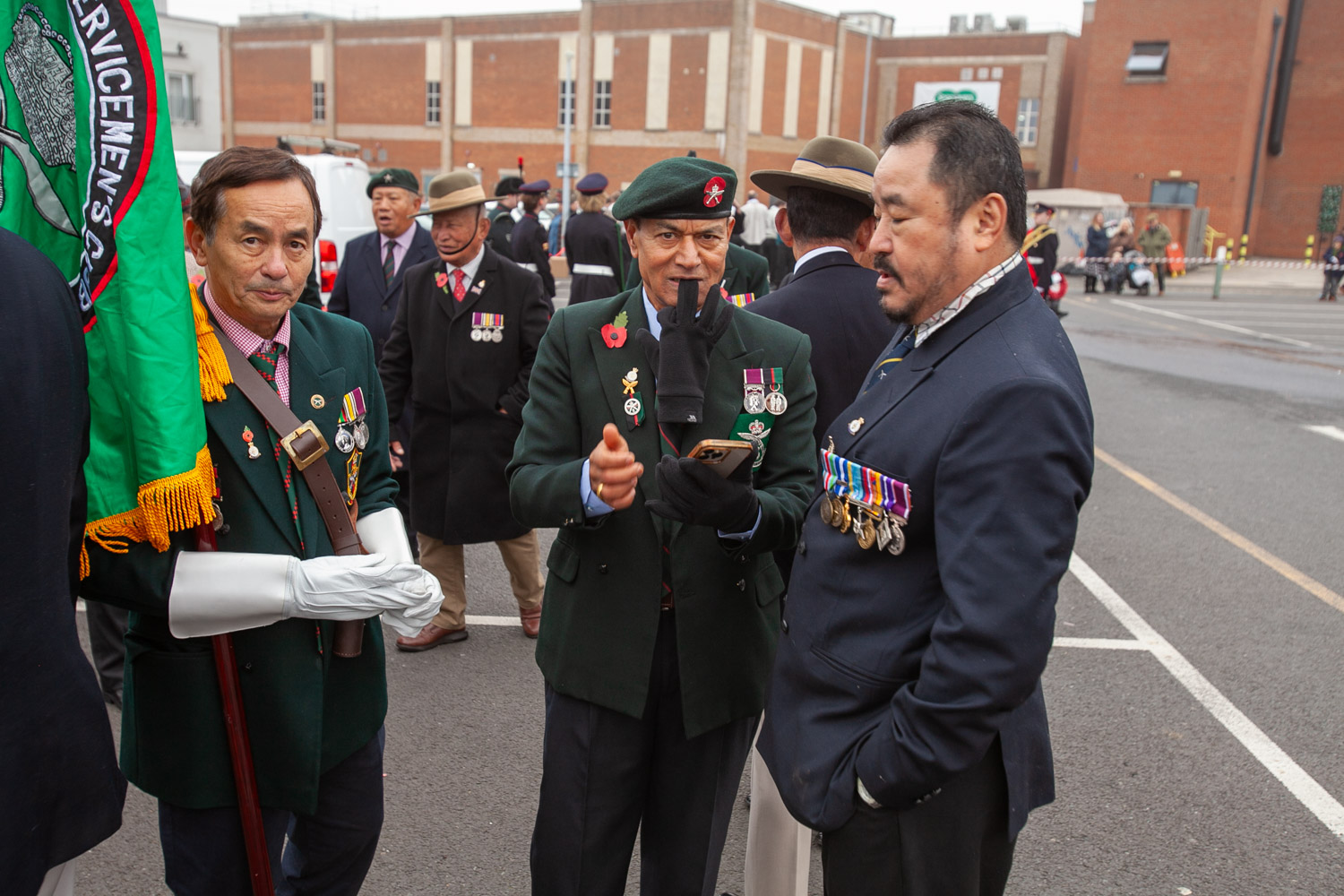
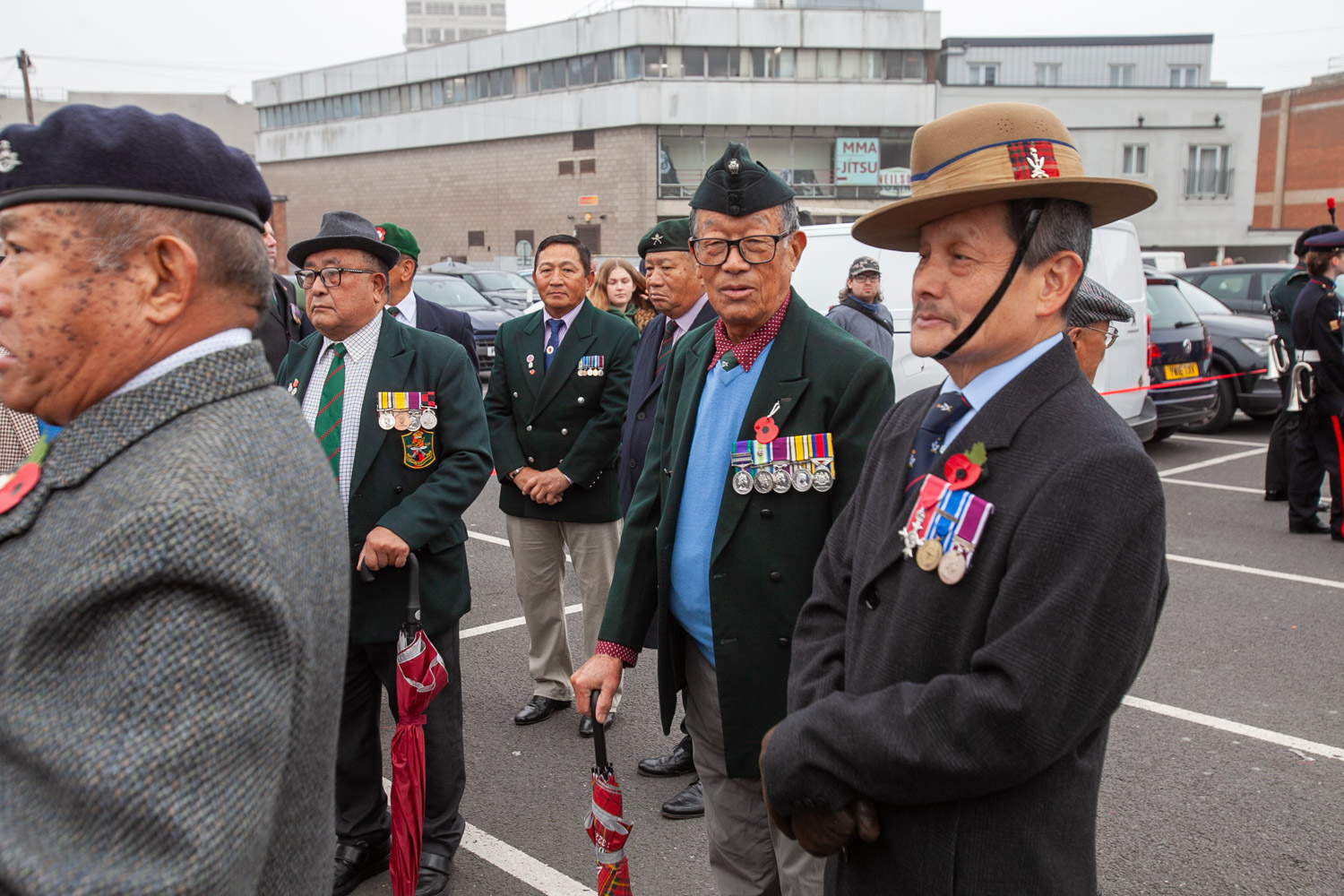
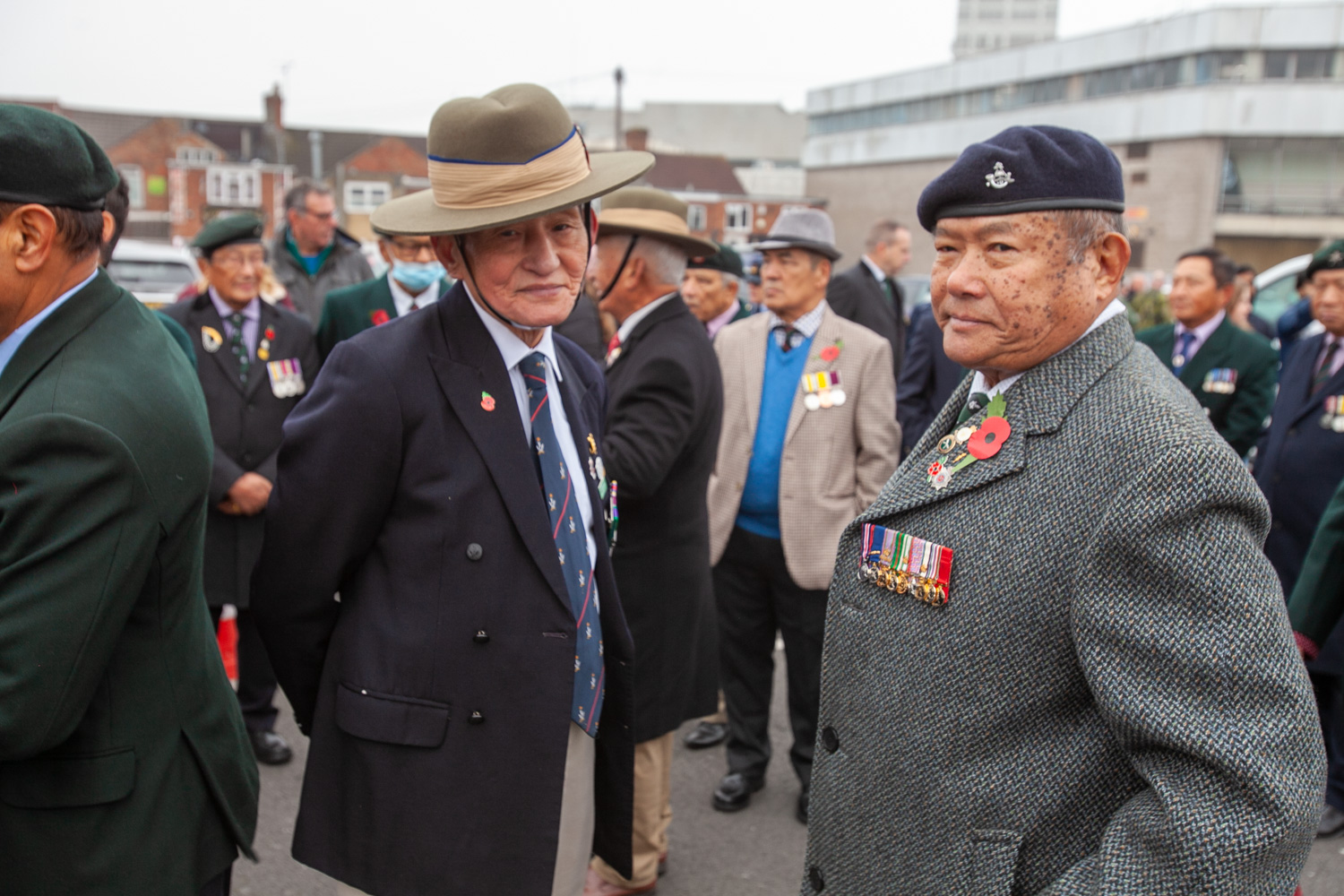
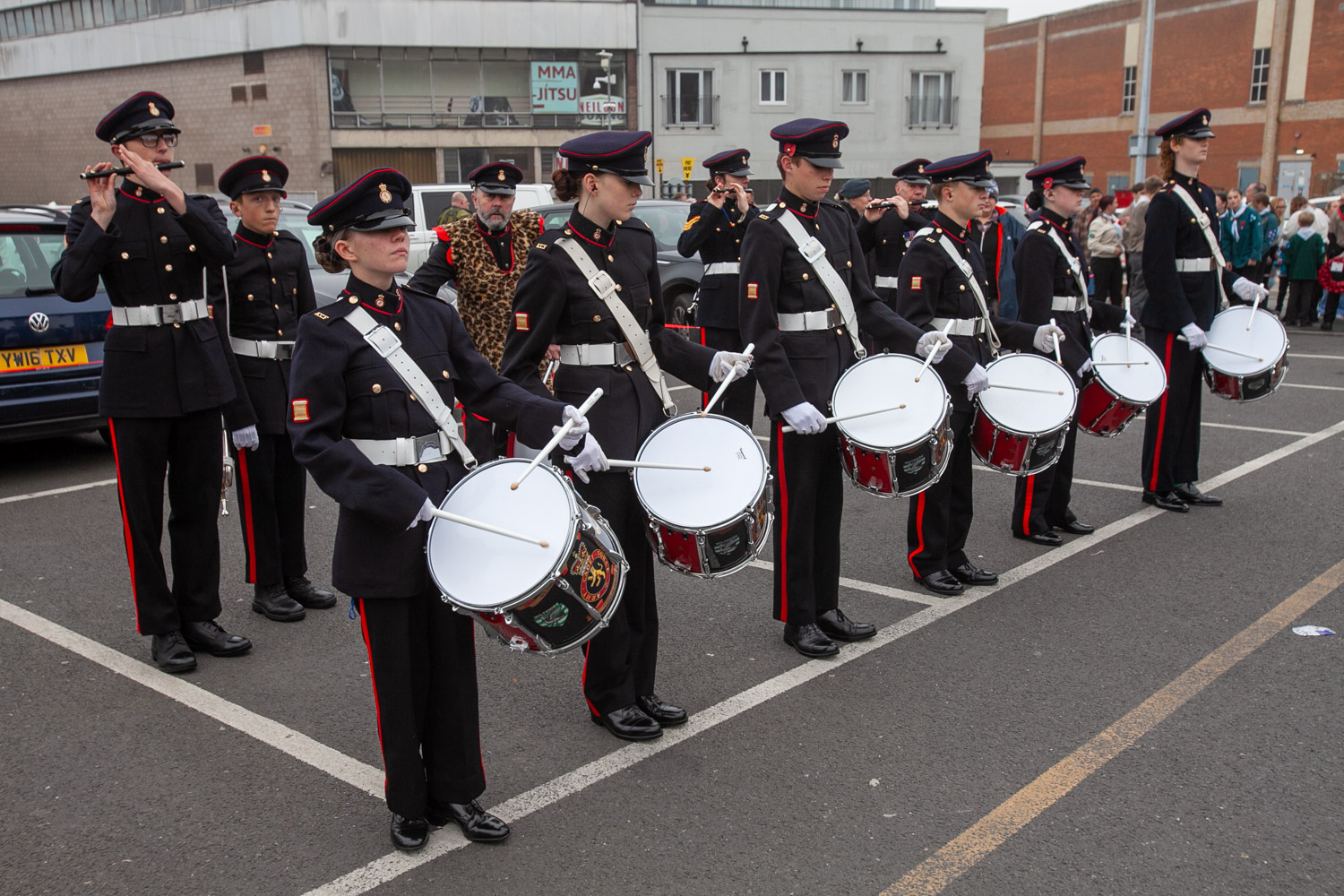
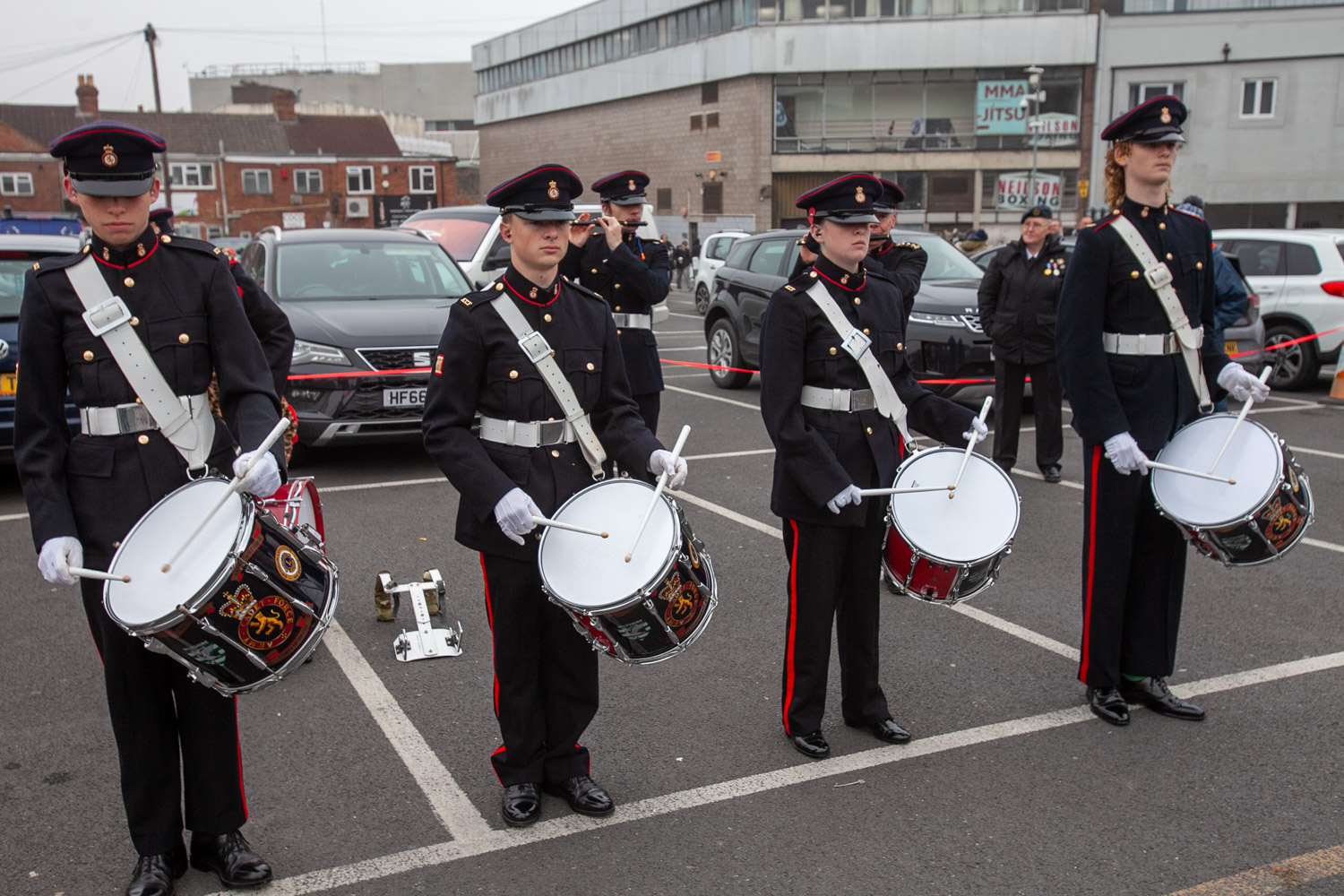
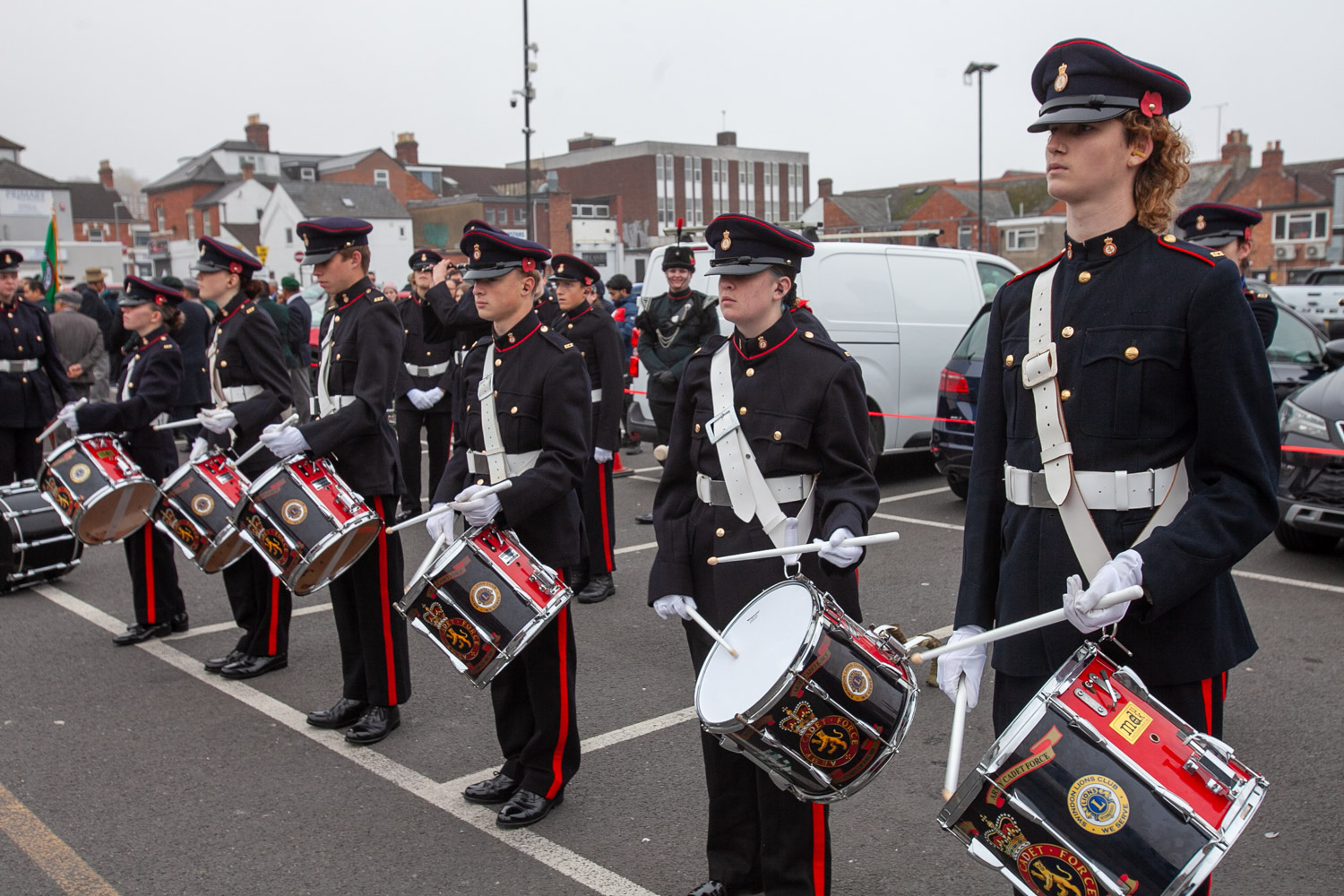
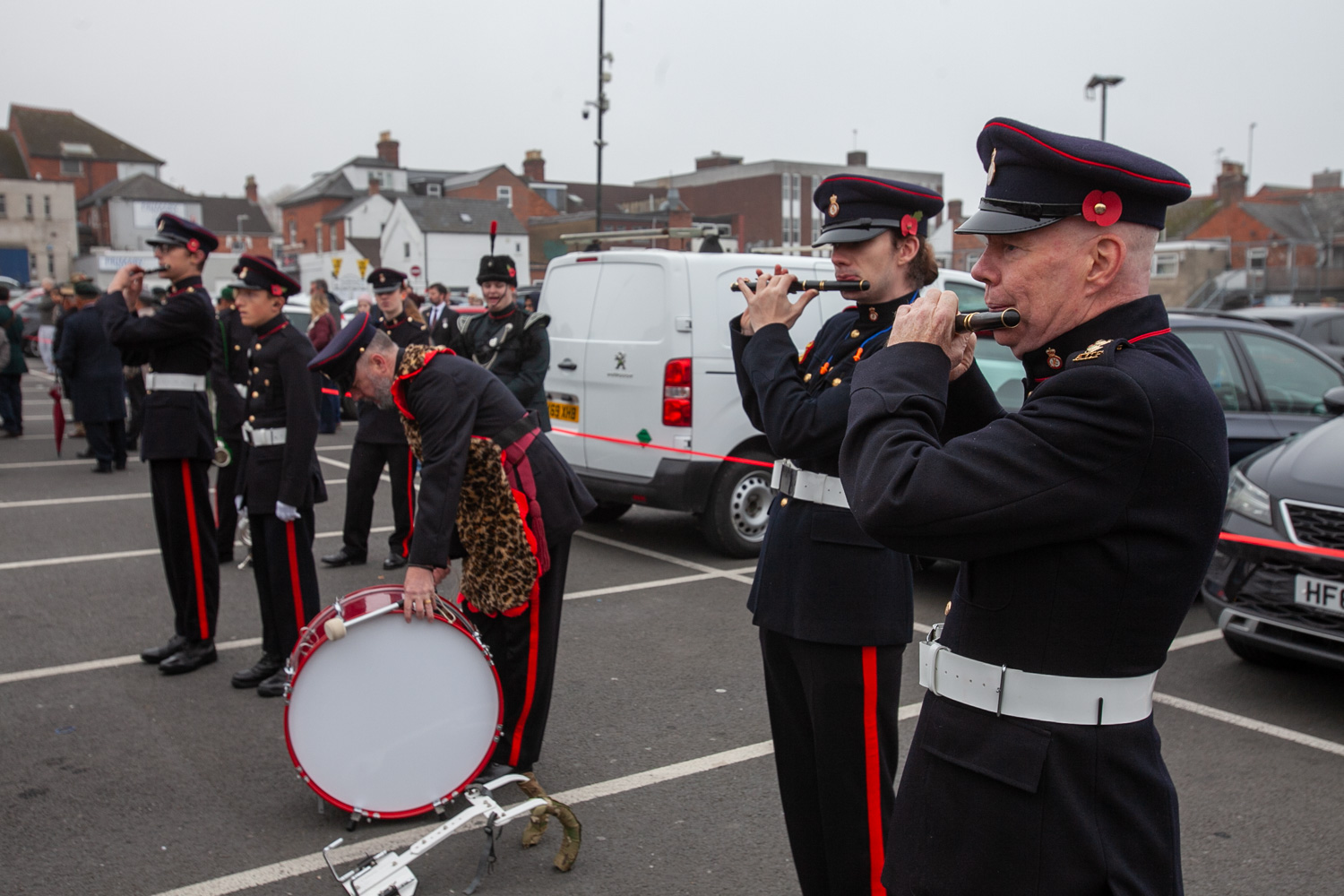
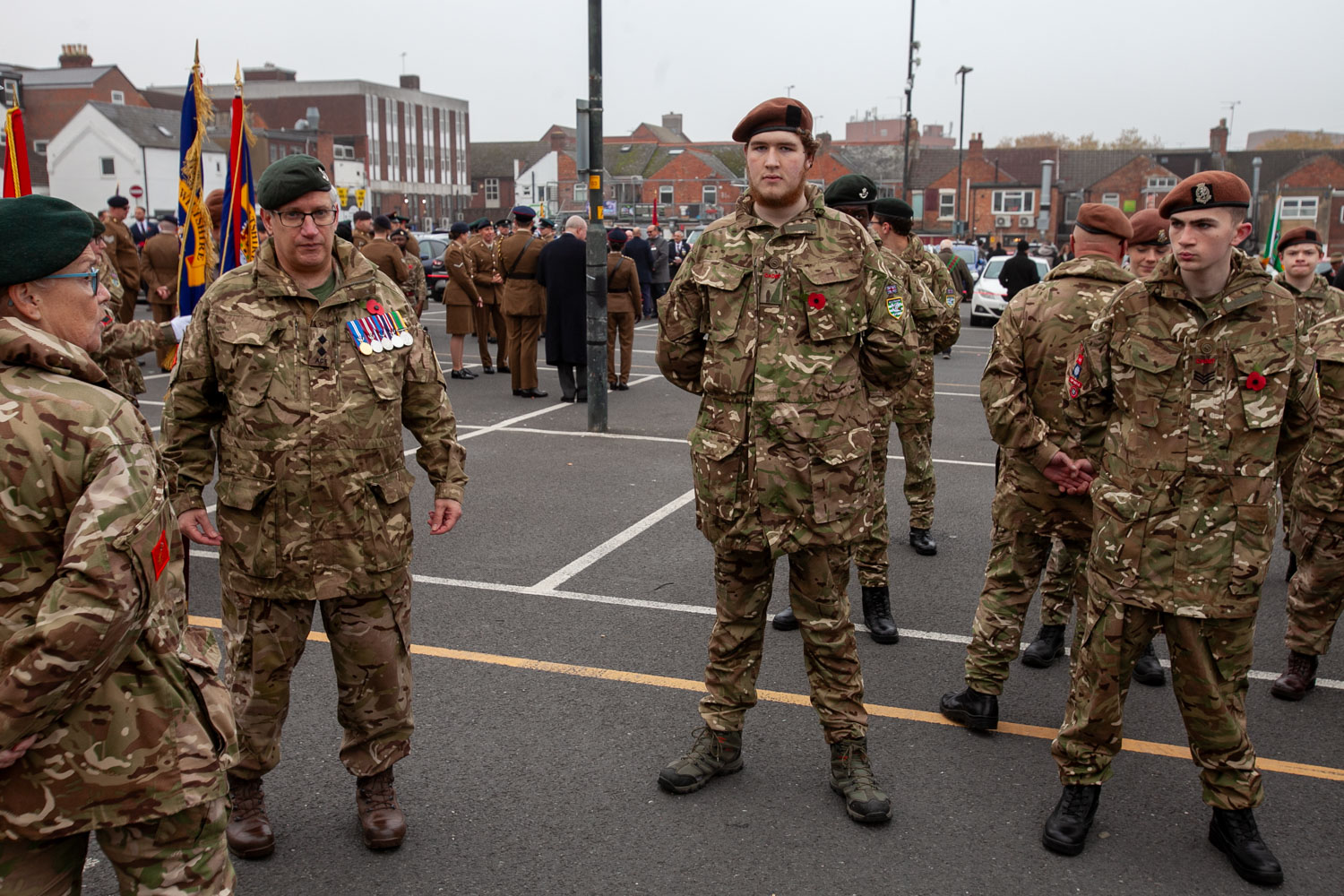
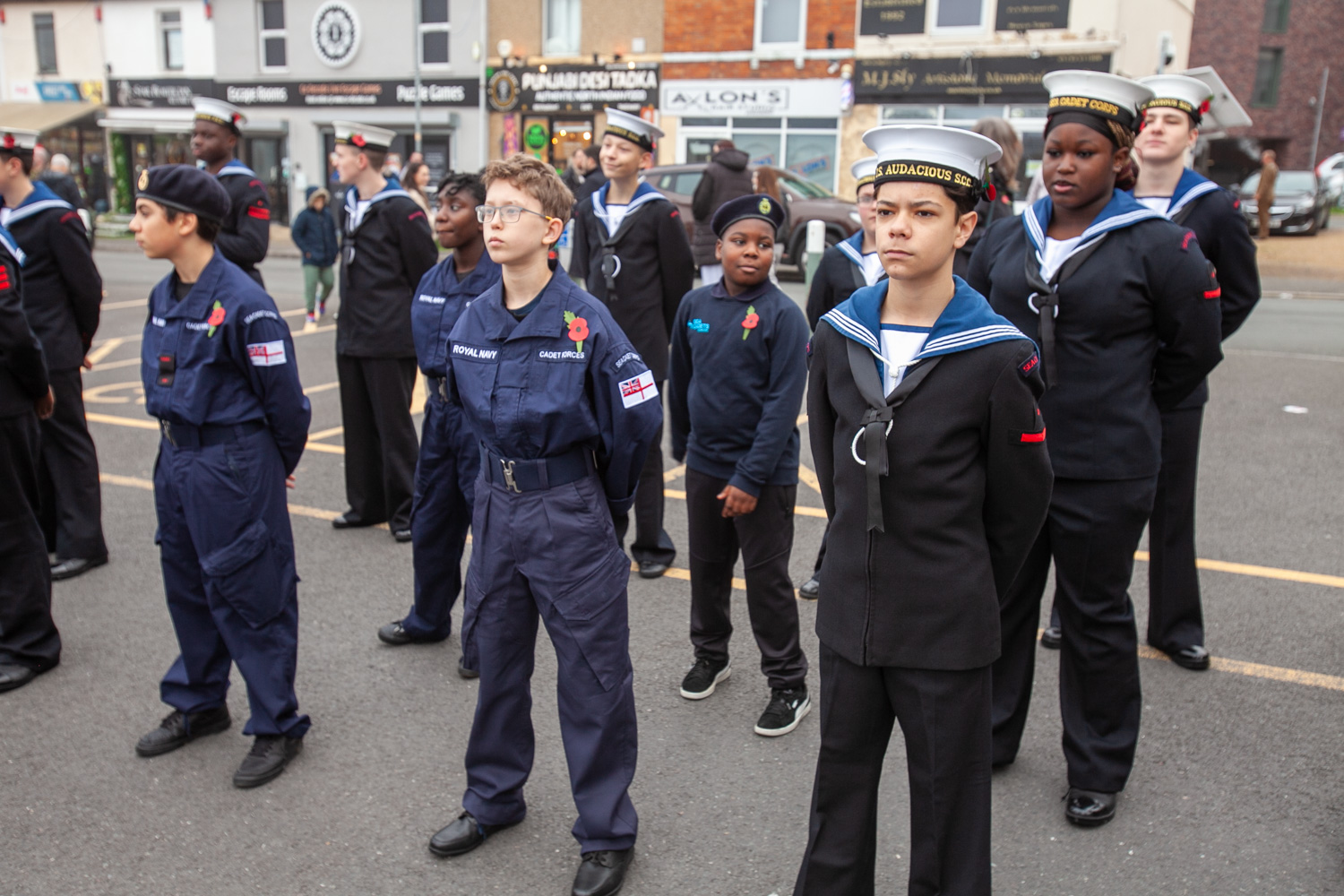
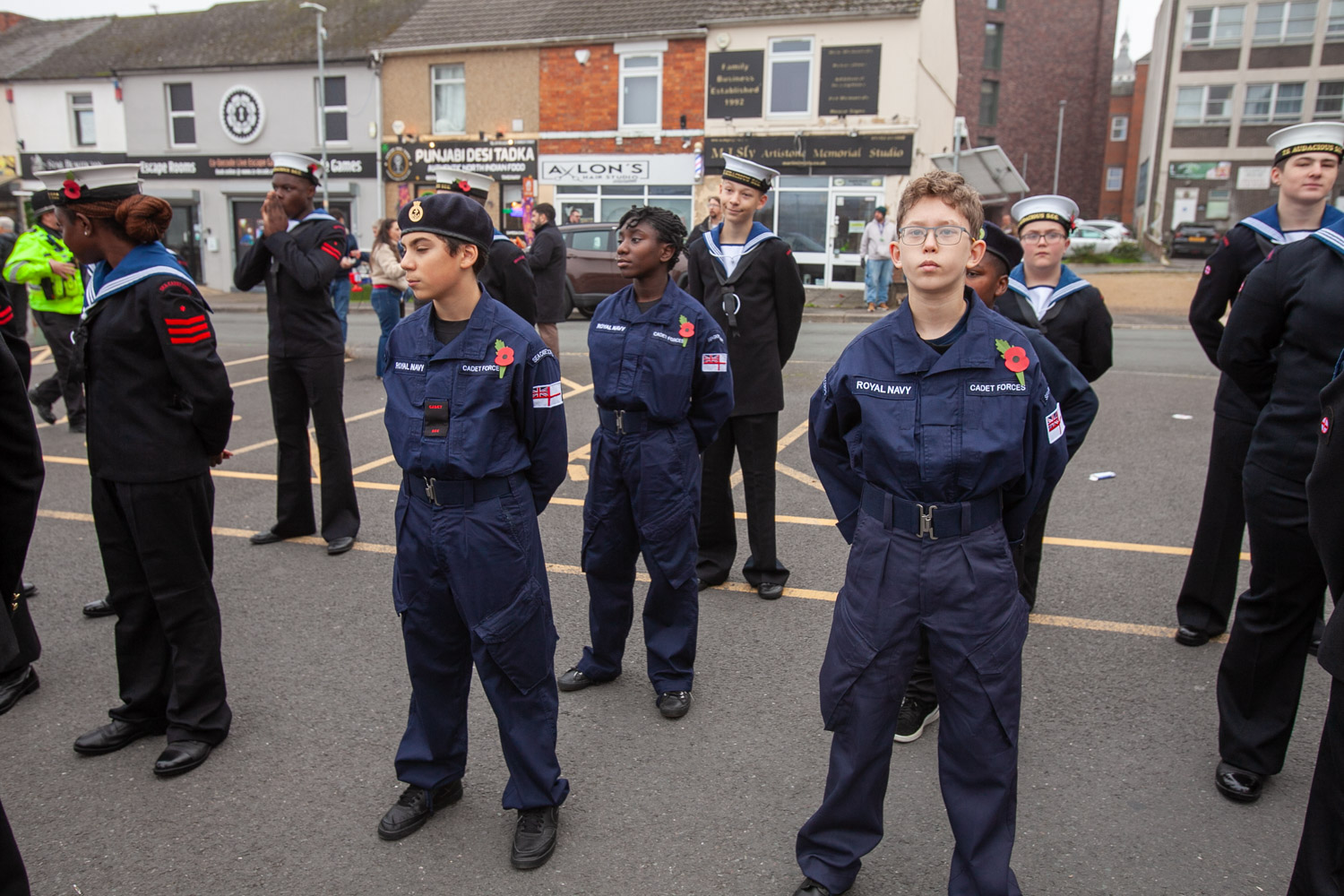
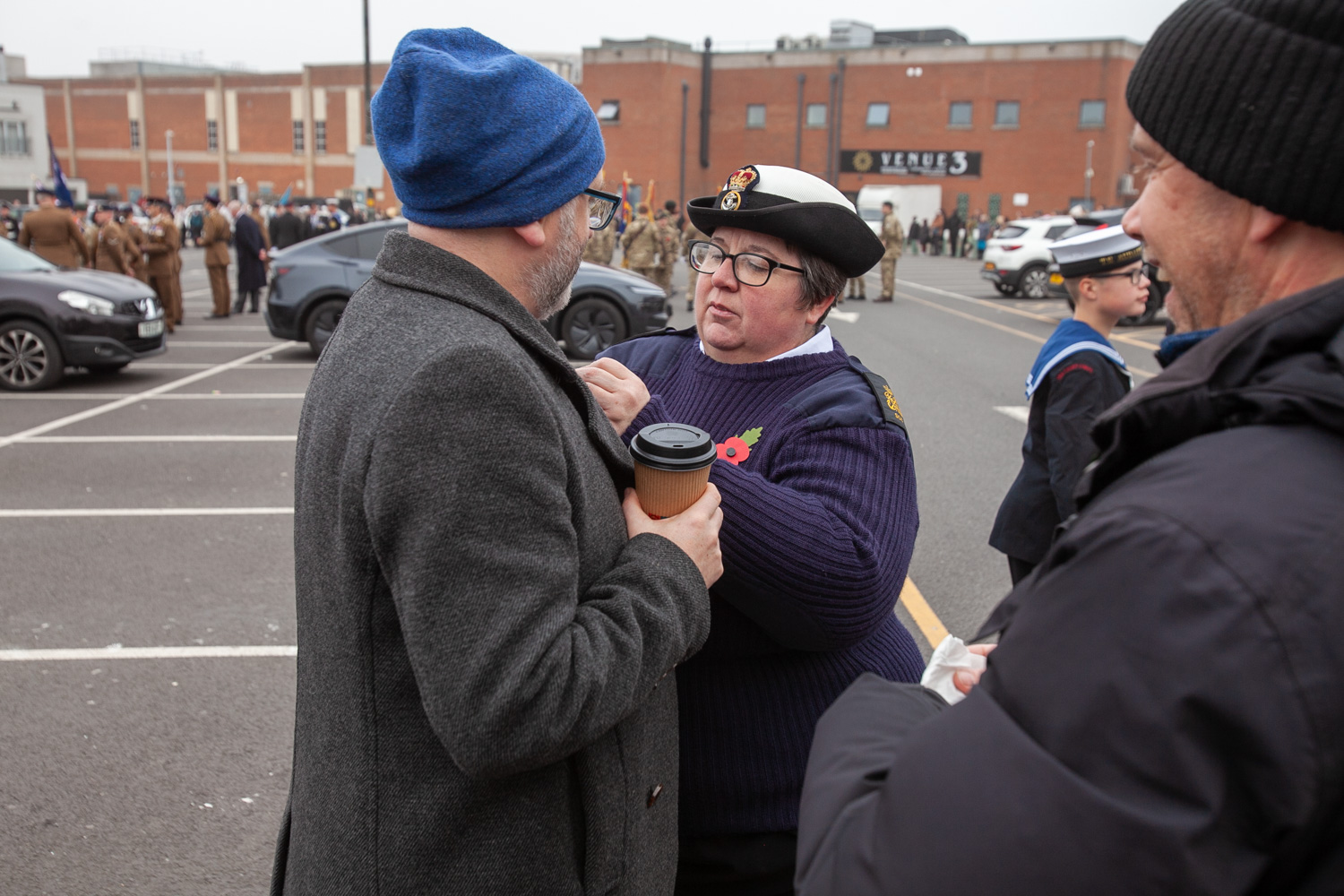
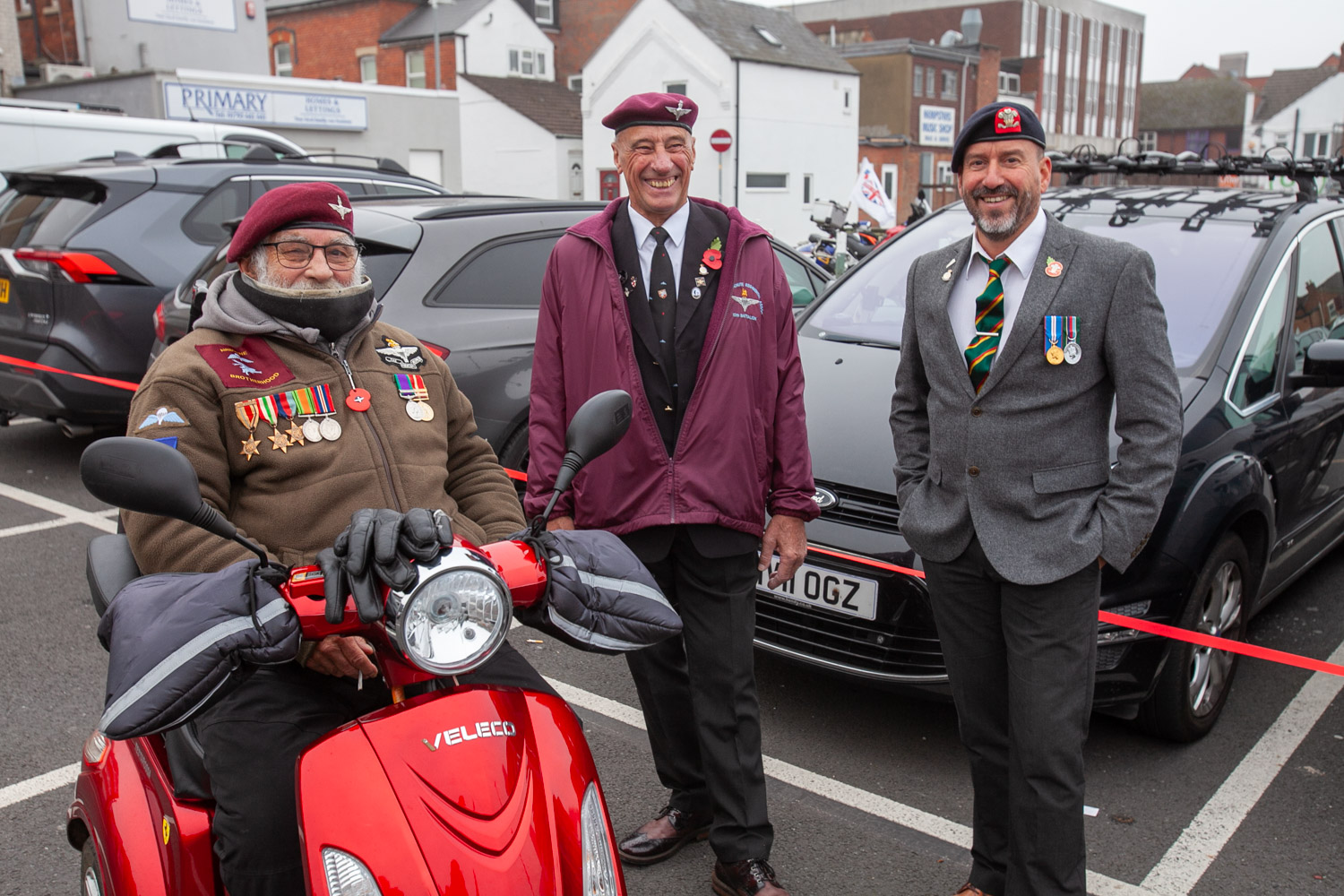
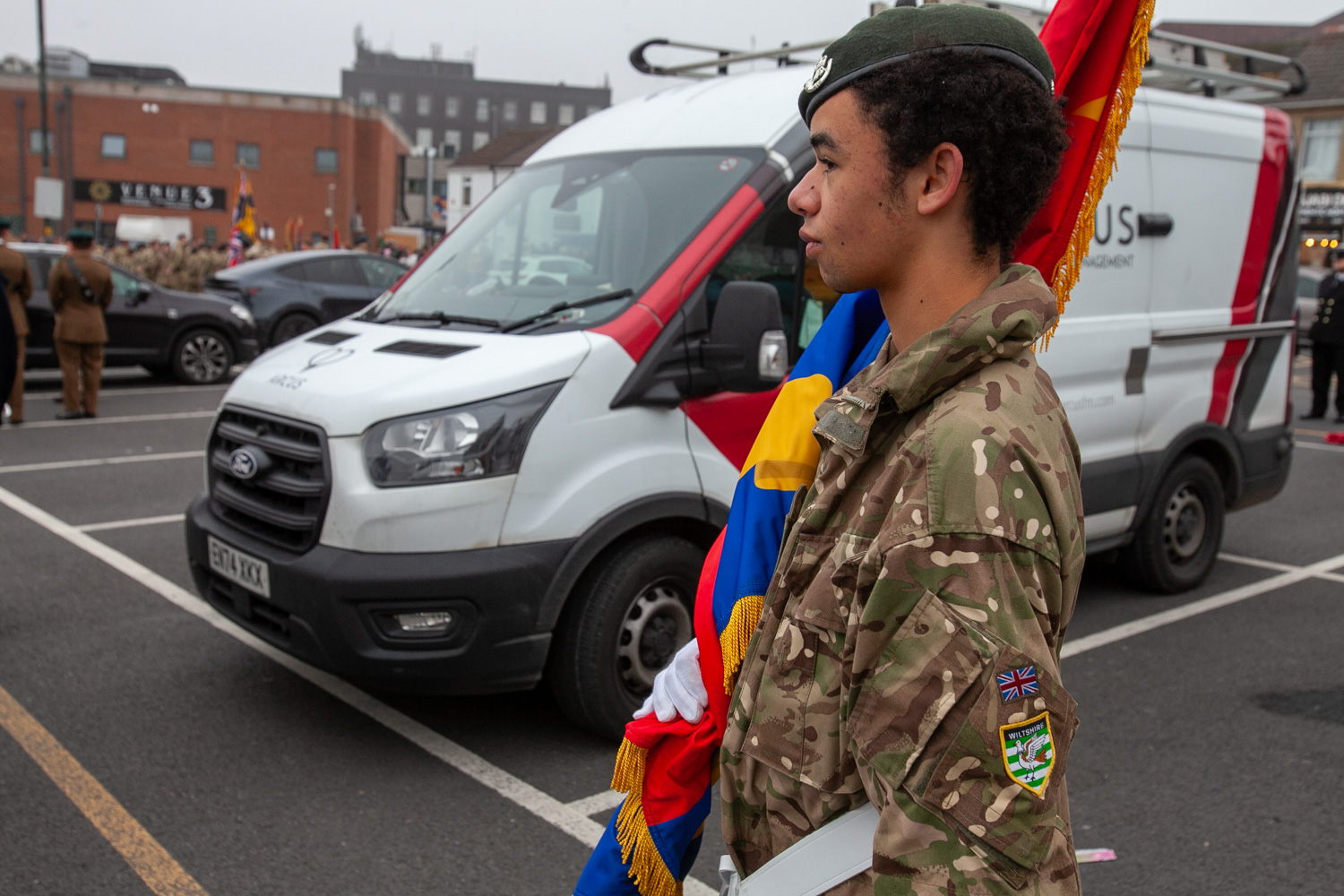
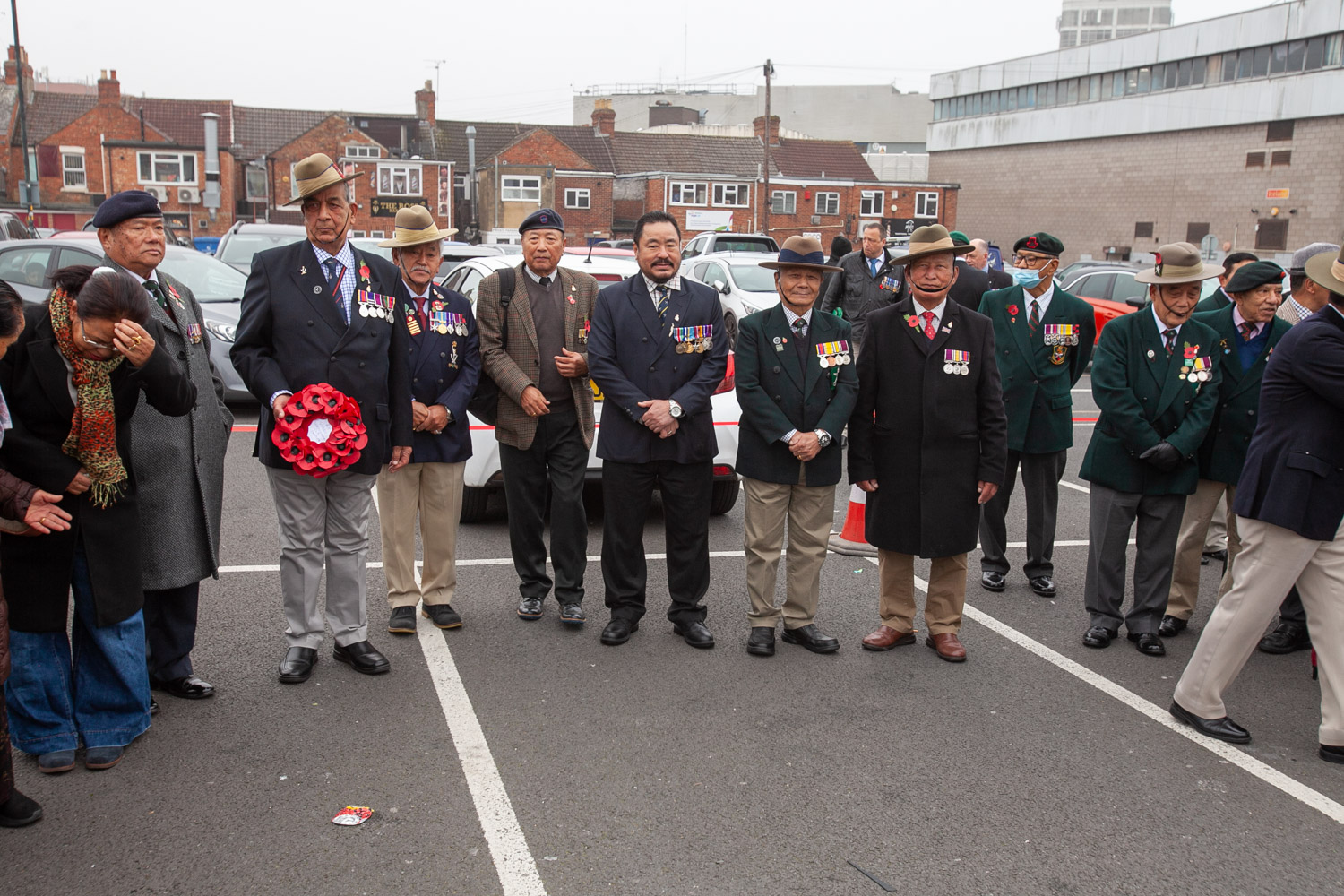
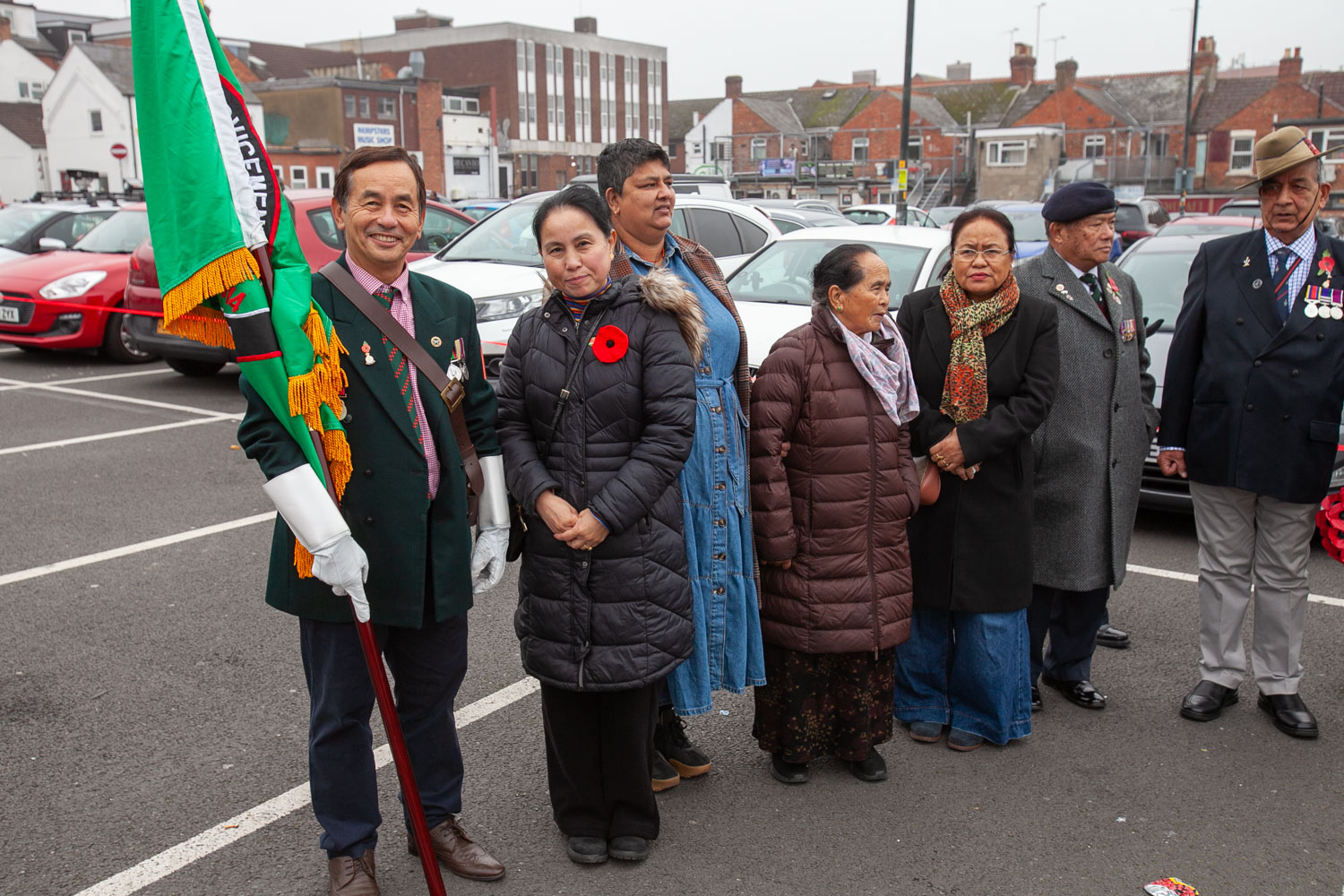
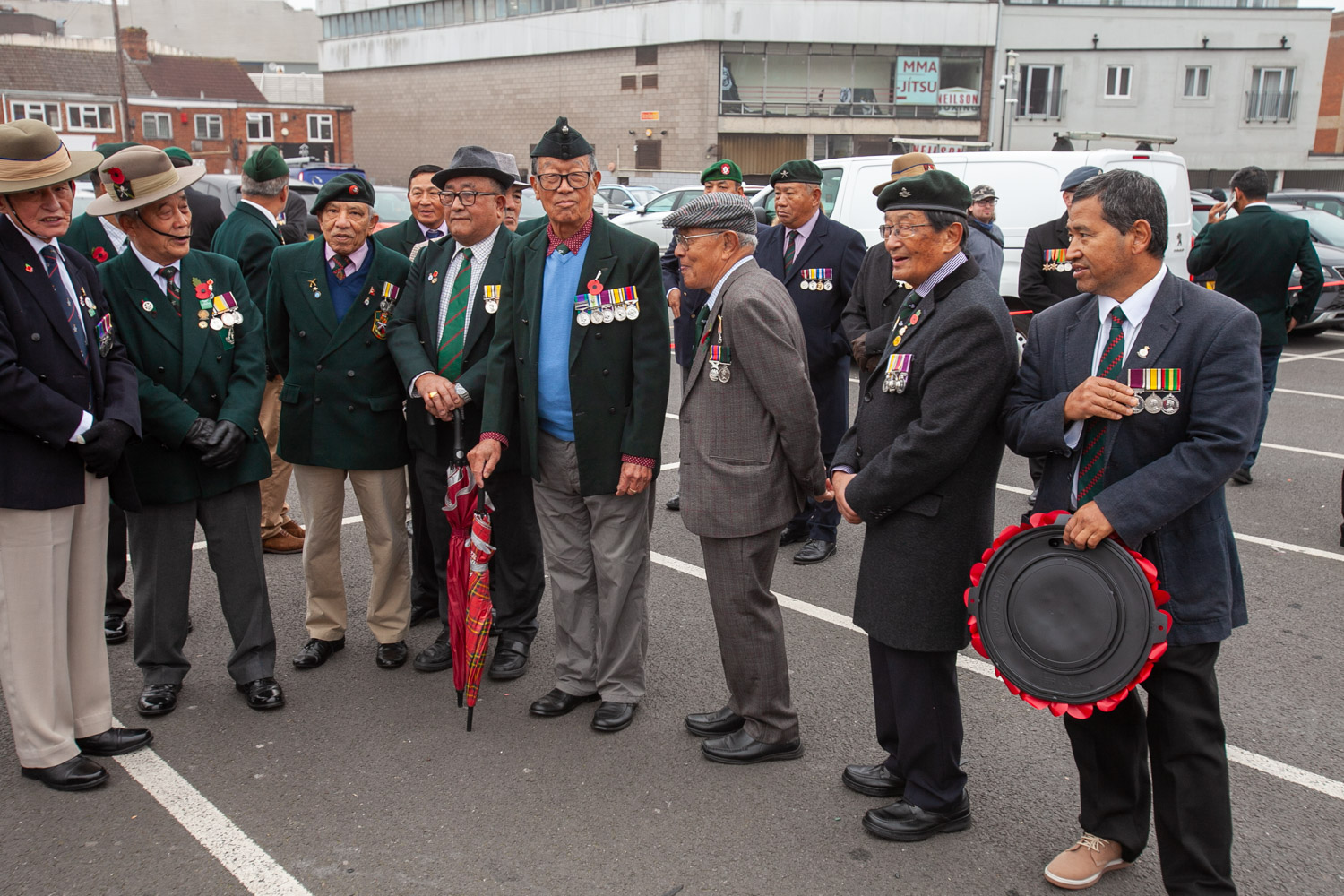
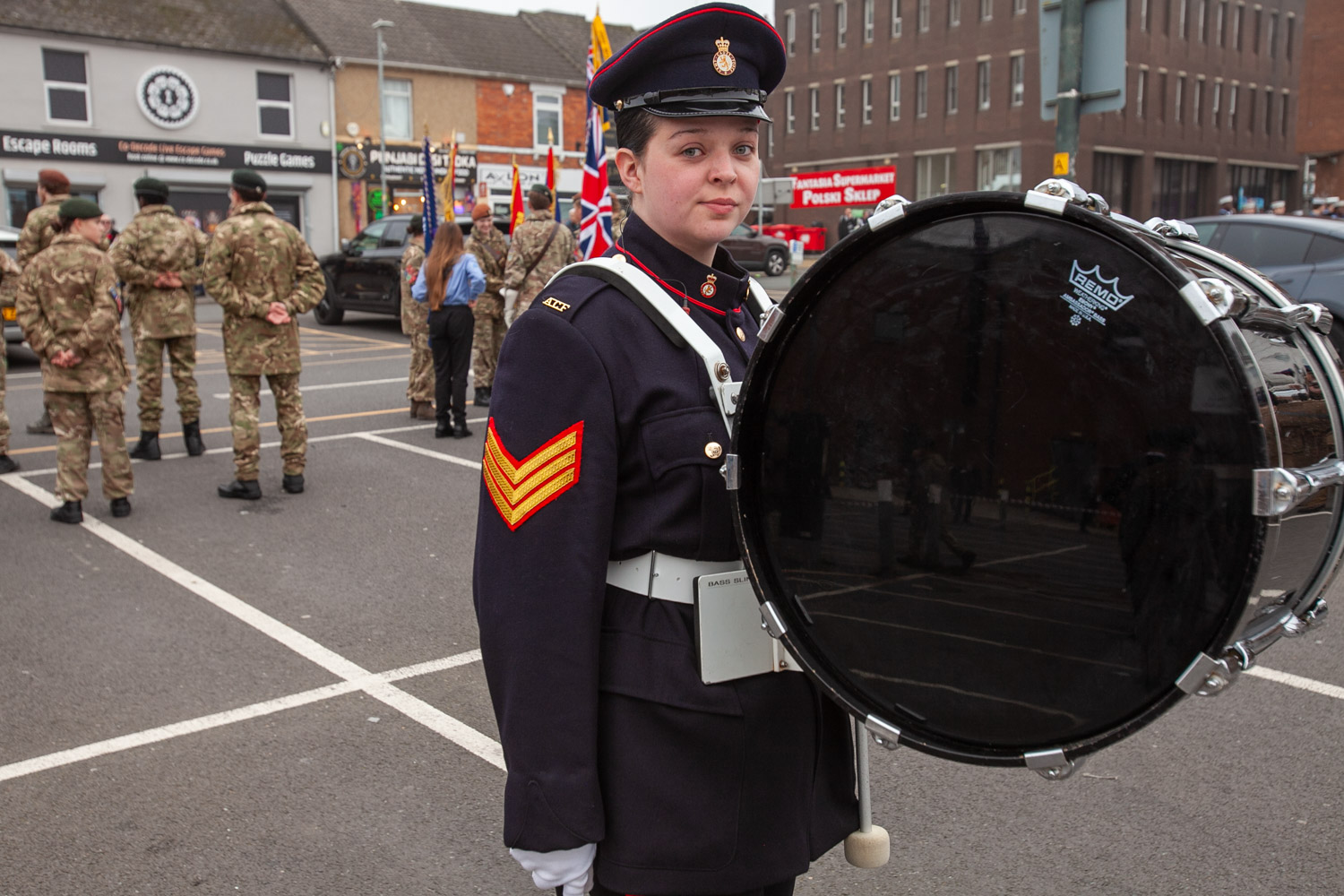
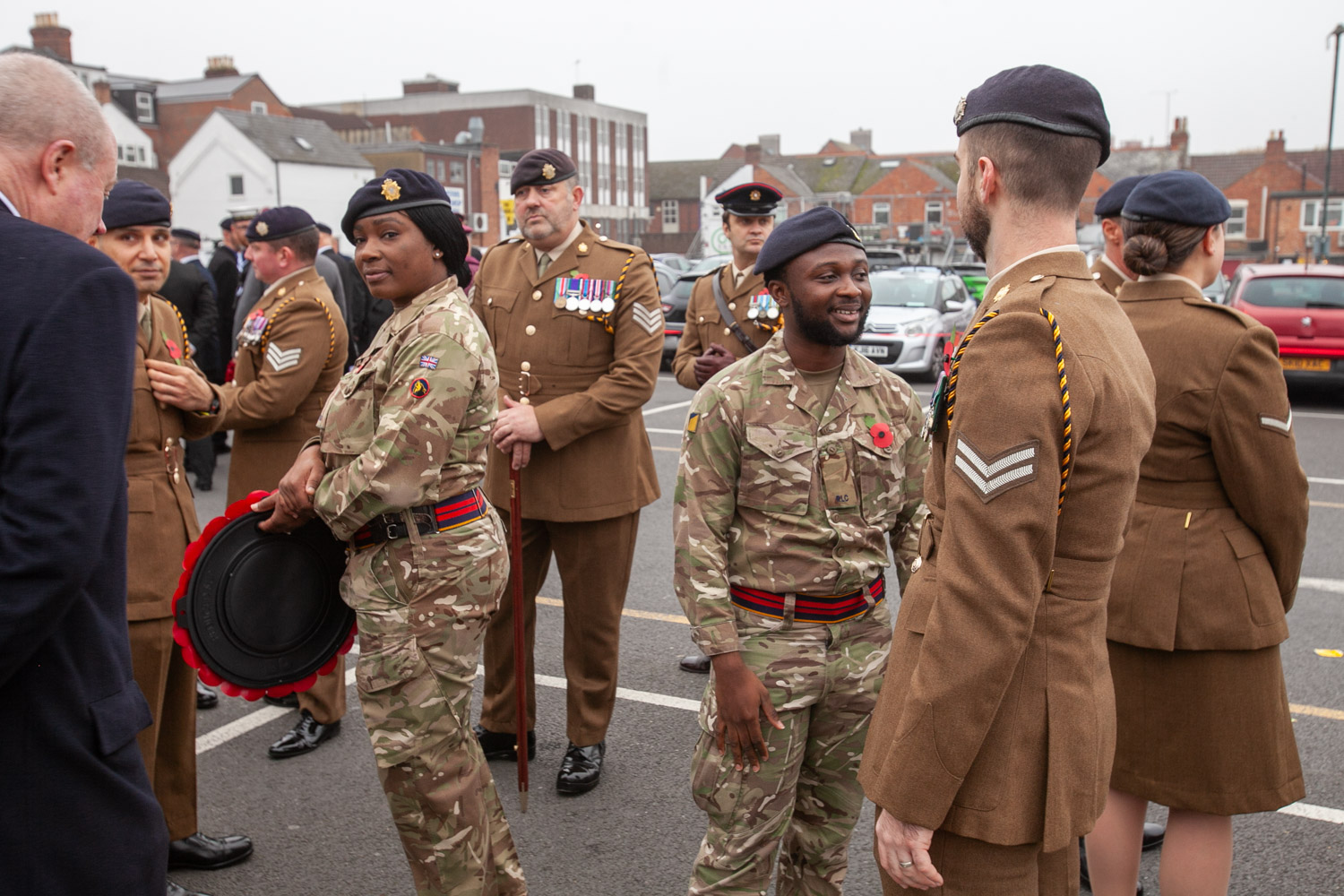
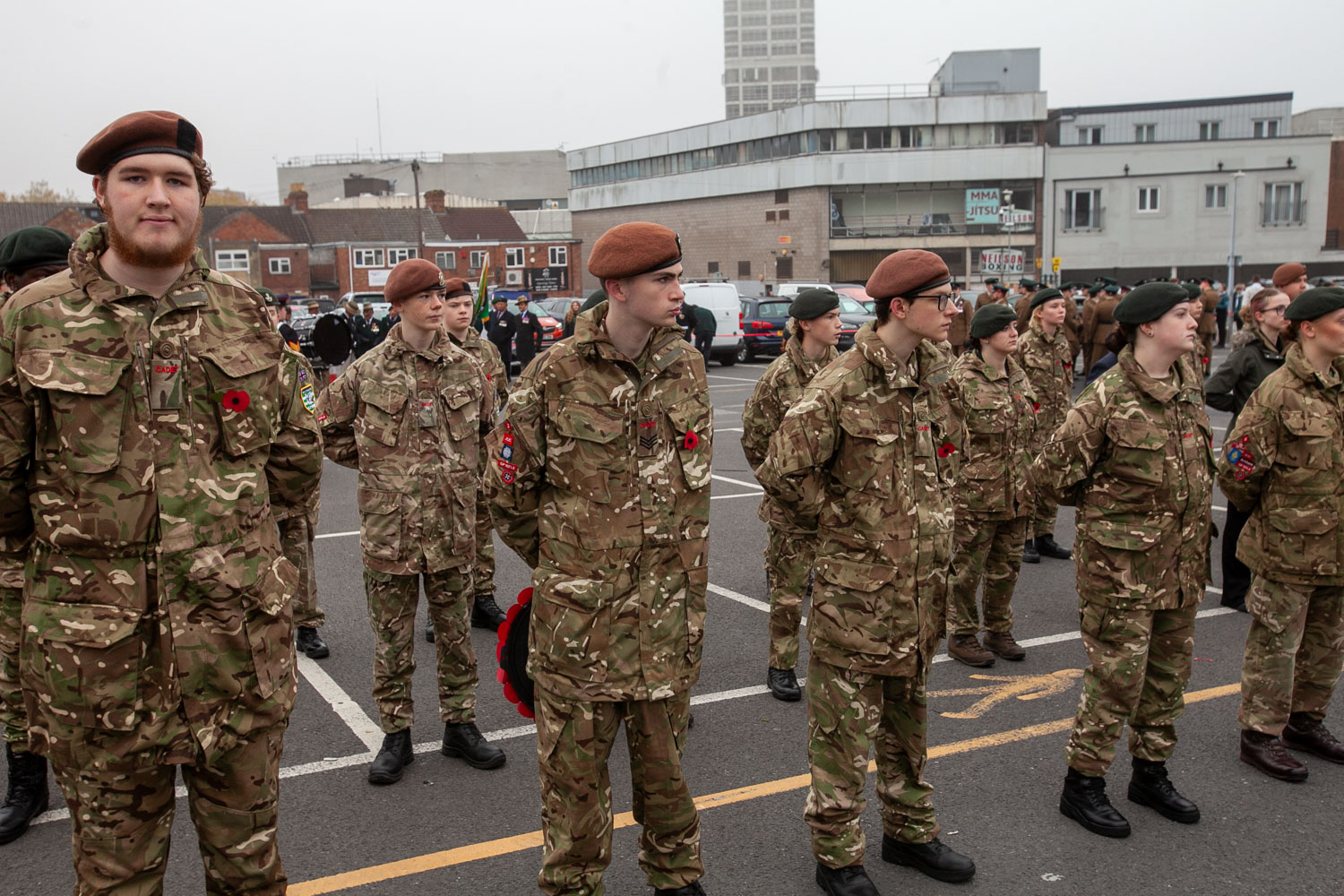
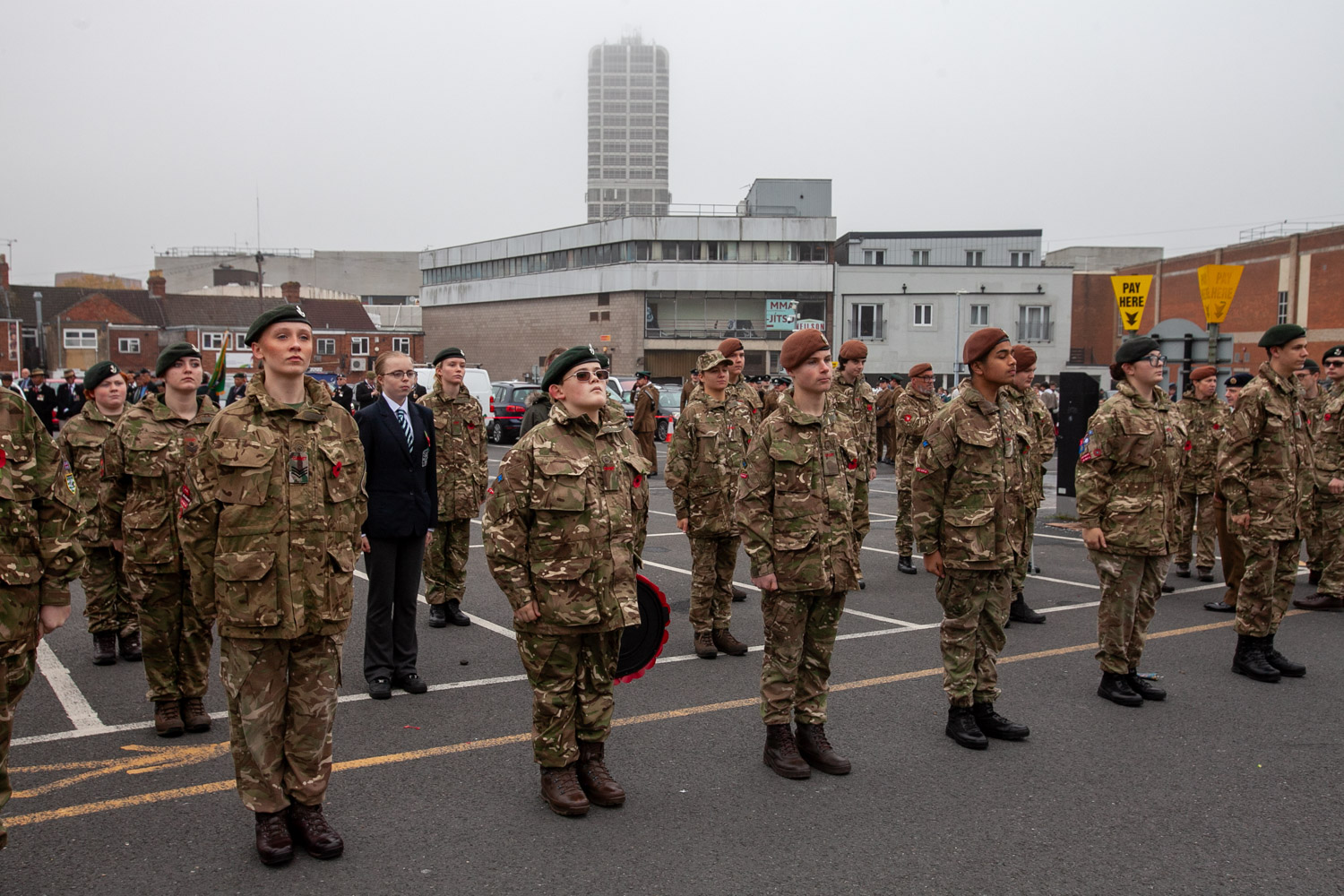
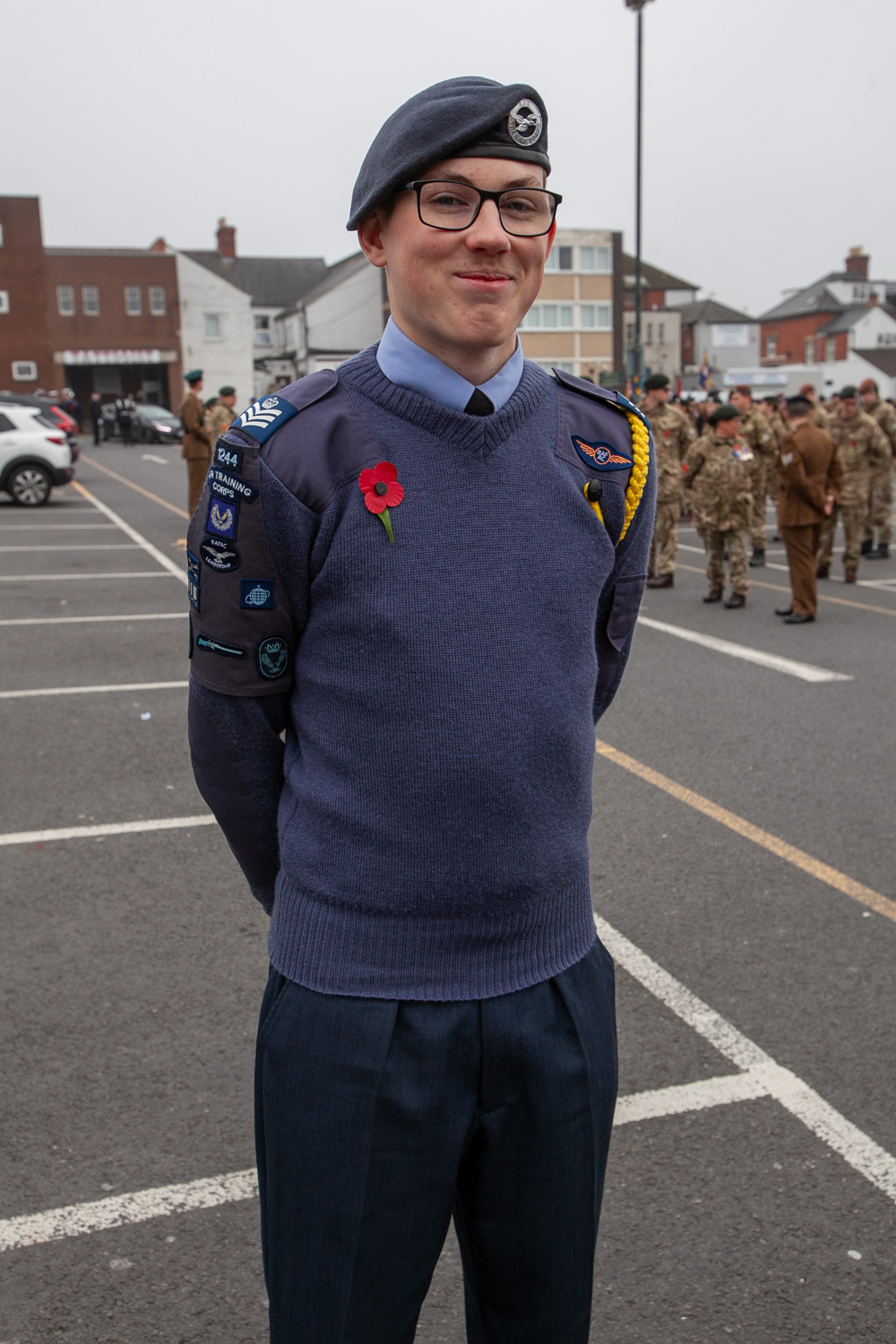
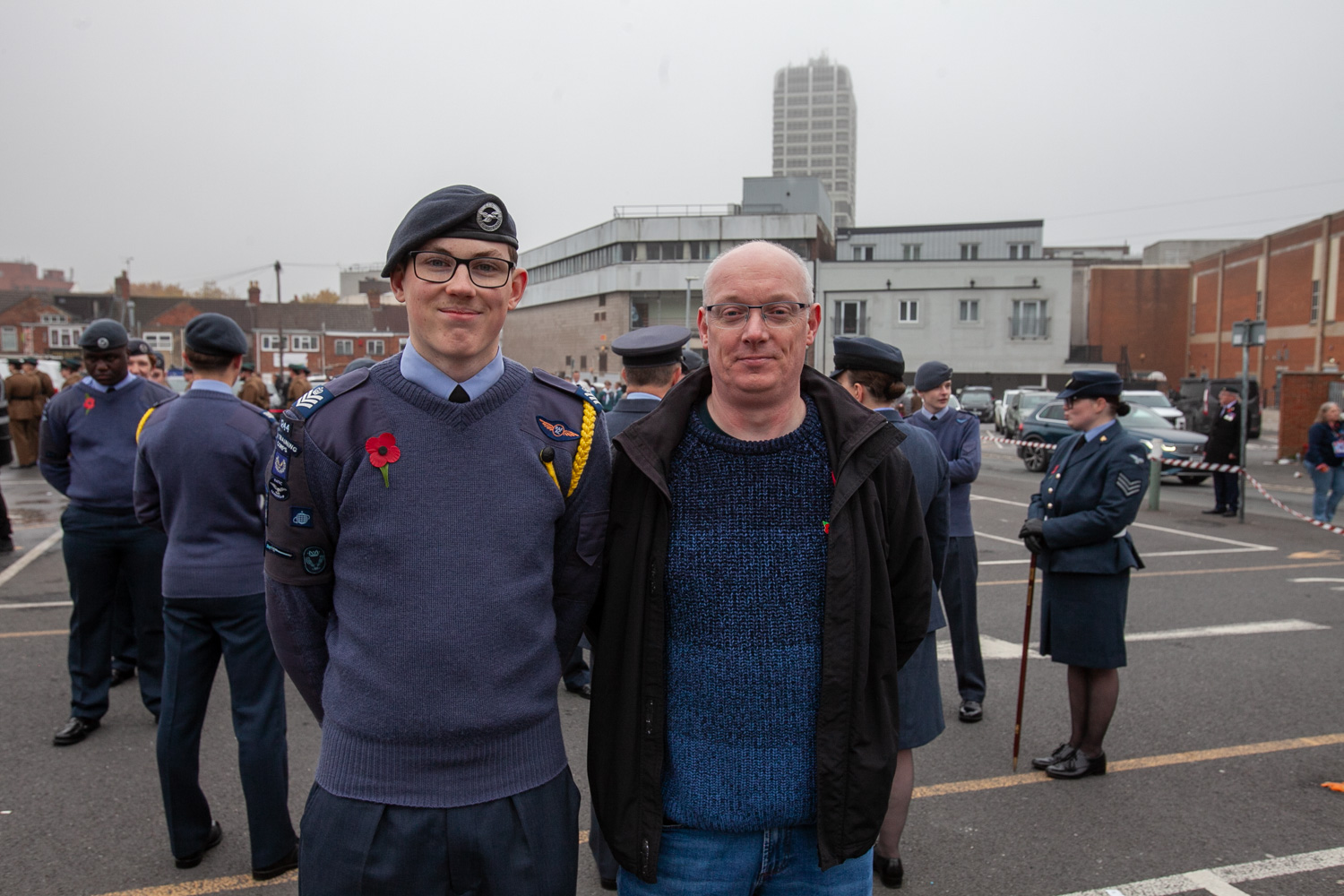
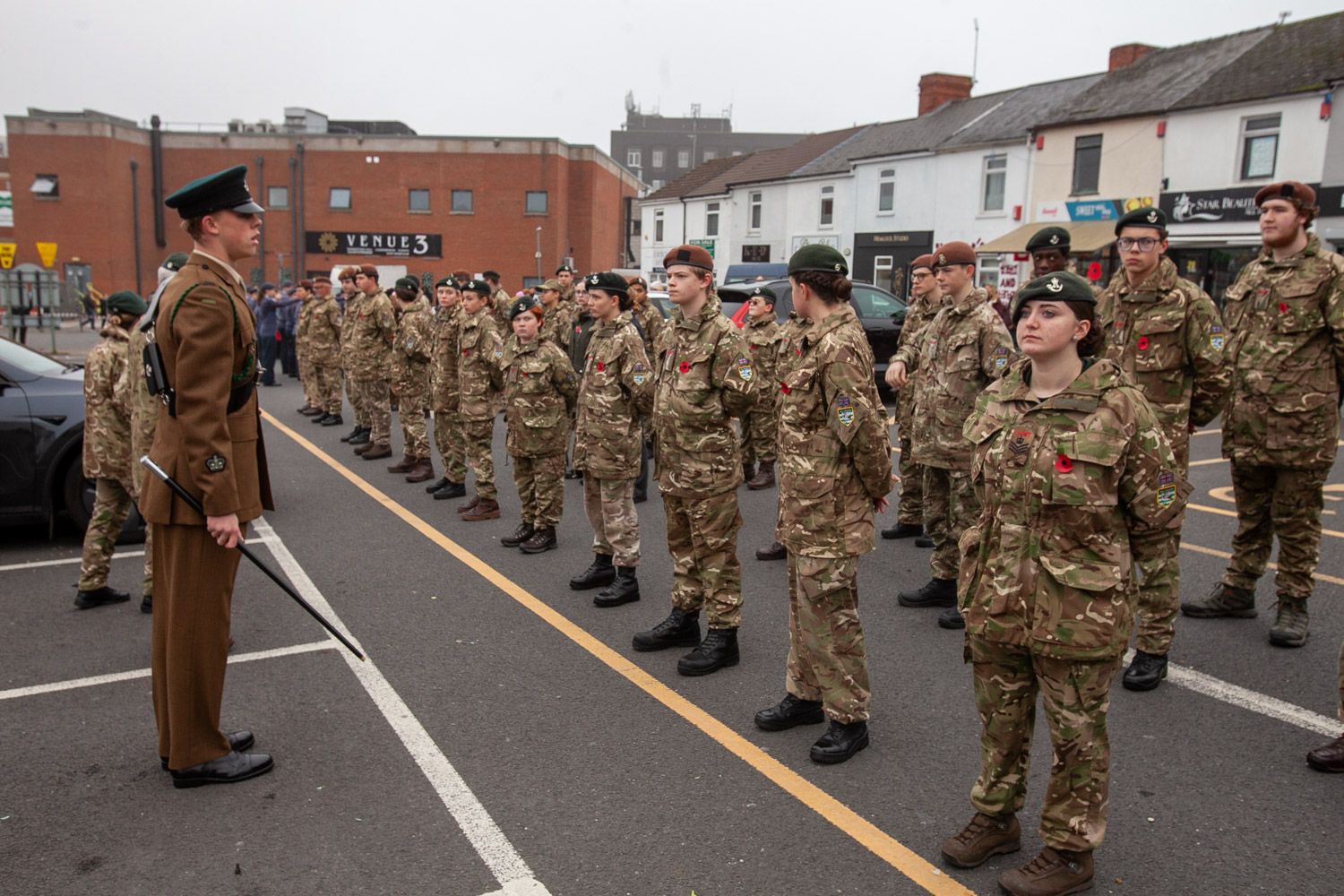
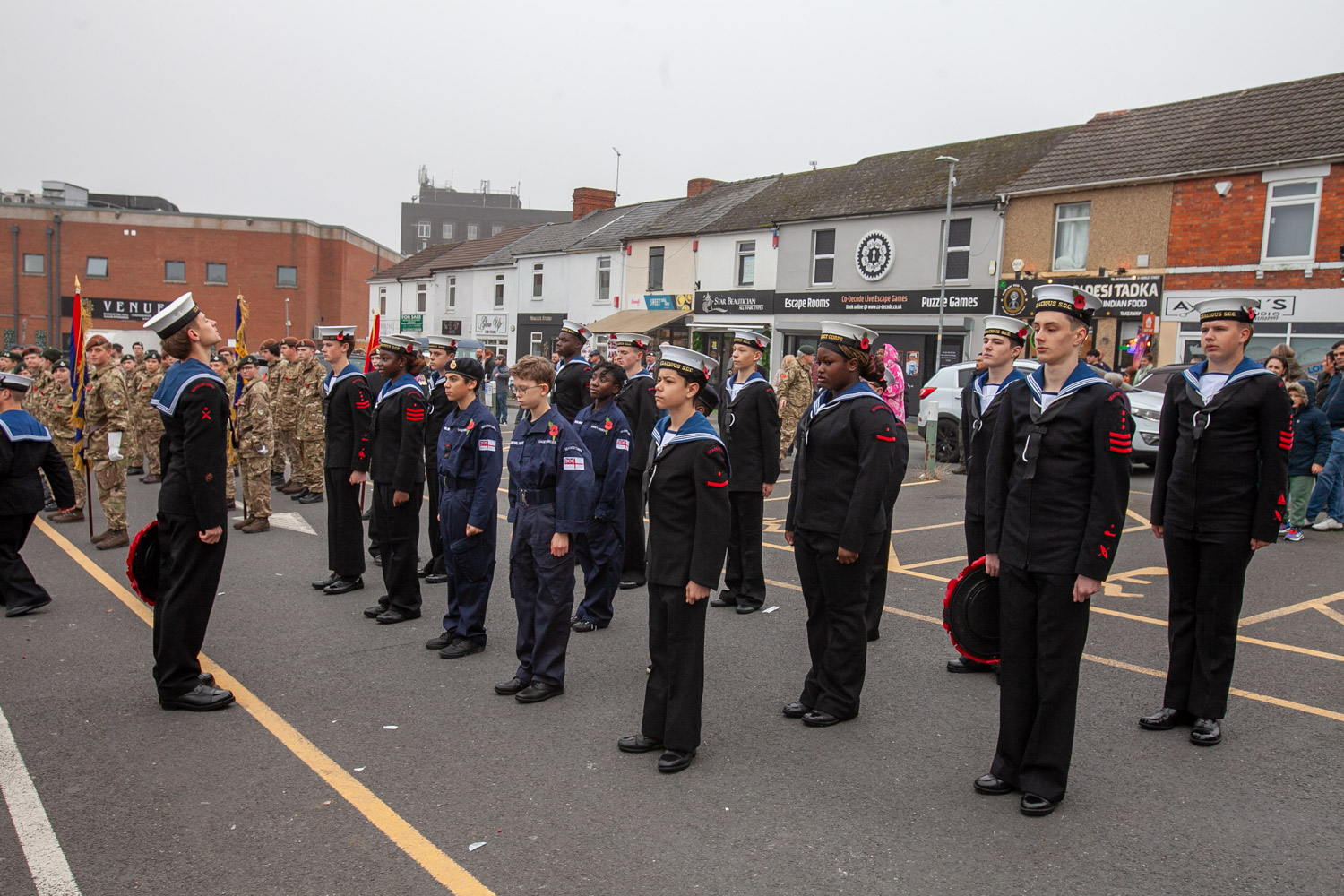
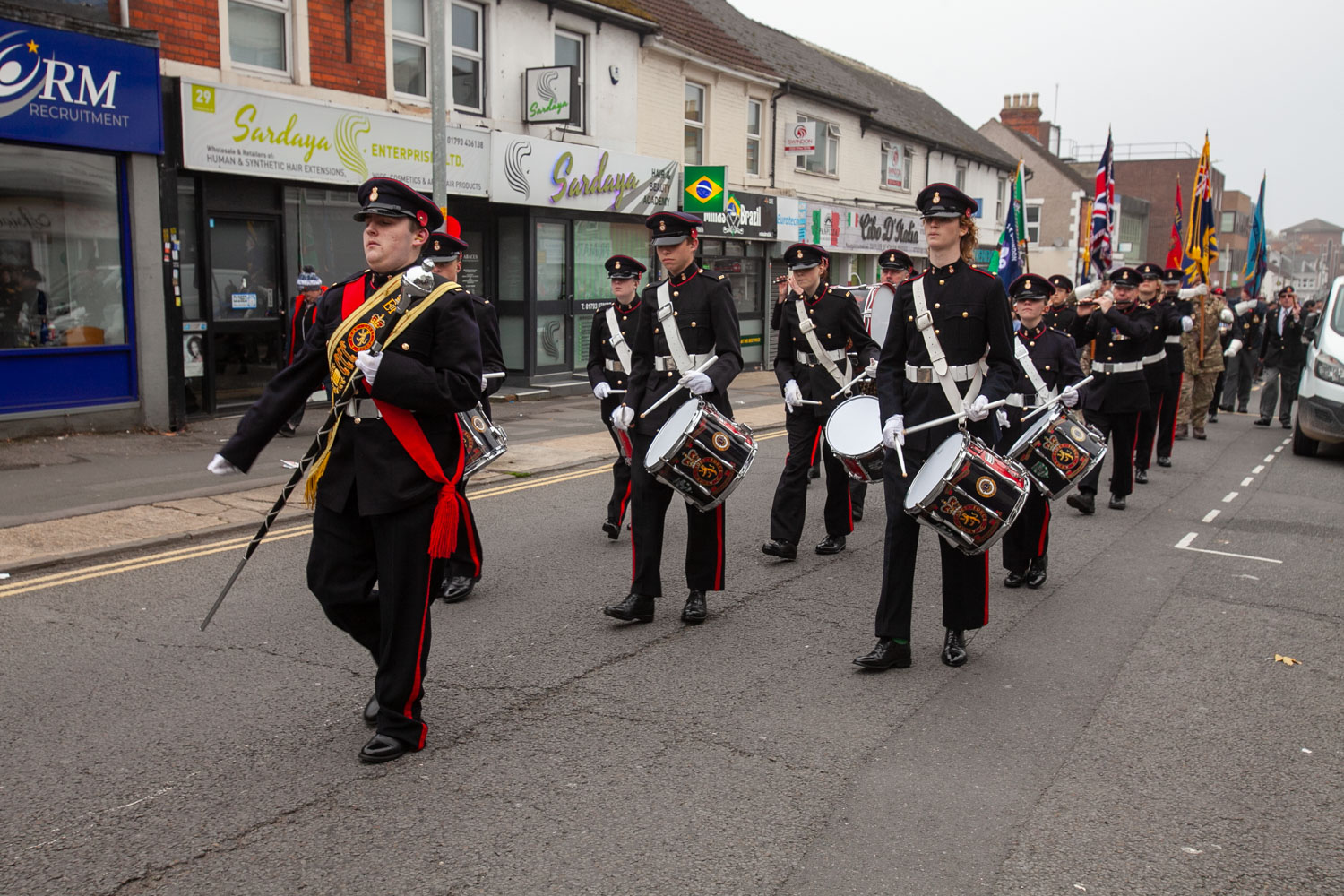
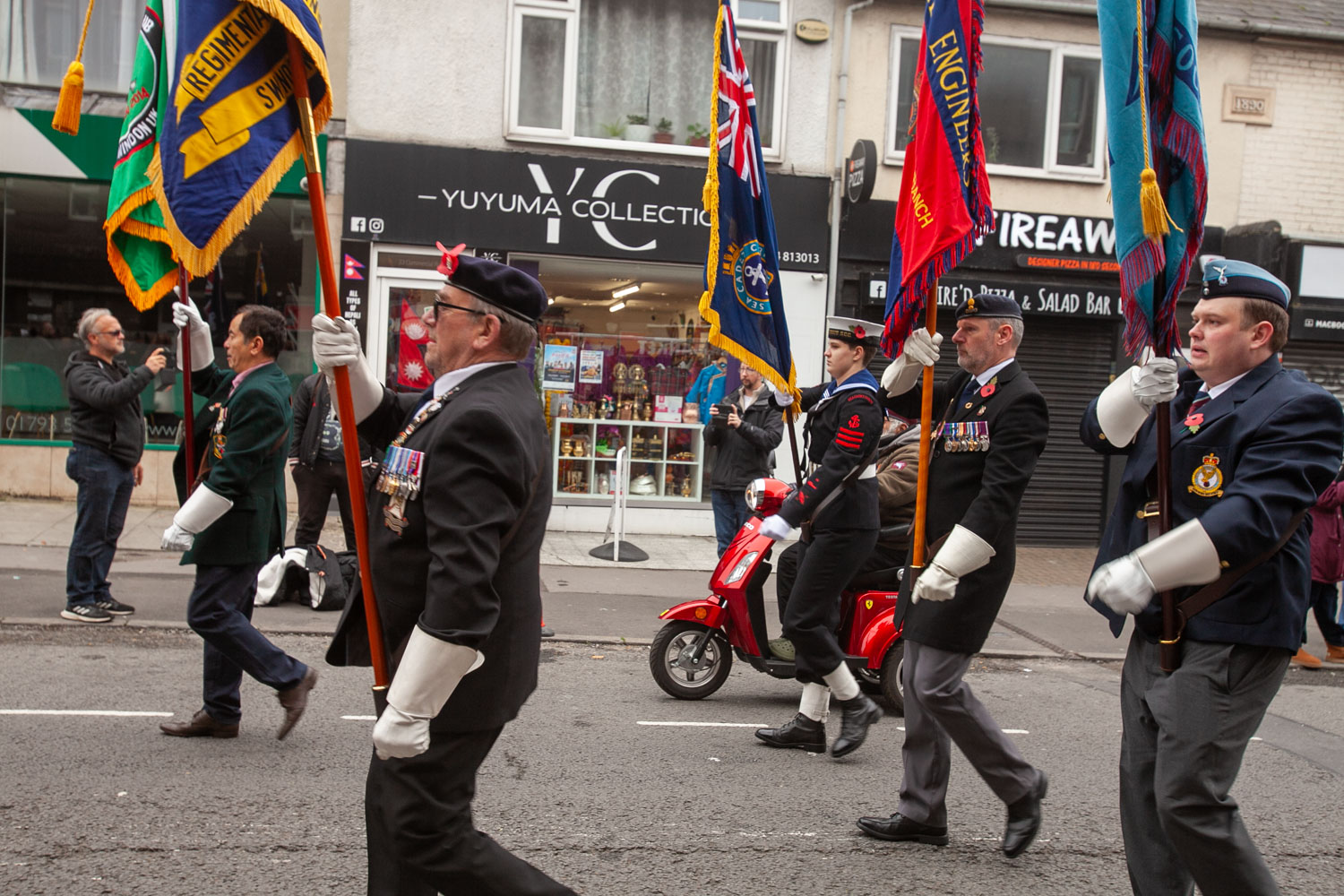
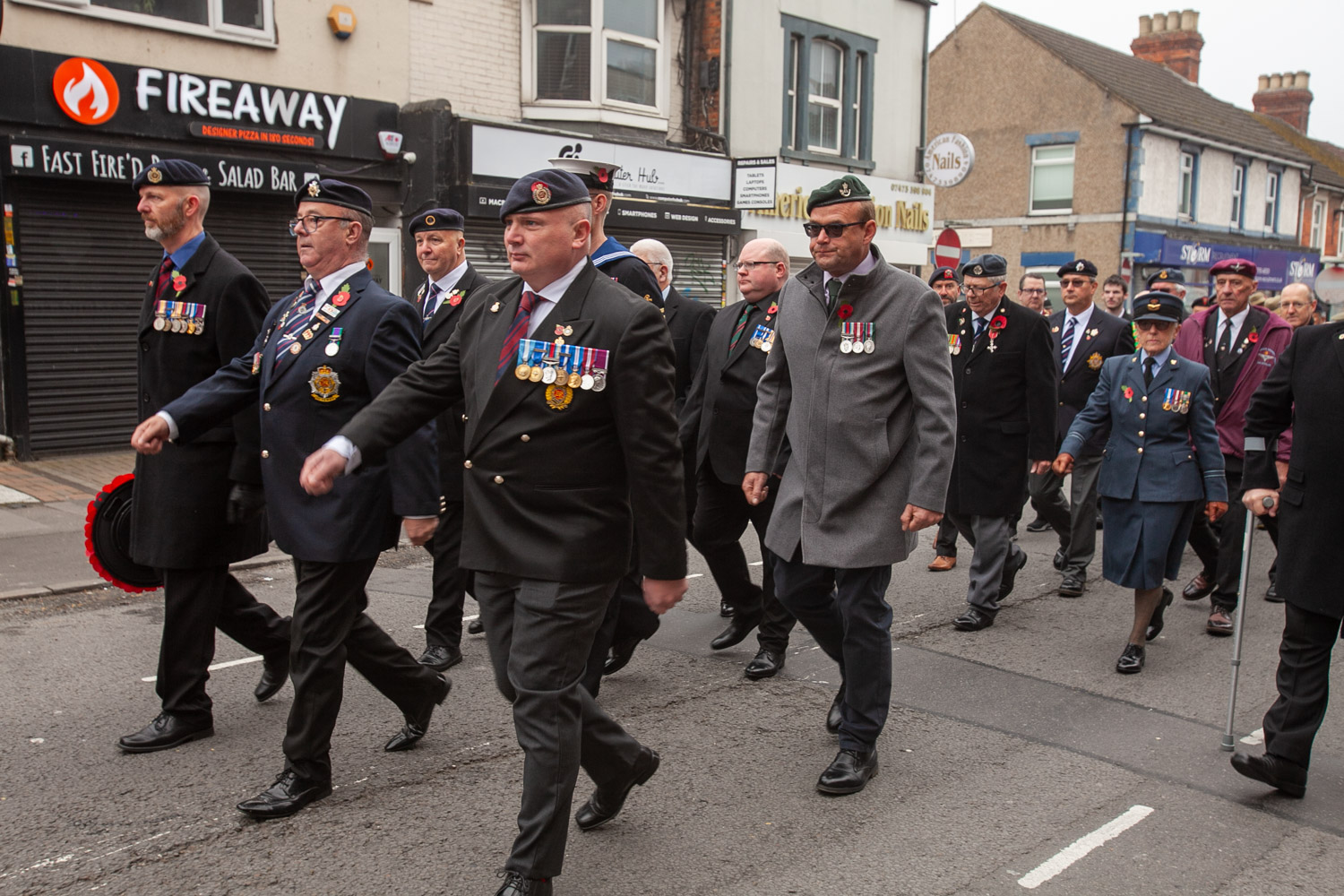
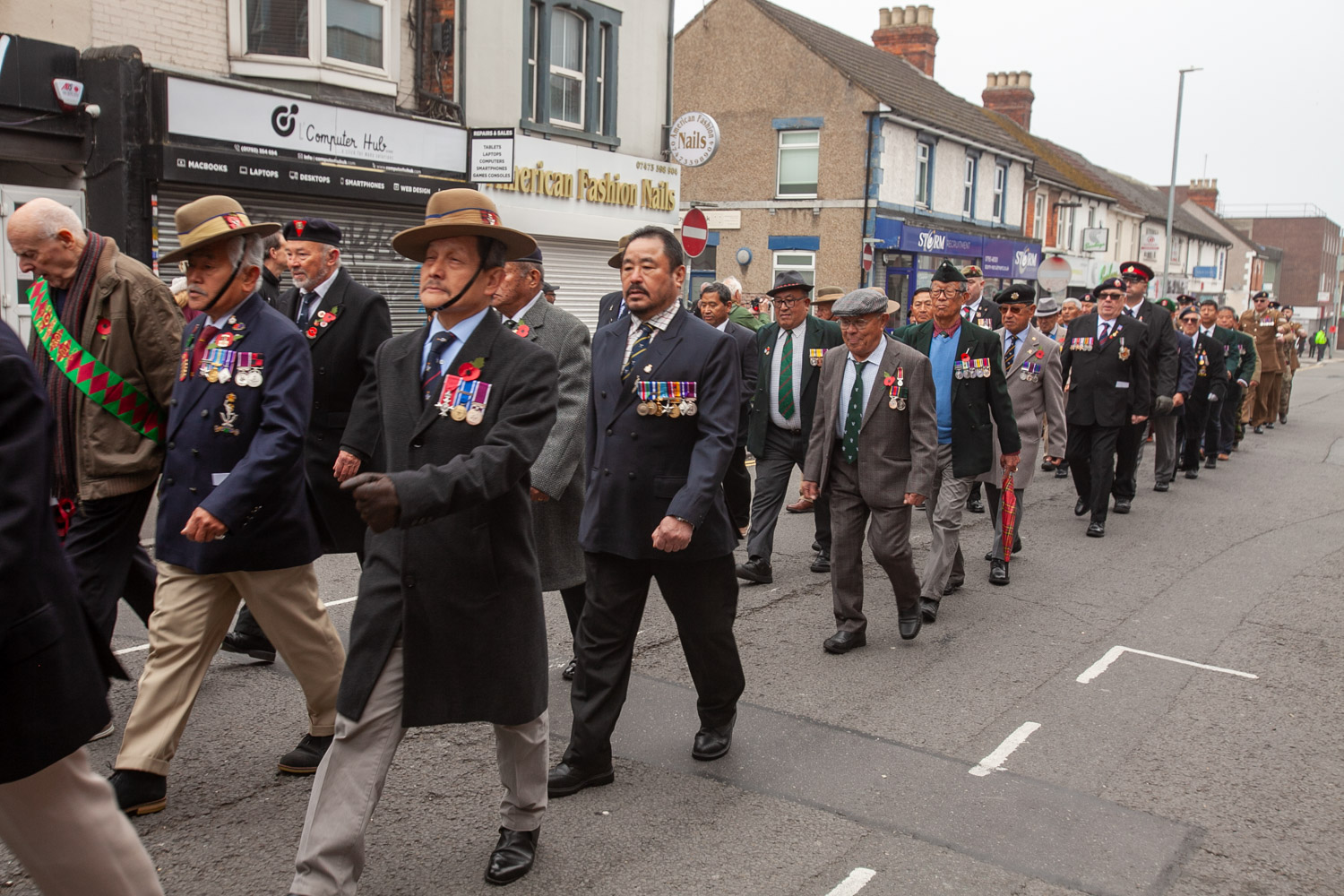
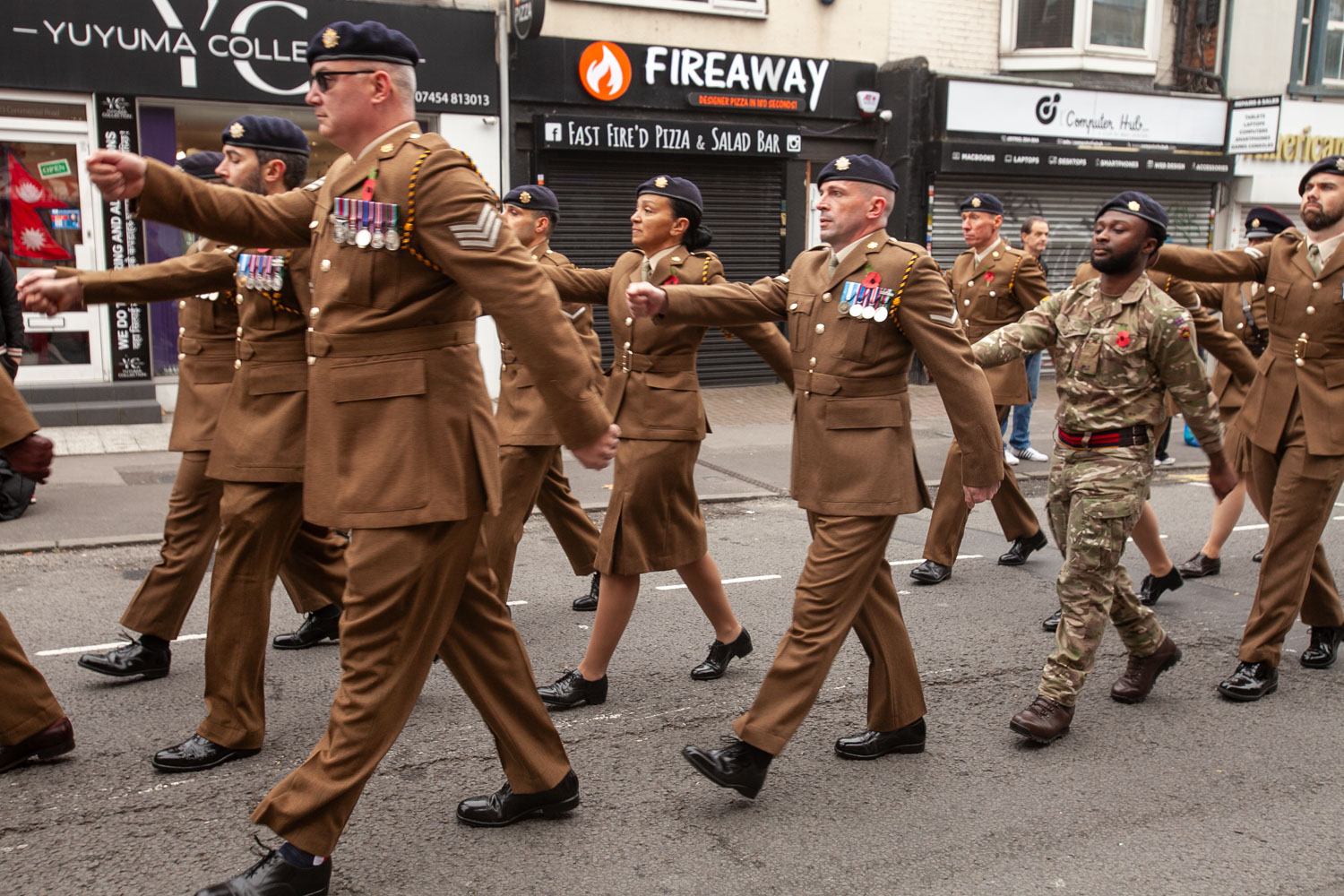
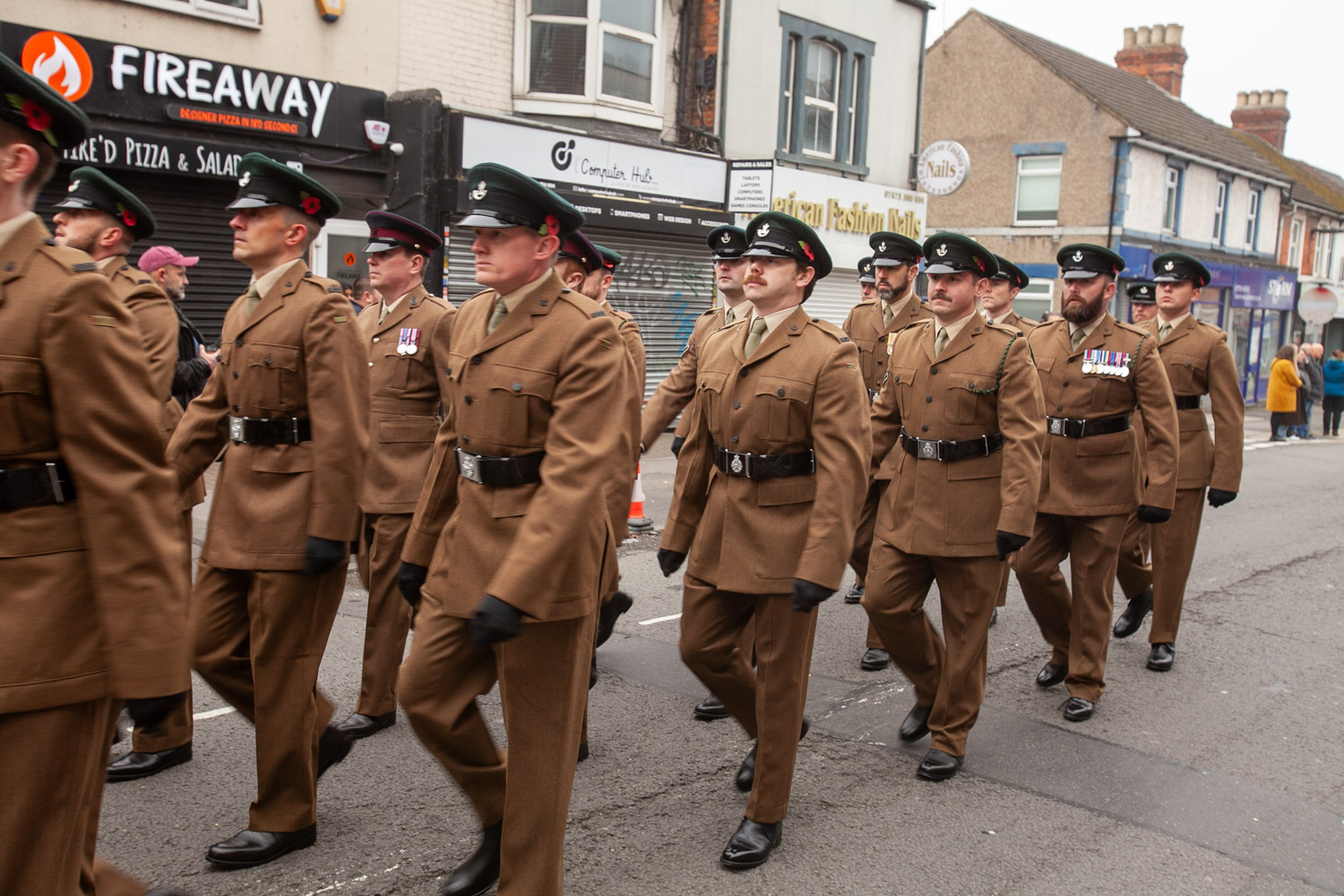
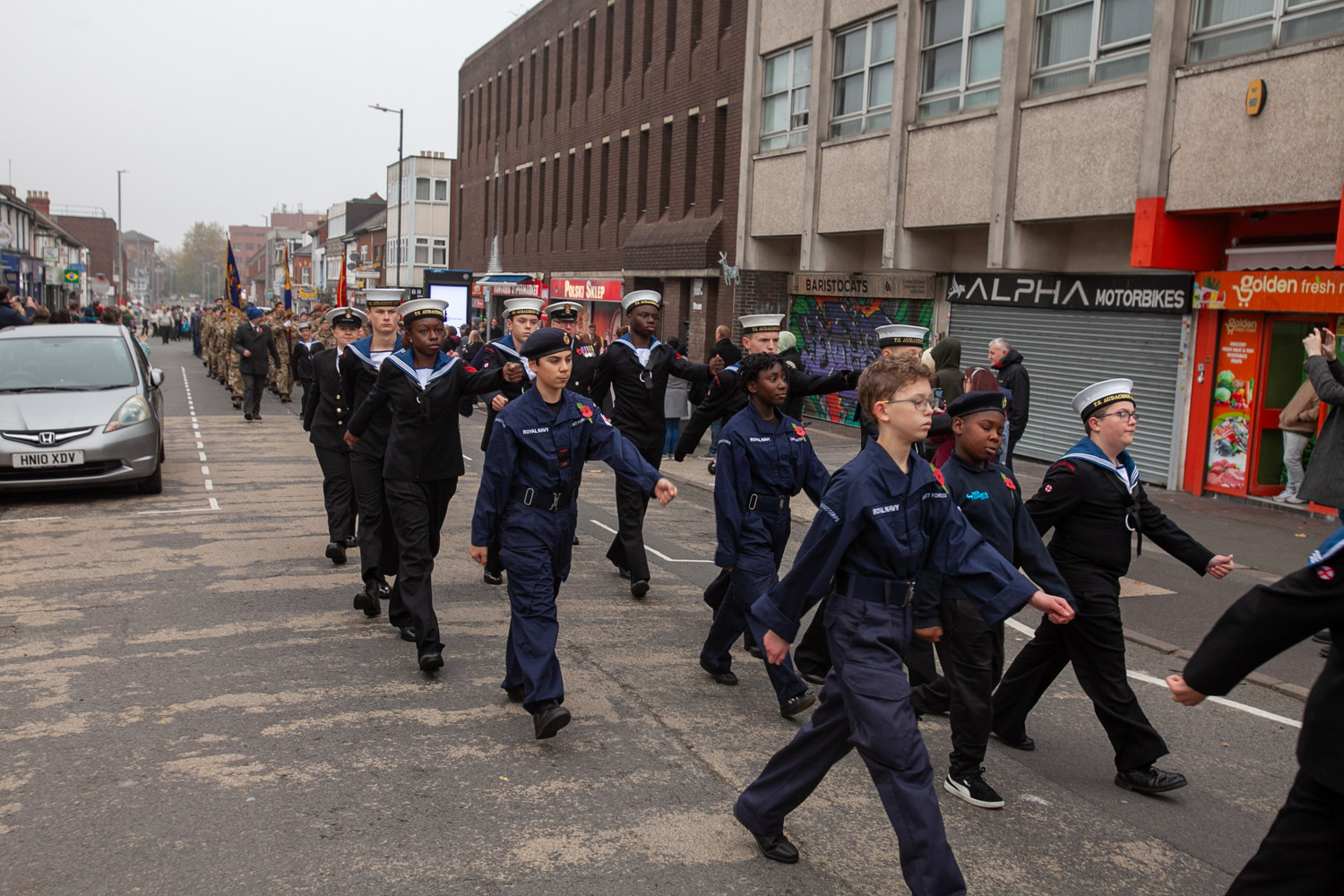
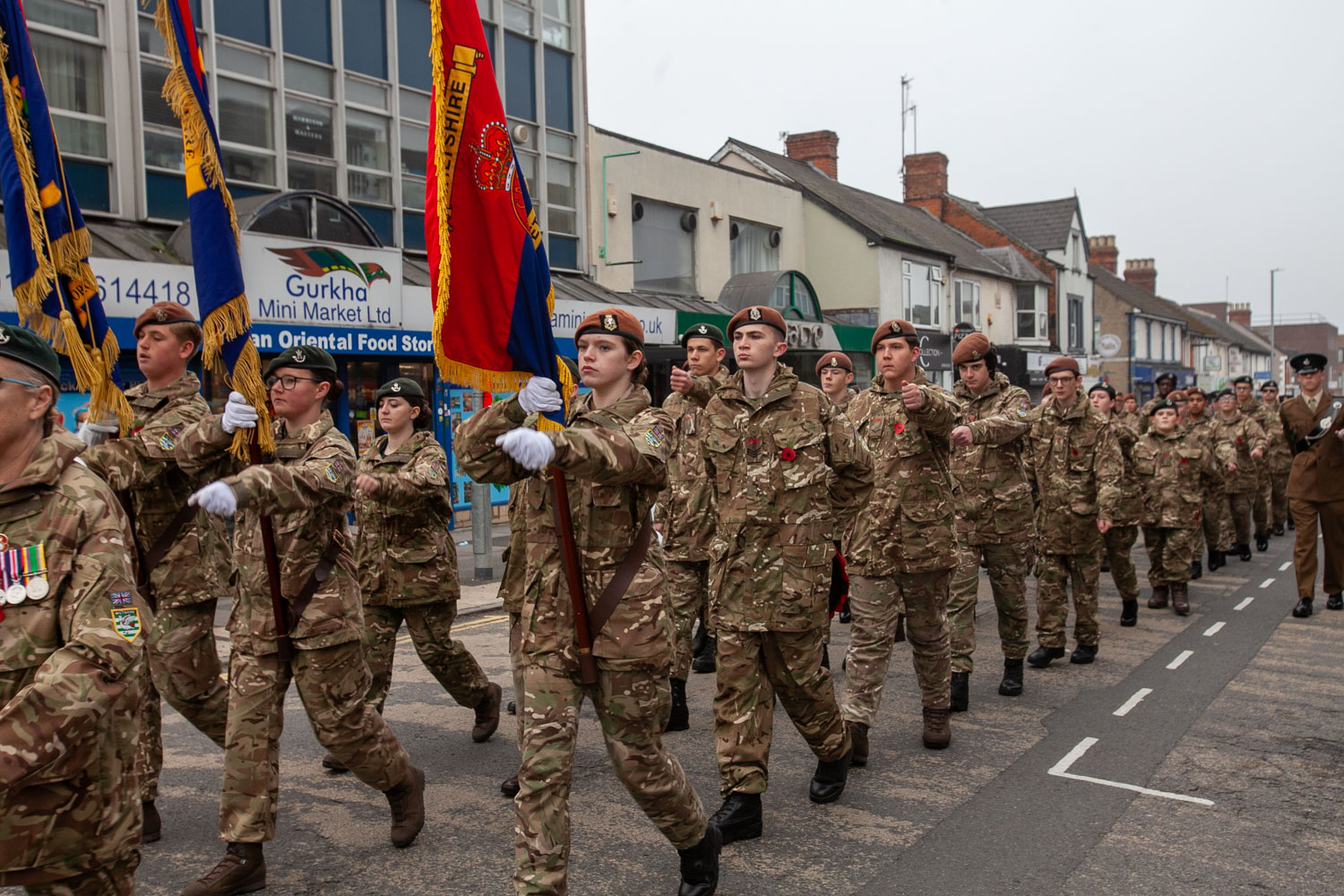
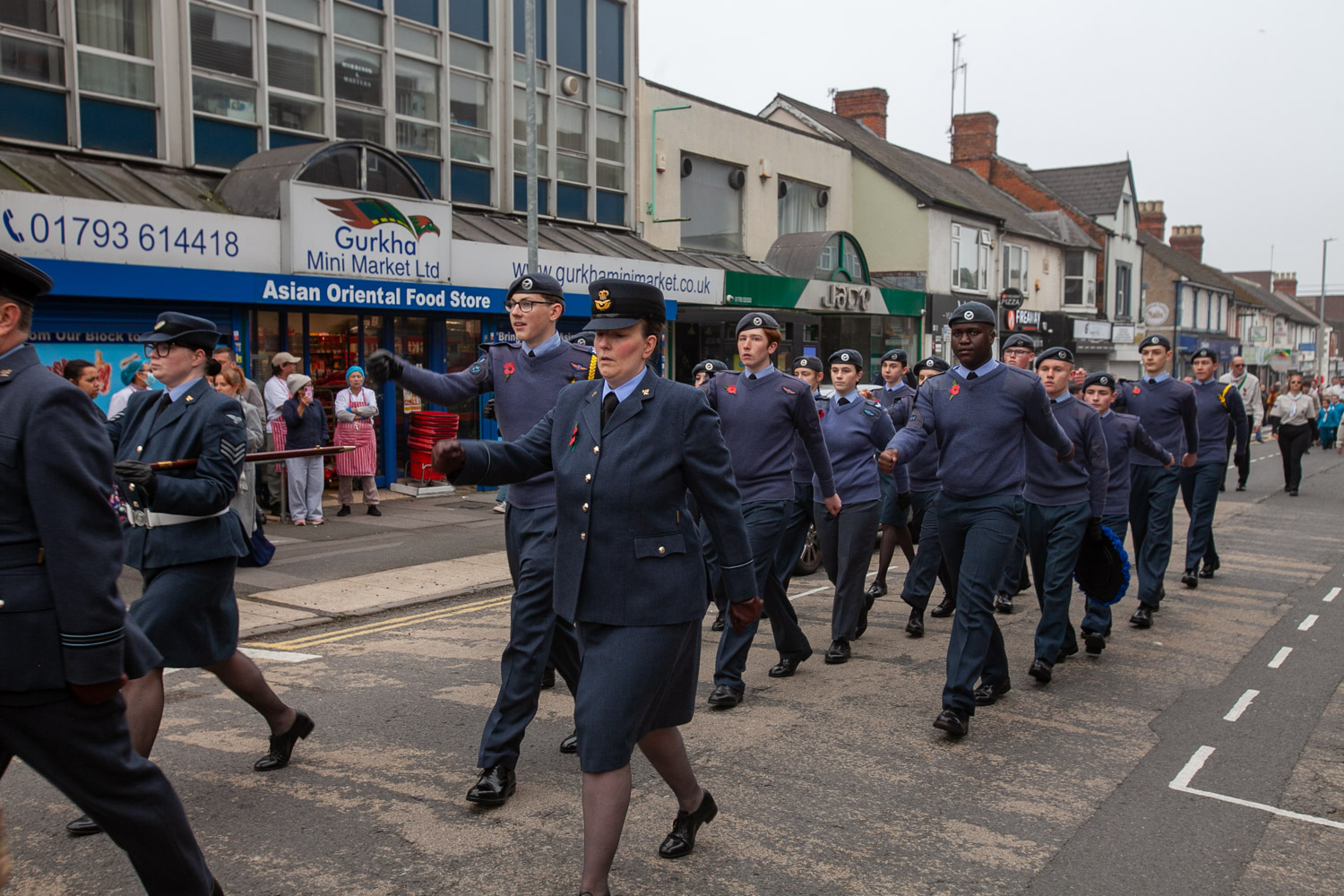
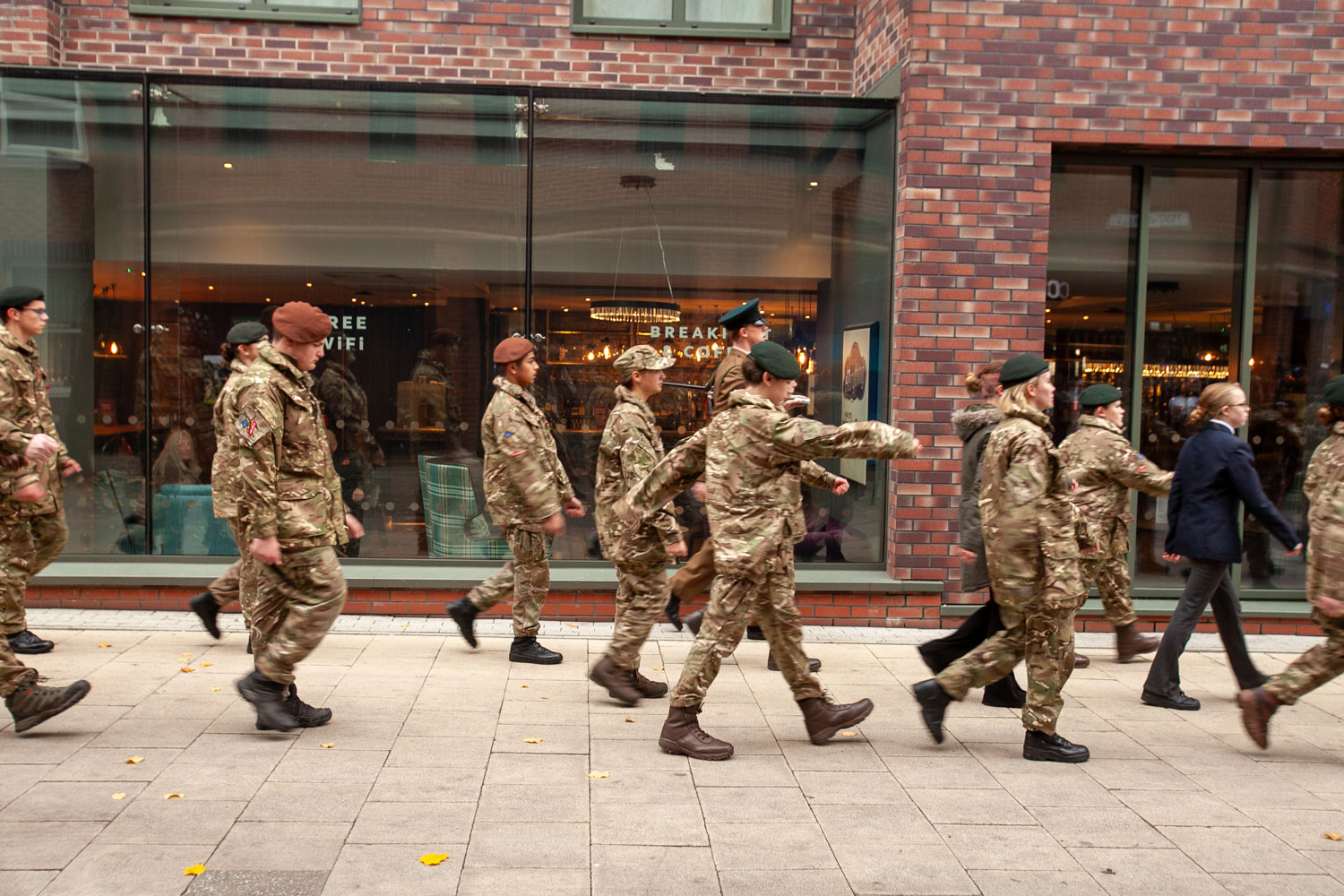
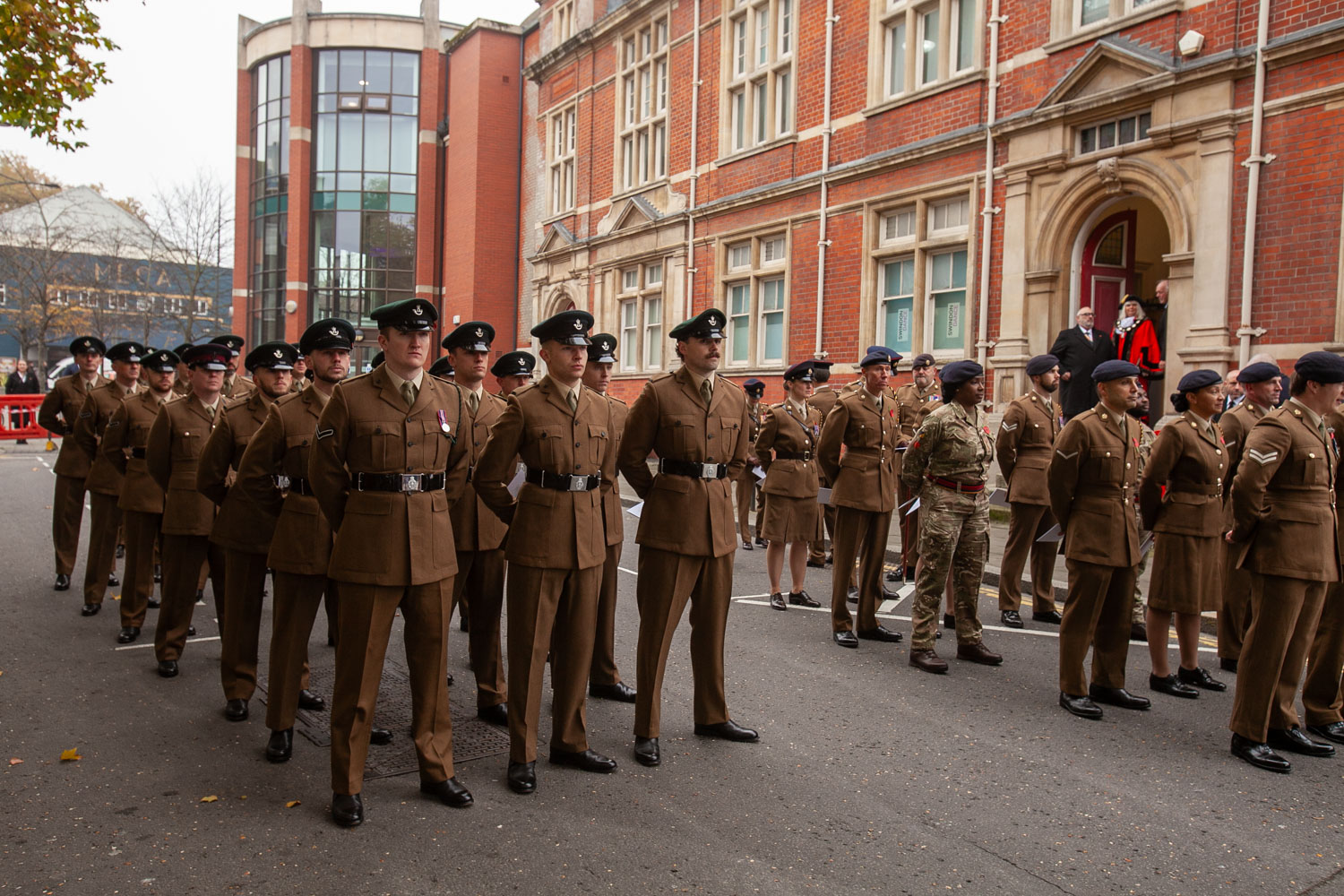
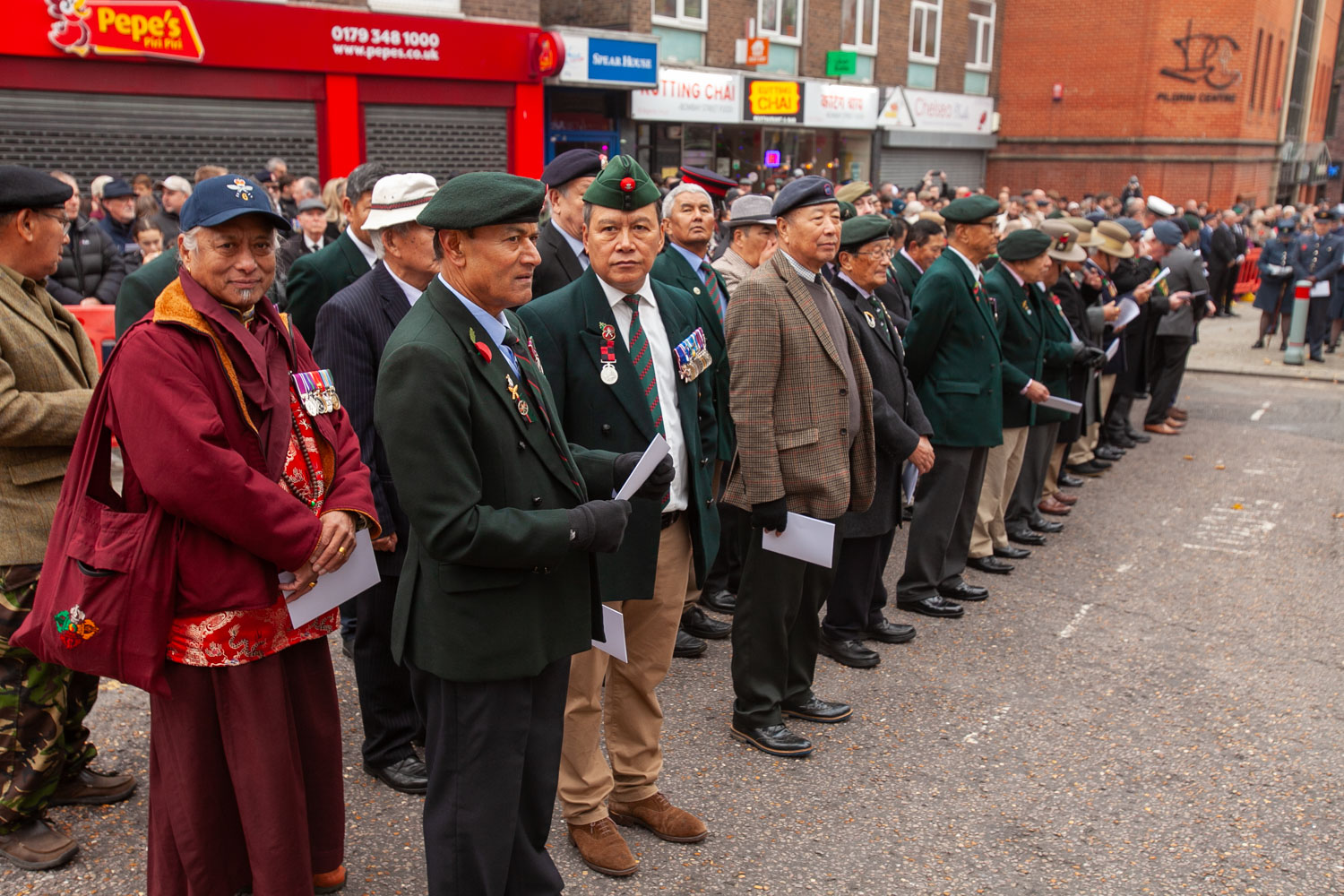
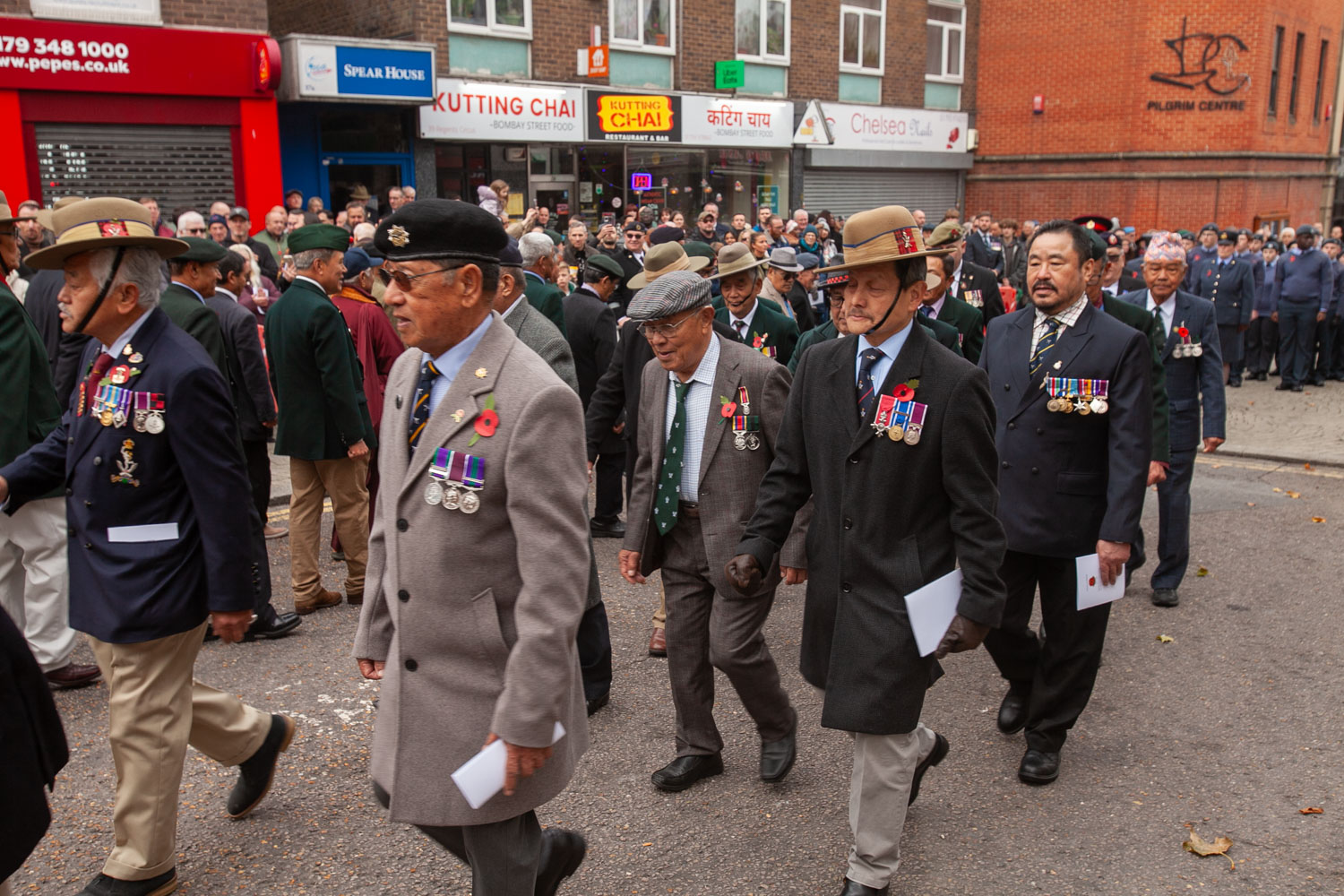
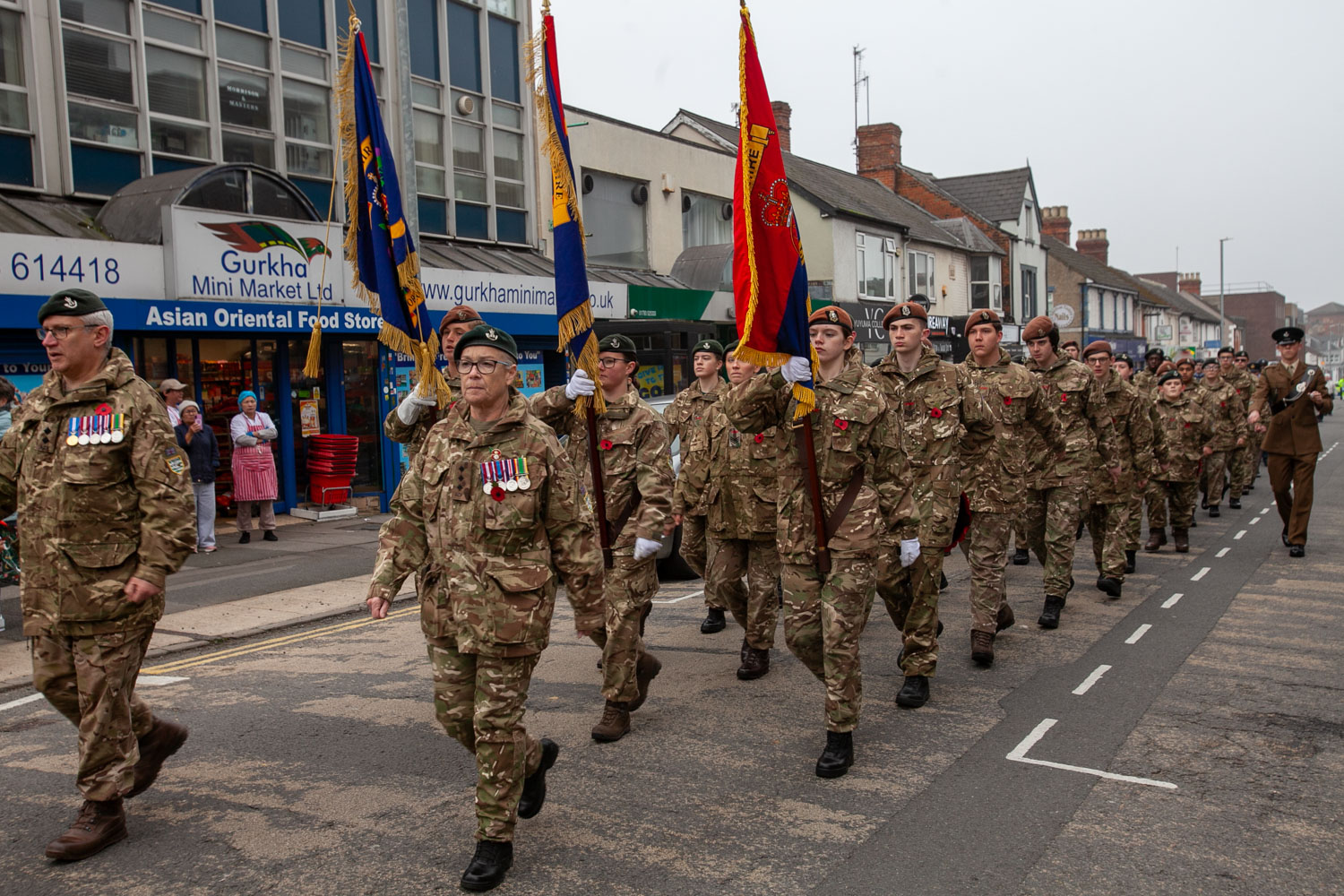
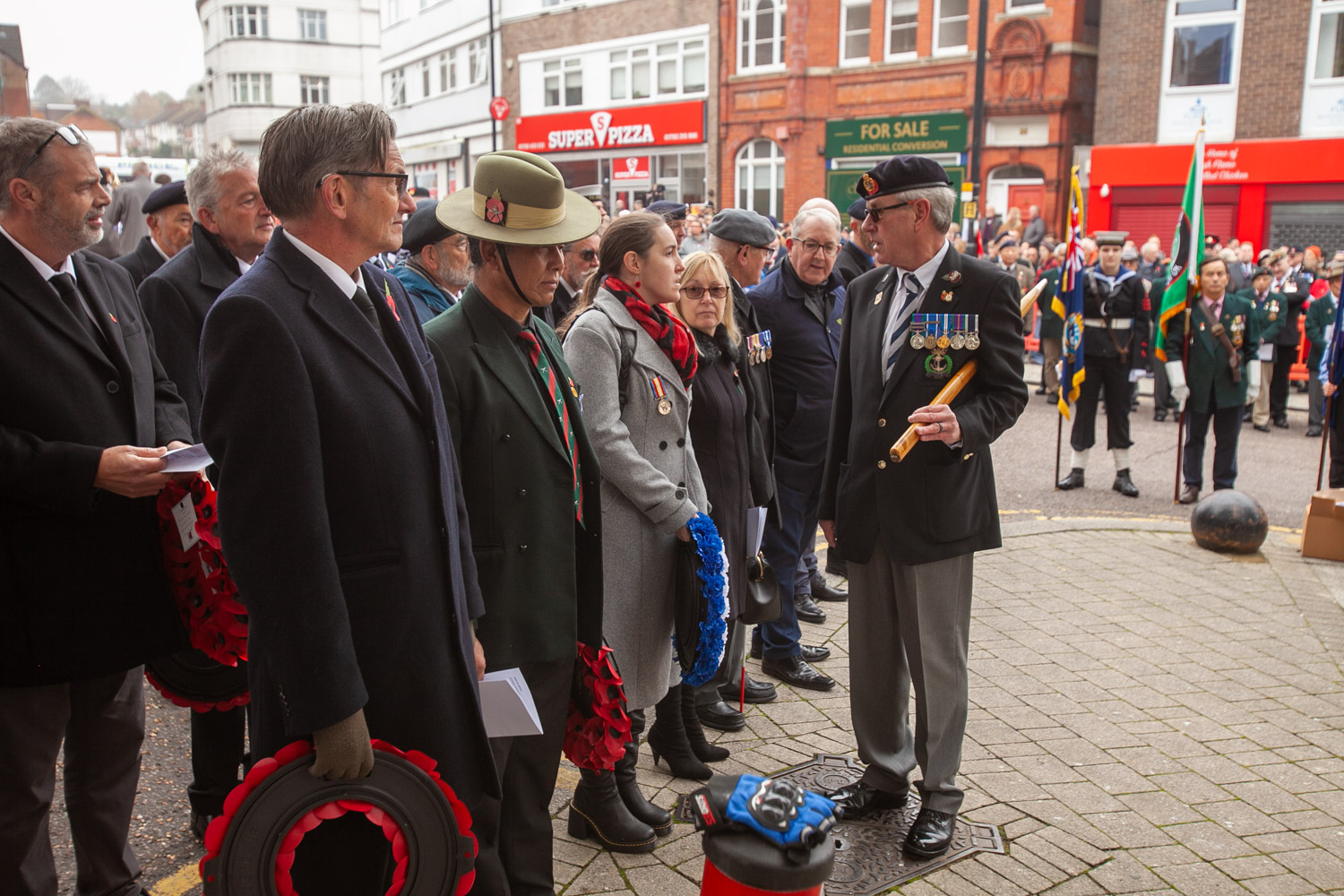
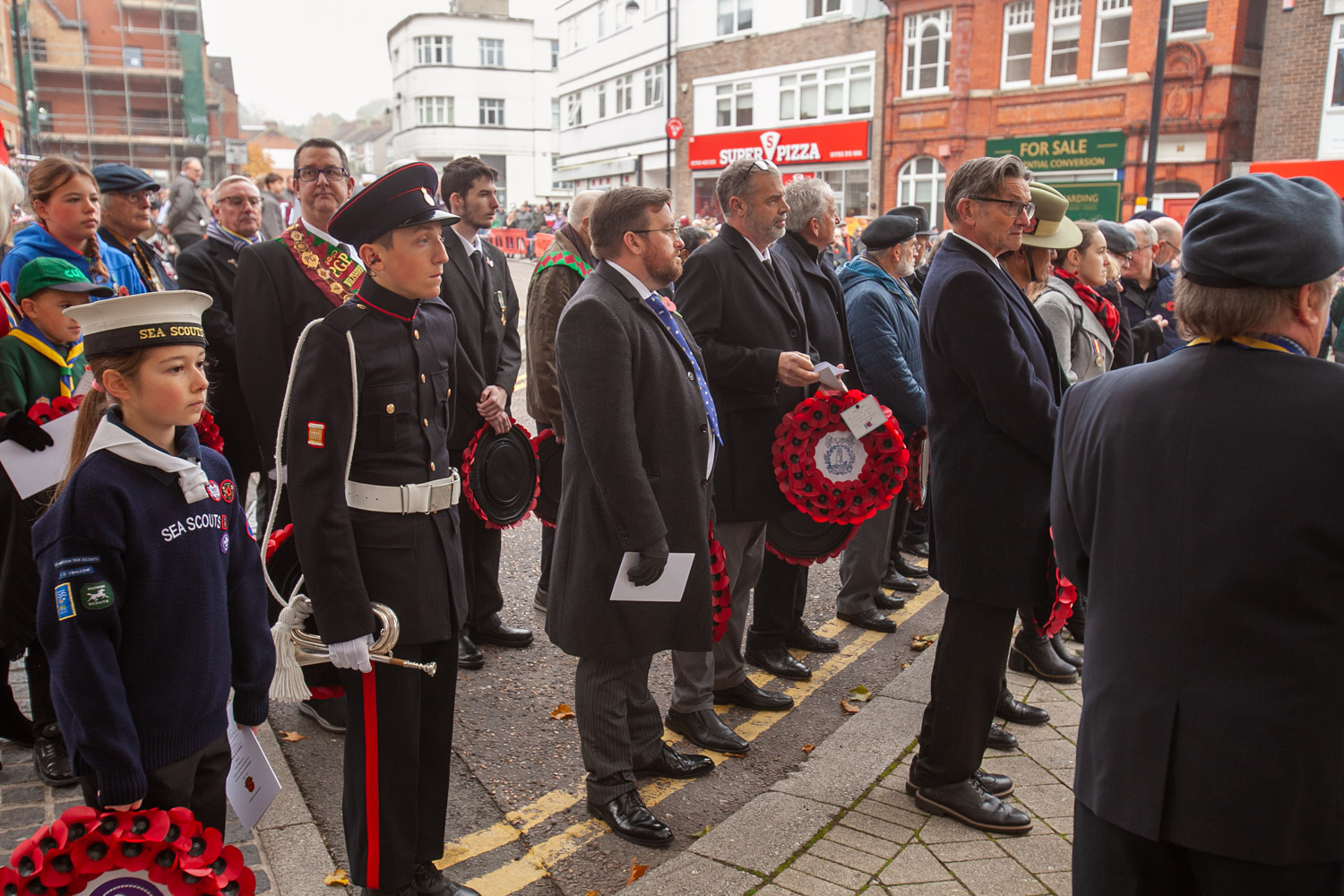
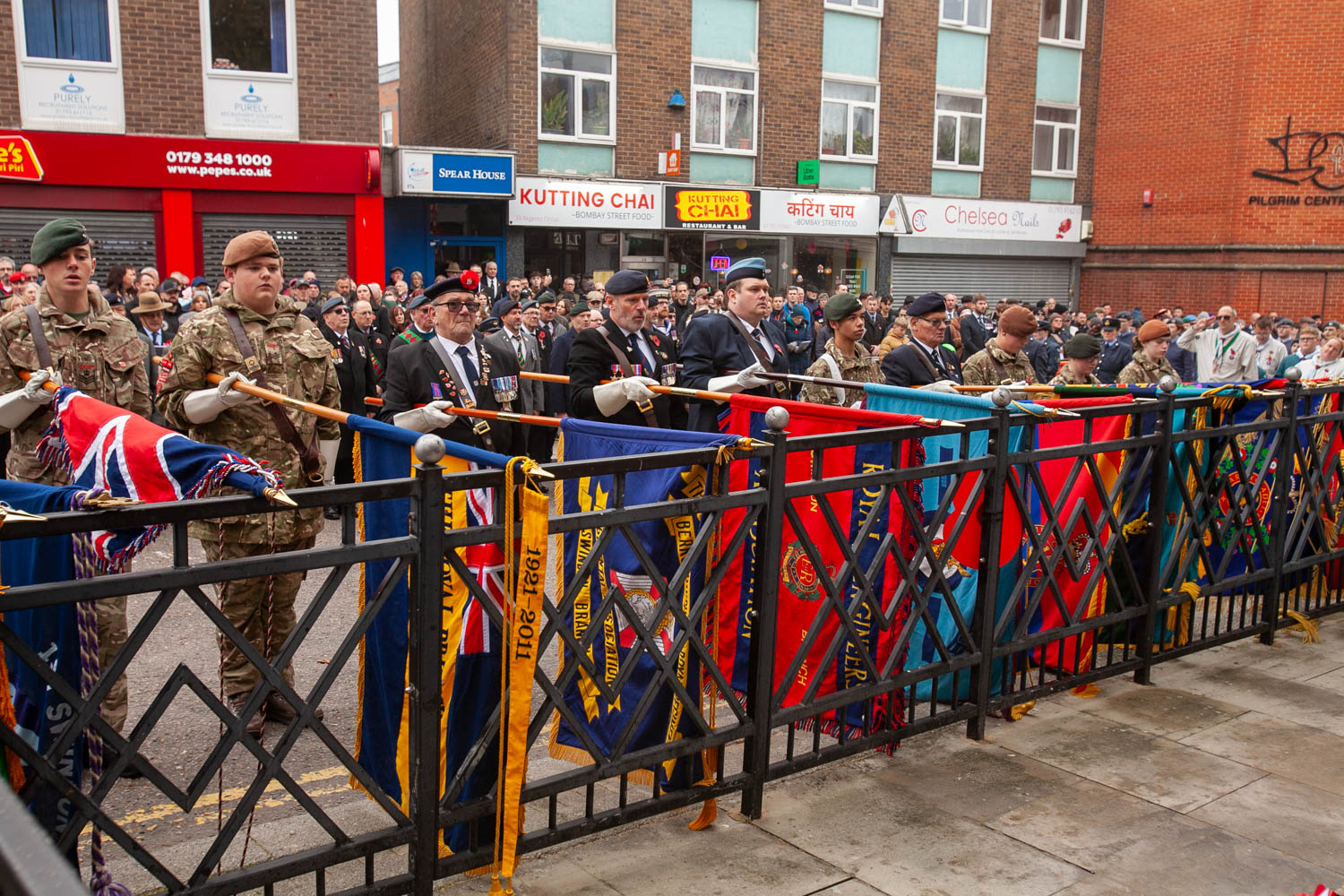
The annual parade saw sea cadets, army cadets, air cadets, Scouts, Gurkhas and military veterans gather in the town centre before marching to the Cenotaph for the main service of remembrance.
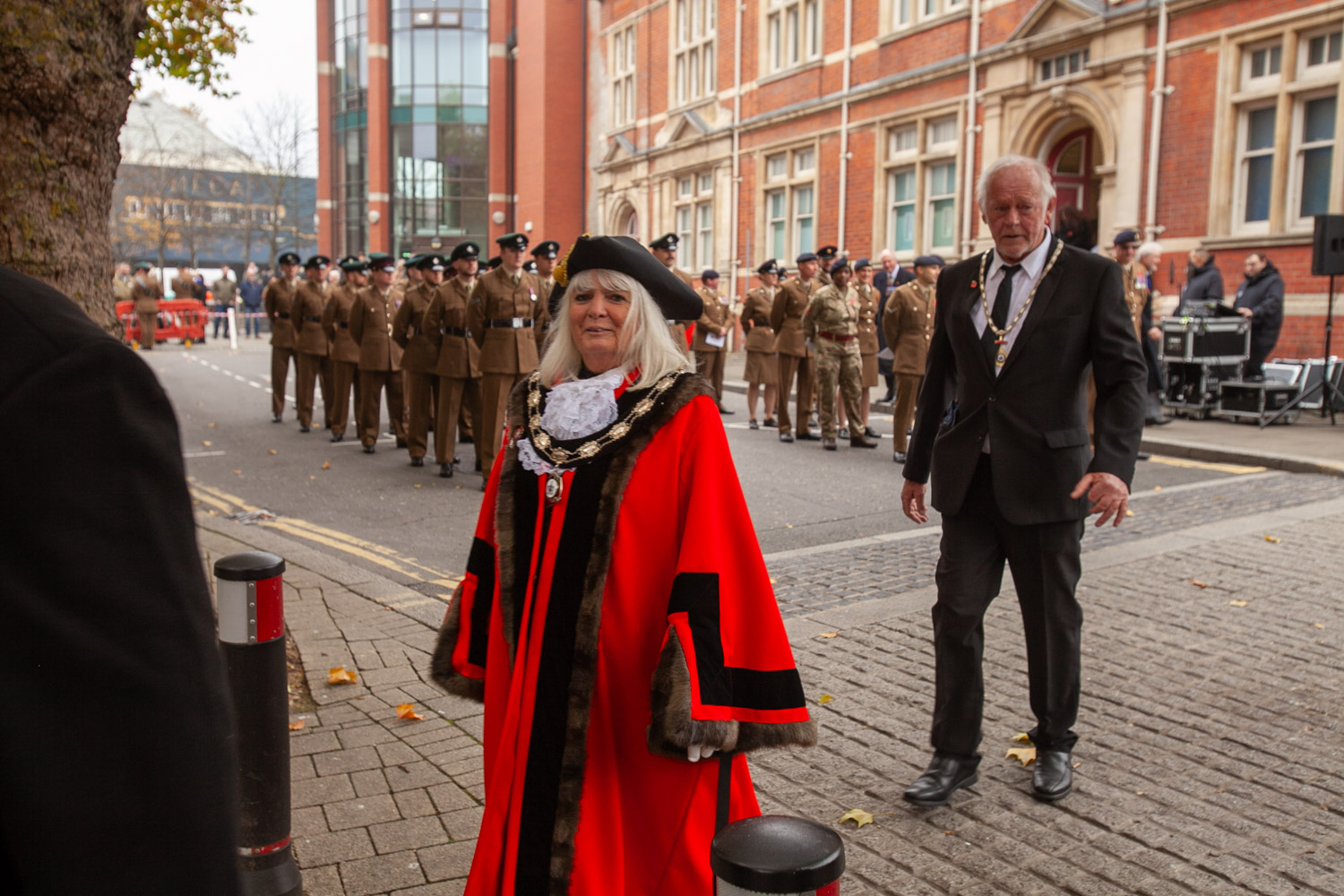
Among those attending were the Mayor of Swindon, councillors from across the political spectrum, local MPs, representatives of community organisations and families keen to pass the importance of remembrance to younger generations.
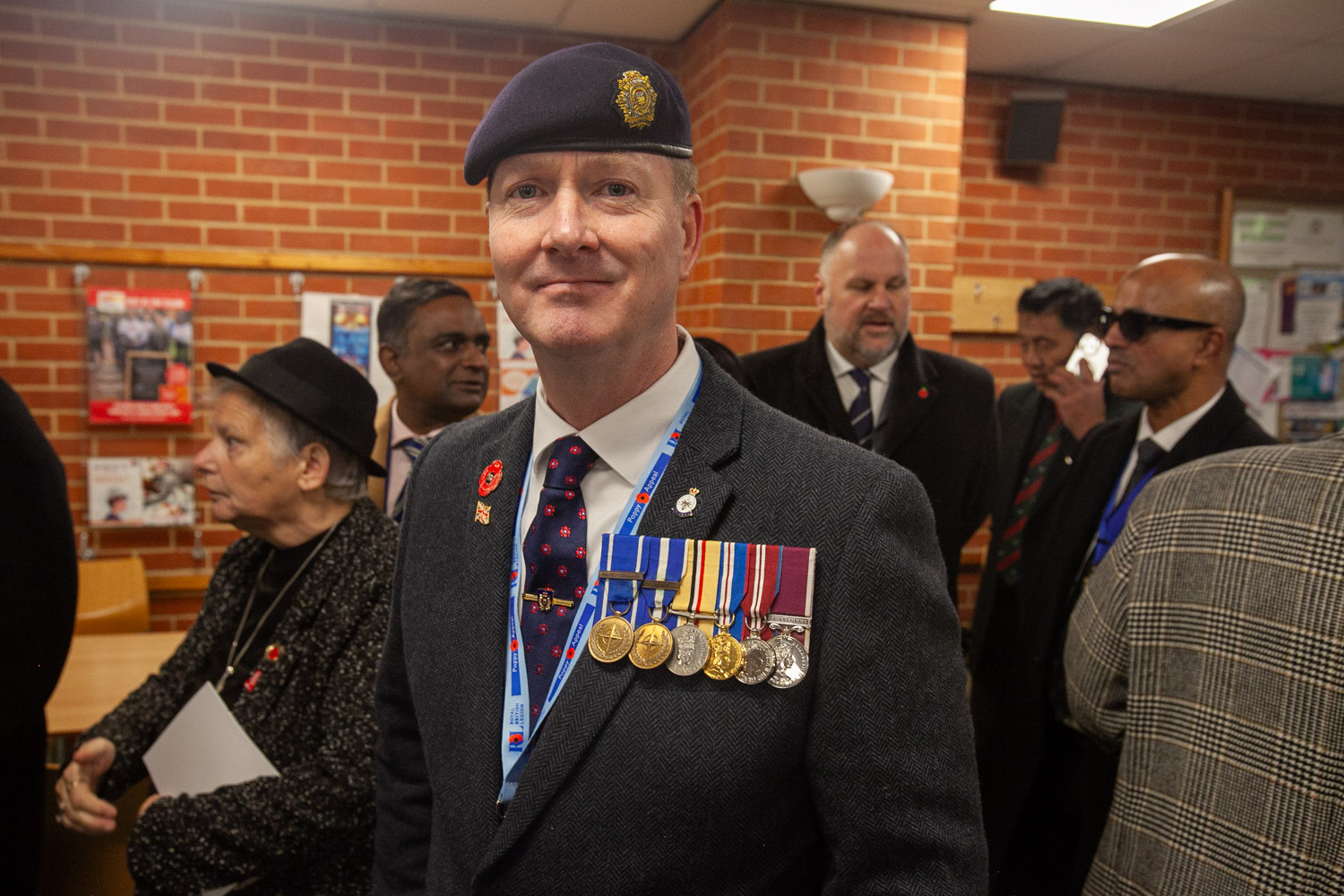
Councillor Simon Howard, a military veteran, said the number of people attending was particularly encouraging.
“This year’s turnout has been fantastic. Really, really pleased with it,” he said.
“You can see the crowds disappearing into the distance, which sometimes on some years we haven’t seen. And even those with their backs up against the shops, they were three to four deep, rather than other years where we’ve seen one or two rows.”
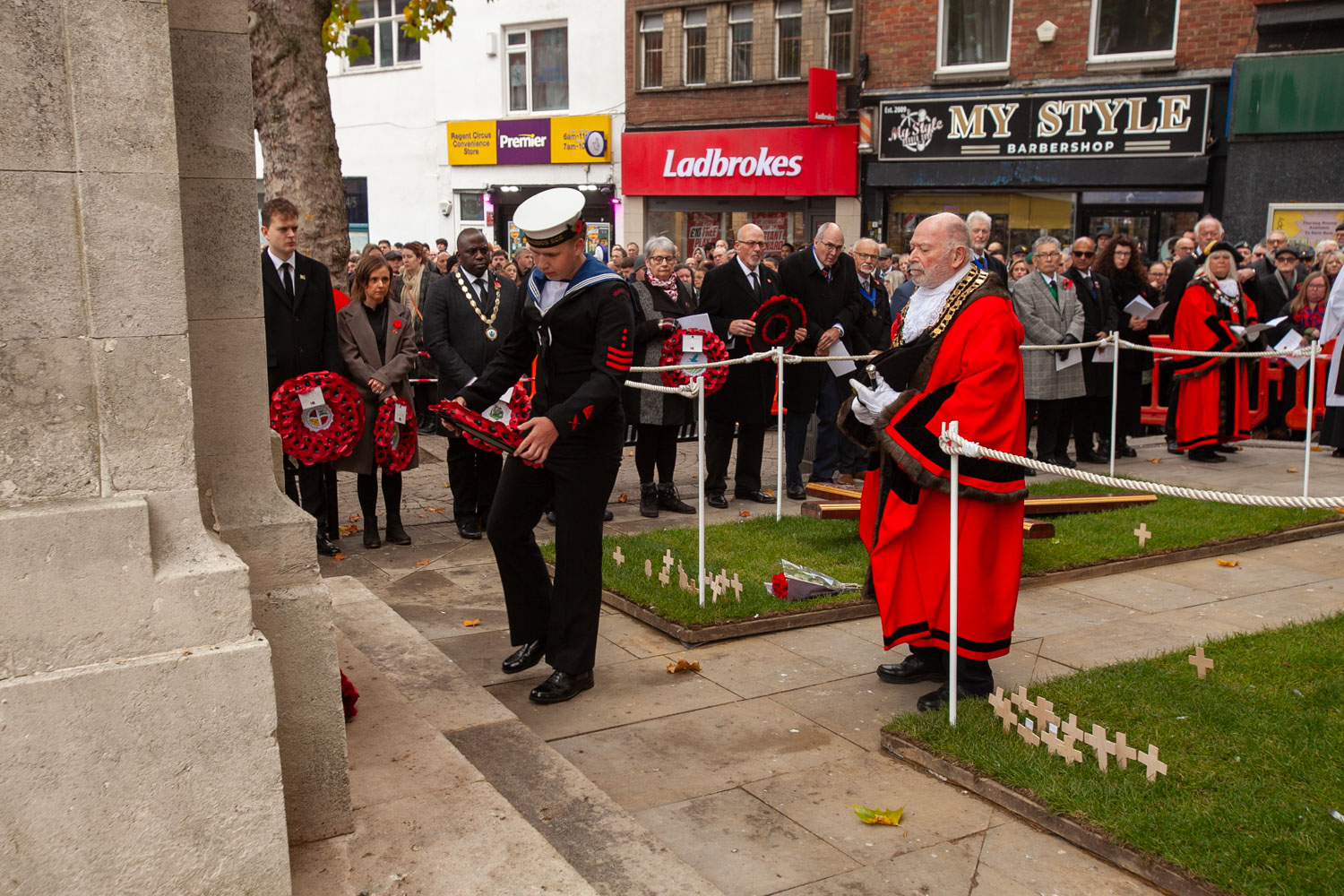
Mayor of Swindon, Councillor Neil Hopkins, said the continued support for Remembrance Sunday demonstrated why the tradition remains so important, particularly as the number of surviving Second World War veterans continues to decline.
“I think when you get a turnout like we had today, it just re-emphasises we should,” he said.
“We’ve had other conflicts where we have lost a lot of people over the years, and we need to respect their memories as well.”
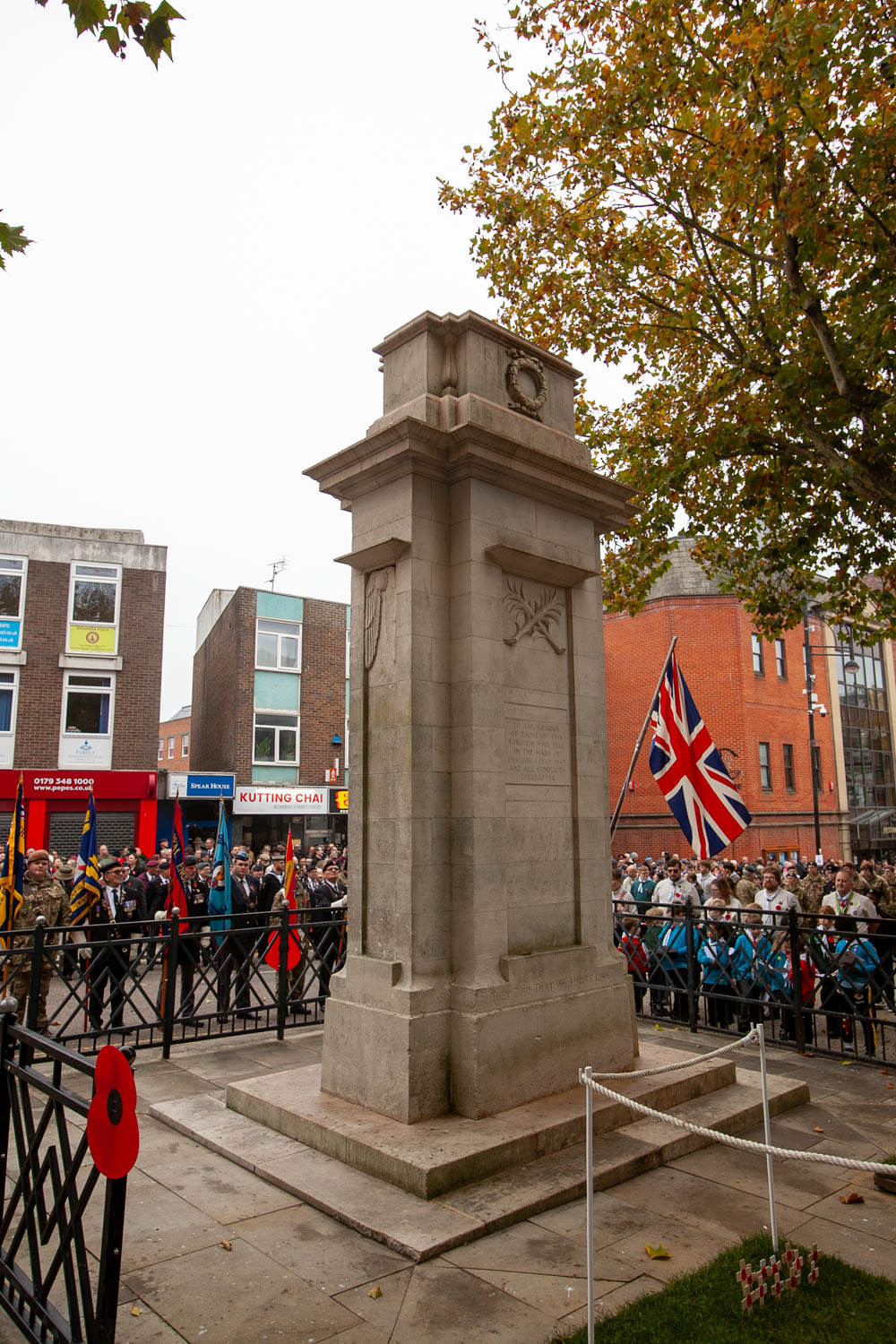
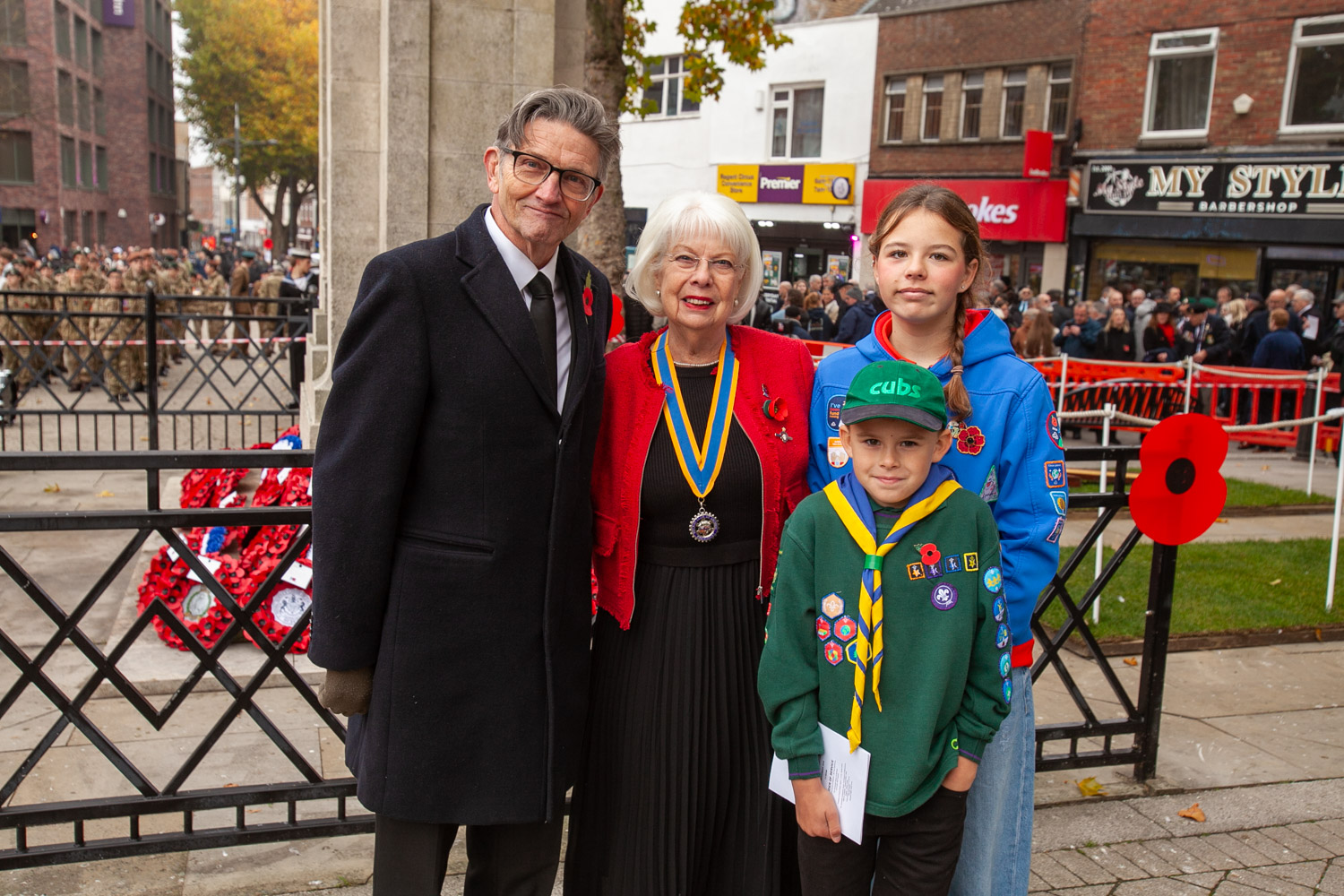
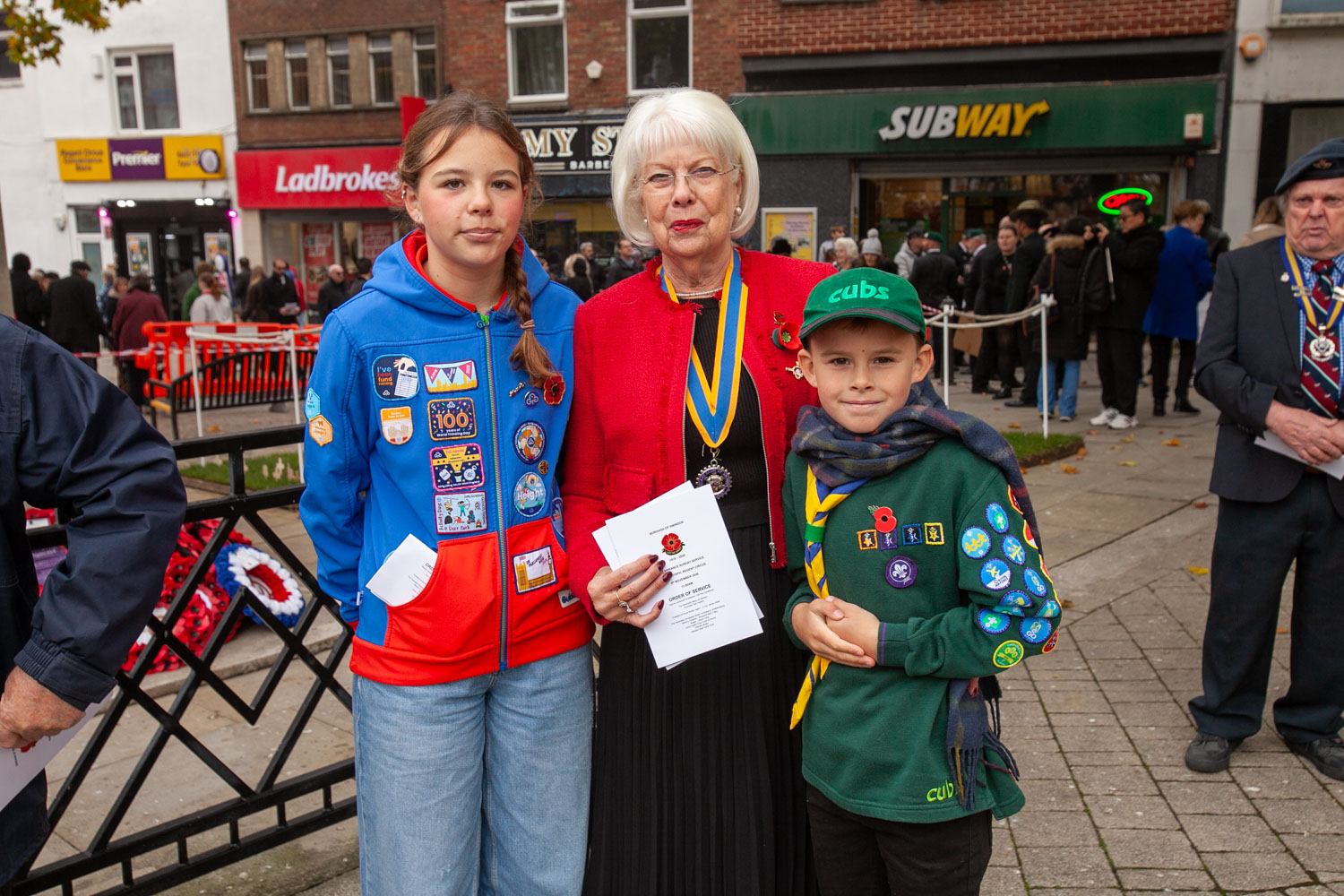
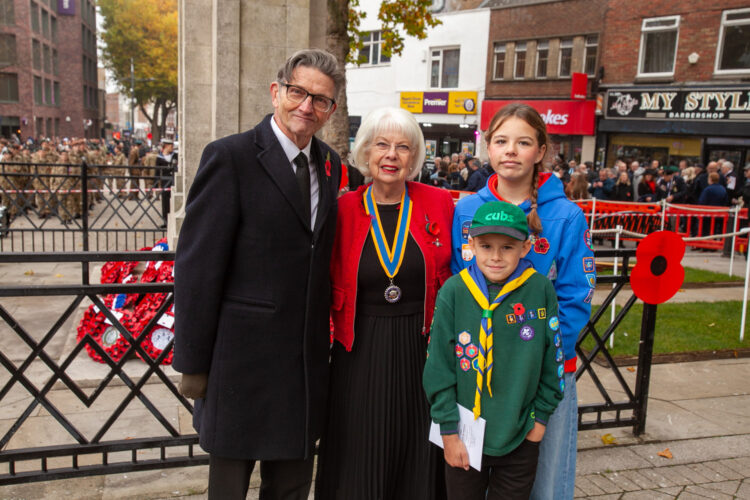
He described the annual commemoration as “not only special but it’s absolutely essential”. Among those attending was Debbie Vincent, president of the Rotary Club of Swindon, accompanied by her grandchildren Austin and Sophia, who are involved in Cubs and Guides.
Debbie described the service as “absolutely fantastic, very moving and very poignant”.
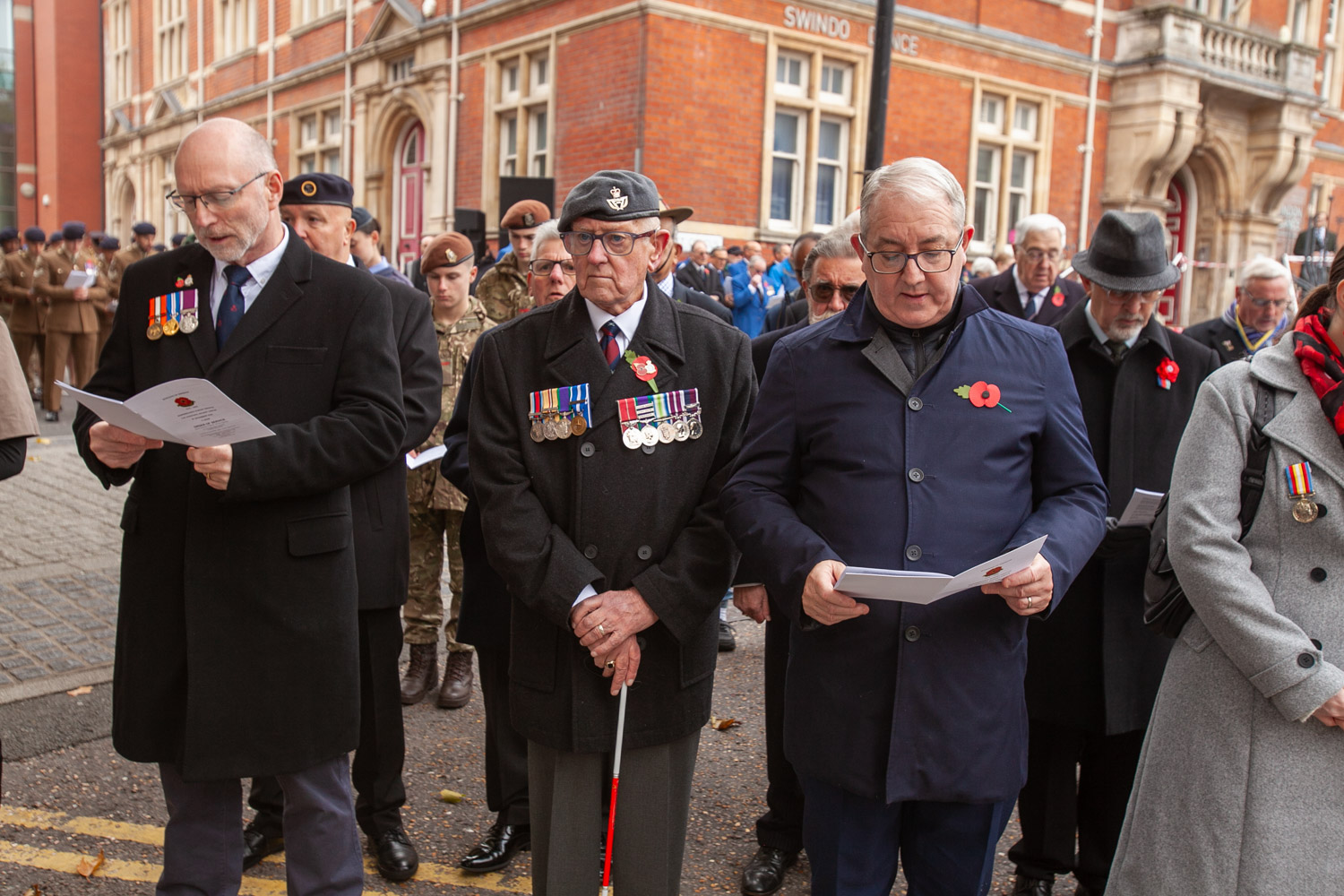
Asked why it was important for young people to attend, Austin said it was because those who served had given their lives to keep the country safe.
Sophia spoke about the responsibility of her generation to carry remembrance forward.
“Young people should remember this day. So, in years to come, these people who have risked their lives or have died for us can still be remembered,” she said.
Local historian Royston Cartwright, who has documented Swindon’s Remembrance commemorations for many years, said the occasion continues to have a special significance.
He explained that he shares footage of the silence on social media, where it reaches former Swindon residents living around the world.
“I get some wonderful feedback from ex-Swindonians, saying how lovely it is to be part of it,” he said.
Personal connections to those who served
For many attending, Remembrance Sunday was also deeply personal. Jeremy, chief executive of Prospect Hospice, recalled his grandfather’s experiences during the evacuation of Dunkirk in 1940.
“My grandfather was one of the last people off Dunkirk, so there’s always been that connection for people of my age,” he said.
He also reflected on the hospice’s work caring for military veterans, including the late General Sir Mike Jackson, the former head of the British Army.
“Last year, we cared for General Sir Mike Jackson, who is a very prominent general, and spending time with him and his family was incredible,” he said.
“It’s an absolute privilege to be here.”
Councillor Matt Hinton, Swindon Borough Council’s Cabinet Member for Community Engagement, Safety and Services, said the occasion brought people together regardless of their political differences.
“It was incredibly moving to see all sorts of people from all sorts of parties taking the time to meet in the town centre, the heart of the town, to remember and be grateful for the sacrifice made by people, not just 100 years ago in the First World War, but conflicts before that and since then.”
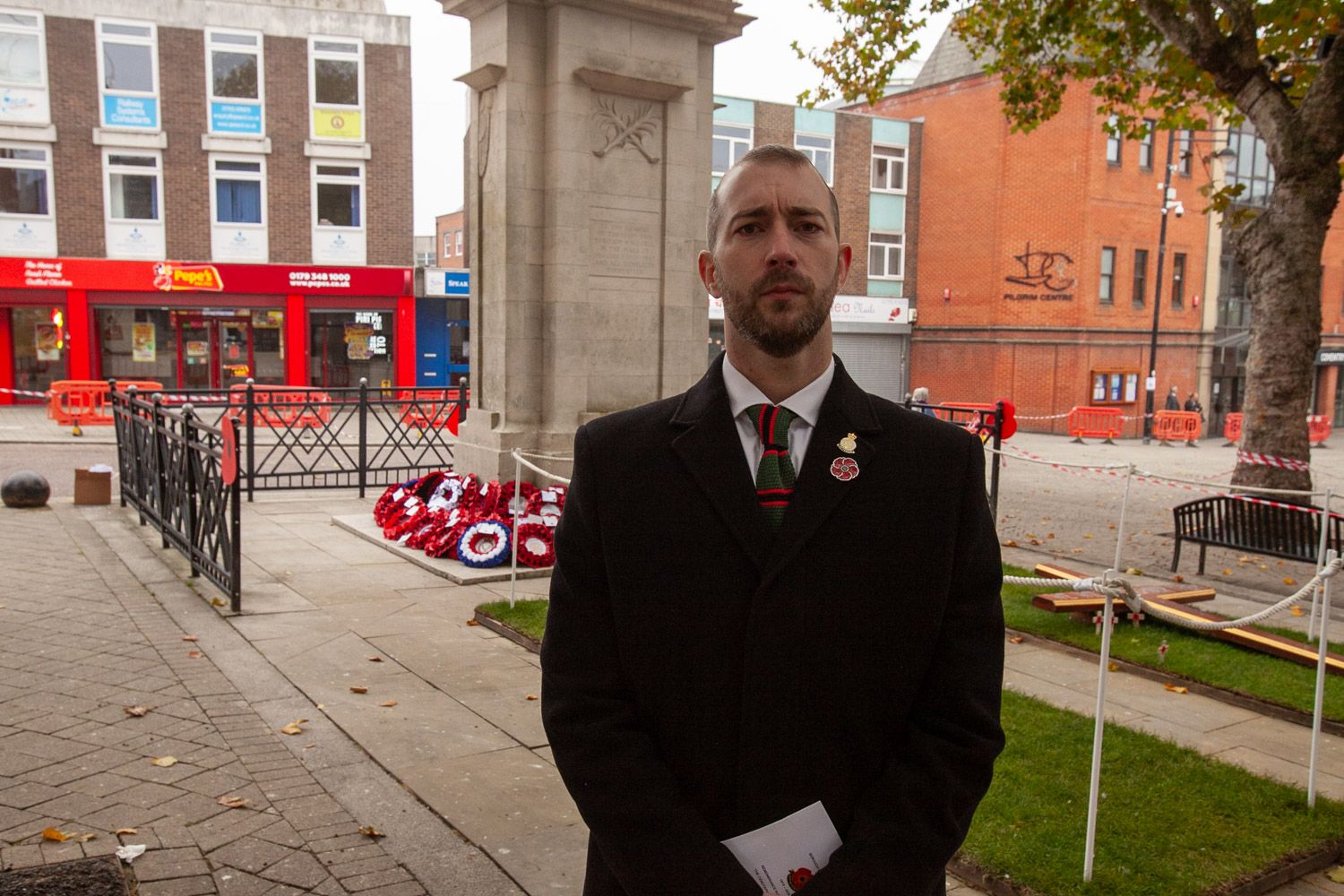
Councillor Jim Robbins also welcomed the turnout and praised the appearance of the Cenotaph following work ahead of the service.
“It’s really important that we take that time just to make sure that we’re giving proper respect,” he said.
Meanwhile, North Swindon MP Will Stone, himself a military veteran who is undertaking reservist training at Sandhurst, described the occasion as an emotional one.
“It’s always a very emotional day, but it was fantastic to see so many people come out and be here on remembrance,” he said.
The MP also spoke about the importance of maintaining a credible military deterrent at a time of heightened international tensions. He said investment in defence was important both for national security and for supporting skilled employment in Swindon.
Swindon’s commemorations formed part of a nationwide day of remembrance on Sunday 8th November, with services taking place at war memorials across the country.
The tradition dates back to the end of the First World War, when an armistice came into effect at 11am on 11th November 1918, bringing an end to more than four years of fighting on the Western Front.
The first Armistice Day commemorations took place in 1919, establishing the tradition of a two-minute silence at 11am.
Although originally focused on those who died during the First World War, remembrance now honours military personnel who served and sacrificed their lives in the Second World War and subsequent conflicts, including the Falklands, Northern Ireland, Iraq and Afghanistan.
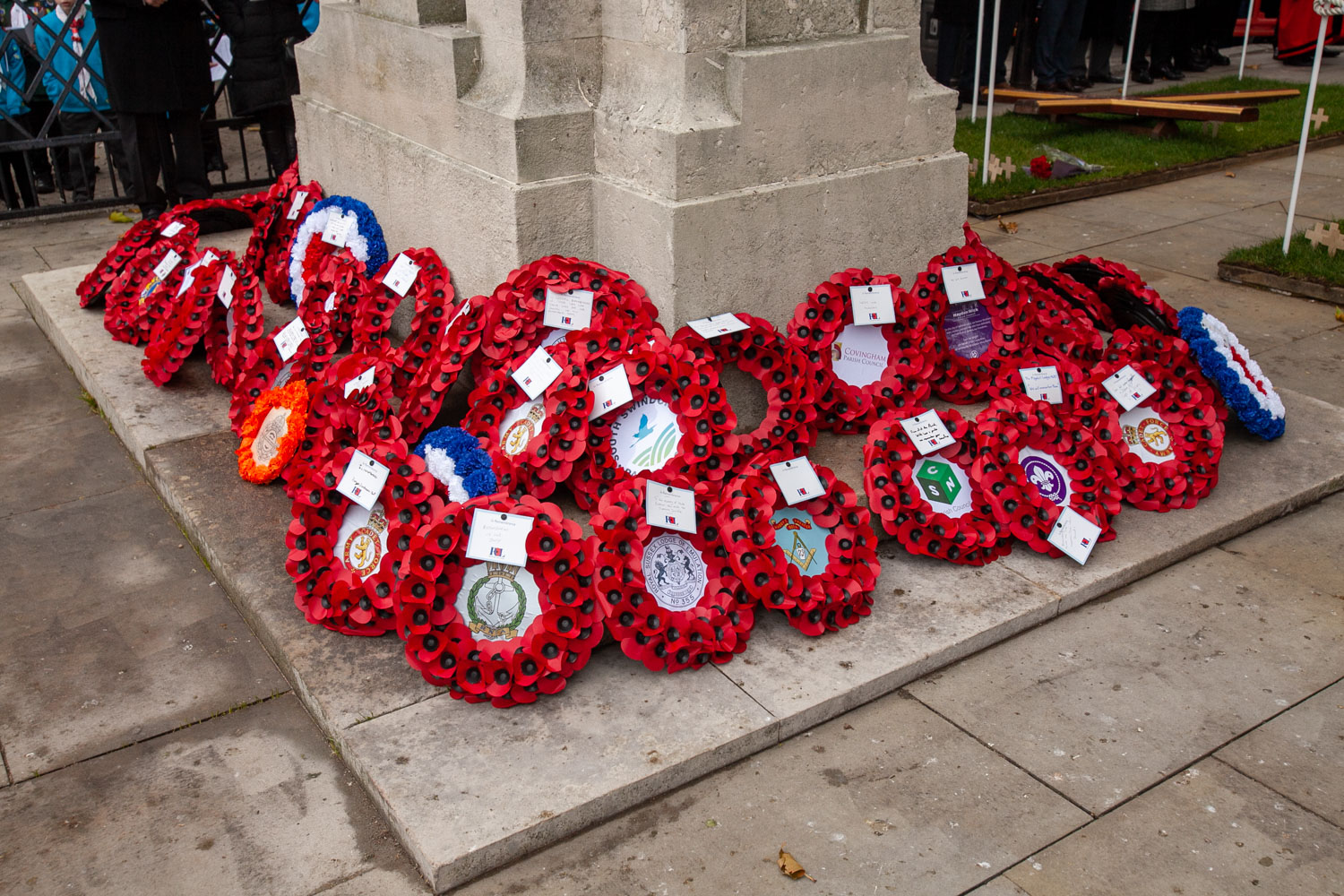
The red poppy became a symbol of remembrance following the First World War, inspired by the flowers that grew across the battlefields of France and Belgium. It remains closely associated with the Royal British Legion’s annual Poppy Appeal, which raises money to support serving personnel, veterans and their families.
This year’s national commemorations also saw thousands of veterans take part in the march past the Cenotaph in Whitehall, London, alongside the Royal Family and senior political figures.
Remembrance was also being marked in other parts of Swindon, with additional services taking place throughout local communities. The chair of Stratton St Margaret Parish Council, Councillor Oladapo, spoke of the importance of remembering those who had sacrificed their lives, describing the occasion as a profound time for reflection.
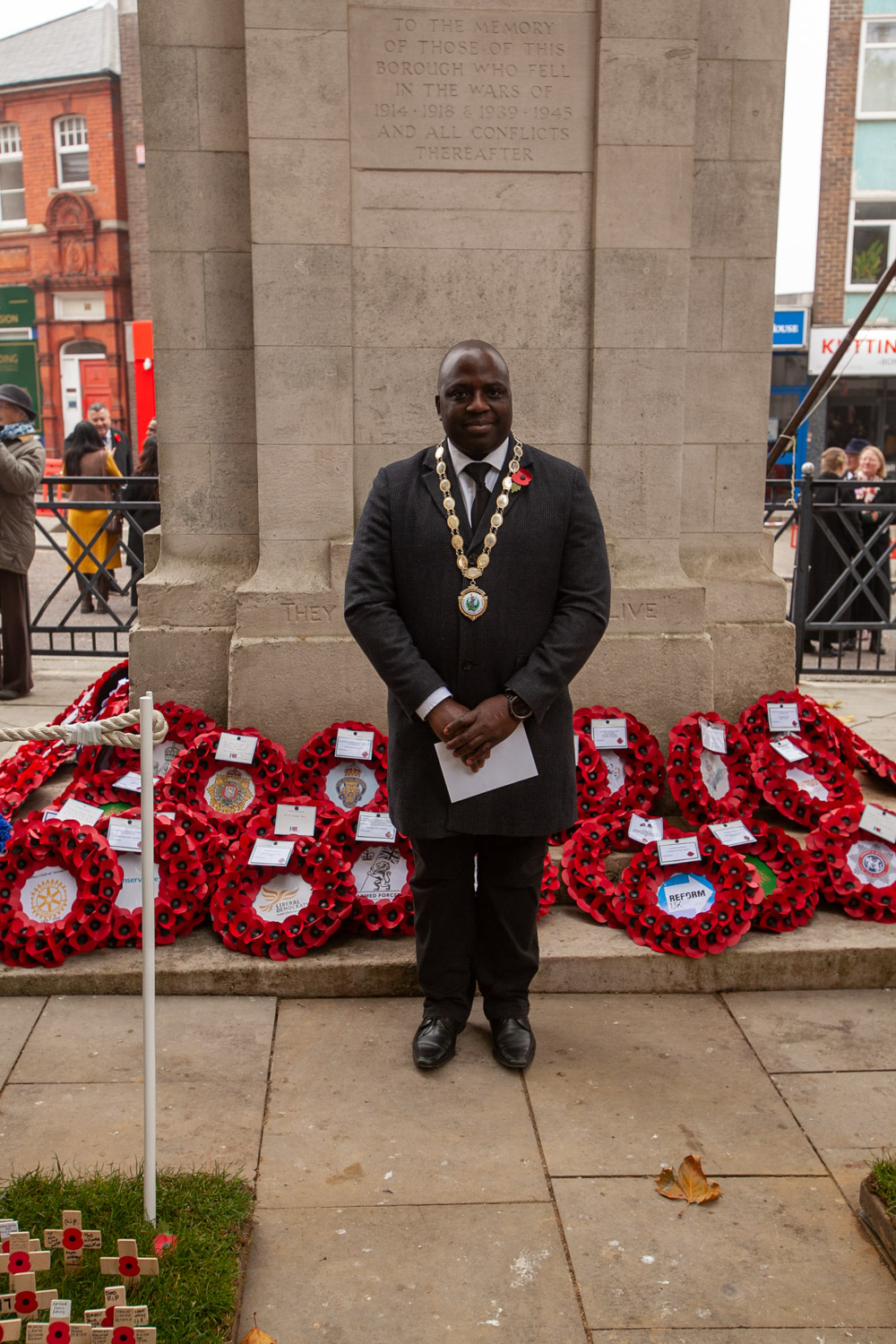
For those gathered at Swindon’s Cenotaph, the message was one of gratitude, reflection and a determination to keep the memories of past generations alive.
The commemorations continue on Wednesday 11th November, Armistice Day, when people across the country are invited to observe another two-minute silence at 11am, marking 108 years since the guns fell silent at the end of the First World War.
As generations change and memories of the world wars become increasingly distant, Sunday’s turnout in Swindon demonstrated that the commitment to remembrance remains strong.
Gallery: