

The report, which will be considered on Tuesday 1st July, sets out proposals to reshape the service by commissioning it jointly with the Bath and North East Somerset, Swindon and Wiltshire Integrated Care Board (ICB).
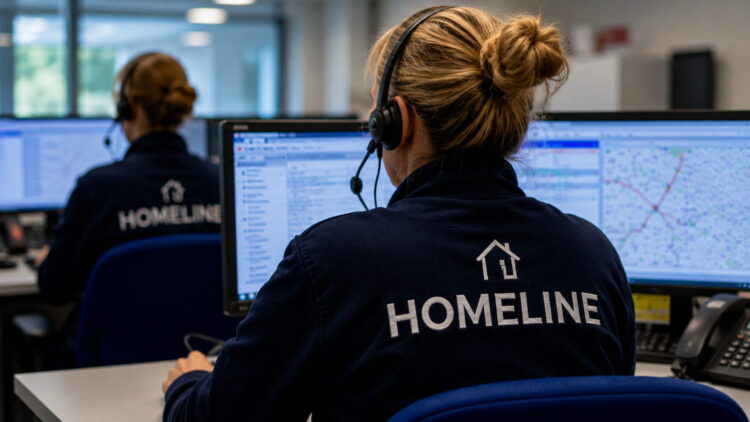
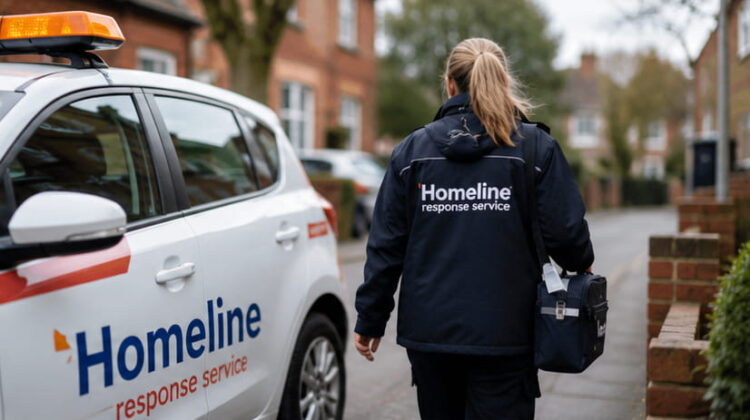
Homeline supports around 3,000 vulnerable residents to live independently in their own homes by providing 24-hour monitoring and an in-person emergency response.
Council figures show responders attended around 4,000 incidents since the start of 2025. Of those, 1,024 required staff to obtain clinical advice before they could act, while 375 incidents resulted in an ambulance being called.

The report reveals one resident waited 331 minutes, more than five hours, for clinical guidance, while another faced an ambulance wait of up to 8 hours. During such delays, residents who had fallen were often unable to be moved until appropriately qualified medical support arrived.
The council says increasing medical complexity means the service now requires greater clinical expertise while retaining the face-to-face support residents rely on.
Councillor Vinay Manro, Cabinet Member for Adults and Health, said:
“This is all about the independence and long-term dignity for residents that are supported by the Homeline service and meeting the future and current needs for them.
“The key message at the moment is the service isn’t stopping. We’re looking at how we improve that service.”
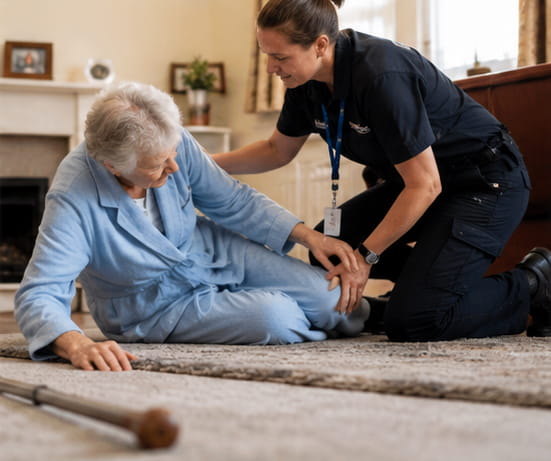
He said falls remain the most common reason residents activate their Homeline alarm, but many incidents now require medical assessments beyond the council’s capabilities.
“Predominantly falls, so they wear the pendant, they’ve taken a fall, they press the button, our team respond,” he said.
“The outcomes can vary, different people have different medical needs. An assessment takes place once our team have visited the resident as to whether they can be moved, whether immediate paramedic response is required, or whether there is a recommendation to visit the GP and other medical follow-ups, but it is more and more seen that these are medical needs, which is a service that the council haven’t been able to provide.”
He added that in some cases, the presence of Homeline responders can unintentionally affect ambulance prioritisation.
“There can be if we then call the paramedics and they see that we are there with them, that sometimes pushes that resident down the waiting list for a paramedic response.”
The proposals would see the service delivered in closer partnership with NHS services while maintaining its 24-hour monitoring and rapid in-person response.
Councillor Matty Courtliff, Cabinet Member for Housing and Property, said the review was prompted by the changing demands placed on the service rather than a change in political leadership.
Asked whether the new Conservative administration had altered plans developed under Labour, he said:
“No. The consultation was coming to a close anyway during the handover between the administrations. This is absolutely about making sure we provide an enhanced service that meets the needs of those service users.
“The complexity of people’s needs mean that the way Homeline has evolved from what was originally just a housing service, it’s not the right place for the borough to be delivering those medical services anymore.
“This is about having the right people on board, working with the NHS to make sure that the provider gives everything that the users need.”
He said the aim was to provide responders with greater clinical capability so residents receive appropriate care more quickly.
“The Borough Council is not a provider of medical services,” he added. “The NHS is absolutely the expert on providing frontline medical services.”
The report also recommends removing the automatic requirement for sheltered and supported housing tenants to pay for Homeline through their tenancy agreements.
Instead, the service would become optional, with a separate statutory consultation on those changes expected later this year.
Private residents, who have been unable to join while the review was underway, would also be able to sign up again.
Councillor Manro said:
“Private residents have been able to use the service in previous years. That was paused whilst the review was taking place.
“The assurance is that private residents will still be able to sign up. The costs are about £40-something a month for anybody to sign up, and those costs won’t change significantly.”
The council insists the proposals are designed to improve the service rather than reduce spending.
“This isn’t about making money,” Councillor Manro said. “This is about enhancing the service, working with clinical providers to continue the service, improve the service, and let people live more independently.”
More than 1,000 people responded to the public consultation, with 97% saying Homeline is an important service.
Among those who had received an in-person response, 98% described it as useful.
The consultation also found 84% opposed replacing the service with telephone-only support, while almost 86% opposed closing it altogether.
If Cabinet approves the recommendations, the council will begin procuring a new provider alongside the Integrated Care Board.
A further report is expected later this year, with no immediate changes planned for existing Homeline users while the procurement process takes place.