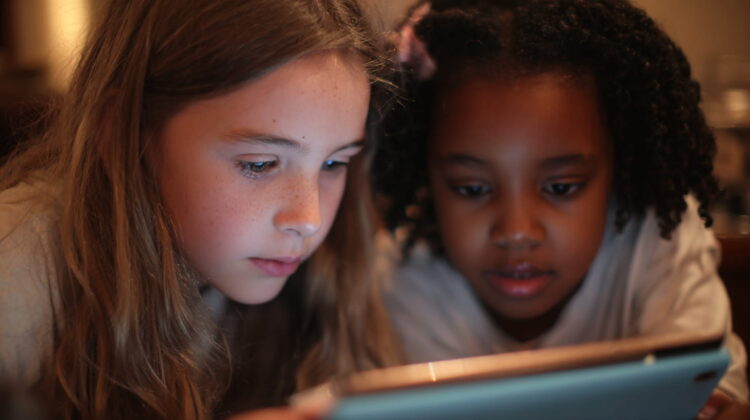

The proposals, announced by Prime Minister Sir Keir Starmer’s government, would block children from accessing platforms including TikTok, Instagram, Snapchat, Facebook, X and YouTube as part of a wider package of online safety reforms.
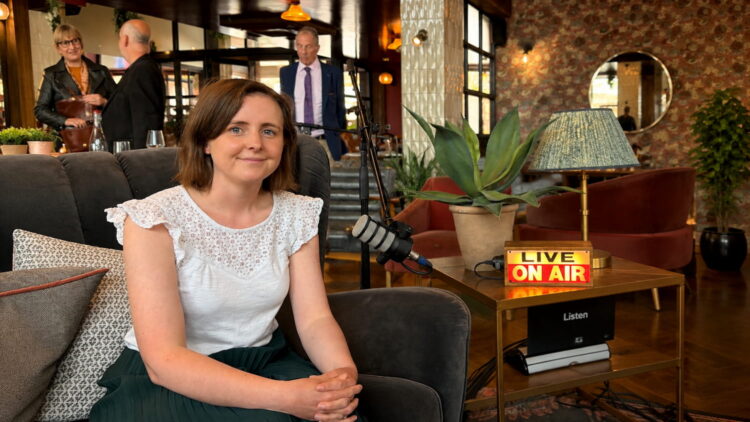
Interview with Kate Tomlinson in full:
The plans could also lead to restrictions on gaming platforms, live-streaming services and overnight social media curfews for older teenagers.
While many parents and campaigners have welcomed the proposals, concerns remain over how the restrictions would be enforced and what alternatives would be available for young people.
Councillor Kate Tomlinson, Swindon Borough Council’s Cabinet Member for Children and Education, said the impact of social media on young people had become increasingly apparent.
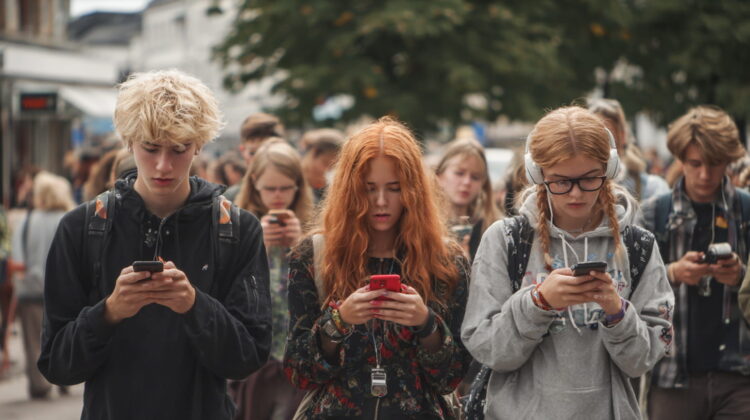
“The negatives of social media are clear,” she said.
“This actually came up at the Swindon Children and Young People’s Health Summit last week. Children are easily accessing really harmful content. It’s addictive and cyberbullies are thriving in these online forums.”
Tomlinson said major technology companies had failed to do enough to tackle the issue.
“The tech companies have done nothing about it recently. It’s not in their interest to do anything about it,” she said.
While supporting the overall aim of the proposals, she said significant questions remained.
“My big question is, how is it going to be enforced, and what are we going to offer children instead?” she said.
“If we’re asking them to shut off their phones, we need to make sure that there’s a proper young people offering in place.”
Her comments reflect a wider national debate over whether restricting social media alone will improve children’s wellbeing or whether greater investment is also needed in youth clubs, sport, arts and community activities.
Tomlinson said she was concerned about the pressures social media places on young people.
“I really don’t envy children today growing up with social media,” she said.
“I’m glad I didn’t grow up with social media.
“I worry for my children and others about the pressures that come from social media and having everything instantly recorded and uploaded. It’s a really difficult world to bring children up in.”
The Government has said technology companies would be responsible for enforcing the rules through age-verification systems.
However, critics have questioned how effective such measures would be, particularly after similar restrictions introduced in Australia reportedly faced challenges.
Tomlinson acknowledged those concerns.
“If we’re forcing children to try and get around something, we’re maybe forcing them into an even darker place on the web,” she said.
“How we’re going to enforce this, I don’t really know.
“This is going to involve parents, carers and society as a whole getting behind it and helping to enforce it.”
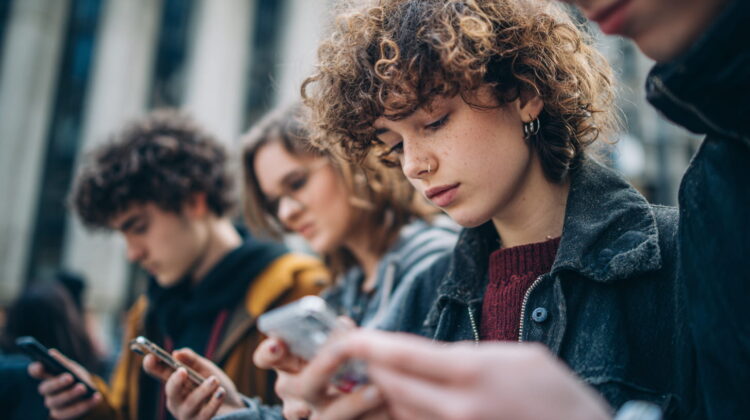
She also called for funding to ensure young people have access to activities and support away from screens.
“The Government will have to come up with some funding,” she said.
“If government is enforcing this ban and bringing a pretty seismic shift in what children can do, we will have to make sure there is a decent offering for children and young people across Swindon and across the country.”
Tomlinson said teachers were likely to play an important role in the discussion as the proposals develop.
“I think there’s hope that it will have an impact,” she said.
“Teachers are on the front line. They see the effects that social media is having on children’s mental health.”
The Government says the reforms are intended to protect children from harmful and addictive content online.
As debate continues, questions remain not only about how any ban would work in practice, but also whether enough support will be available to help young people spend their time elsewhere.