
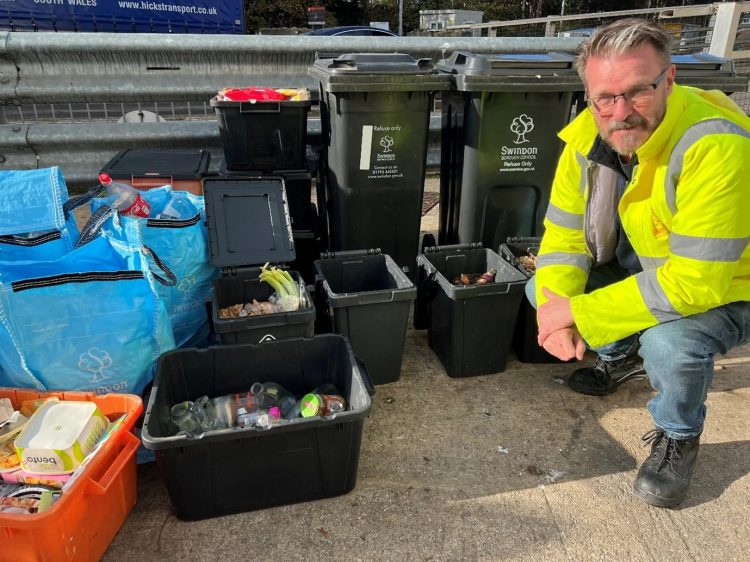

Residents across Swindon are being thanked for helping save millions of pounds through their recycling efforts.
More than 21,000 tonnes of household waste was recycled between January and November this year, saving over £3m of residents’ money, according to Swindon Borough Council.
The total includes dry recycling, garden waste and food waste collected from homes across the borough.
If the material had instead been placed in refuse bins, the Council says it would have cost an additional £3m to dispose of.
The figures highlight how everyday decisions made by households to recycle more and waste less can have a significant financial and environmental impact.
The Council is also preparing for an increase in waste volumes following Christmas and New Year.
During 2025, crews collected 1,135 tonnes more waste in January compared with August, reflecting seasonal changes in household waste.
With more waste expected in the coming weeks, residents are being encouraged to make full use of recycling and food waste collections.
Items such as potatoes, poultry, vegetables and Christmas leftovers are among the most commonly wasted foods at this time of year.
The Council says many of these items can be reused, frozen or placed in food waste bins.
Food waste collections allow peelings, leftovers and plate scrapings to be turned into renewable energy rather than sent to landfill.
Dry recycling collections also help reduce the amount of wrapping, packaging and bottles thrown away over the festive period.
Councillor Chris Watts, Swindon Borough Council’s Cabinet Member for the Environment and Transport, said:
“I’d like to say a huge thank you to residents for the part they play in reducing their waste. Recycling over 21,000 tonnes of material in less than a year is a fantastic achievement and shows how small actions at home can add up to a big impact for our environment.”
“Christmas can be a busy and waste-heavy time, but planning meals, freezing leftovers and making full use of food waste and recycling collections can really help. Reducing food waste not only cuts costs, but also helps turn unavoidable food waste into renewable energy.”












So when can we expect a reduction in council tax?