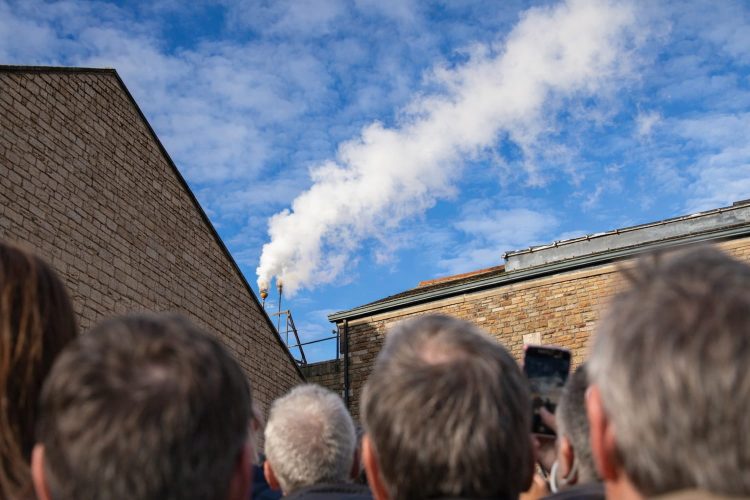

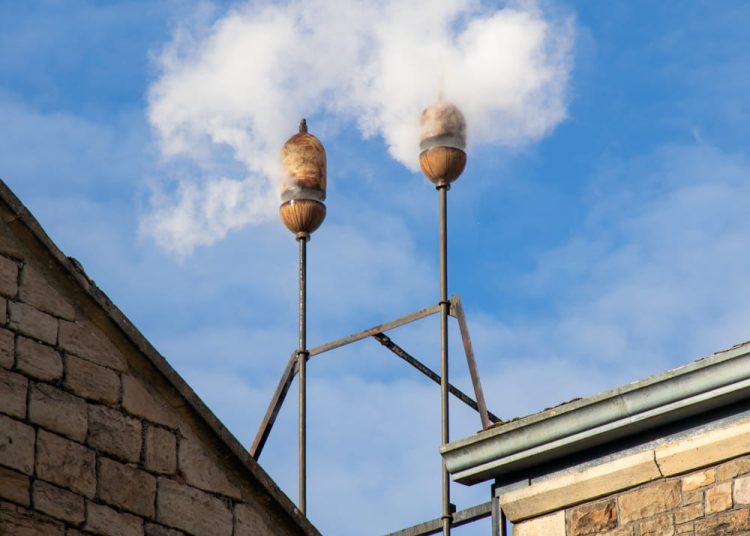
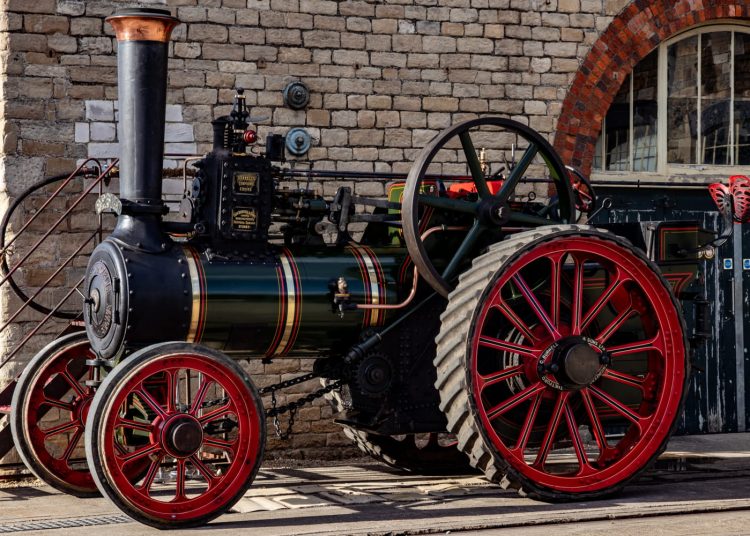
At precisely 4.30pm, a replica hooter powered by a traction engine echoed across the site, recreating the moment in 1986 when it last signalled the end of the working day and brought an era to a close.
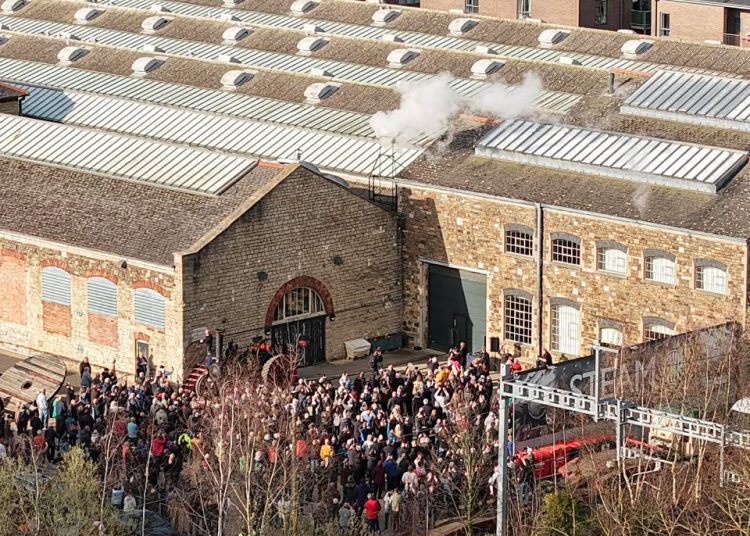
The anniversary event drew former railway workers, their families and local residents, many reflecting on the Works’ lasting impact on Swindon and its community.
Councillor Marina Strinkovsky described the occasion as “a commemoration”, adding that the hooter
“gave the signal to the men and women to go home from work every day for the whole lifetime of the works” and remains “incredibly exciting, both from a heritage point of view and from an engineering point of view.”
Swindon’s Mayor, Councillor Fay Howard, said hearing the hooter again was “poignant”, as she spent time speaking with former employees and their relatives throughout the afternoon.
“It’s been lovely to speak to people who worked in the railway works and family members of those who worked here,” she said, describing the event as an opportunity to reconnect with the town’s shared past.
Leader of Swindon Borough Council, Councillor Jim Robbins, described the milestone as
“a massive anniversary for the town… one that really lives long in the memory,”
as crowds gathered to witness the historic sound once more.
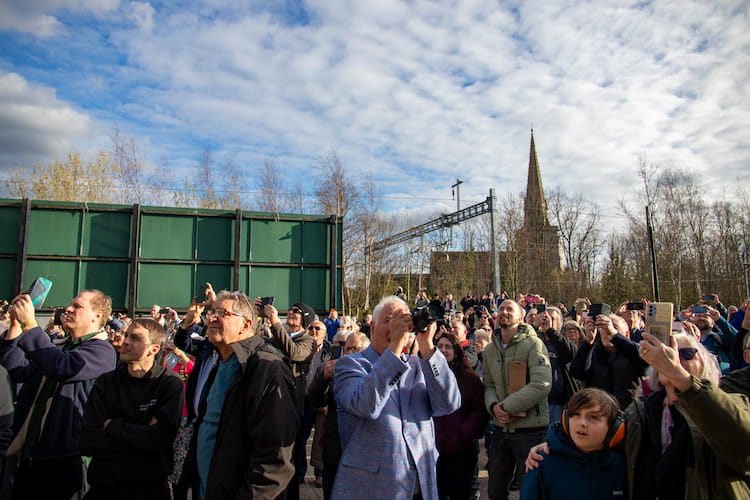
Local historian Royston Cartwright noted the strong turnout and the growing interest in Swindon’s railway heritage.
“If anything, there’s more people here today, and it’s even more remembered, which is brilliant,” he said. “This is part of our history… people put their heart and soul into it, and that’s what makes it such a great event.”
For generations, the hooter dictated the rhythm of daily life in Swindon, marking the start and end of shifts and shaping routines across the town. Its sound became synonymous with the identity of the Railway Works and the livelihoods it supported.
Behind the commemorative blast was a decade of work to recreate the iconic sound. Colin, one of the volunteers involved in the project, explained how the idea first emerged during the Swindon 175 celebrations.
“We sort of put our heads together… and made a hooter, a replica, slightly smaller, that we could power from a mobile boiler,” he said. “To do it today is absolutely fantastic… 40 years to remember.”
Reflecting on the closure’s impact, he added:
“It changed people’s lives seriously 40 years ago. They went out those gates thinking, where’s the next pay packet coming from? It disrupted the social side in Swindon as well.”
STEAM ex-museum manager Ian Surtees also spoke of the personal significance of the anniversary, recalling how his own family was affected by the closure.
“My mum and dad both worked here… my dad had to find a new job. He’d never done an application form before,” he said. “It was a stressful time… so to look back now means a lot to me, personally.”
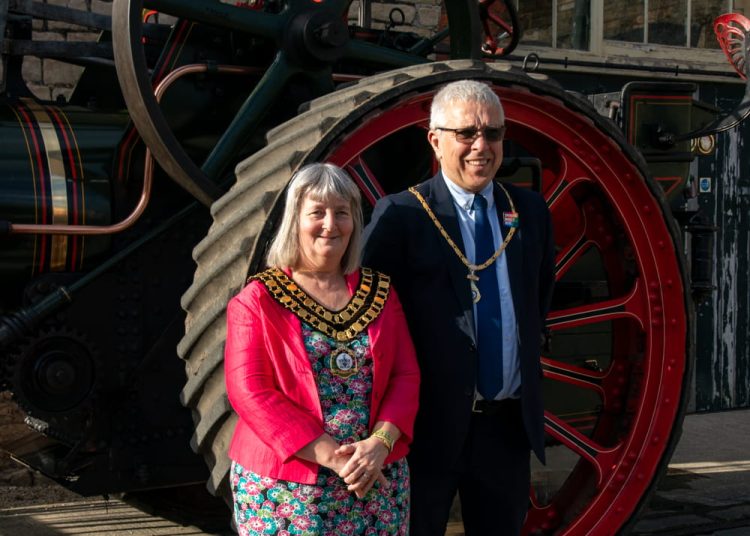
Speakers at the event highlighted the hooter as both a symbol of Swindon’s industrial heritage and a reminder of the town’s continued regeneration, as new businesses and opportunities reshape the area once dominated by the Works.
As the final echoes faded across the museum grounds, the commemoration served as a poignant reflection on Swindon’s past, honouring the people who shaped its history while recognising the town’s ongoing evolution.