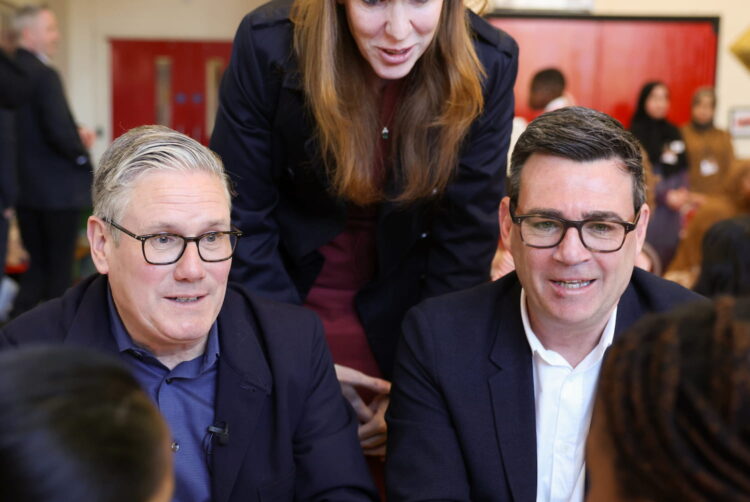
Andy Burnham has pledged to modify business taxation if he becomes Prime Minister, promising to expand Small Business Rates Relief, cut business rates for pubs, review employers’ National Insurance and ask warehouses, online retailers and major out-of-town developments to contribute more.
For Swindon, those proposals could have a bigger impact than in many other towns. Alongside its independent shops, cafés and family-run businesses, Swindon has spent decades establishing itself as a national logistics hub.
Major employers including Amazon, B&Q, and Iceland Foods all operate significant warehousing or distribution facilities in and around the town. While Burnham’s plans could ease the financial burden on many independent retailers, asking large warehouses to contribute more could increase costs for one of Swindon’s biggest economic sectors and influence future investment.
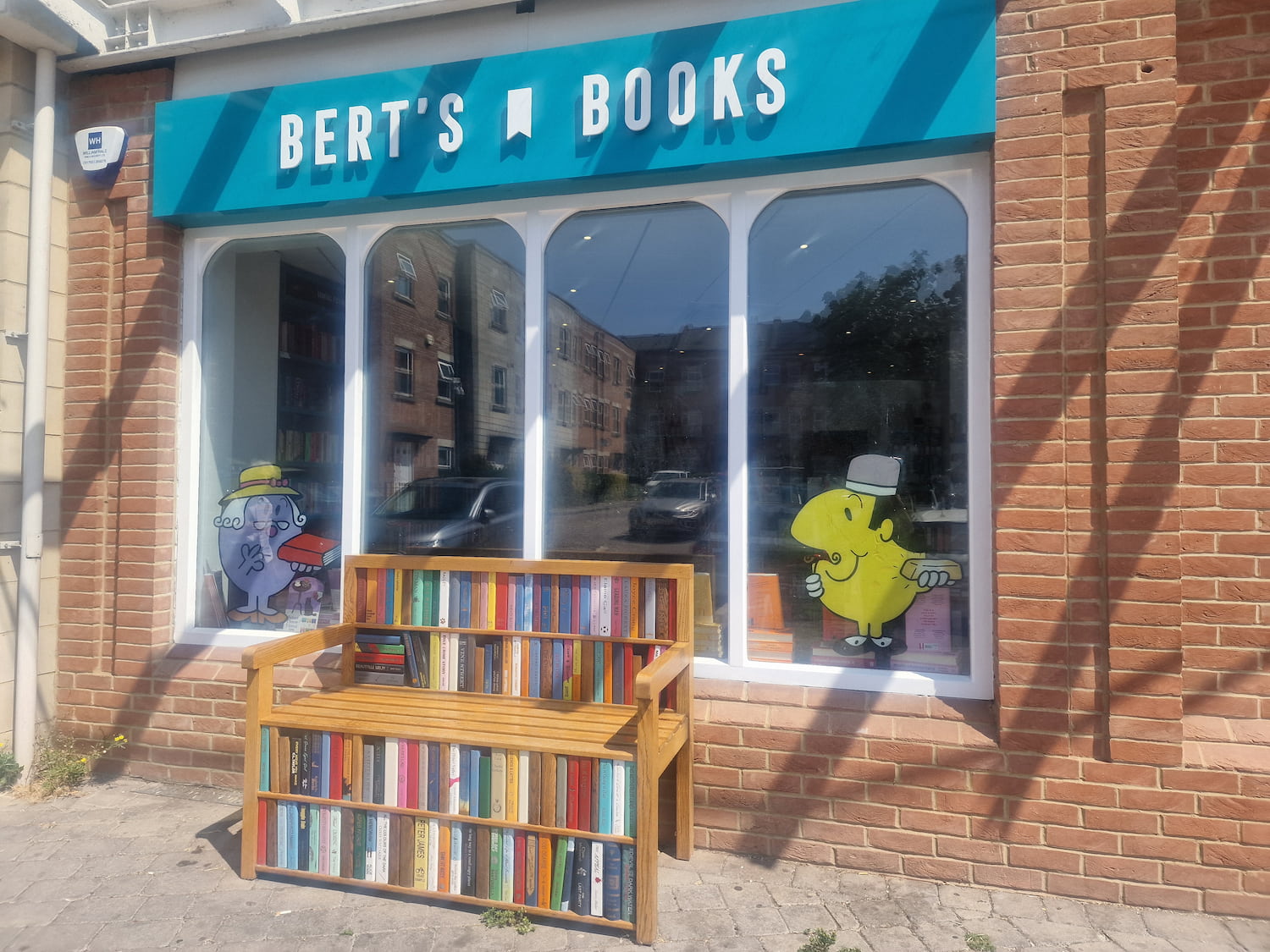
For Alex, owner of the independent, Bert’s Books in Old Town, the biggest challenges remain rising costs and uncertainty over customer spending.
“The biggest thing for us is rising bills, things going up like electricity, water and, of course, the business rates. There’s always that worry that people aren’t going to be spending as much.”
Although Burnham has pledged to reform business rates, Alex believes the system itself is fundamentally unfair because it penalises businesses that need larger premises.
“I don’t think the current business rate system is fair. I’d probably base it on turnover instead, I think that would be fairer.”
He would also like to see more powers handed back to local authorities so towns like Swindon can shape their own High Streets.
“If we wanted to attract more bookshops, lower the business rates on bookshops. I think that way a community can build itself in the way that it wants.”
Alex says reducing business rates would allow businesses like his to reinvest rather than simply cover fixed costs.
“It would allow us to invest more in the business. I could potentially increase my staff’s wages and maybe recruit more staff.”
He also believes tackling empty shop units should be a priority.
“The big thing is about taking all these privately owned shops in the high street that are empty and seeing if we can do something with those.”
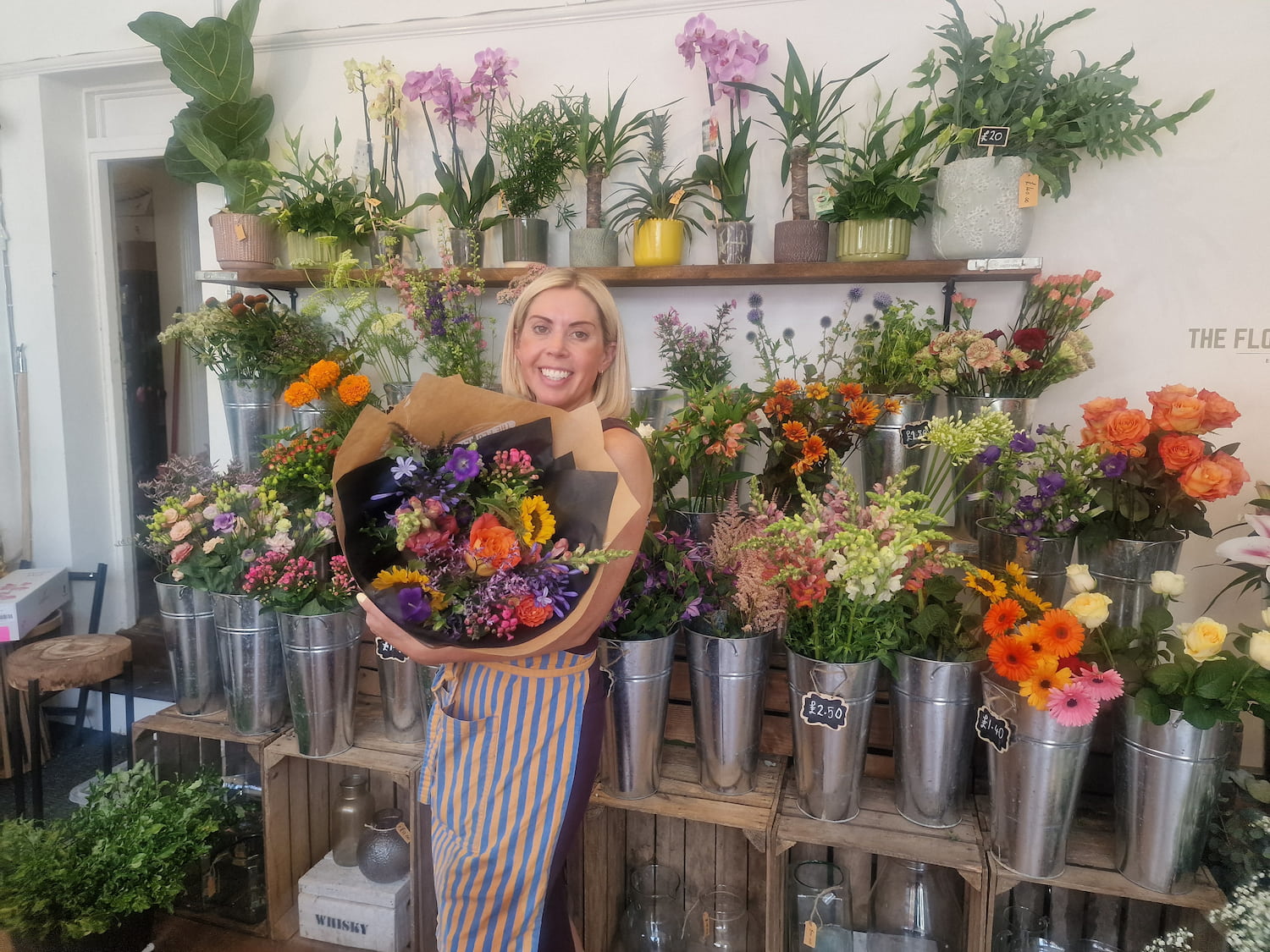
Charlotte, who runs The Flower Pot in Old Town, agrees that independent businesses need more support. She says VAT, alongside higher supplier, delivery and fuel costs, is putting the greatest pressure on small businesses.
“The cost of delivery and the cost of fuel is quite high. The cost of flowers has been slightly higher recently, but things are slowly getting better.”
Her message to Burnham is simple.
“He has to cut the VAT. The VAT is killing small businesses.”
Burnham’s proposals therefore present a balancing act for Swindon. Measures designed to ease the burden on independent businesses could provide a welcome boost to retailers in Old Town and the town centre. At the same time, increasing the tax burden on large warehouses and distribution centres could affect major employers such as Amazon, B&Q, Iceland Foods, DHL and Wincanton, which have helped establish Swindon as one of the country’s leading logistics locations.
For business owners like Alex and Charlotte, however, the message is clear. Whether it’s reforming business rates, cutting VAT or giving councils greater control over their High Streets, they believe independent businesses need a tax system that allows them to invest, grow and continue playing a vital role in Swindon’s economy.