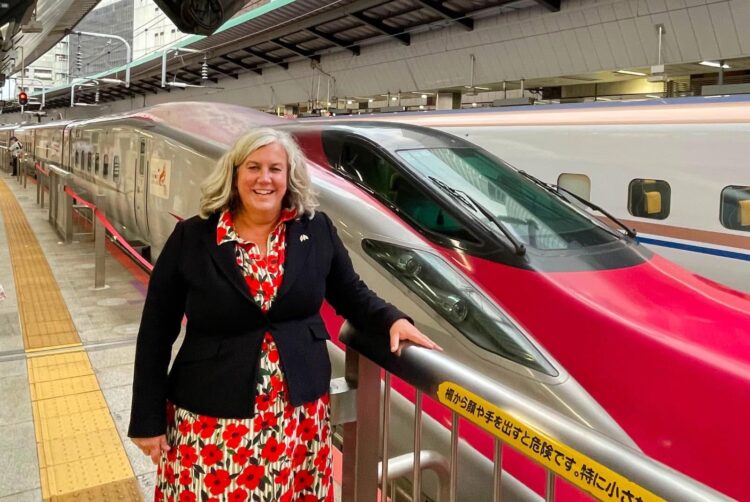

Following an official visit to China, Alexander travelled to Japan, where she met government ministers, toured transport hubs, experienced autonomous vehicles and travelled on one of the world’s most famous high-speed rail networks.
The overseas visits come as the Government presses ahead with plans to reshape Britain’s railways through the creation of Great British Railways, bringing track and train services together under a single public body.
The reforms will also see train operators gradually return to public ownership as existing contracts expire. 8 of the 14 operators expected to become part of Great British Railways are already publicly owned.
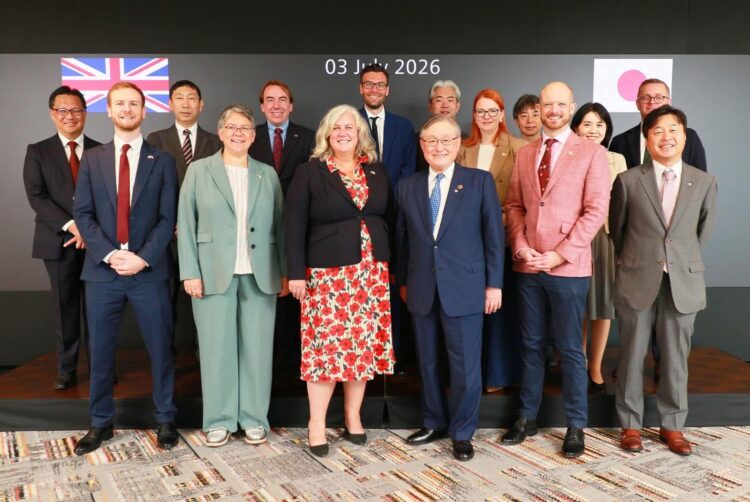
For Heidi, whose constituency obviously includes one of Britain’s most historic railway towns, the visits offered an opportunity to examine transport systems often regarded as setting the international standard.
China has built the world’s largest high-speed rail network in just over two decades, with more than 48,000 kilometres of railway now in operation. The network links major cities through integrated transport hubs that combine rail, metro, bus services and commercial developments.
During her visit, Alexander met China’s Transport Minister Liu Wei before touring Tongzhou Station in Beijing, described as Asia’s largest integrated transport hub.
“It is hard to convey the size of it,” she wrote.
“Imagine a station roughly the size of The O2.”
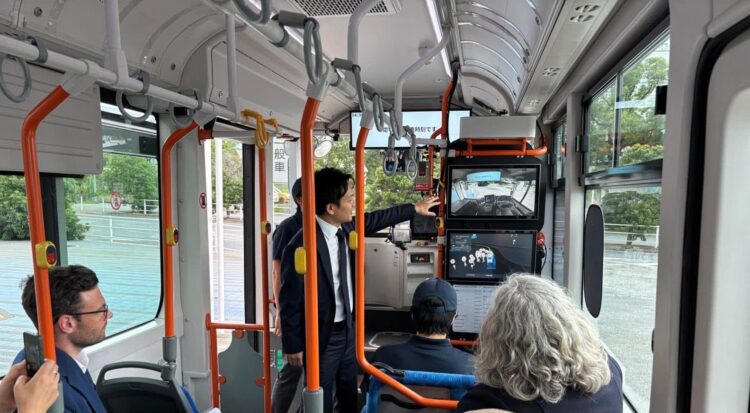
She also met autonomous vehicle company DiDi and businesses working with British transport firms, reflecting a wider focus on future transport technology as well as rail.
She then travelled to Japan, home to the renowned Shinkansen high-speed railway, which has become synonymous with reliability, punctuality and safety.
Describing the country as:
“a fantastic country, which builds integrated transport infrastructure at scale, and runs some of the most efficient railways the world has ever seen”, she spent several days exploring different parts of its transport network.
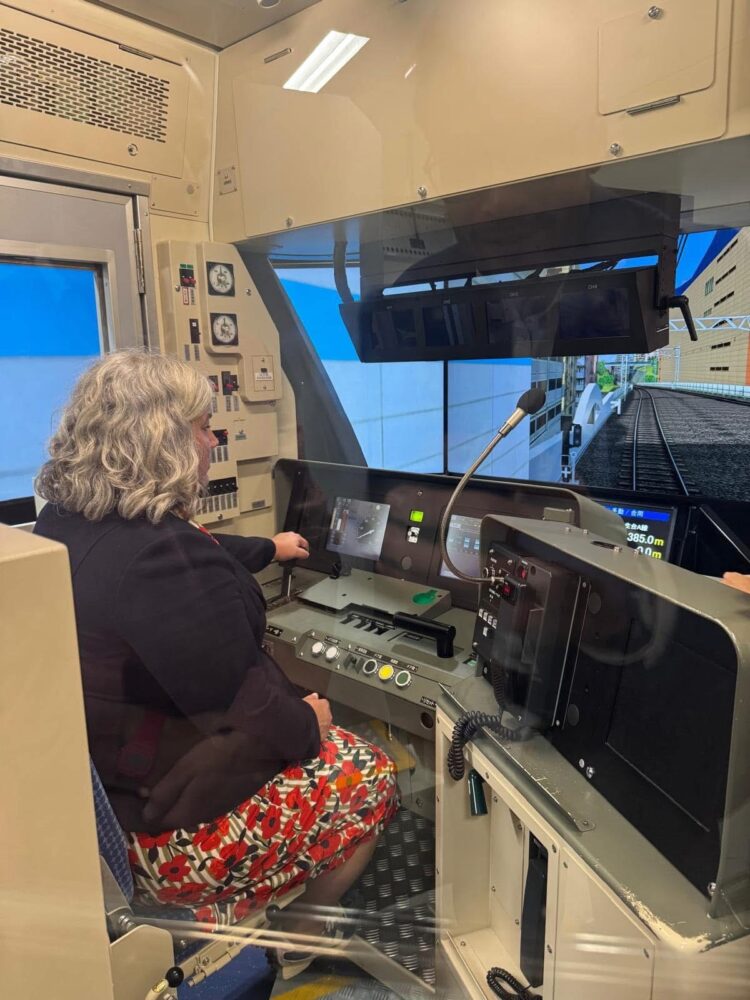
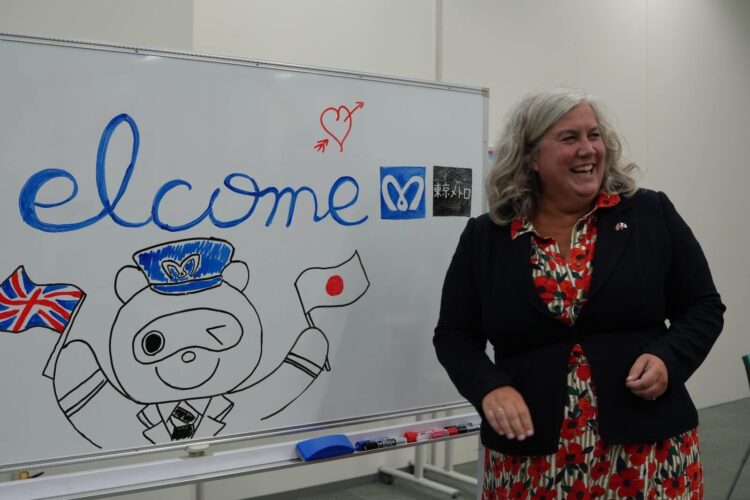
Her itinerary included meetings with Japan’s transport minister, visits to Hitachi’s global headquarters and Tokyo Metro’s training centre, as well as a chance to take control of a train simulator.
“I may need some further training,” she joked.
The visits extended beyond rail. Alexander met British accessibility technology company Transreport, whose passenger assistance software is being introduced internationally, and held discussions with businesses involved in aviation and transport innovation.
“I was pleased to fly the flag for our innovative rail ticketing trials and world-leading aviation industry,” she said.
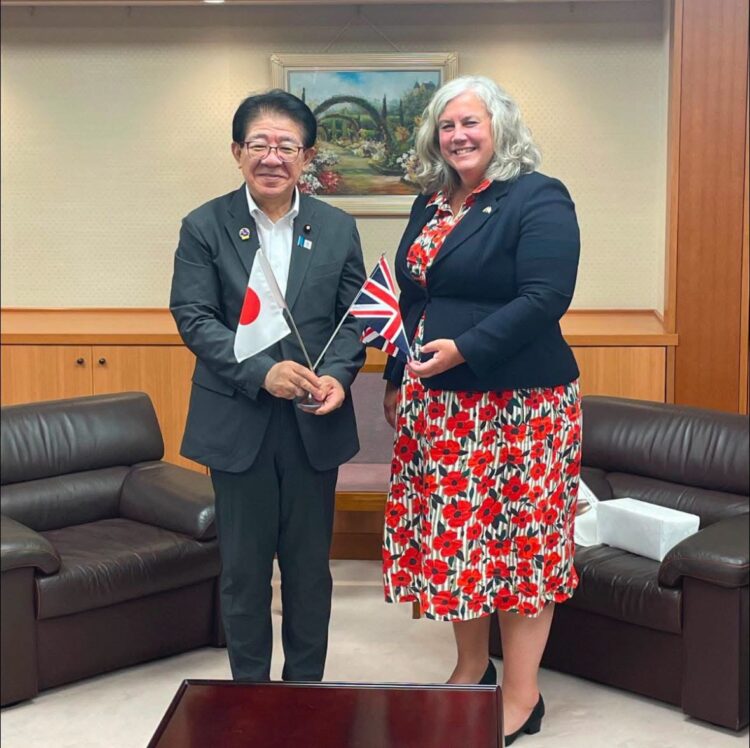
The themes explored during the trip closely reflect the Government’s ambitions for Great British Railways, with a greater emphasis on integrated transport, simpler ticketing, improved accessibility and more reliable services.
Britain’s railway network operates under very different financial and geographical constraints to those in China and Japan. However, the choice of destinations underlines where ministers are seeking inspiration as they prepare to deliver the most significant changes to Britain’s railways since privatisation.
For Swindon, the visits carry added significance. The town’s identity has long been intertwined with the Great Western Railway, helping shape its growth into one of Britain’s most important railway communities.
Now, as the Government prepares to bring the rail network back under greater public control, the minister leading those reforms represents the very town where Britain’s railway heritage remains strongest.
Whether lessons learned in Beijing and Tokyo translate into future policy will be seen in future policy, but with rail reform gathering momentum, ministers are clearly looking to some of the world’s highest-performing transport systems for ideas.