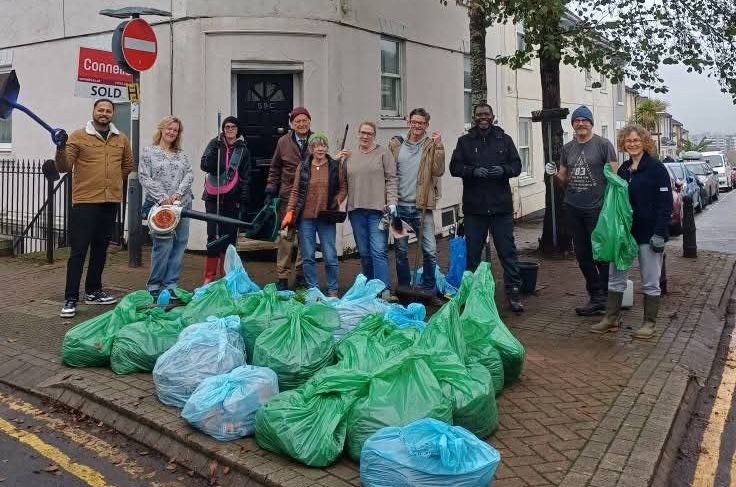

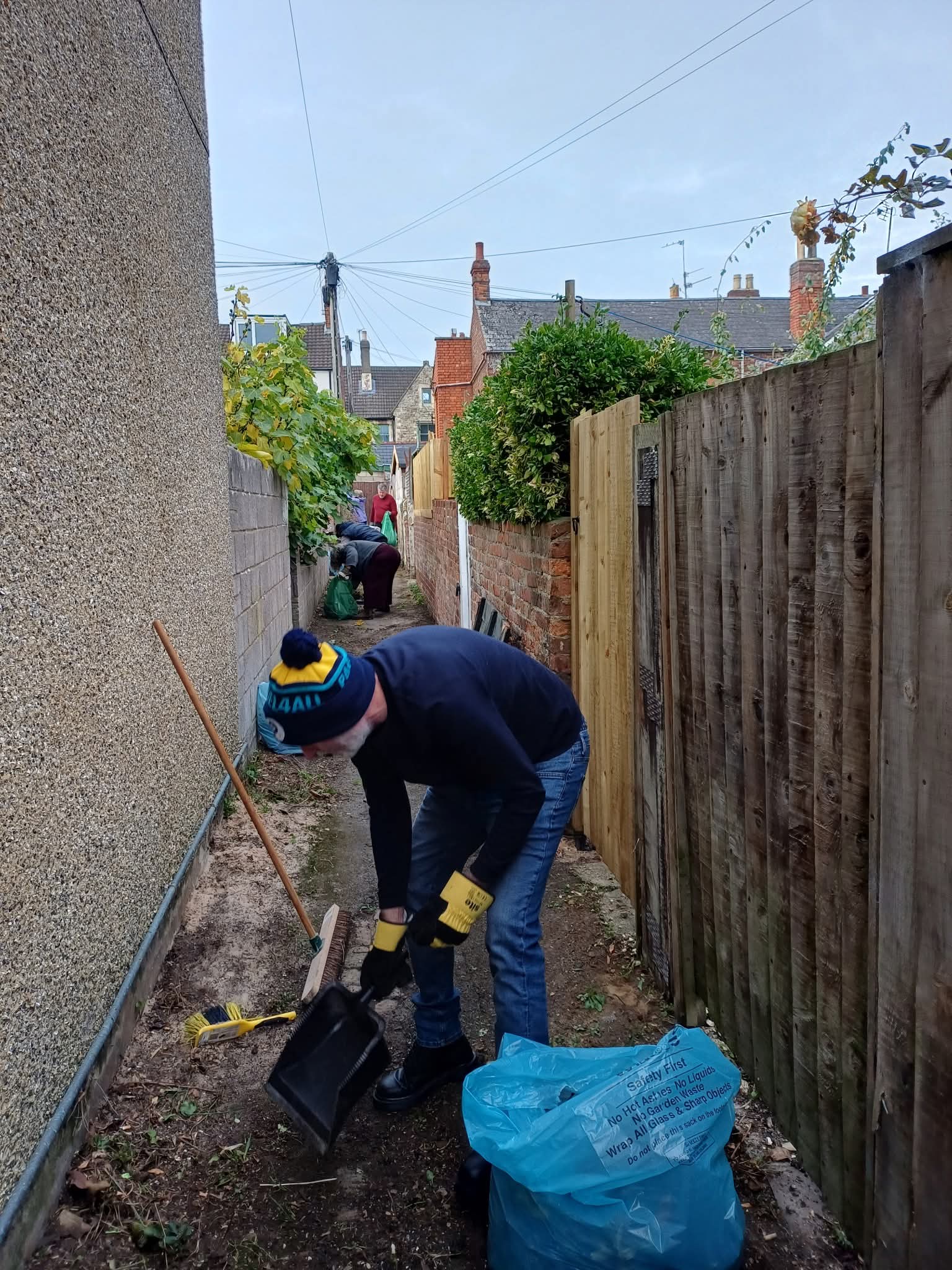
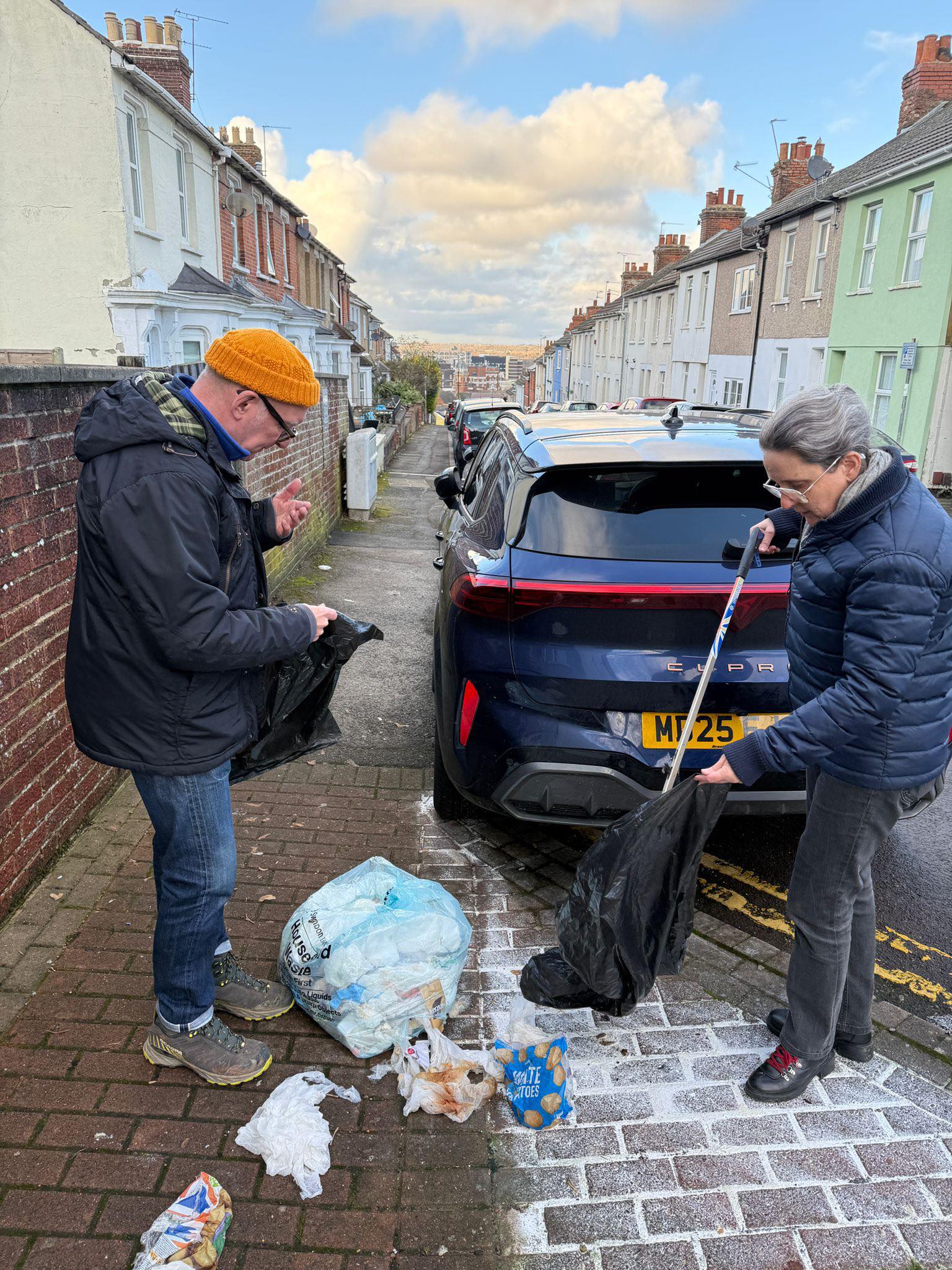
The clean ups, organised by neighbours with support from parish and borough councillors, have taken place three times since October. Each event has removed less waste than the last, which organisers say points to changing behaviour as well as cleaner streets.
Jeremy Lune, one of the organisers, and also CEO of Prospect Hospice, said the idea came after realising how widespread dumping had started to feel normal.
“I was walking along one day and suddenly realised that all the fly tipping was becoming normalised for me,” he said. “There was dumped furniture, there was a soiled nappy that had been there for about a week, and I thought, this shouldn’t feel normal.”
Rather than directing anger towards the council or landlords, residents decided to act together.
“It can’t just be about people blaming migrants, greedy landlords or the council,” he said. “We’re all responsible, all accountable. So let’s make a positive change.”
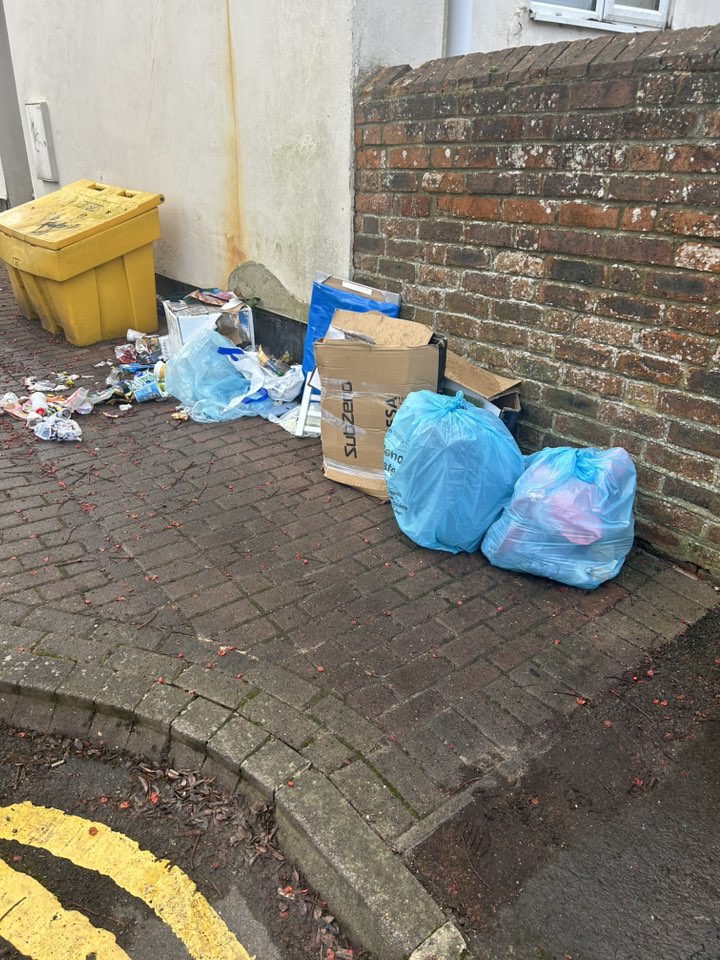
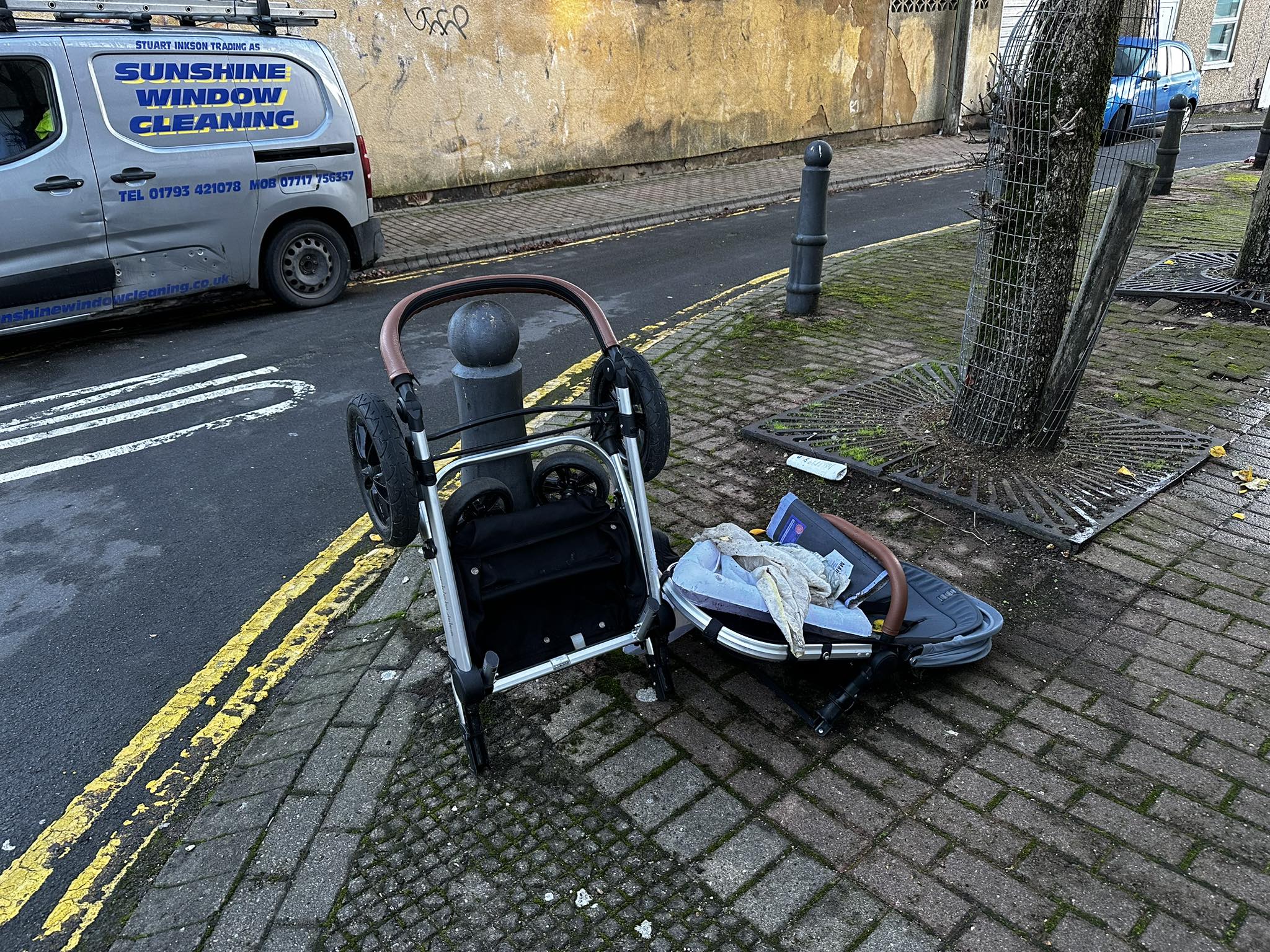
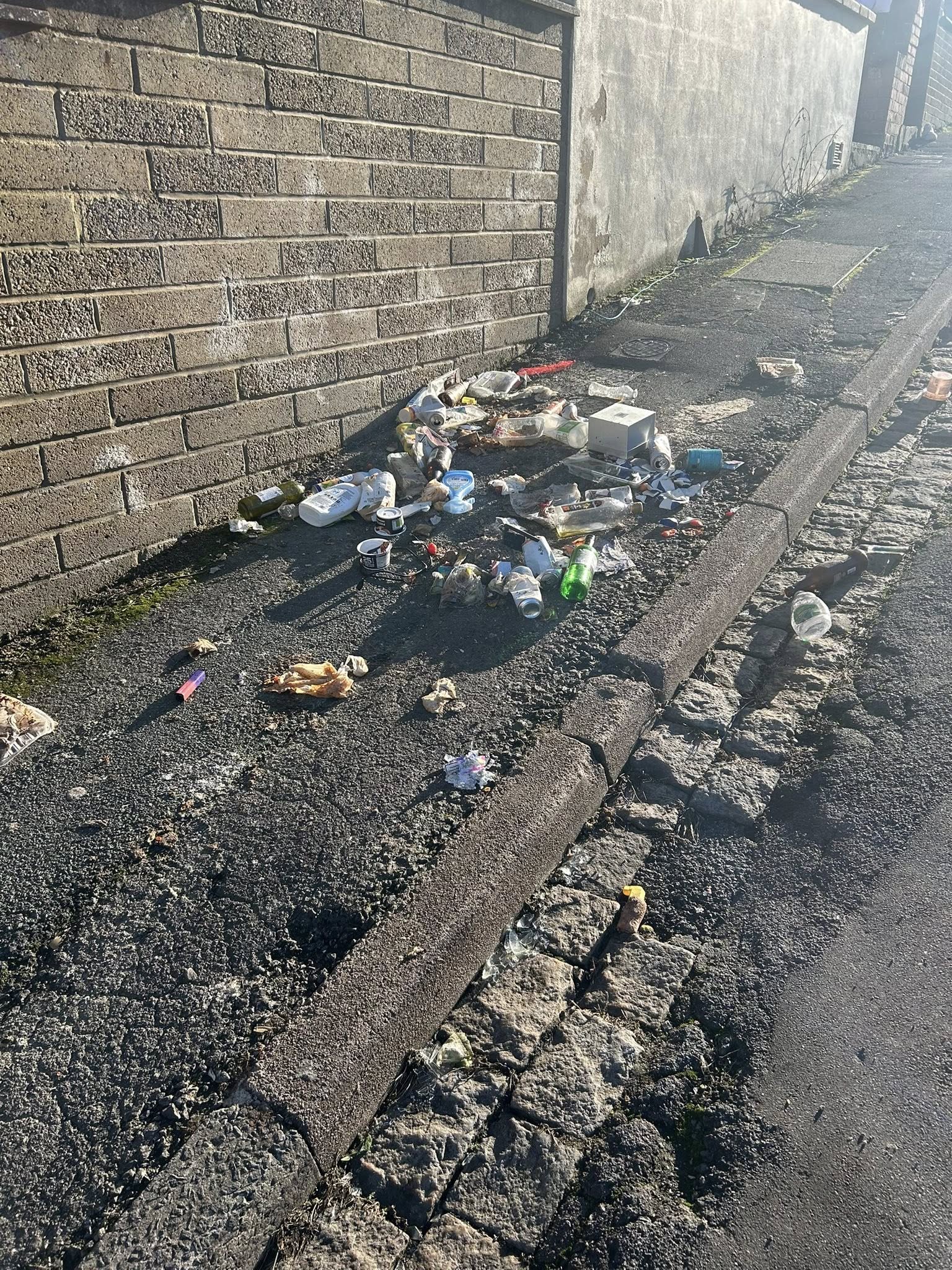
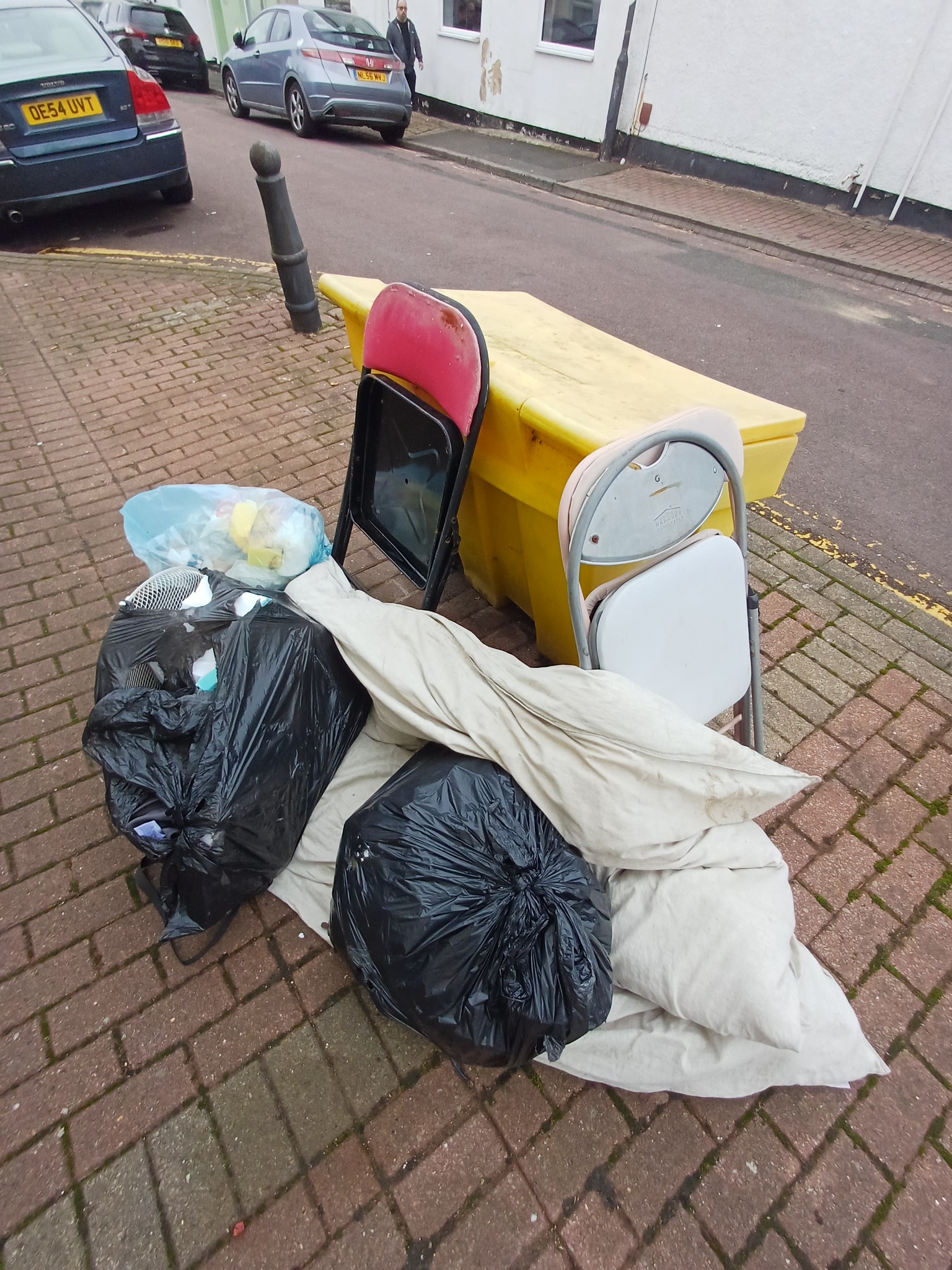
Lune contacted neighbours across 11 nearby streets and invited them to a meeting at a local pub, expecting a small turnout.
“I thought maybe 10 people might show up,” he said. “In the end about 65 or 70 came. Everyone felt the need for positive change.”
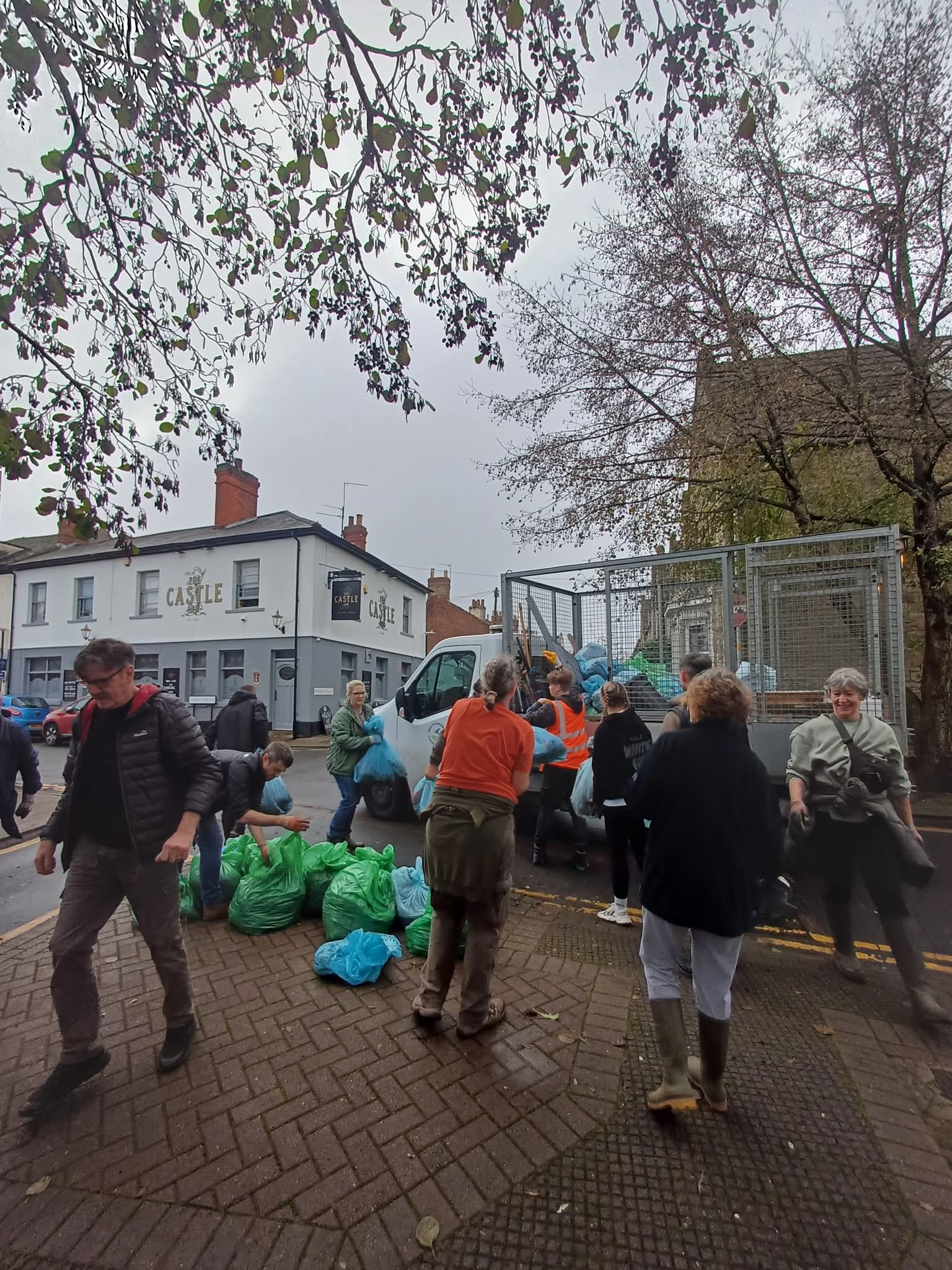
Within weeks, the first large-scale clean up was organised, with around 100 residents taking part. Two vans of waste were removed in just two hours.
“That was the start of a real positive change,” he said.
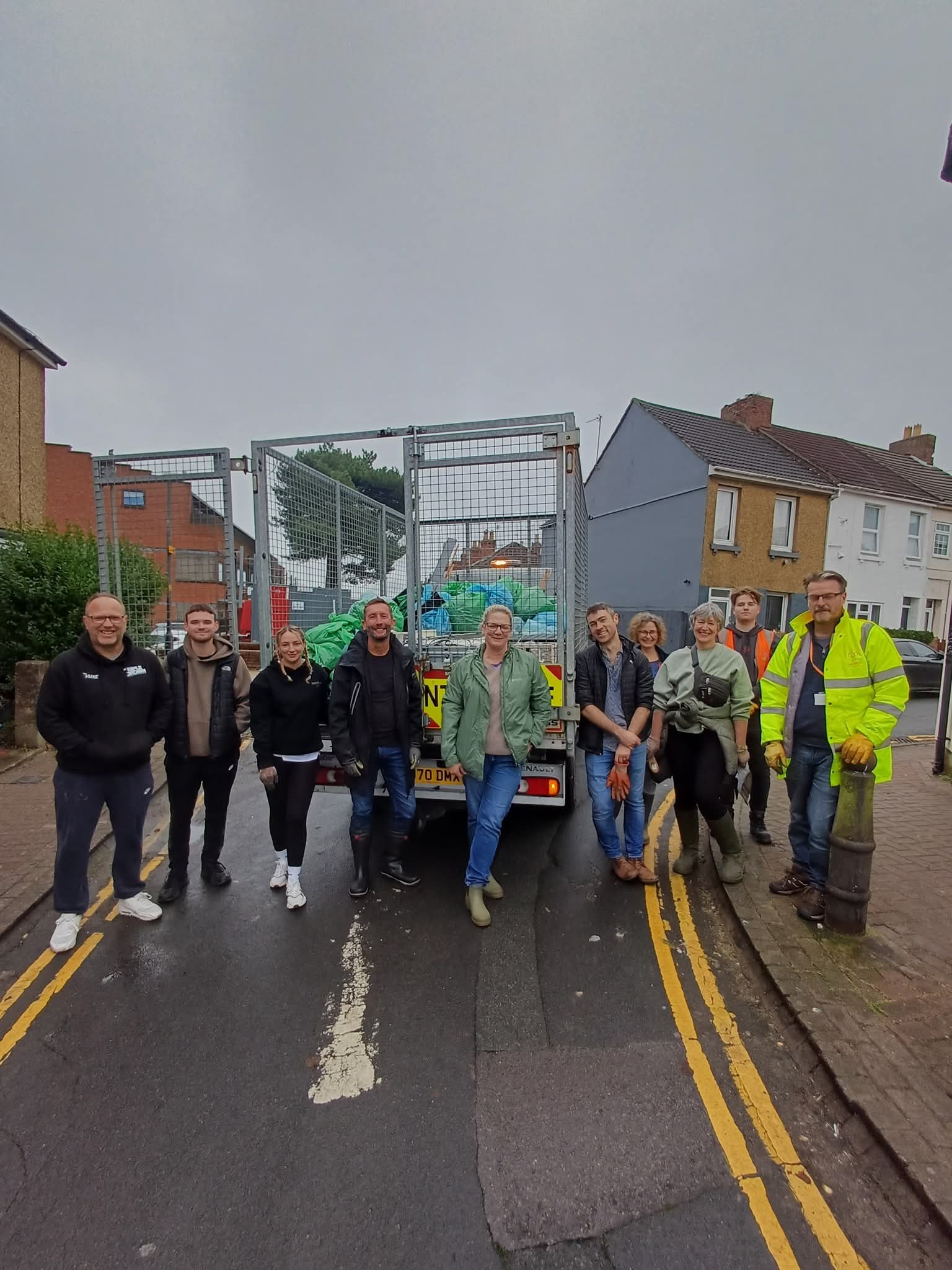
The first clean required two full trips to Waterside Recycling Centre using a caged parish wagon. The second needed just one. The most recent clean, held at the end of January, required a single visit, with the wagon less than half full and much of the waste made up of leaf litter rather than dumped items.
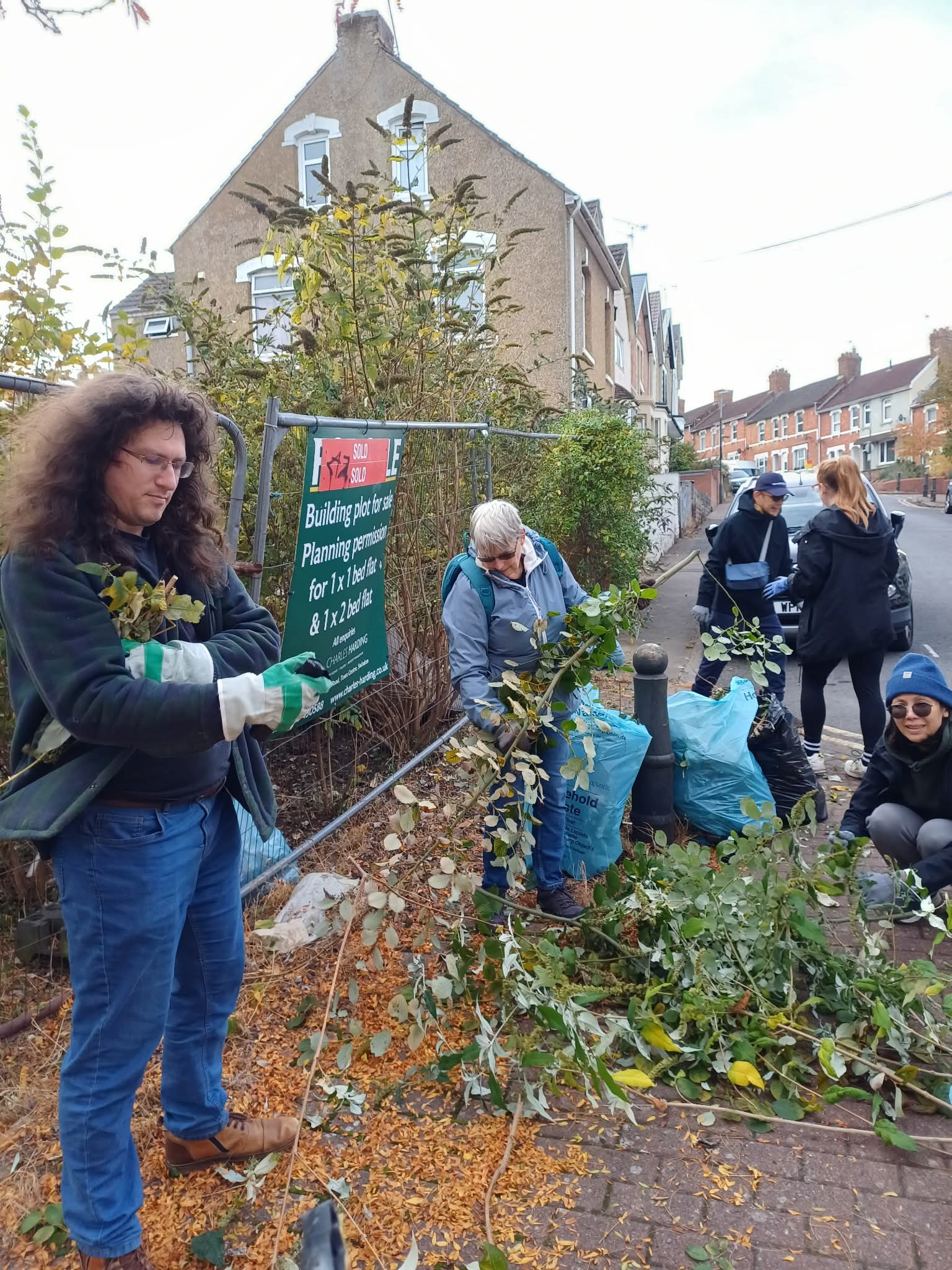
“It feels very, very different now,” Lune said. “Our third clean had less than half a van, and most of that was just natural leaf litter rather than stuff being chucked out of houses.”
Cllr Chris Watts said the project shows how responsibility can be shared effectively.
“This is the optimum balance,” he said. “Residents taking responsibility in their community, with the support of Borough and Parish Council. That’s what brings people together and makes it work.”
Watts, a weekend volunteer for the parish and a registered wagon driver, manages the transport and disposal of waste collected during the clean ups.
“It’s a very slick operation,” he said. “People often underestimate how hard it is to move large volumes of waste. Planning is everything.”
Lune stressed that the initiative is not about policing neighbours.
“It’s not about confrontation,” he said. “It’s about positivity.”
He said one of the biggest changes has been the way neighbours now support each other day to day.
“People who used to just nod across the street now know each other’s names,” he said. “If someone puts a bag out on the wrong day, neighbours explain. If a bag bursts, I’ve seen people sweep it up and put it in their own bin. Everyone is mucking in together.”
The group has also helped residents new to the area who are unfamiliar with local waste collection rules.
“Some people have come from another country and just don’t know how it works,” he said. “We help them. We give them bags. All of a sudden neighbours are looking out for each other.”
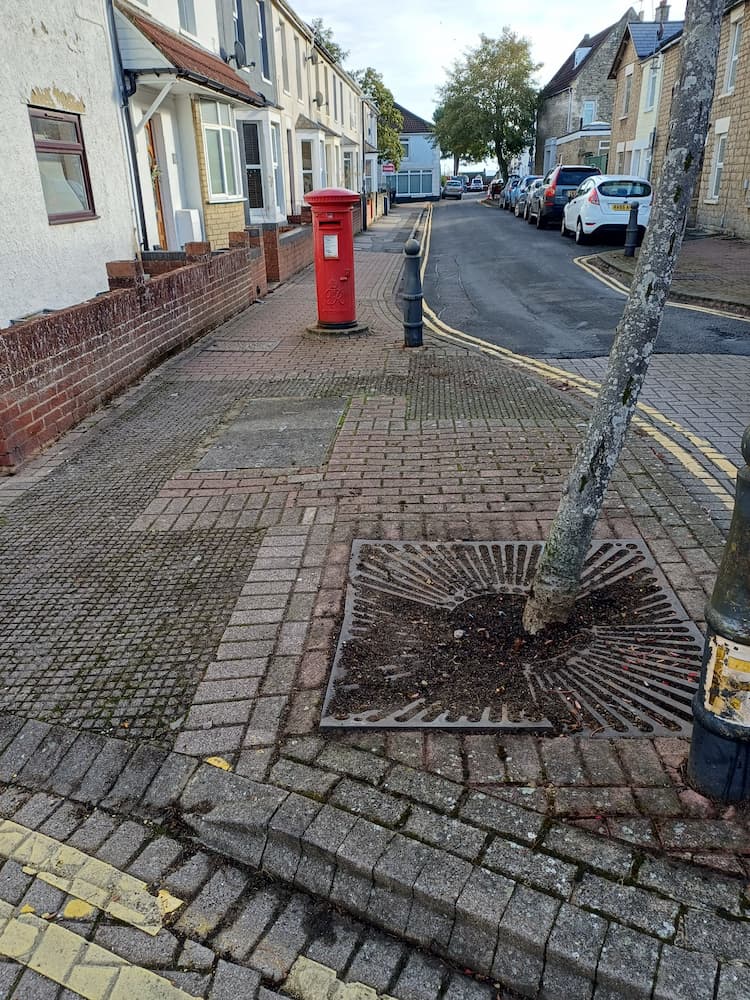
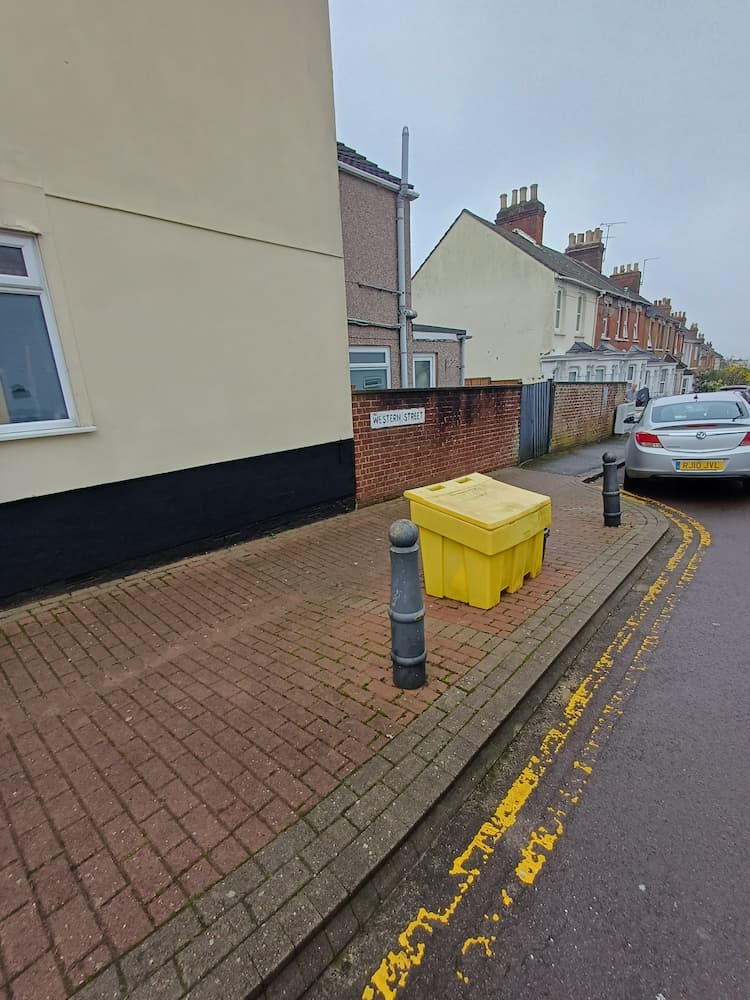
While goodwill has reduced dumping, Lune said enforcement still plays a role. Eastcott remains a fly-tipping hotspot, partly due to the number of HMOs and short-term tenancies.
“Once a street corner becomes a dumping ground, everyone thinks it’s someone else’s problem,” he said. “We’ve broken that chain.”
When fly tipping does occur, residents now report it quickly to Swindon Borough Council. Lune said the council usually responds within 24 hours, with recent cases resulting in fines, including a £400 penalty for dumping a fridge and waste bags.
“Some people really don’t care, but it’s a very small minority,” he said. “They should be held to account.”
The approach is now attracting interest from outside Eastcott, with residents from other streets asking to join future clean ups. Similar groups have also started forming elsewhere in Swindon, including Stafford Street.
Lune has met with representatives from Keep Swindon Tidy, alongside councillors, letting agents and MP Heidi Alexander, to discuss whether the model could be rolled out more widely.
“If you own what’s on your doorstep, things change,” he said. “You come out in the morning, see a crisp packet, and you just pick it up instead of stepping over it.”
He said a Swindon-wide clean up day could build on the momentum.
“I think a Swindon wide clean up day is a great idea,” he said. “There’s a real positive energy to it, and it’s made a genuine difference here.”
For those involved, the Eastcott experience suggests that tackling litter is as much about resetting expectations as it is about resources or enforcement.
“We’re all different people, but we’re all neighbours,” Lune said. “And when you start acting like that, everything changes.”