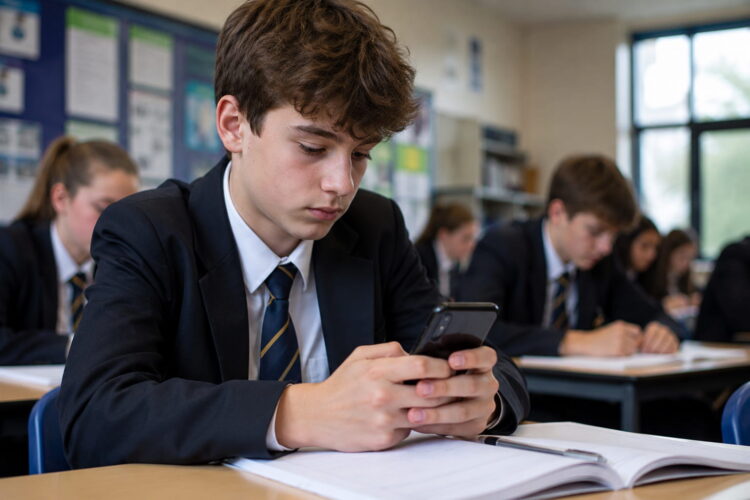

From Monday, 29th June, state-funded schools must follow government guidance requiring them to prohibit the use of mobile phones and similar smart devices during lessons, lesson changeovers, breaktimes and lunchtimes.
The change follows Section 36 of the Children’s Wellbeing and Schools Act 2026 coming into force, giving the Department for Education’s mobile phone guidance statutory weight.
It does not mean every school must use the same system. Headteachers can still decide whether phones are banned from the premises entirely, handed in at the start of the day, locked away, or kept by pupils but switched off and out of sight.
However, the direction is clear, passive or relaxed rules are no longer enough. Schools are expected to create a genuinely phone-free environment and enforce their policy consistently.
The guidance also covers smart technology with similar functions to mobile phones, including devices that can send or receive messages, receive notifications, or record audio or video.
For Swindon parents, the biggest practical change may be around break and lunch times. Some schools already operate strict “see it, hear it, lose it” policies, while others have previously allowed limited use in certain outdoor or canteen areas. Those more flexible approaches may now need reviewing.
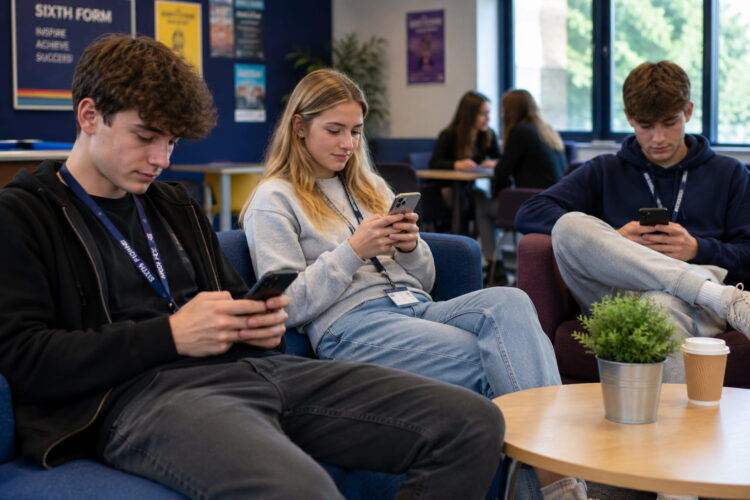
Sixth-form students can still be given limited access in specific areas, such as a sixth-form common room, but schools are told this should not undermine the phone-free rule for younger pupils. Exceptions are also allowed where a phone is needed for medical or safeguarding reasons, such as managing a health condition.
Ofsted has said inspectors will look at whether schools have clearly communicated their mobile phone policy and whether breaches are dealt with consistently.
The government says the policy is aimed at improving behaviour, reducing distraction and protecting children’s wellbeing.
Education Secretary Bridget Phillipson said: “We have been clear that mobile phones have no place in our schools but now we’re going further through tougher guidance and stronger enforcement.”

Technology Secretary Liz Kendall said ministers were “determined to ensure technology enriches children’s lives, not harms them”.
Sir Martyn Oliver, His Majesty’s Chief Inspector at Ofsted, said headteachers now had the backing of inspectors to ban phones immediately, warning that devices can distract from learning and affect children’s wellbeing.
But the debate is unlikely to end at the school gate. Research from Uswitch suggests almost half of parents of children aged 11 to 18 in England expect their child to find a workaround to the ban, including sneaking phones in, using smartwatches, or handing in a decoy device.
Uswitch also warned that many parents are unaware hidden browsers and VPNs can bypass some parental controls.
Ernest Doku, Uswitch technology expert, said the challenge for families “doesn’t stop at 3pm”, especially with the summer holidays approaching.
For Swindon schools, the blunt reality is this: policies that looked tough on paper may now be tested in practice. The legal shift gives headteachers more authority, but it also raises the bar. Parents should expect clearer rules, fewer grey areas, and stronger sanctions when pupils ignore them.