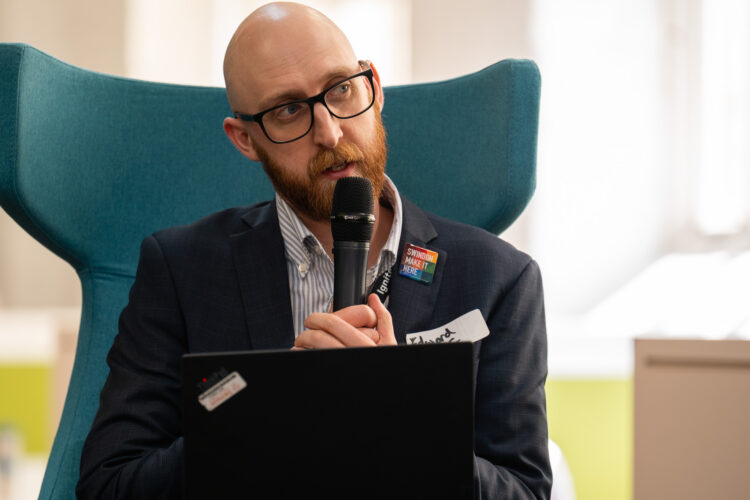

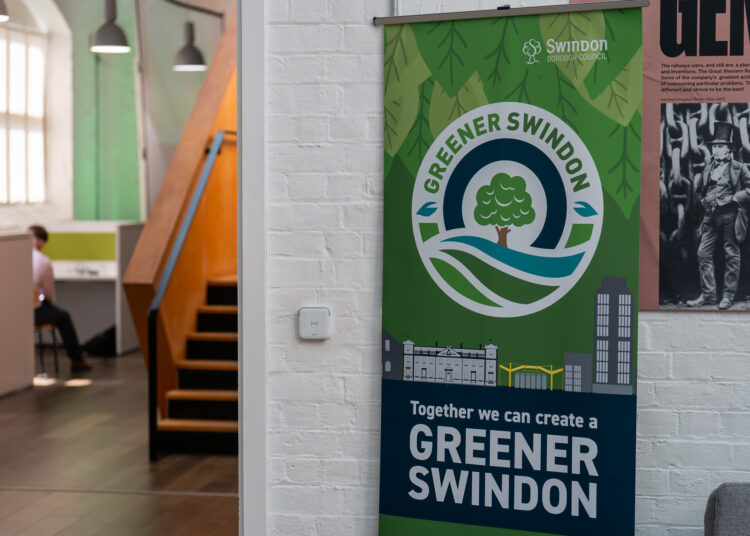
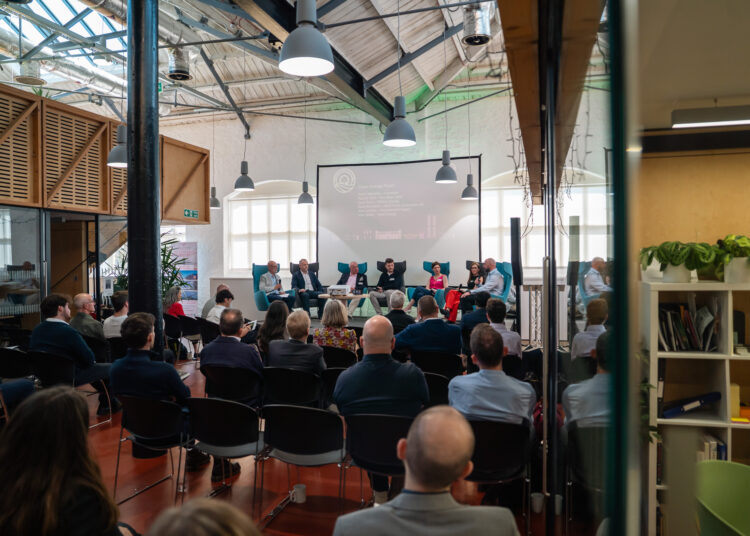
Greener Business Day took place at The Workshed in Swindon’s Carriage Works last week, bringing together energy experts, educators and industry representatives to discuss the future of low-carbon business.
The event was hosted by Swindon Borough Council in partnership with the Wiltshire Climate Alliance.
Organisations including Zurich, Nationwide, Thermo Fisher, Good Energy, Sinewave, New College Swindon and Great Western Hospital attended for a programme of panel discussions and workshops focused on decarbonisation, energy security and skills development.
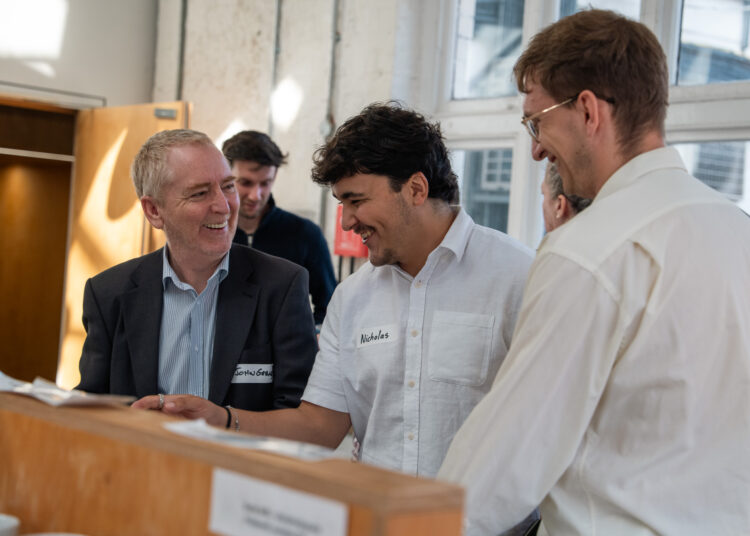
Speakers repeatedly stressed that sustainability is increasingly shaping competitiveness, investment decisions and long-term resilience.
Opening the conference, Swindon Borough Council’s Strategic Lead for Sustainability and Climate Change said businesses that reduce energy demand and generate more of their own power are becoming less exposed to global instability and rising costs.
Panellists linked clean energy adoption with economic resilience, particularly in the wake of recent global energy shocks.
One speaker on the renewable energy panel told attendees: “Renewable energy gives you control back,” arguing that businesses and households generating electricity from solar and wind were reducing dependence on volatile international fossil fuel markets.
Electrification was also high on the agenda, with speakers describing electric vehicles and battery storage as inevitable components of the UK’s future energy system.
One industry representative said EV uptake in England had risen by 59 per cent last month alone, highlighting the pace of change.
Much of the debate focused on whether national infrastructure is prepared for growing demand.
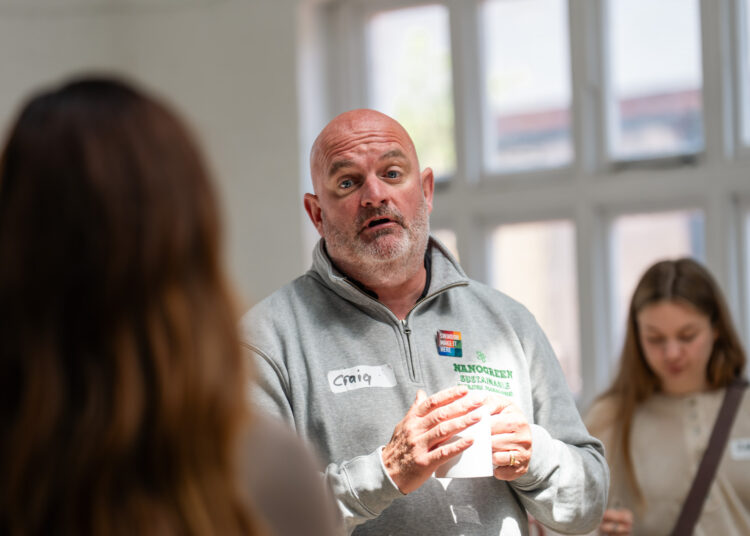
Grid delays, increasing electricity use from AI data centres and the expansion of electric transport were all cited as challenges. However, speakers urged businesses not to wait for infrastructure upgrades before taking action.
Businesses were also advised to take a strategic approach to energy use. One panel member said organisations should first understand their energy data and reduce demand before investing in generation technologies such as solar panels or heat pumps.
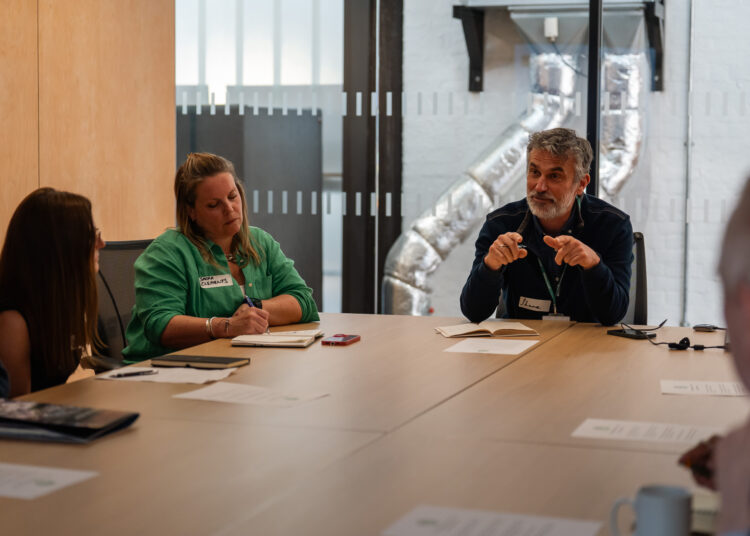
New College Swindon said it has installed 750 kilowatts of solar generation across its estate, producing around 25 per cent of its energy demand. The college also highlighted its new Green Skills Hub, focused on EV training and renewable technologies, as part of efforts to prepare students for changing workforce needs.
Great Western Hospital outlined its NHS Green Plan, covering estates, transport, procurement and clinical sustainability. The hospital said it is embedding sustainability into clinical departments and preparing for future climate-related healthcare pressures.
Speakers said the national narrative around sustainability is shifting.
Rather than focusing solely on emissions targets, decarbonisation is increasingly being framed around energy security, stable operating costs and business continuity.
One speaker told attendees that warehouse solar installations are now often driven by financial returns rather than environmental branding, with some systems achieving payback periods as low as five years due to rising energy prices.
Representatives from the data centre sector described the town as well positioned due to its connectivity and expanding digital infrastructure. Speakers from education and healthcare highlighted Swindon’s part in developing green skills and adapting public services to climate pressures.
Community energy and local supply chains were also raised, with panellists suggesting that more localised production and procurement could help towns become more self-sufficient.
The conference ended with calls for closer collaboration between councils, businesses and communities.
Some speakers expressed frustration at planning delays and regulatory processes, which they said risk slowing green investment. However, the overall tone remained positive.
For many attendees, the question was no longer whether businesses should adapt to a lower-carbon future, but whether they can afford not to.