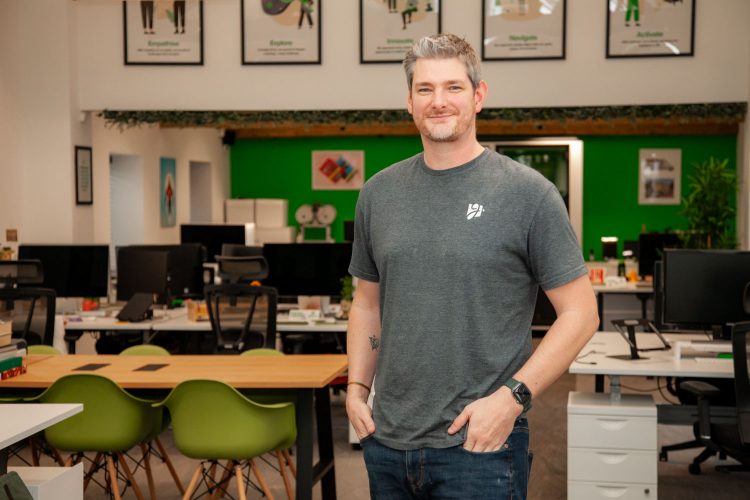
He left school at 16 and followed a well-worn Swindon path at the time, straight into a job at Nationwide, like many other bright-eyed smart young things. Technically capable, he quickly worked his way up into third-line system support, handling responsibilities that would later prove pivotal.
At 20, distracted and immature, and caught up in a culture of cars and easy money, he made a decision that would define the next decade of his life. While responsible for the disposal of IT equipment, he became involved in the removal of laptops that should never have left the building.
“One day there was a knock at the door from the police,” he recalls. “They wanted to talk to me about sixty-odd laptops that had gone missing.”
He was charged with six counts of theft. The feeling, he says, is something he still remembers clearly. “I didn’t really know what I was able to do after that. There was an immense amount of shame.”
It would have been easy to disappear, or to blame the system. Instead, Graeme did what he now encourages others to do, he rebuilt slowly, and deliberately, and critically, with some help along the way.
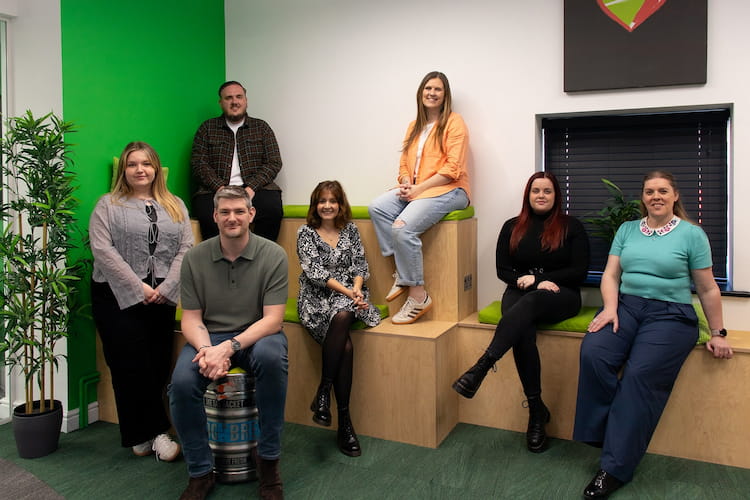
A job at a field marketing company near his family home gave him a fresh start. From there came work training in mobile phone retailers on the first Android devices, then a chance to move to Germany to develop e-learning content. The work suited him. Translating complex technical ideas into decisions people could actually make became a recurring pattern.
“That ability to understand a person’s technical knowledge and translate it into a solution, that’s really when it started,” he says.
In 2012, back in Swindon, that skill turned into a business. It began as GL Creations, before becoming GEL Studios, a creative and digital agency that has now been operating for over a decade.
But the business was never just about output.
“I knew I didn’t want a traditional agency,” Graeme says. “What the client signed off was what they got.”
Over time, clients began asking the same question. We’ve built this thing, what do we do with it now?
That question pushed GEL beyond websites and design into marketing strategy, leadership thinking, and long-term partnerships. It also forced Graeme to confront how his past shaped his leadership style.
“I’m led by my heart,” he admits. “I give away far too much time and money sometimes. That comes from my experiences. I know what it’s like when doors close.”
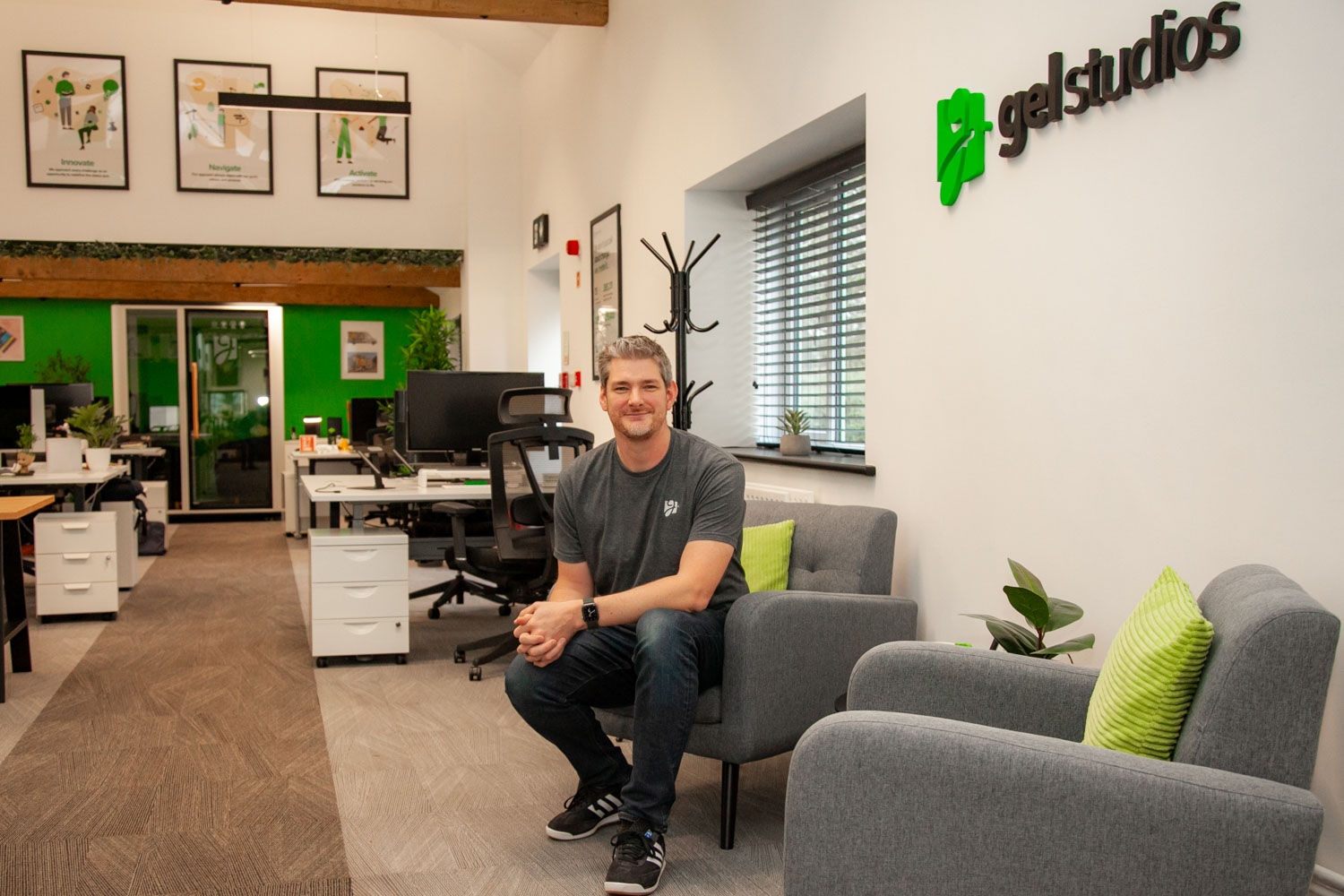
That personal history now feeds directly into GEL’s future plans. Graeme is open about his intention to sell the business within five years, but not in the usual way.
“Thirty percent will go to the team,” he says. “And a big part will go into a fund to help young adults get back into skilled employment, especially those who might have a record.”
It is not his performative philanthropy. It is his lived experience turned into positive action.
“I’d like to think my experiences can help shape something better for somebody else,” he says.
For Graeme, success is no longer about erasing the past. It is about using it.
“When people talk about company culture, they talk about beanbags and coffee,” he says. “That’s not culture. Culture is purpose, meaning, and fairness.”
That philosophy has become the foundation of GEL Studios, and the lens through which he now looks at Swindon itself, a town he believes has far more potential than it gives itself credit for.
The rest of that story, like the business he built, is still unfolding.
Part 2 of our interview with Graeme will be released soon.