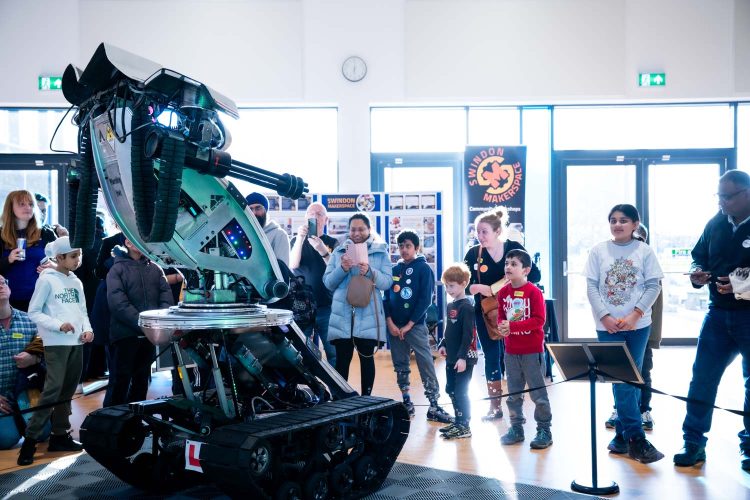

The event has become a regular part of the town’s cultural calendar, using Swindon as a base to explore future-focused ideas with residents of all ages.
Organisers say the Festival brings together artists, researchers, universities, charities and organisations from across the UK to explore how people may live, work and play in the future.
This year’s theme, Living in the future, places human experience at the centre of the programme.
The Festival Director said the event is designed to encourage discussion rather than simply showcase innovation.
Dr Roderick Hebden, Festival Director, said:
“This year’s theme of Living in the future invites everyone to re-imagine how we will live, work and play in the world of tomorrow.
“We’re really hoping to stimulate debate and ideas from everyone who takes part.”
As in previous years, the Festival will begin with activities for Swindon schools, including workshops, performances and online content.
The programme will then expand into venues across the town during the February half-term, with organisers saying families can expect a week of accessible and engaging events.
One of the early highlights is planned at STEAM: Museum of the Great Western Railway, which is set to host two immersive experiences focused on the human brain.
State of Mind, created by creative studio Squid Soup with neuroscientist Professor Adrian Owen, uses sound and light to explore how digital life affects thinking.
Alongside it, Network invites visitors into an illuminated web of neurons designed to translate brain activity into a sensory experience.
Organisers say both installations are scheduled to run from Saturday 14 to Saturday 21 February, with family-friendly workshops and exhibits planned alongside them.
Elsewhere in Swindon, drop-in creative sessions are expected to include activities such as DJing, poetry and nature-inspired art.
The Festival is due to conclude with a two-day finale on Friday 20th and Saturday 21st February at The Deanery CE Academy in Wichelstowe.
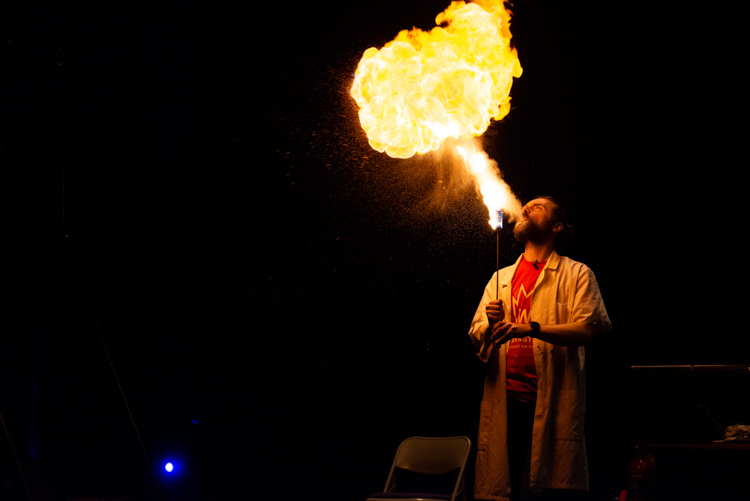
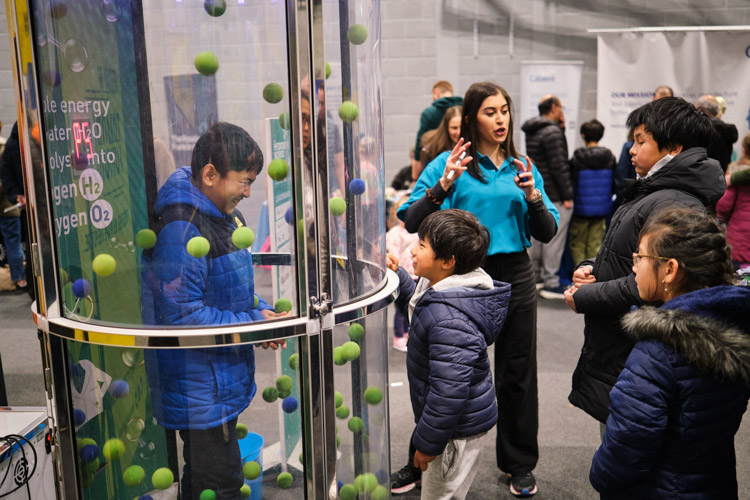
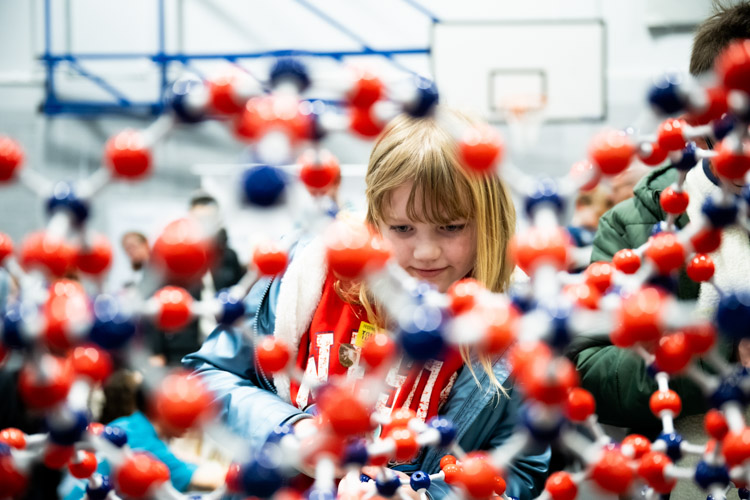
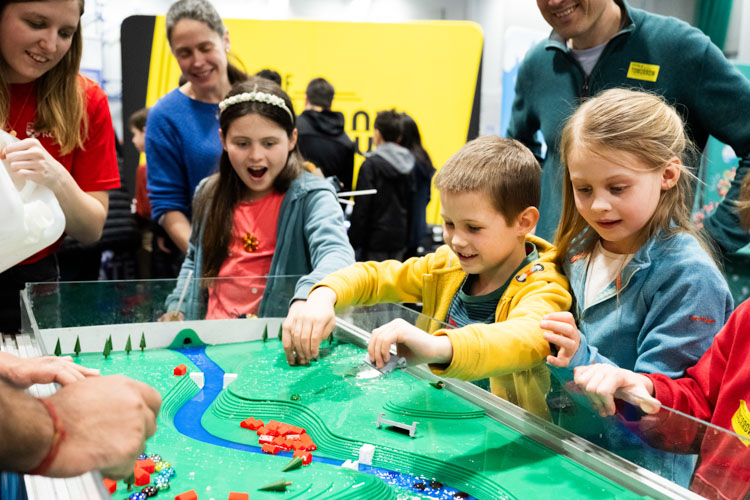
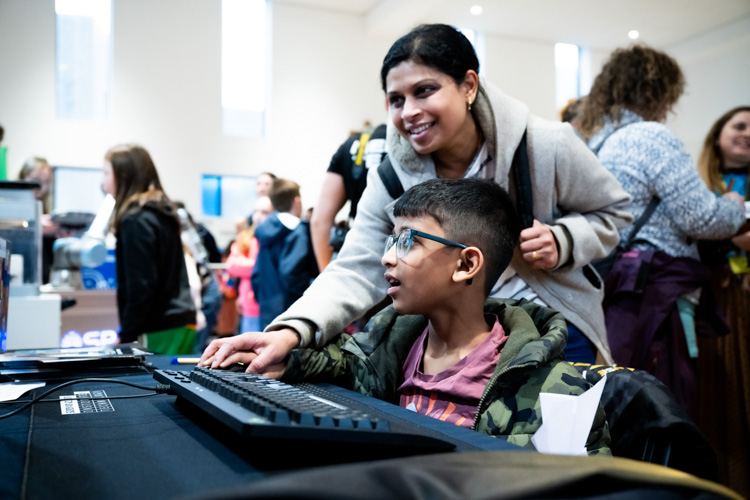
Organisers say the finale will feature five Discovery Zones with interactive exhibits, live demonstrations and immersive science experiences.
Planned activities include robotics, planetarium shows from Explorer Dome and hands-on sessions linked to national research featured at the Royal Society’s Summer Science Exhibition.
Organisations expected to be involved include the James Dyson Foundation, Catalent, UK Research and Innovation and several universities.

The majority of events are expected to be free, with organisers saying under-eighteens will be able to attend almost all activities at no cost.
Where tickets are required, organisers say this will be to manage capacity rather than generate income, with free access planned for community groups and those facing financial hardship.
Residents are advised that full programme details and ticket information have yet to be confirmed.
Updates are expected to be shared via the Festival of Tomorrow website