
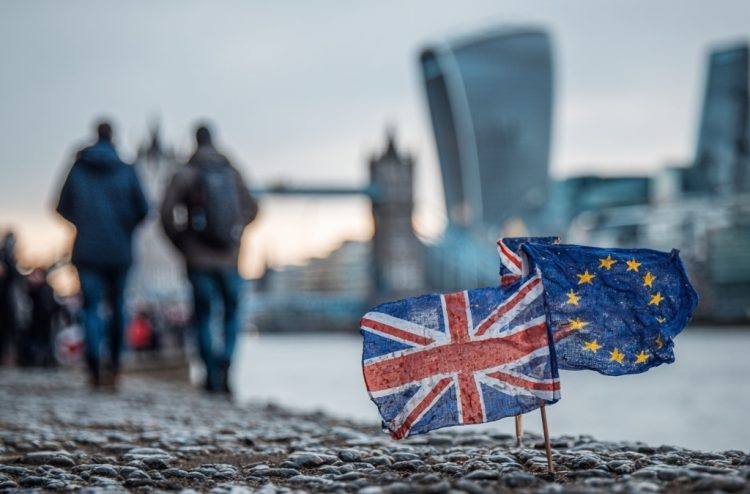

Readers on Swindon24’s channel, were asked whether Britain should rejoin the EU. In total, 66.7% voted yes, saying it would be good for the economy.
That was by far the most popular response in the poll. By comparison, 24.8% said no and that the country should stick with Brexit.
A further 9.5% said they would favour closer ties without full membership of the block. No respondents chose the option of “not now”.
The outcome indicates that, among those who took part, there is now stronger backing for full EU membership than for maintaining the current post-Brexit arrangement or seeking a middle ground.
It stands in contrast to the 2016 referendum, when the UK voted to leave the EU by 51.9% to 48.1%. Since then, national polling has suggested that opinion has shifted.
In June 2025, YouGov reported that 56% of Britons believed it was wrong for Britain to vote to leave the EU. The National Centre for Social Research has also found that 59% of people now say they would vote to rejoin the EU, which matches our poll.
Public perception of Brexit’s economic impact appears to be a key factor. NatCen reported that 69% believe the economy is worse off as a result of Brexit.
Separately, Reuters reported last year that only 24% of Britons thought the country should remain outside the EU, the lowest level recorded since the referendum.
However, national surveys suggest the country is not united behind immediate re-entry. Reuters reported in 2025 that although many people regret Brexit, they do not necessarily see rejoining as an urgent priority.
YouGov has also found that while a growing number view Brexit as a mistake, there is less appetite for reopening the entire question straight away. The Swindon24 poll is notable because it suggests something stronger than simple regret among those who responded.
It indicates a clear preference for full membership, rather than just closer cooperation with the EU. While the poll reflects only the views of those who chose to take part, it points to a readership that appears significantly more pro-EU than the country was in 2016.
At least among this local audience, opinion appears to have moved decisively in the opposite direction to the original referendum result.












Its no surprise public opinion is changing. Brexit doesn’t reflect reality. Public opinion on it is shifting similarly to that on the Iraque War 2: Origionaly, for and against, then ‘it wasn’t done properly’, then ‘we shouldn’t have done it’…