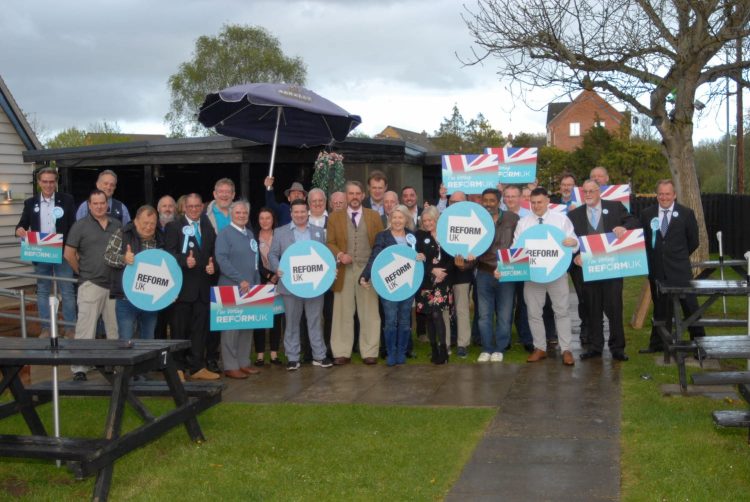

According to BBC News, Terrence David Reynolds and Martin Costello are being reviewed by the party’s disciplinary team following complaints about content shared online.
Mr Reynolds, who is standing in Queens Park ward, has previously confirmed he stands by posts shared on Facebook. These included messages stating “we want Muslims gone” and calling for a ban on immigration from Islamic countries.

He told the Local Democracy Reporting Service “Whatever I have reposted on Facebook has been my personal opinion and nobody else’s.”
Mr Costello is reported to have shared content comparing the Covid-19 pandemic to the Holocaust.
A spokesperson for Reform UK confirmed the party is investigating both cases.
The posts have prompted criticism locally, with campaigners describing the comments as deeply offensive and calling on the party to withdraw its support from the candidates.
While candidates cannot be removed from the ballot paper at this stage, political parties are able to distance themselves publicly. Reform UK has not indicated it intends to do so.
The controversy comes shortly after changes within Reform’s local leadership in Swindon.
(interview with previous chair Kirt Wakefield)
Kirt Wakefield stepped down as chair of the party’s local branch following a recent Nigel Farage rally in the town. He has since been replaced by Sara Godwin as chair, with Luke Bennett appointed vice-chair.
The reasons for Mr Wakefield’s resignation have not been publicly confirmed.
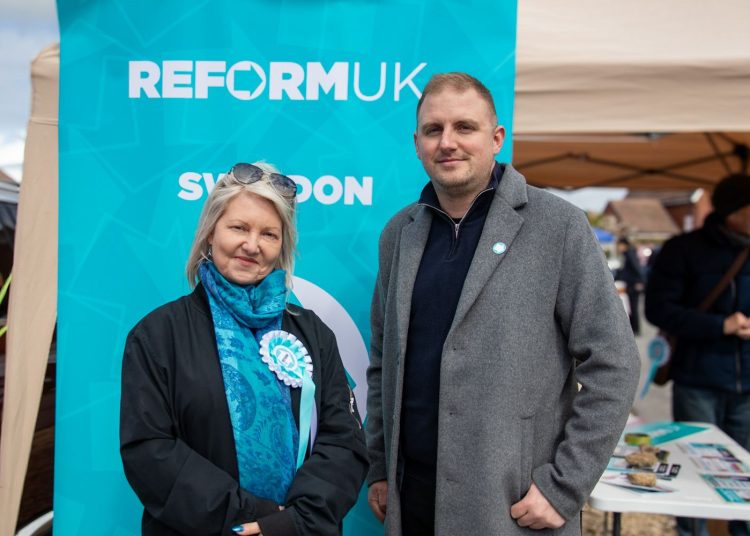
Alongside the investigation, questions are being raised about how Reform’s campaign is being managed locally.
Swindon24 understands that some individuals connected to the campaign have raised concerns about candidates being told not to engage in media interviews, reducing doorstep engagement and restricting personal social media activity.
(interview with new chair Sara Godwin)
Reform UK Swindon has not provided evidence, after requests for clarification, of its campaign strategy or actual manifesto for Swindon.
The developments come as the party seeks to expand its presence in local government and position itself as a challenger to established parties ahead of the local elections.
Local elections often depend on direct engagement with residents, clear communication of policies and visible accountability. Whether Reform’s candidates will increase their public engagement as the campaign progresses remains increasingly unlikely, instead relying largely on the popularity of the national leadership.