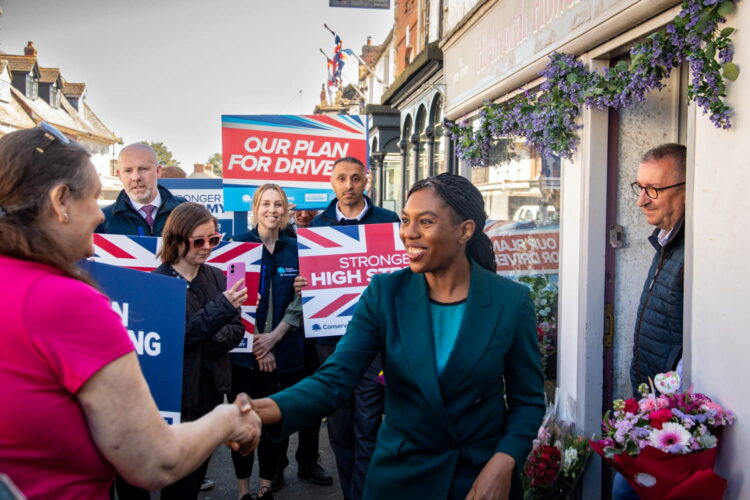
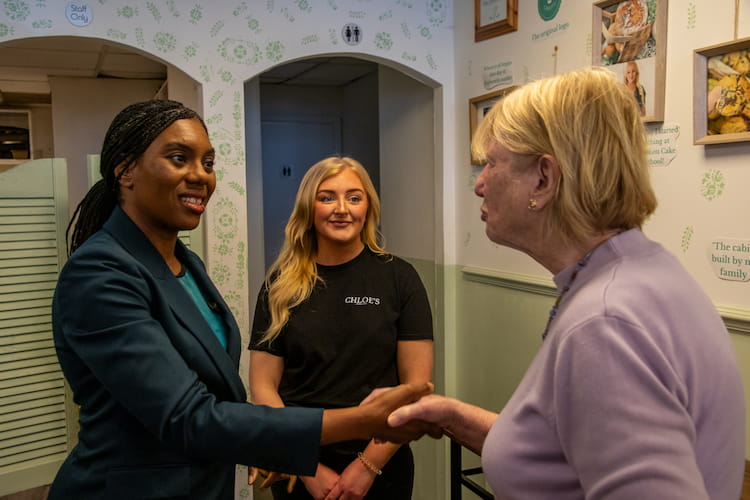
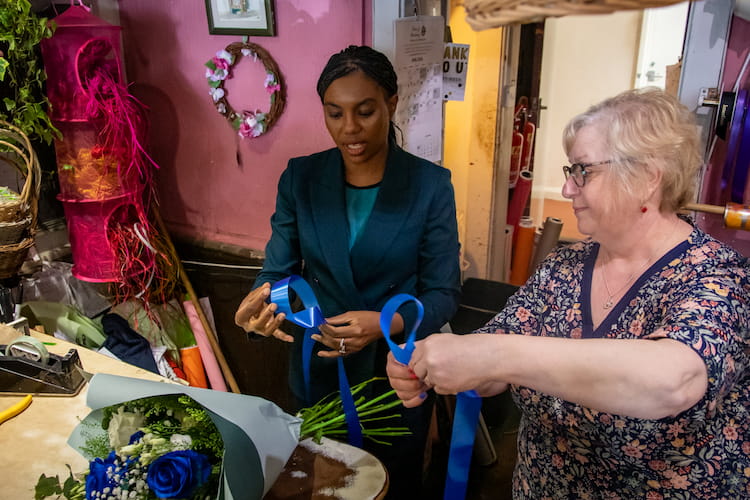
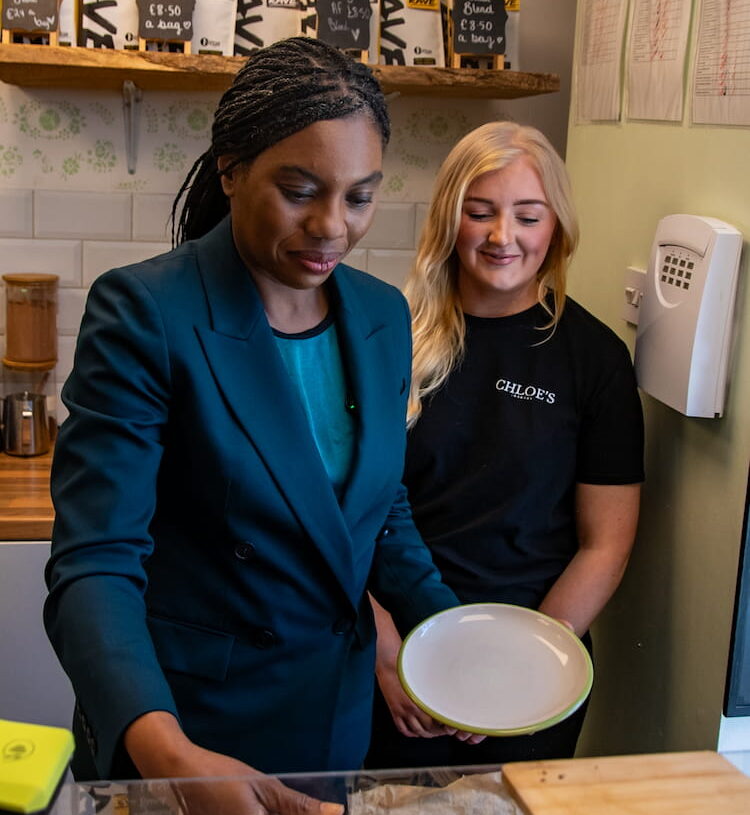
She stopped at Chloes, Highworth Flowers and The Highworth Hotel, where she was told rising costs are making it increasingly difficult to grow or even maintain operations.
Owners raised concerns about higher business rates, increased National Insurance contributions and rising minimum wage costs. All three businesses described similar challenges.
Badenoch said the feedback reflected what she is hearing across the country.
“Everyone said the same thing, business rates are too high. The cost of employing people means that they’re not creating jobs,” she said.
She added that the issue is not a lack of ambition, but a lack of affordability for employers.
“It’s not government that creates the jobs, it’s businesses. And you know, the florist says she’d like to have a full-time person, she can’t afford that.
Chloe’s bakery would like to have a couple more people working, they can’t afford to hire them. She’s relying on her brother and parents, that’s just not how it should be.”
The visit also touched on wider cost-of-living concerns, including fuel prices and household budgets.
“People [are] saying that it’s just getting harder and harder, the cost of fuel, they’re worried about the future, the impact of global events on us domestically, and this is something that we need to focus more on,” she said.
She said policy should reflect what she described as “common sense”, referring to proposals around fuel duty and transport.
“Our plan is about making sure we can stop that fuel duty rise that’s coming in, stop things like blanket 20 mile per hour zones that are in inappropriate places, making sure that people can see that there’s common sense in policy.”
Speaking about the wider economy, Badenoch linked business growth to tackling poverty.
“We’re spending more in welfare than we are earning in income tax. So if you’re spending more in welfare than you’re earning, then you’re creating more poverty,” she said.
“So bringing down the welfare and getting people into work is the best way to deliver less child poverty. Just creating more and more benefits is going to create bigger problems further down the line.”
Her visit comes as the Conservative Party seeks to reposition itself following the 2024 general election.
“Making promises without working out how you will deliver them is terminal,” she said, referencing past failures on issues such as immigration and taxation.
She also acknowledged the changing political landscape.
“We’re now in a multi-party era… this means that differentiation is absolutely essential,” she said, adding that the party must show “what is distinct about the Conservative Party” moving forward.
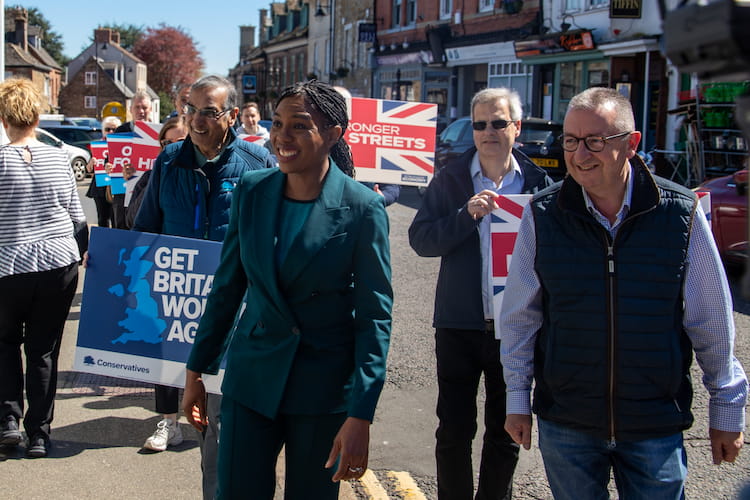
The visit formed part of a wider local election campaign effort, with Conservative candidates accompanying her across the area.
Residents were seen stopping to shake hands and offer messages of support as she moved between businesses.
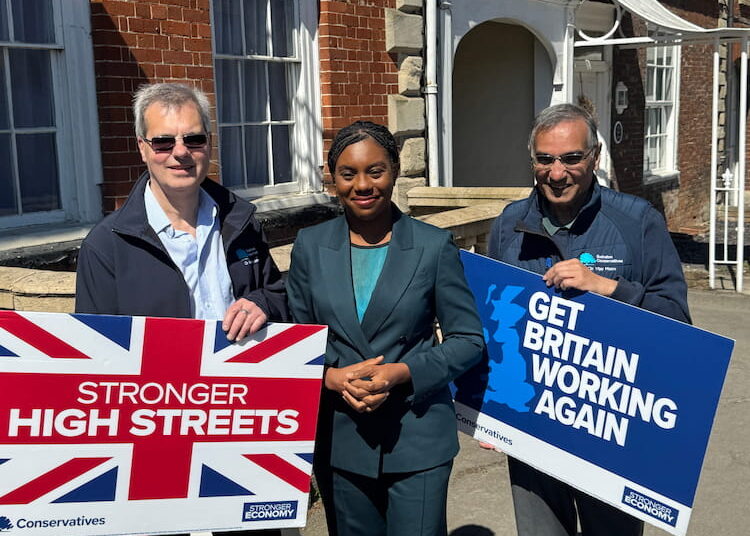
Summing up her message to voters, she said: “It’s a New Conservative Party. Hope is coming. We’re focused on improving people’s lives.”
The issues raised in Highworth underline the pressures facing independent businesses in Wiltshire, as the local election campaign continues.