
From April, businesses across the UK are facing higher employer National Insurance contributions, increases to the minimum wage and a rise in business rates following a national revaluation.
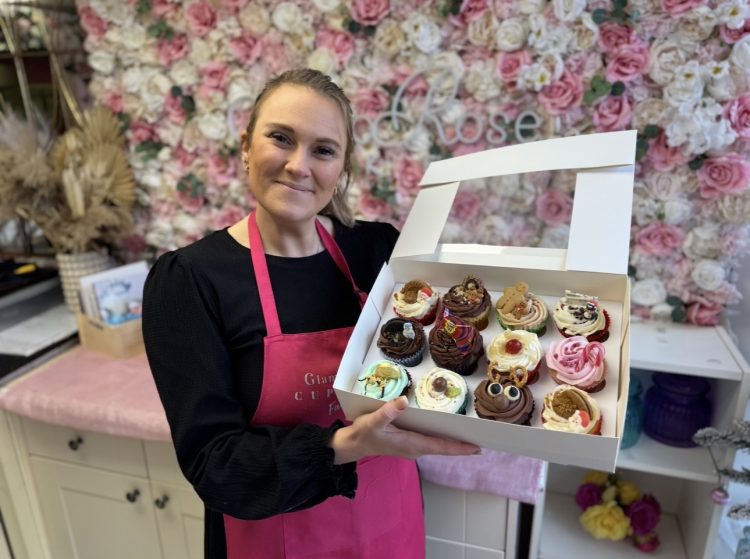
In Old Town, where independent traders make up much of the high street, the impact is already being felt. Jessie, who runs two businesses in the area, said the latest rise in business rates has been immediate and significant.
“I haven’t paid business rates for about 10 years,” she said. “Last year I paid about £120 a month. Now it’s over £300. It’s more than doubled.”
The change follows updated rateable values and adjustments to relief schemes at the start of the new financial year. Jessie said the speed of the increase had left little time to prepare.
“I’ve had no notice. The letter came in the middle of March and it starts from April. You’re just expected to find that extra money,” she said.
She said business rates are only one element of a wider financial squeeze.
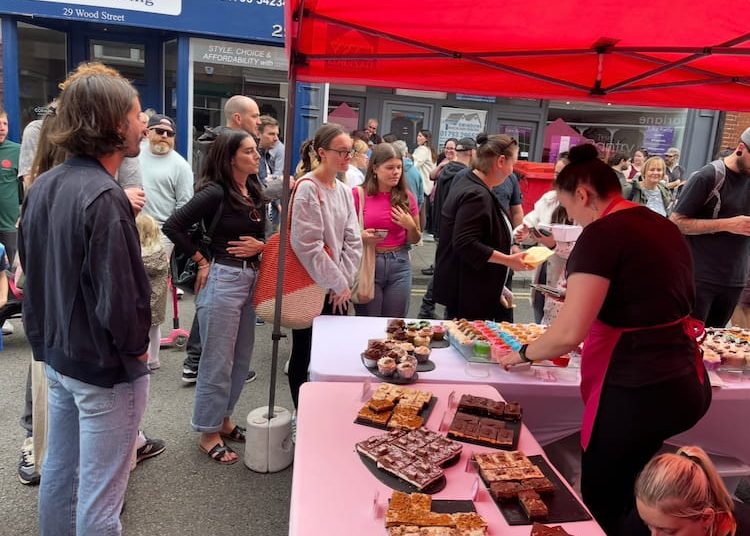
Rising wage costs and increased employer contributions are also adding pressure, particularly for labour-intensive firms operating on tight margins.
“It kind of isn’t really worth having a business anymore,” she said. “I used to do it as a career… now I do it because I enjoy it. There’s no financial gain.”
High street businesses must absorb fixed costs such as rent, utilities and staffing, as well as higher rates. Unlike online or home-based operators, they cannot reduce premises costs when trading conditions tighten. Jessie said increasing prices is not always an option.
“You can’t put your prices up any more than people will pay,” she said. “People can’t afford it.”
INTERVIEW WITH JESSIE:
She said the situation has forced her to reconsider future plans.
“I’m having to scale the business right back. I can’t take risks and grow… I got a loan to grow the business, and now I’m struggling to pay it,” she said.
Jessie said the pressures are also affecting opportunities she previously offered.
“I used to take on apprentices every year… I’ve done so much to support the community, but I can’t afford to do it anymore,” she said.
While her experience reflects one business, it highlights wider concerns about the sustainability of independent firms in Swindon.

Small businesses play a key role in maintaining footfall and supporting the local economy. Any reduction in activity or closures could have a broader impact on the town centre.
Jessie described the emotional strain of the current climate.
“I don’t know how I’m going to find the money… I don’t know what’s going to happen,” she said.
“It’s never been like this before,” she said. “It’s terrifying.”
This article is the first in a new series examining how recent changes are affecting businesses across Swindon. Further reports will look at the impact on employers with larger workforces, different sectors including hospitality and retail, and what the changes could mean for the future of the town’s business sectors.