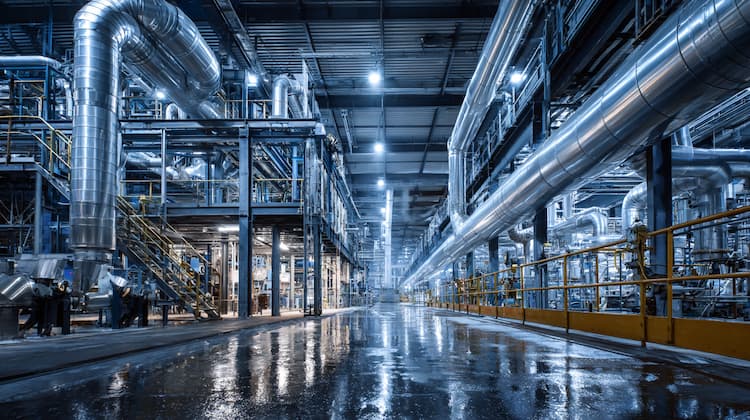

Chancellor Rachel Reeves confirmed the expansion of the British Industrial Competitiveness Scheme, which is set to support more than 10,000 businesses nationwide from April 2027.
Swindon has a strong manufacturing base, particularly in automotive production, advanced engineering and emerging defence and drone technologies.
Major employers including BMW at the Mini plant, along with a network of supply chain firms involved in metal fabrication, electronics and precision engineering, could fall within the sectors targeted.
Energy costs remain a significant pressure for firms operating energy-intensive processes such as machining, assembly and materials production.
Under the plans, eligible companies will be exempt from certain electricity levies, potentially cutting bills by up to 25 per cent from 2027.
Some businesses are also expected to receive a one-off backdated payment.
The policy focuses on sectors with a strong presence in Swindon, including automotive manufacturing and supply chains, aerospace and defence production, metal and plastics fabrication, and advanced engineering components.
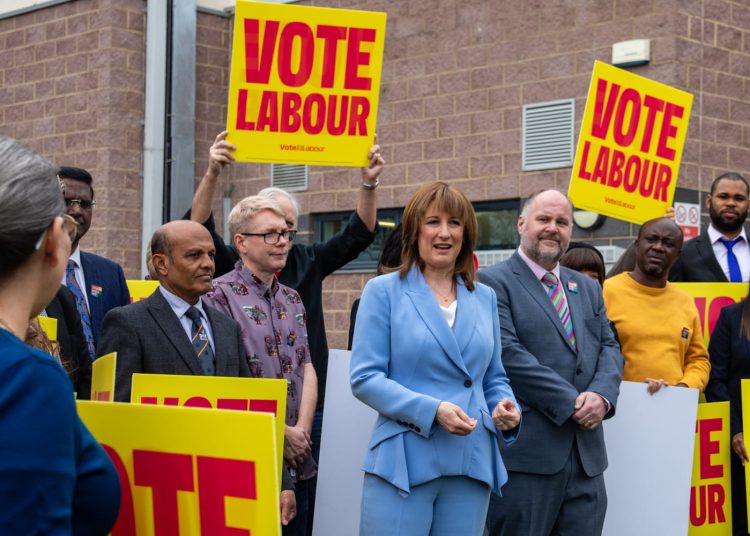
It comes as the town continues efforts to position itself as a centre for advanced manufacturing and uncrewed systems, amid growing investment in defence and drone technology.
Reeves said the move would “cut electricity costs, helping businesses to compete, win and create good jobs across the country”.
Business Secretary Peter Kyle said high electricity costs remain “the number one issue that businesses face”.
The scheme is expected to be worth up to £600 million per year and forms part of a wider industrial strategy intended to improve economic resilience during global instability.
However, the changes will not take effect until April 2027.
Eligibility will depend on sector classification and the proportion of electricity used for manufacturing, meaning not all businesses will qualify.
Smaller or less energy-intensive firms in Swindon may see limited benefit.
While the announcement is seen as a positive signal for the town’s industrial base, it does not provide immediate relief for businesses currently facing high operating costs.
The longer-term impact will depend on how many local firms meet the criteria and whether the savings are significant enough to influence investment and expansion decisions.