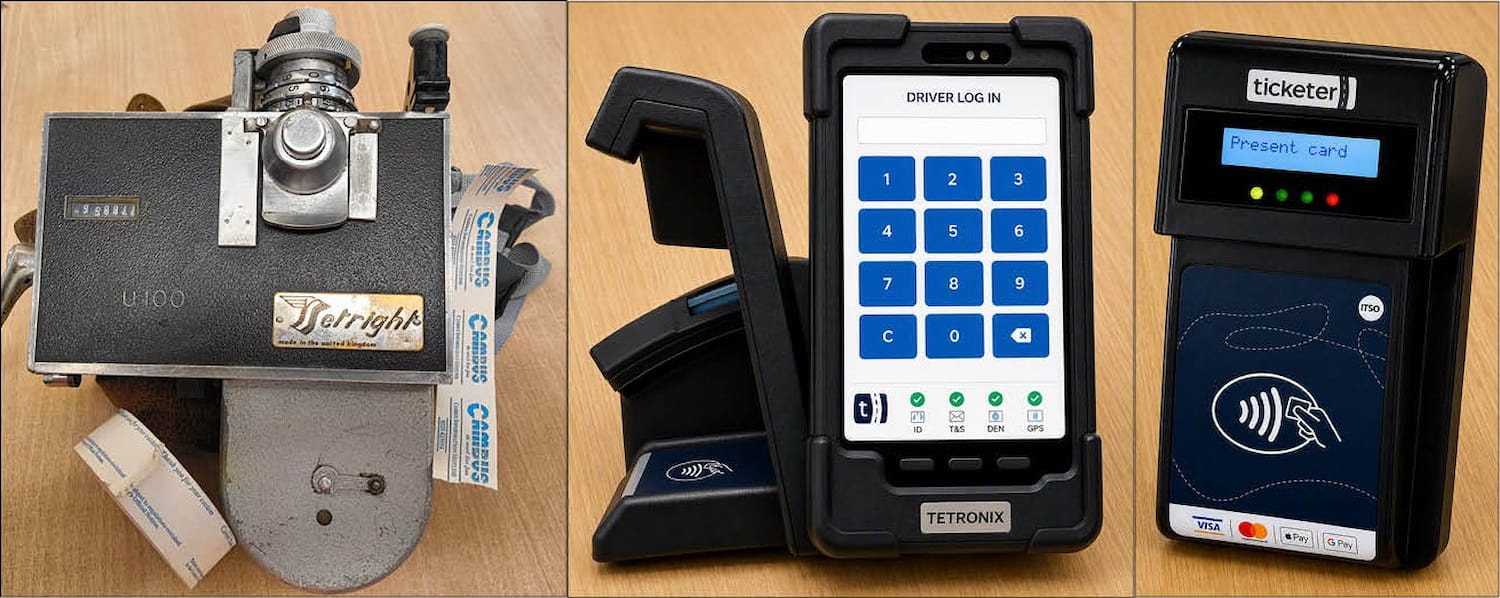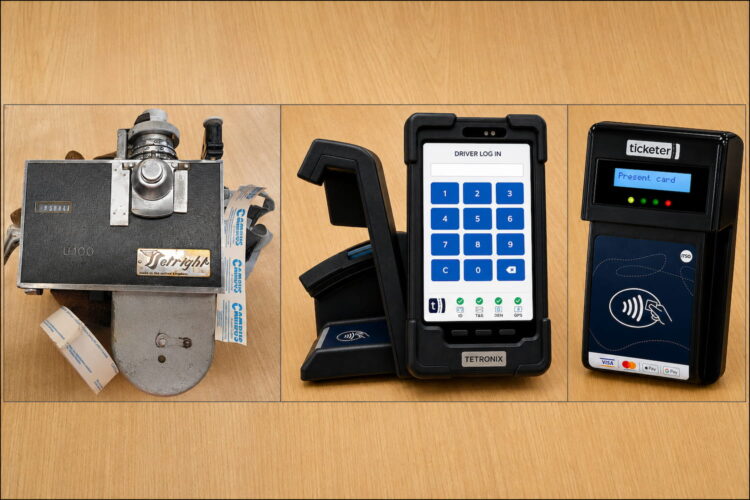

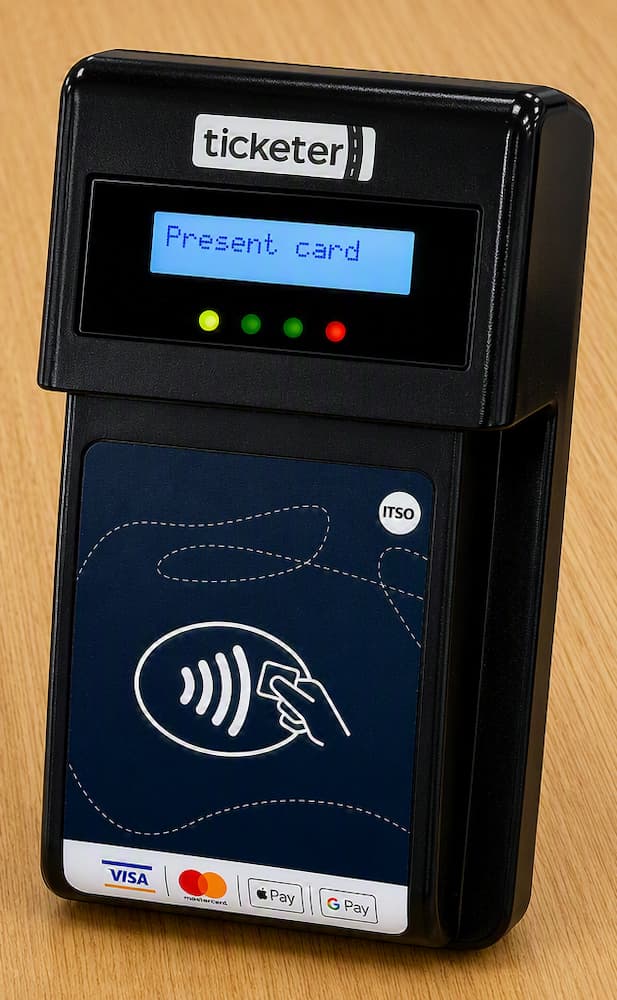
The rollout will see the operator replace older equipment with the latest Ticketer TK300 devices, which offer faster ticket sales, improved operational features and enhanced real-time tracking.
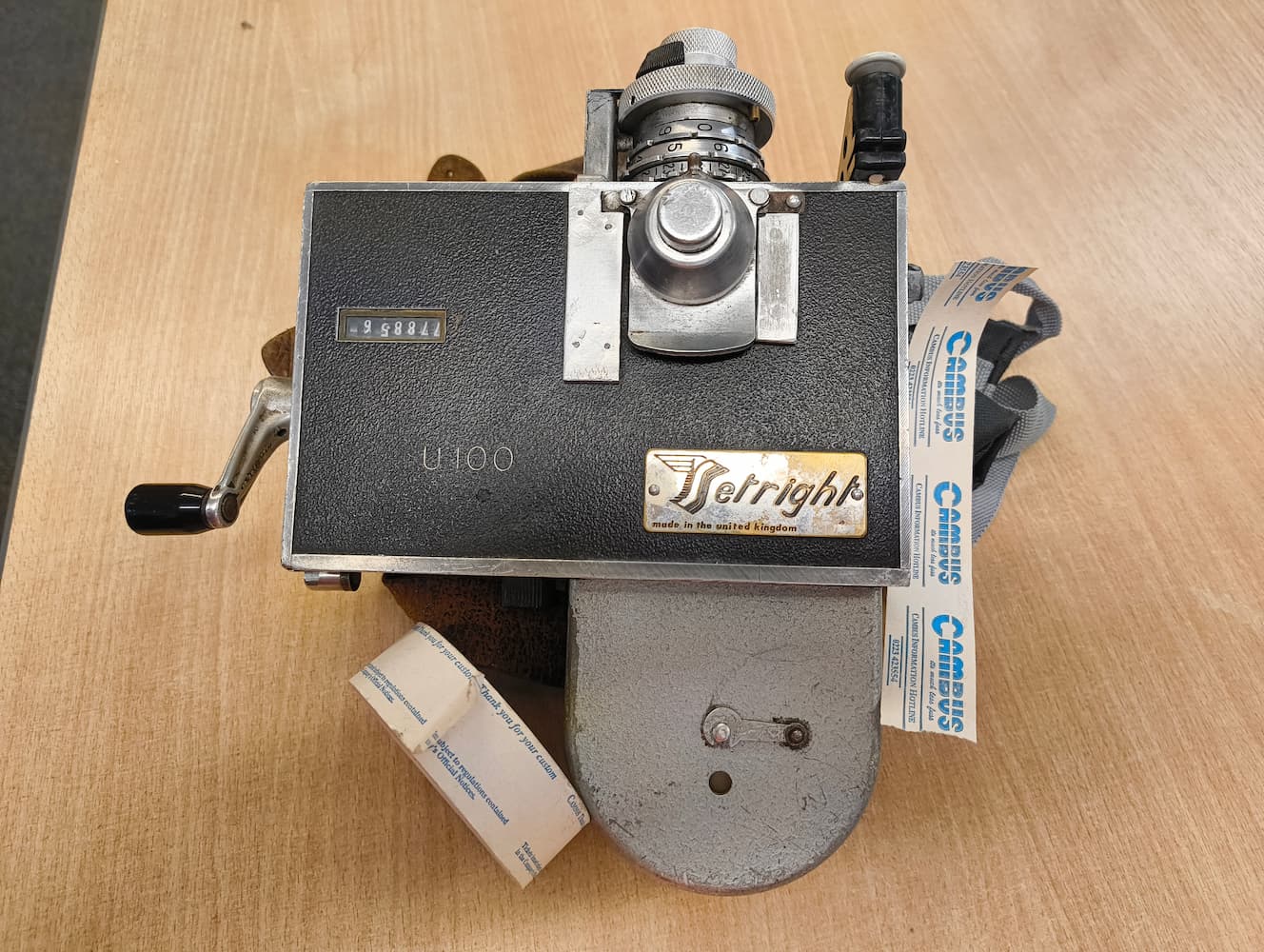
To mark the introduction of the new technology, Stagecoach West has shared an archive image of the iconic Setright ticket machine, once a familiar feature of bus travel across the region.
The portable mechanical machines, carried by conductors and later drivers, used a series of dials and a hand-operated crank to print paper tickets. They were widely used for decades before modern electronic systems became the industry standard.
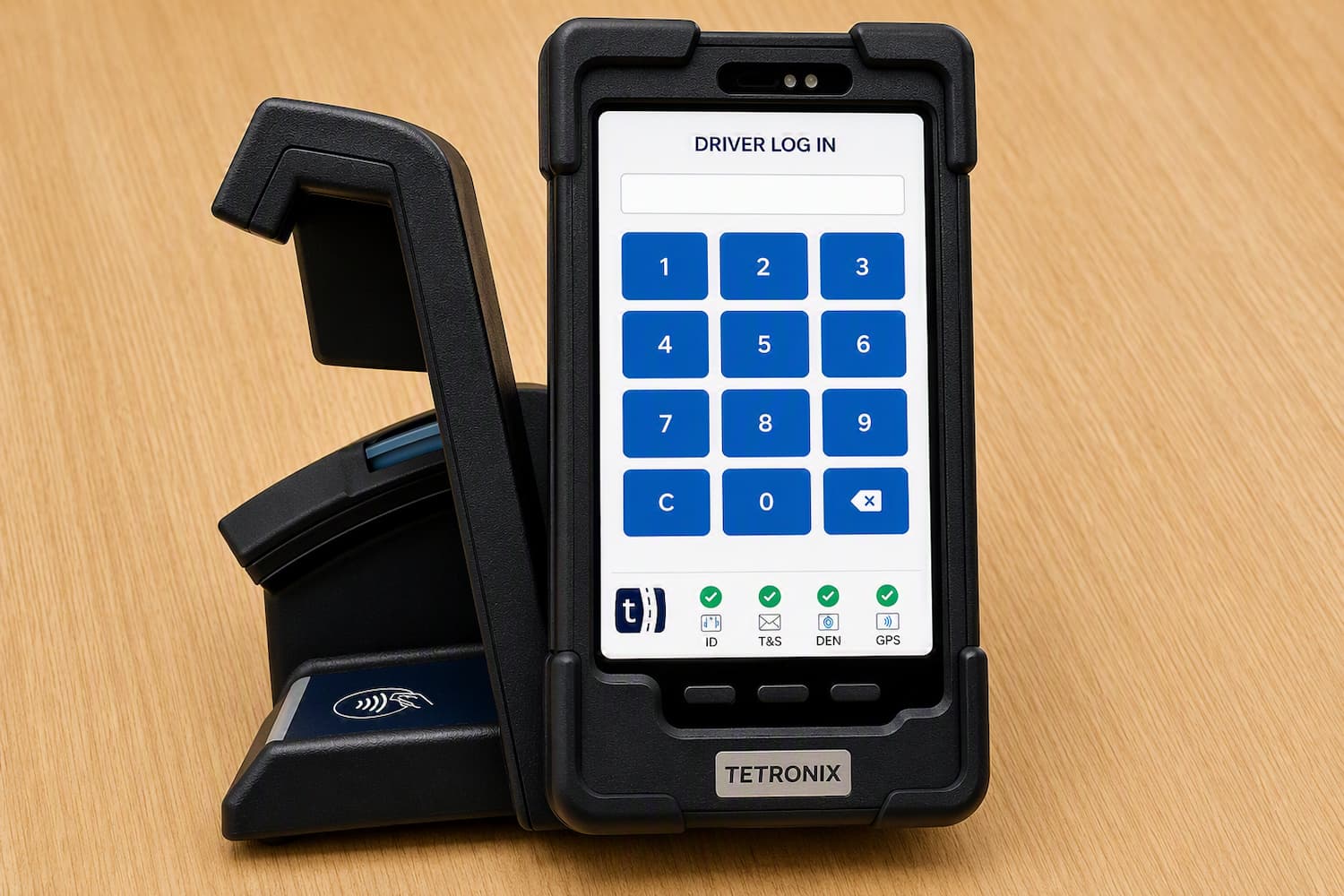
The new TK300 machines are computer-enabled and can store hundreds of routes across multiple depots. They also provide real-time location data to the Stagecoach Bus App, helping passengers track services more accurately.
Passengers will be able to buy tickets at the press of a button, while the technology also prepares the network for future features such as tap-on, tap-off fare capping. The machines also support QR code scanning and include functions designed to improve the efficiency of daily operations.
Drivers are expected to benefit from the upgrade as well. Each machine includes a built-in microphone and speaker system, allowing two-way communication with local depots throughout the day.
Martin Gibbon, Managing Director of Stagecoach West, said: “As we work to introduce these ultra-modern pieces of technology, it is important that we remember our heritage of such iconic items as the ticket machine, but also appreciate the modern technology which helps to get our loyal customers where they need to go as quickly and conveniently as possible.
“A modern bus is a technological marvel, and we are proud to continue to bring modern technology to the heart of this forward-looking and progressive region. Features like contactless payment are essential for new customers in the modern day.”
The investment forms part of Stagecoach’s wider programme to modernise its public transport network.
The company, founded in 1980, operates around 8,300 buses and coaches across England, Scotland and Wales. More than 15 per cent of its fleet is now electric as it continues to invest in greener and smarter transport.
For passengers in Swindon, the introduction of the new ticket machines is expected to deliver quicker ticket purchases, improved real-time journey information and a smoother travel experience.