
All 57 councillors will be chosen on the same day for the first time since 2012, after members unanimously agreed in October 2023 to switch to whole council elections. The change means residents will now vote for all borough councillors once every four years rather than electing them in thirds.
The move makes this one of the most significant local votes in more than a decade. The outcome will determine the political leadership of the authority until 2030.
The election will also be the first to take place under new ward boundaries following a review by the Local Government Boundary Commission between 2023 and 2025.
Swindon now has 25 wards, made up of 10 three-member wards, 12 two-member wards and three single-member wards. Boundaries have changed in 24 of them, with each councillor representing an average of 3,109 electors.
Many residents will find they are voting in a different ward or for a different number of councillors than in previous years. Boundary changes can shift the political landscape and create uncertainty for established parties.
Nationally, local elections have increasingly reflected public opinion on Westminster. Recent years have seen fluctuating support for the main parties and growing backing for smaller parties in councils across the country.
In Swindon, Labour currently holds control of the council and will be aiming to retain it. Recent months have seen conversations around adult social care funding following an upgraded rating from the Care Quality Commission, regeneration schemes including the Carriage Works, and long-term growth plans linked to Swindon Knowledge Central and the town’s Heart of Swindon strategy.
The Conservatives are seeking to regain control. They have criticised proposals surrounding Abbey Stadium and planning matters at Abbey Farm, and are expected to campaign on development, council finances and accountability.
The Green Party has become more active locally, with campaigners emerging across several wards. Nationally, the party has secured gains in a number of authorities, and it remains to be seen whether that momentum will translate into seats in Swindon.
Reform UK has yet to confirm local candidates. Whether the party enters the contest could influence how any national vote is reflected in the town.
Voters attending polling stations must bring an accepted form of photo identification. This includes passports, photographic driving licences, older person’s or disabled person’s bus passes and Blue Badges.
Those without suitable ID can apply for a free Voter Authority Certificate. Applications for postal votes now last a maximum of three years, and anyone whose arrangement was set up before 31 October 2023 must reapply.
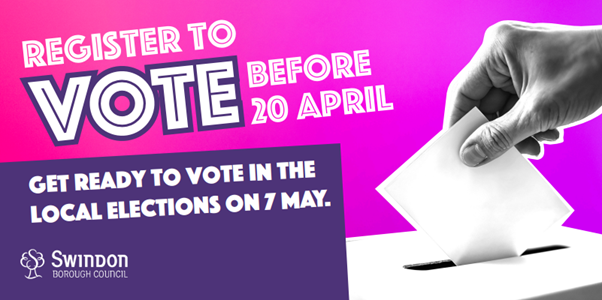
Residents must register to vote by midnight on Monday 20 April. Applications to apply for or renew a postal vote close at 5pm on Tuesday 21 April.
Proxy vote applications must be submitted by 5pm on Tuesday 28 April. The deadline to apply for a free Voter Authority Certificate is also 5pm on Tuesday 28 April.
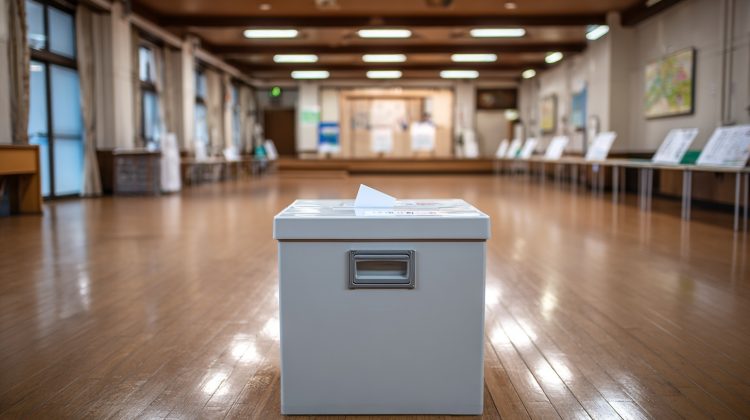
Polling stations will be open from 7am until 10pm on Thursday 7 May.
Sam Mowbray, Returning Officer for Swindon, said:
“May’s elections will see every council seat across Swindon contested at the same time, making it important that electors look out for their poll cards being delivered in late March and understand what they need to do in advance of polling day.
“Anyone who wishes to vote by post should make sure they renew their application if required and those voting in person must bring an accepted form of photo ID. I would encourage residents to prepare early to ensure they can take part.”
With new boundaries, all seats contested and a shifting national backdrop, the result could mark a defining moment for the town.
The next four years of decisions on finances, planning and frontline services will rest on the choices made by voters on 7 May.