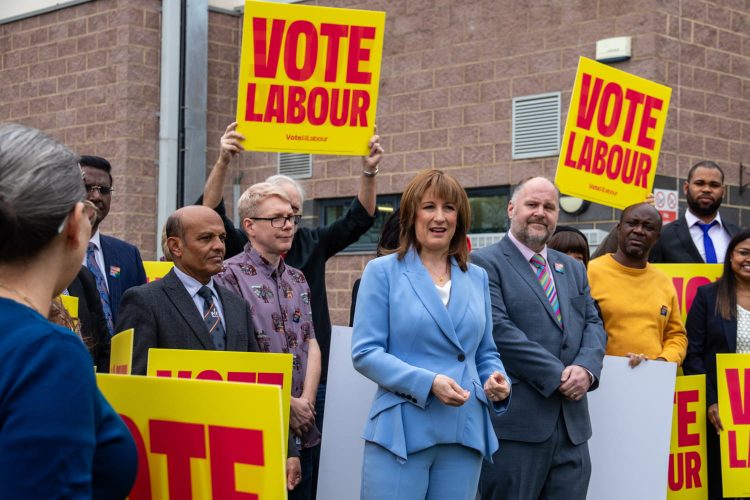

INTERVIEW WITH CHANCELLOR RACHEL REEVES
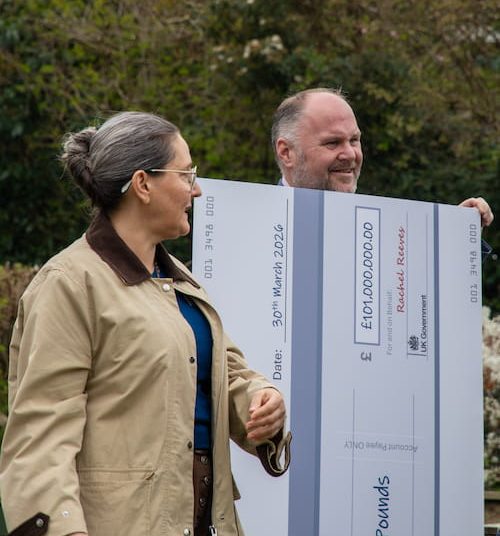
Rachel Reeves was at Pinehurst Community Centre today to promote among other policies, the funding which is earmarked for a new entertainment-led development aimed at revitalising the centre.
She said the investment is part of a broader strategy to “kickstart the regeneration of Swindon town centre” and “put pride back into the local community”.
During the visit, Reeves acknowledged that the dominant concern for households.
“I recognise that people’s number one concern remains the cost of living,” she said.
She added that the government’s priority is “putting more money in people’s pockets”.
The Chancellor pointed to several national measures which she said are designed to ease pressure on families.

These include an average £117 reduction in energy bills, a freeze on train fares and a second consecutive year without prescription charge increases.
While the visit focused on regeneration, questions were raised about whether the £20 million was more of a priority than the businesses facing increased National Insurance contributions and new business rates pressures. Reeves stressed that the government’s approach is centred on long-term growth.
“We want to kickstart the regeneration of Swindon town centre,” she said.
She described the funding as an opportunity to unlock the town’s “huge potential” and attract further private investment.
The Chancellor also referenced wider funding changes which she said will benefit local areas. These include a revised local government funding formula, additional investment in road repairs and further “Pride of Place” funding for communities such as Penhill and Walcot East.
However, she did not directly address the specific concerns raised by business owners about rising employment and operating costs. Reeves said the government continues to maintain what she described as strict control over public spending.
“That means having a tight grip on spending,” she said.
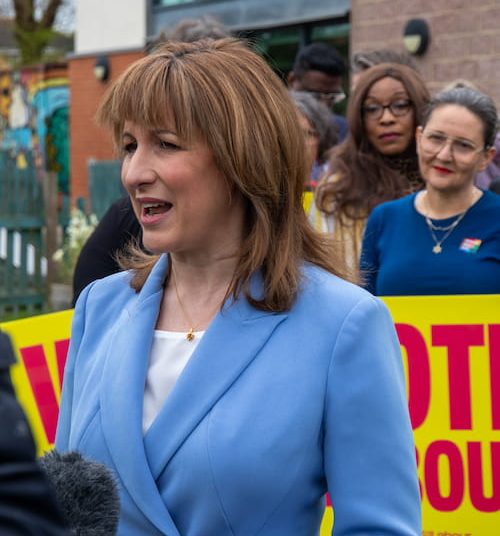
She referred to what she called a “huge black hole” in the public finances when she took office, saying difficult decisions had been necessary. She confirmed that taxes have increased for some businesses and higher earners. The Chancellor argued that those decisions have helped bring down interest rates and begin reducing NHS waiting lists. However, she stopped short of outlining any new measures aimed specifically at supporting businesses in the short term.
Reeves also highlighted the impact of global instability on the UK economy. She warned that international tensions are adding fresh uncertainty, particularly in relation to energy prices.
“We are now seeing prices rise as the Strait of Hormuz… is effectively closed to transit,” she said.
She added that the government is modelling different economic scenarios in the months ahead in response to global developments. Concerns have also been raised locally about increased military activity at RAF Fairford.
Addressing those worries, Reeves sought to reassure residents.
“This is a war that we did not start… and we are trying to de-escalate,” she said.
She added that UK forces are engaged in defensive operations designed to protect national interests. The visit highlights the tension between long-term regeneration ambitions and the immediate financial challenges faced by businesses on the ground.
Ministers argue that investment in town centres will drive growth, create jobs and restore confidence in local economies. Some businesses, however, continue to question whether there is support in the pipeline to offset rising costs.