
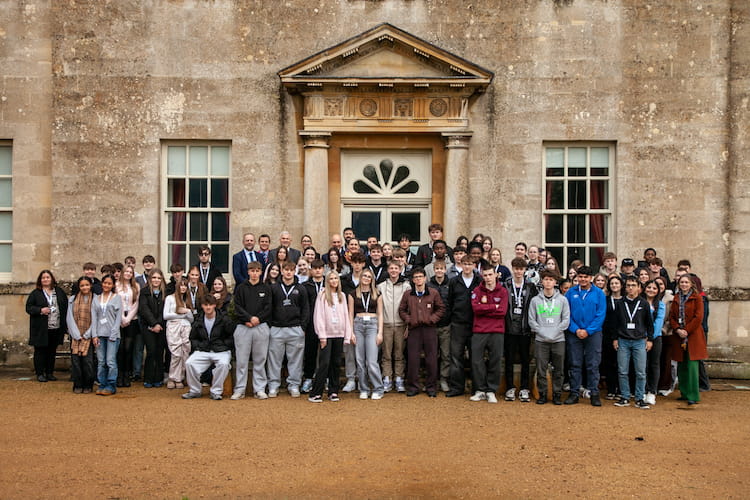

Students could soon return life to one of Swindon’s most significant heritage sites, as plans progress to base Lydiard Park Academy’s sixth form on the upper floors of Lydiard House.
The proposal has been approved at Swindon Borough Council’s Cabinet and involves a £700,000 programme to restore and upgrade the long-closed first floor. The work would create teaching rooms, study areas and staff space, while the museum and state rooms on the ground floor would remain open to visitors.
The project aims to resolve two long-standing issues: the academy’s sixth form block is unusable due to structural problems, and Lydiard House has lacked a sustainable daily purpose for its upper levels.
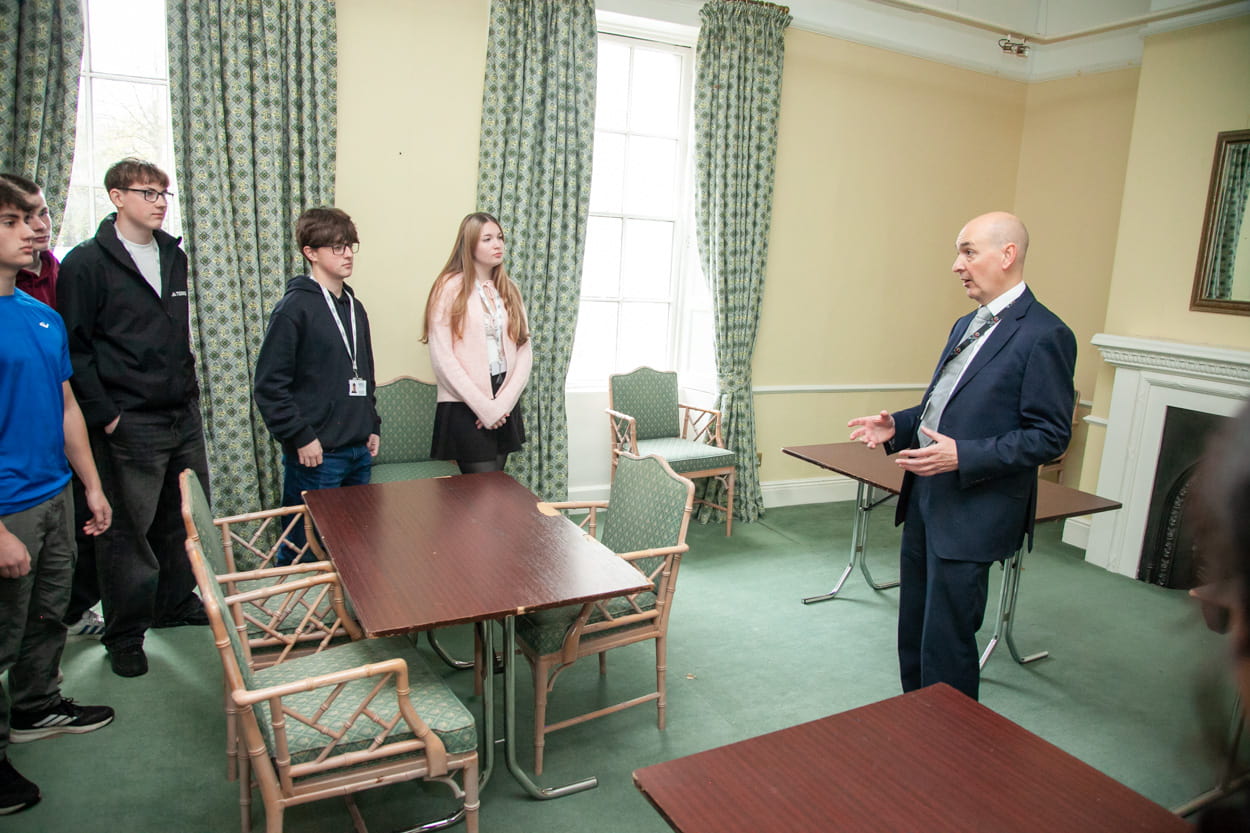
Gary Pearson, Principal of Lydiard Park Academy, said the school had exhausted its options.
“When we had to move out of the temporary buildings last year, we started to look at what options we had. Rebuilding a sixth form block was simply not affordable.
“When we looked at the rooms here, we knew the condition meant work was needed, but once we mapped out how our subjects operate, it became clear it would work. Academic, classroom-based subjects like English, geography, history and maths would fit perfectly here, while practical subjects stay at the Academy.
“What this creates is a campus: part at the school and part in a bespoke sixth form environment.”
Around 120 to 125 students could move into the house from September, subject to planning permission.
“It gives us breathing space, more teaching rooms and appropriate places for exams. It will be a really lovely working environment for everyone involved.”
For the Park Academies Trust, the proposal is about more than creating space.
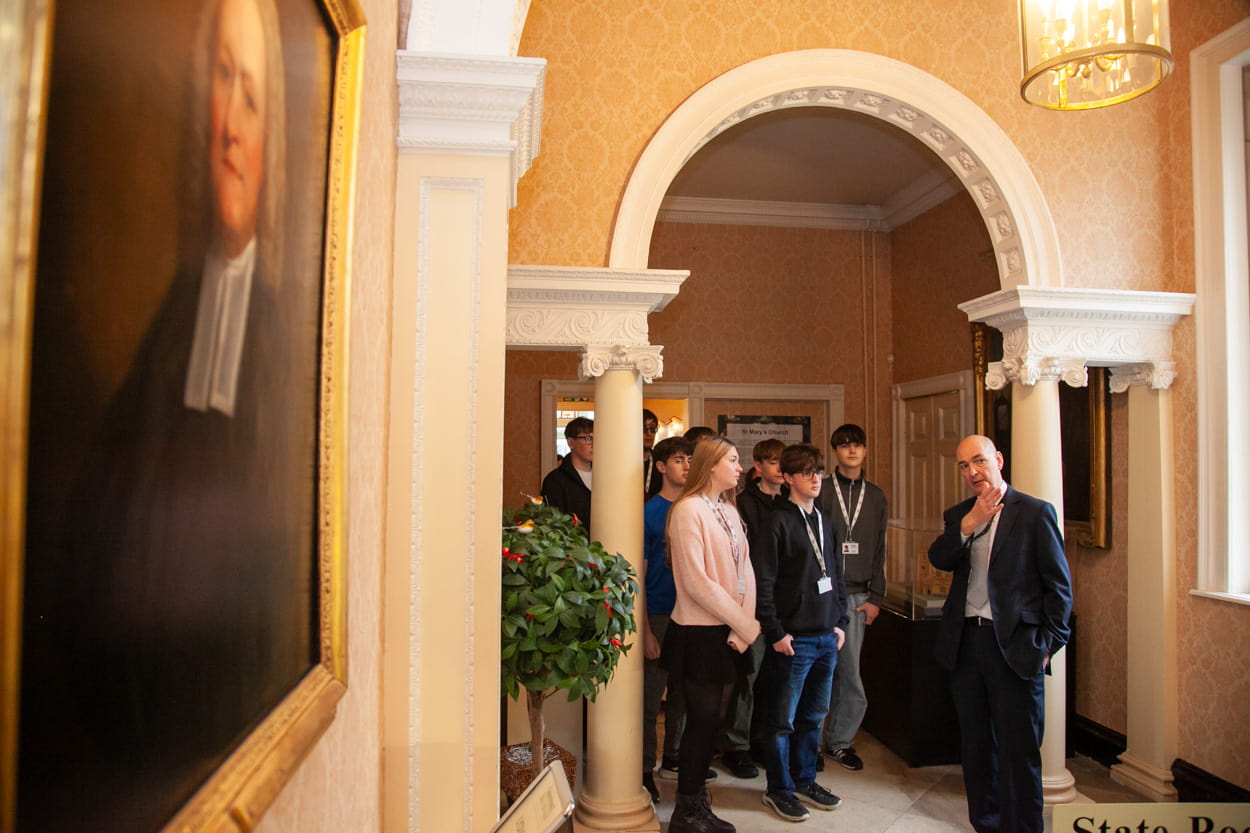
David Williams, Director of Inclusion, said the move addresses a wider question around opportunity and aspiration.
“A lot of pupils in Swindon have never had access to historic buildings. When they arrive at university, especially the older Russell Group institutions, it is often the first time they’ve set foot in a building like that. Yet this remarkable house is right next door.
“Young people are the next custodians. If we do not create that connection now, the passion and understanding these buildings need will not develop. This is about the right environment for learners, and it is the right thing for the building.”
He said some first-floor rooms still contain features added in the 1970s and 1980s that do not sit well with the historic architecture. The renovation would remove those additions and restore the original space.
Under the proposal, the council would fund the works upfront and the academy would repay the cost over a fifteen-year lease.
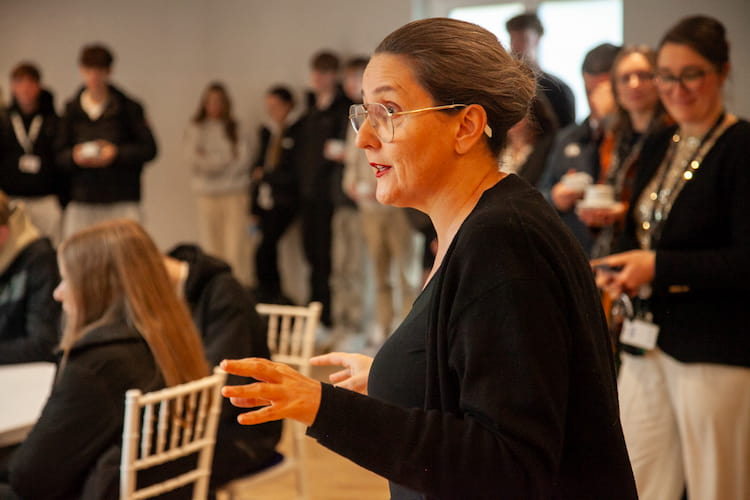
The most complex part of the process will be securing listed-building consent. Councillor Marina Strinkovsky, Cabinet Member for planning and placemaking, said she initially had concerns.
“I shared the same concerns the public will have. It is a heritage building. How do we protect it? How do we maintain public access?
“But having seen the plan, and especially having seen the young people here today, I am now fully behind it.”
She said the council’s planning service is working in a more collaborative way.
“It is not about making different decisions but making decisions differently. The planning team has already been working closely with the project manager, architects and consultants. Everybody is in the conversation from day one, which should help with pace.
“I am not underestimating the amount of work needed, but with everyone pulling in the same direction, I am optimistic we can reach the timeline set.”
A planning application is expected before Christmas.
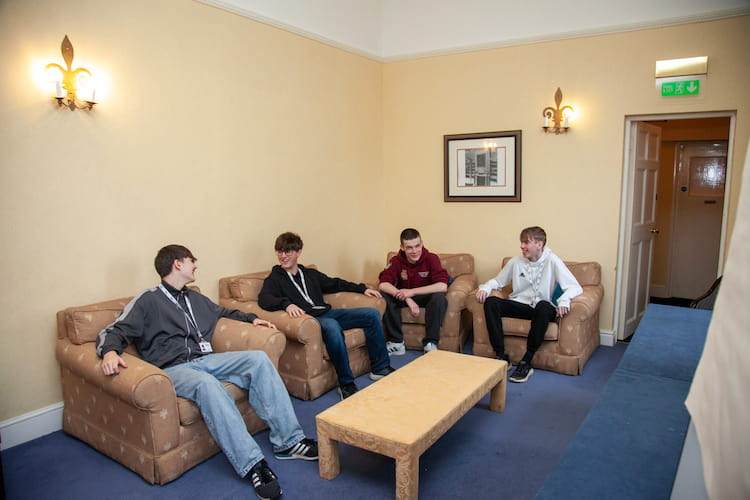
Students who toured the building today welcomed the proposals.
Evaeh Muskan, who studies business, economics, psychology and core maths, said:
“It is going to feel more independent. We can already see the potential. It will look very different once it is renovated, but being the first group to experience it is exciting.”
Maths, physics and photography student Harry Harnett said the current pressure on space is affecting learning.
“My maths class has moved around five different classrooms in one day. It is not viable for teachers or students. Having a consistent space here would support our studies and reduce overcrowding in the school. It also gives staff the space they need.”
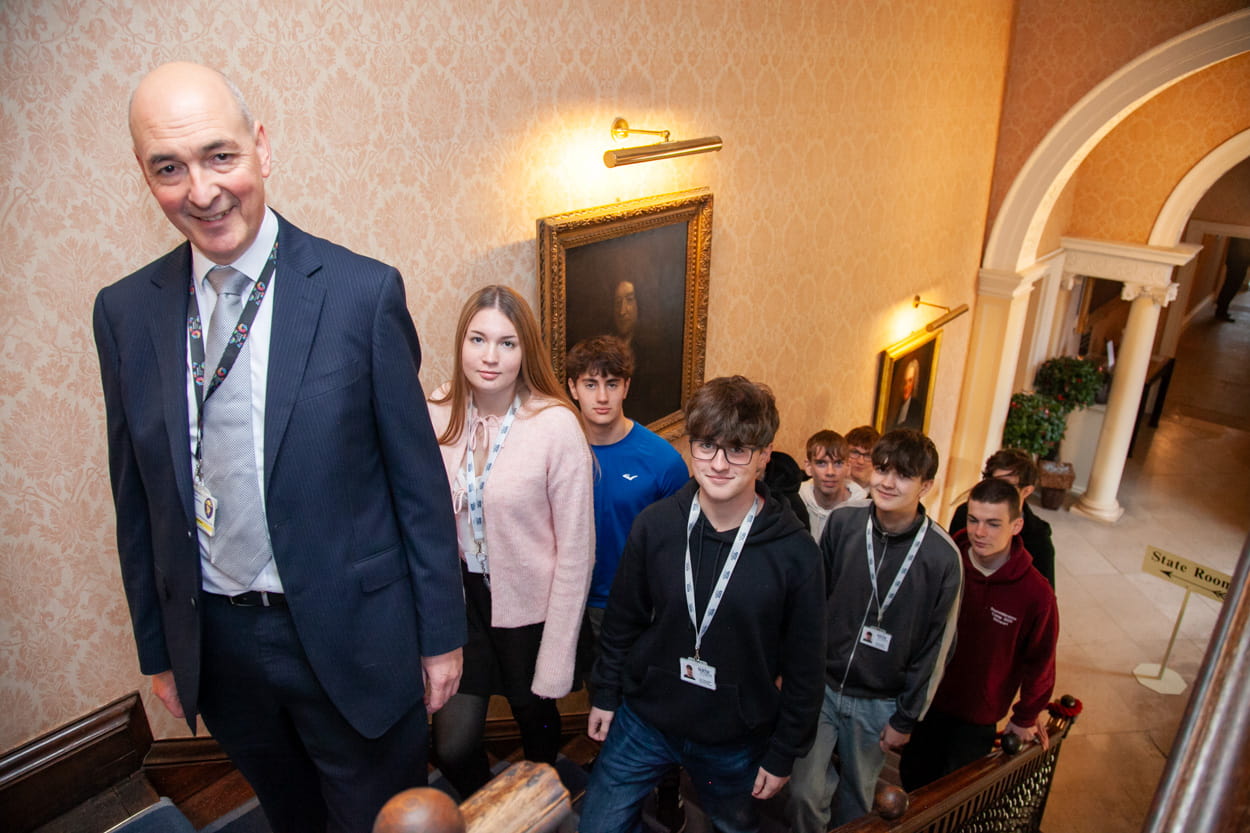
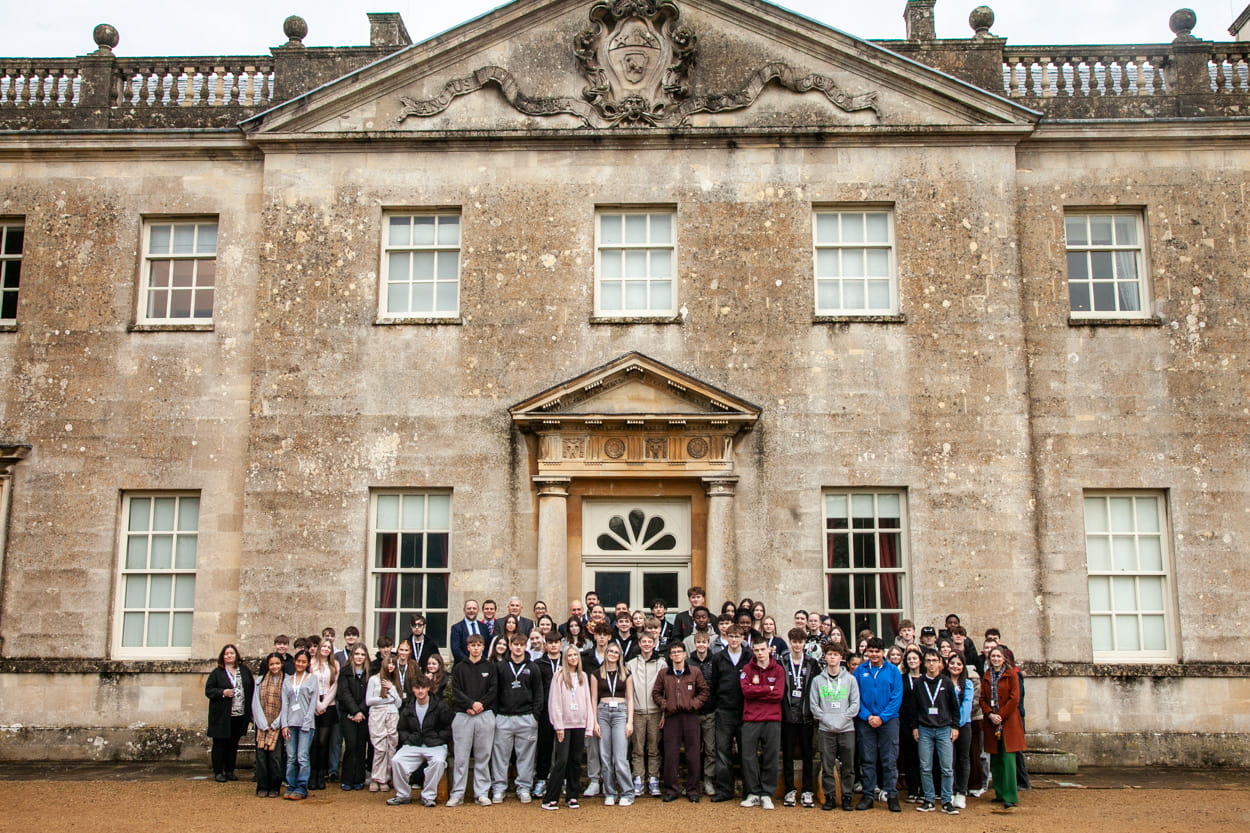
Lydiard House was bought by the council in 1943 with education and youth services in mind. The proposal would, if approved, revive that original purpose while keeping public access to the museum.
The first floor has been closed for many years. The project would bring it back into daily use, generate income through the lease and strengthen the building’s role in modern Swindon.











Ridulcous proposal. Where is the public consultation on this, the house and park were gifted to the people of Swindon, the Borough Council is merely it’s steward. Sitting Councillors seeking re-election in May should at the very least include this proposal in their manifesto. We also need undertakings that this proposal will not increase traffic in Hay Lane and Tregoze Way at school opening and closing times as it is already congested by parents collecting and delivering children to the Primary School. Where are students meant to go for refreshments and where do they go between classes. Finally there will need to be major works to provides electric points, computer terminals, extra toilets etc. this is a Grade One listed building which needs to be protected not knocked about because SBC are short of money. There are other buildings in the area that are suitable