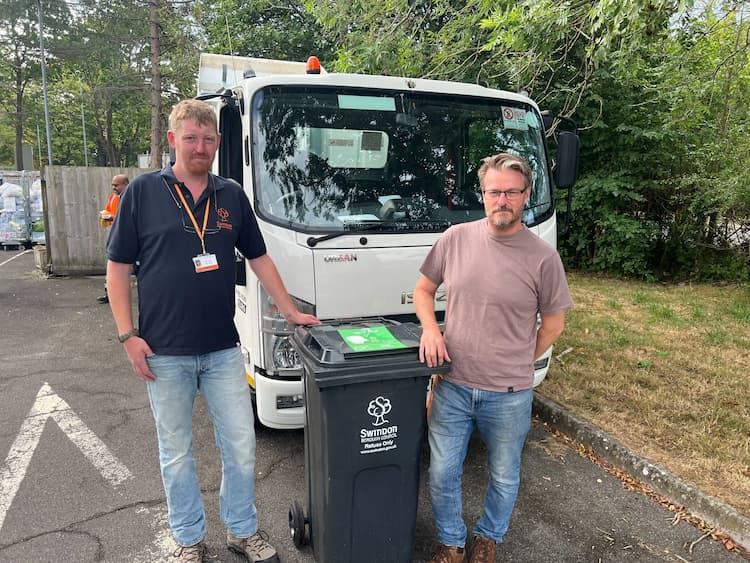

Swindon Borough Council first introduced weekly food waste collections to most residential properties in 2024. The programme was expanded in June 2025 to include flats across the borough, bringing the service in line with updated national guidance on recycling.
To prepare for the wider expansion, the council ran a pilot scheme involving around 500 flats to test how the system would work in larger and more complex housing blocks. The trial allowed the service to be refined before the full rollout, with council officers adapting the approach to suit multi-occupancy buildings.
Since food waste collections were introduced two years ago, residents have helped the council avoid more than £1.45m in potential waste disposal costs. More than £1m of those savings have come from preventing food waste from being sent for incineration.
All of the food waste collected is transported to the Codford Biogas anaerobic digestion facility, where it is processed into fertiliser forlocal farms and used to generate renewable energy in the form of biogas.
Councillor Chris Watts, Swindon Borough Council’s Cabinet Member for Environment and Transport, said the near-completion of the rollout was a significant milestone.
He said: “I would like to thank and recognise our officers whose incredible work means we have been able to deliver the full rollout to flats ahead of the national deadline. It is no easy feat and is something other councils have been struggling to meet.
“Every caddy filled is money saved and carbon cut and our residents are making a huge difference. This progress is thanks to residents in both houses and flats playing their part.
“The data shows that the food waste collection service we rolled out two years ago is delivering on our plan for a Greener Swindon, while saving money for local taxpayers. None of this would be possible without residents doing their bit every week.”
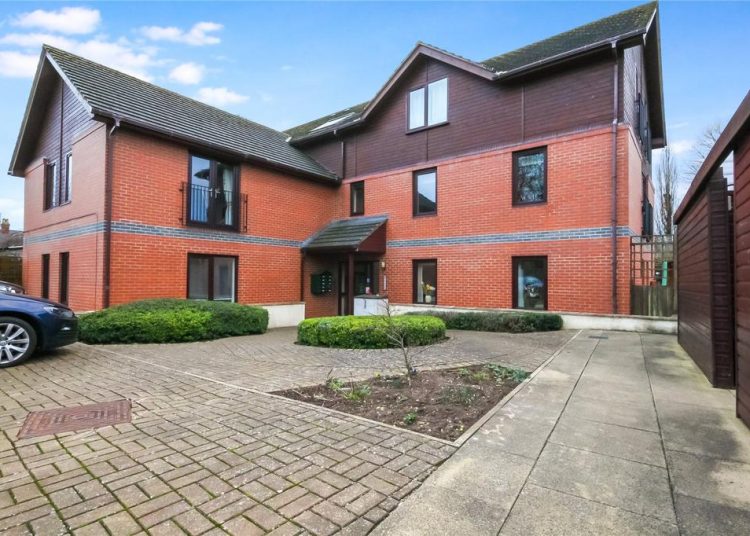
However, the council says more food waste still needs to be diverted from general rubbish.
Chris added: “Every tonne we divert to recycling saves more than £140 for local taxpayers, which is why I’m urging every household to make full use of the food waste service.
“Residents can recycle all cooked and uncooked food waste, from peelings and leftovers to meat, dairy and bread.”
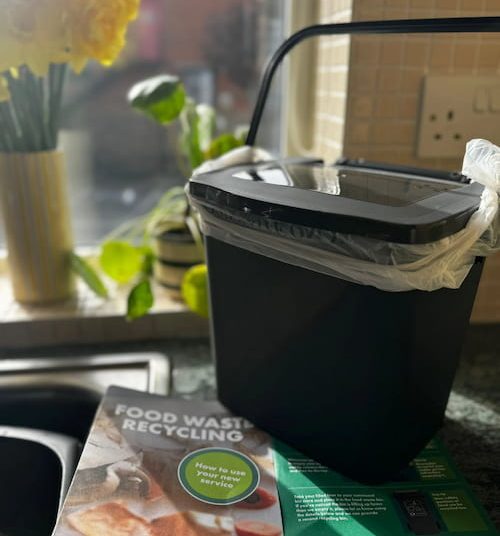
Residents who do not yet have a food waste caddy can order one through the council’s website, while the online Waste Wizard tool provides guidance on what items can be recycled.