
Sam Mowbray said recruiting more foster carers is Swindon Borough Council’s “number one challenge”, with a shortage of suitable local homes having significant consequences.
Ms Mowbray was speaking at a summer barbecue which brought together children in care, foster carers, social workers and council representatives. She said:
“Our number one challenge is finding more foster carers.
“We have 35 children who are in residential care who do not need to be in residential care and need to be with a family.
“But because we haven’t got enough families, they are in residential care often a long way from Swindon, which is absolutely not what we want.”
Asked whether the borough effectively needed 35 families to come forward, she replied:
“At least 35 families.”
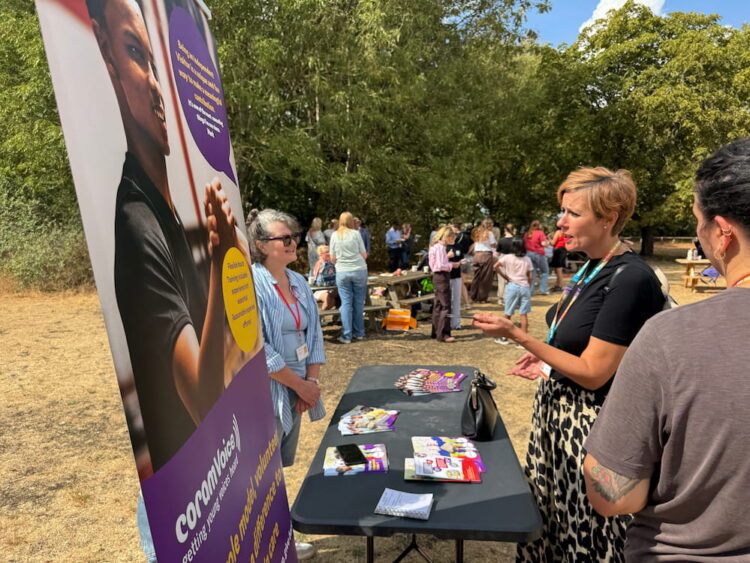
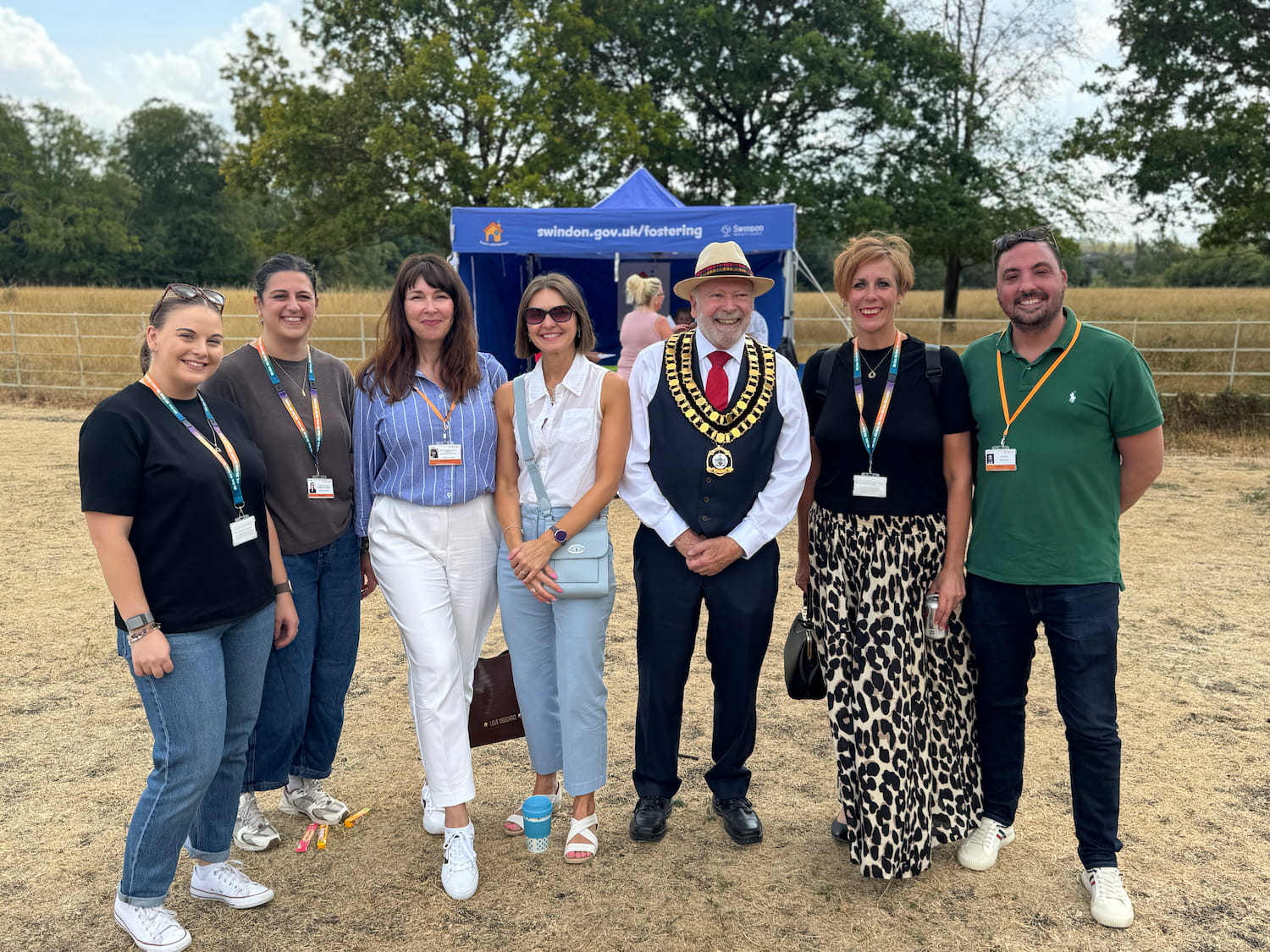
The event, held during the final week of the school summer holidays, featured food, music, entertainment and activities. It was designed to give children an opportunity to spend time with social workers and other professionals in a relaxed environment, away from assessments and statutory visits.
The shortage of foster carers has been a longstanding issue for the borough. Figures released by the council in February showed that, as of January, it was responsible for 346 children but had just 73 foster carers.
At the time, 130 Swindon children were living more than 20 miles from the borough, while 37% of children in care were placed outside Swindon because of the shortage of local carers. The council’s fostering service currently states that around 300 children and young people are in its care.
Ms Mowbray said placing children further away also means social workers are spending significant amounts of time travelling across the country to visit them. She said:
“It’s not just the money.
“Our social workers are not as productive as they could be because they’re travelling massive distances to see our children, and they will always do that, and that’s their job.
“But I really worry about how much they’re able to see the kids and how productive they can be.
“They’re spending a lot of their time on travel, going up and down the country to places where our children shouldn’t be.”
She added: “I always say the best thing for our kids is the cheapest thing for the council and the best thing for our social workers.
“So, genuinely, getting more foster carers is the number one thing we need to do as an organisation.”
There can also be a significant difference in the cost to the council between residential and foster placements.
Figures published by Swindon Borough Council in May showed a residential placement can cost up to £16,710 a week, compared with just over £1,100 a week for a foster placement. Residential costs vary depending on a child’s individual circumstances, meaning the maximum figure does not necessarily apply to any of the 35 children identified by Ms Mowbray.
Councillor James Head, chairman of the council’s corporate parenting subgroup, said recruiting more foster families is among its main priorities. He said:
“We are in need of more fostering for Swindon, so that’s one of our main challenges, trying to recruit foster families and foster parents for children.
“Unfortunately, we’re in a position where we have to send some of our children out of county to be cared for, and that’s not a position we want to be in.
“So we are pushing recruitment of foster families as one of our top priorities this year.”
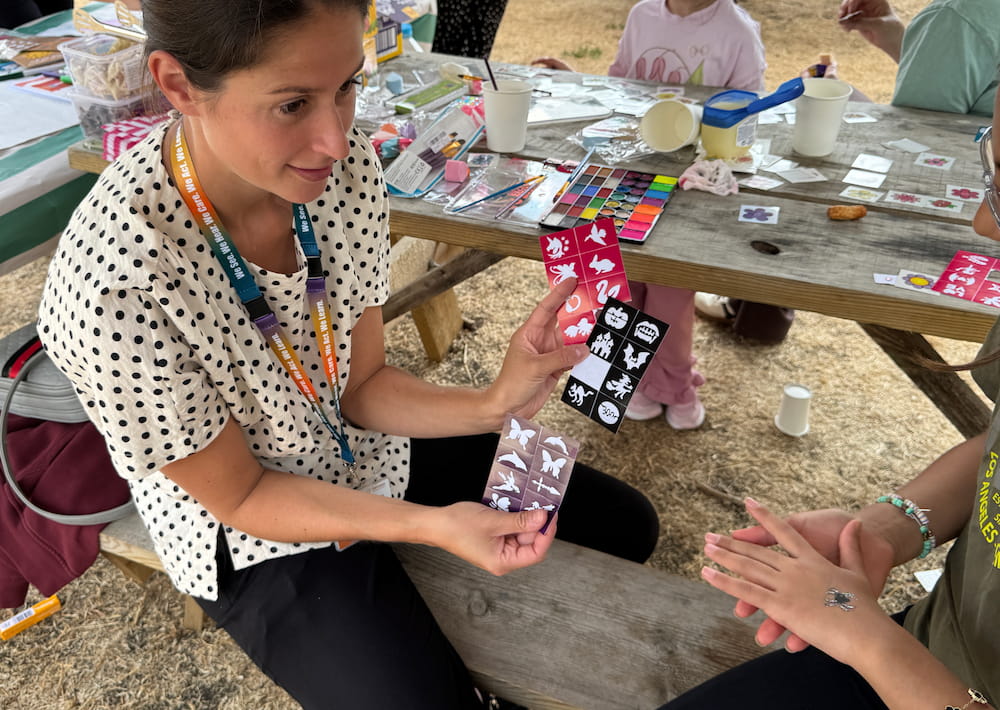
Cllr Head said the council needs to consider the overall support available to people who decide to foster. He said:
“So we need to look at the whole holistic aspect of foster family to see what we can do, but I think advertising it more.
“We don’t think we’ve done that enough in previous years, all the benefits that being a foster parent brings, as well as supporting foster parents, because we know it’s not an easy job.
“We need to have the right support mechanism in place to support those families once they’re signed up.”
Ms Mowbray also said the authority wants to address practical barriers which could prevent people from fostering. She said:
“We are going to do as much as we can to help you with accommodation, with extra bedrooms, with making sure you are massively supported if you do take the leap into foster care.”
Council fostering staff said misconceptions surrounding eligibility can also discourage potential carers from making an enquiry.
Mariana, from the council’s fostering recruitment and retention team, said:
“If you are thinking about becoming a foster carer, come and speak to us. Find out more, because there are lots of myths around what you can and can’t do with being a foster carer.
“What we find is when people actually speak to us, the things that they think may be an issue, whether that be renting a house, their age or a condition, often are not an issue at all.
“That barrier is taken away and it gives us the opportunity to then discuss it further with them to understand whether now is the right time for them to foster.”
Prospective carers must be aged at least 21, although there is no upper age limit, and need a spare bedroom. People do not have to own their home to become foster carers and must be fit and healthy enough to meet the needs of a child. Eliza Marland, Principal Social Worker at Swindon Borough Council, said there is an ongoing need for foster carers and social workers. She said:
“Absolutely, there is always a need for more foster carers and social workers, and that’s not different to any other local authority across the UK.
“But we are doing our best to try to attract as many people to foster our children because that’s the best option for them if they can’t be with their birth families.”
The council says foster carers receive training, support groups, access to other local carers and out-of-hours assistance from children’s services.
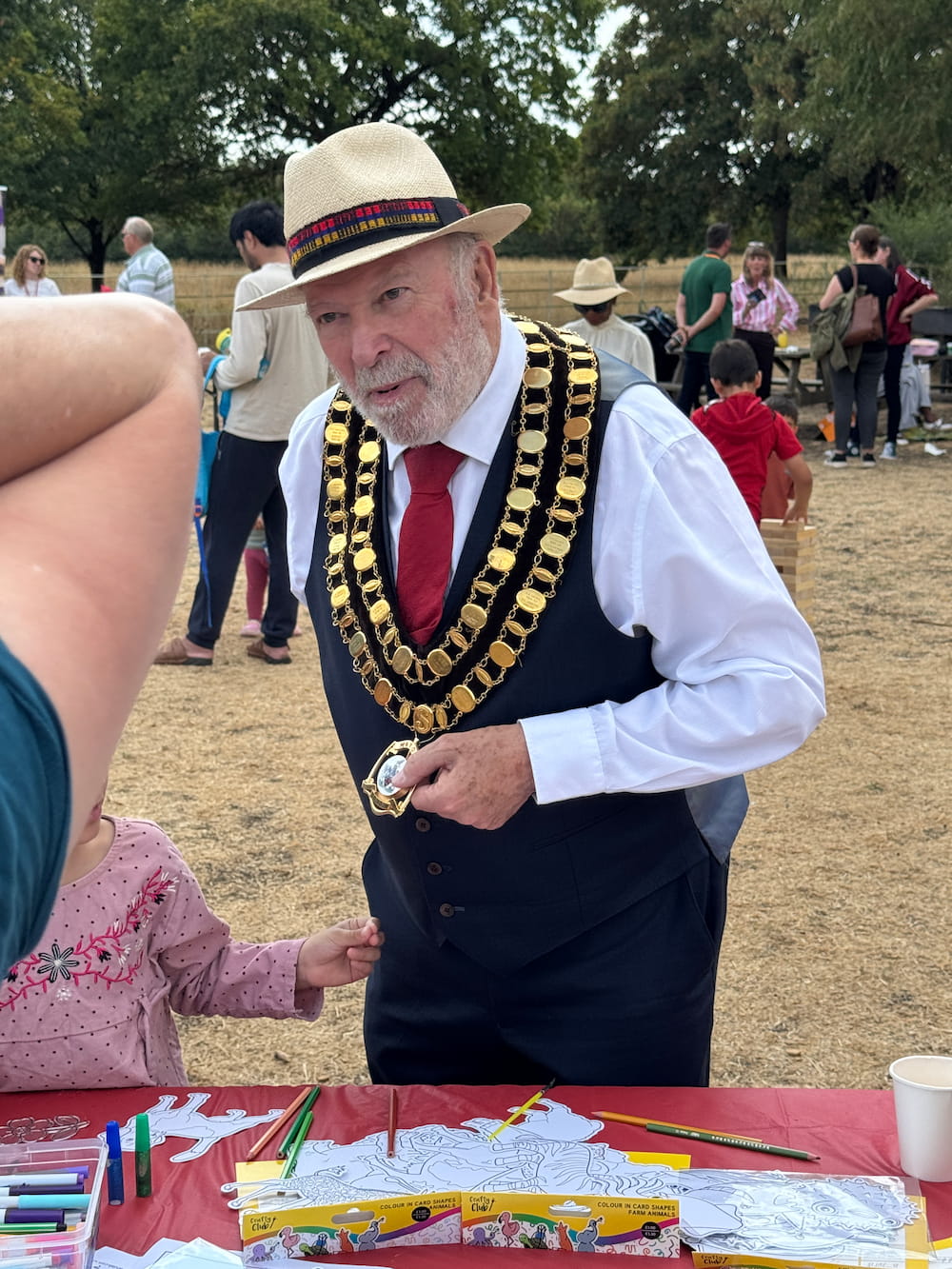
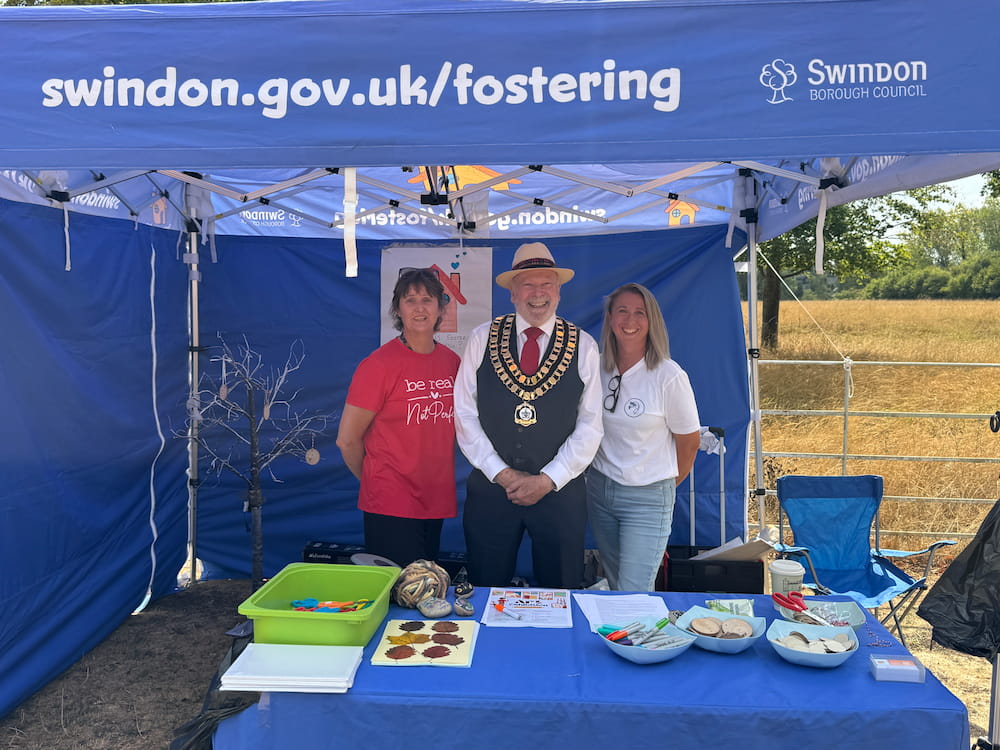
Mayor of Swindon Councillor Neil Hopkins, who sits on the fostering panel, described foster carers as “absolute heroes”. He said:
“They take on cases and situations that many of us as parents would not even have considered we were capable of doing, and it does have an impact on the wider family.”
Cllr Hopkins said connections between foster carers can prove particularly important when families experience difficulties. He said:
“We found on the fostering panel that it’s often the support from other foster carers who’ve been through situations that actually helps when things get difficult.
“That helps foster carers actually find their way through that initial difficulty and stay and be long-term foster carers.”
He added:
“When you’ve been in care, you lose a lot of the connections in your life.
“So to actually have the young people gaining connections with other young people in a similar situation, or within fostering families, that’s really important.”
Ms Mowbray urged anyone considering becoming a foster carer to contact the council.
People interested in fostering with Swindon Borough Council can call its fostering team on 07917 503447, check out their fostering site or email [email protected]