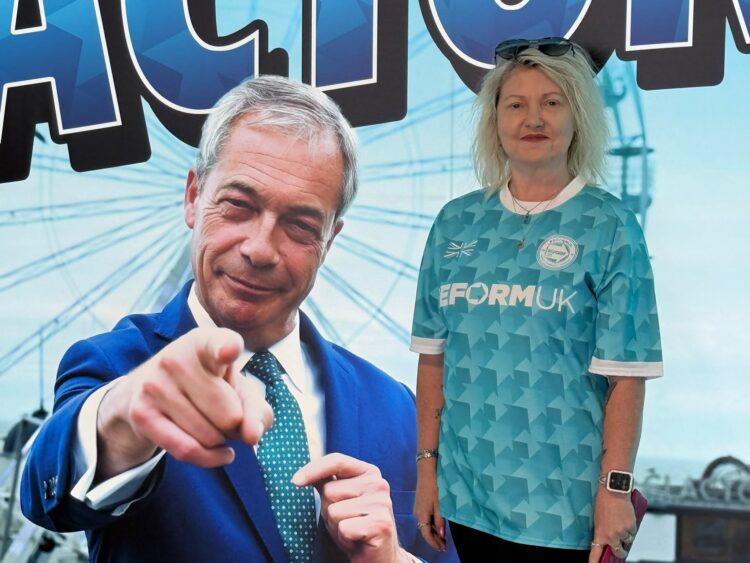

Sara Godwin spent Saturday campaigning alongside Reform activists after Nigel Farage appealed to supporters from across the country to help secure victory in the Essex constituency.
The mobilisation comes just weeks after Farage voluntarily resigned as MP for Clacton, triggering the by-election so voters could, in his words, “let the people decide” while he faces ongoing scrutiny over allegations relating to undeclared financial support.
Instead of becoming the straightforward public endorsement Farage had hoped for, the campaign has taken an unexpected turn.
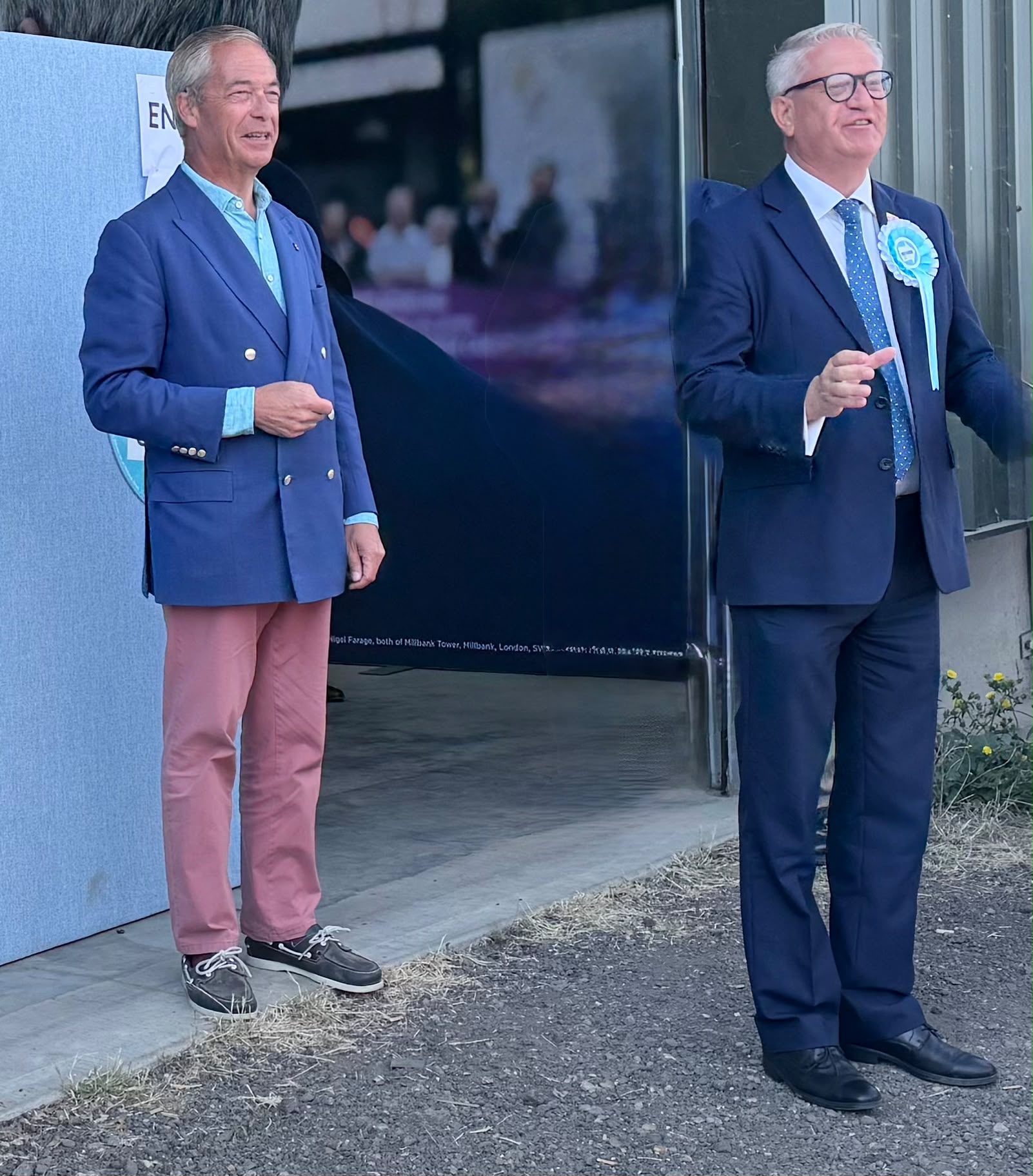
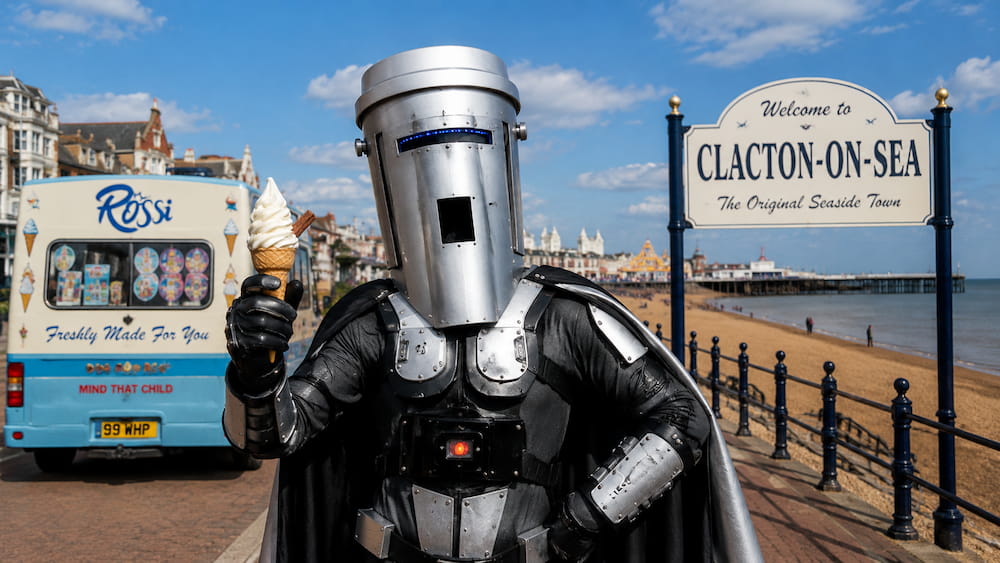
With Labour, the Conservatives, Liberal Democrats, Restore Britain and Greens all refusing to stand candidates, the contest has become dominated by a field of 34 candidates, the vast majority independents or representing smaller parties. Count Binface has emerged as Farage’s most prominent challenger, turning what was intended to be a referendum on Farage into one of the strangest elections in modern British politics.

Adding to the pressure, a recent Ipsos survey found that 33% of British adults said they would rather see Count Binface win the by-election than Nigel Farage, who was chosen by 21%. The poll measured opinion across Britain rather than voting intention among Clacton residents, but it highlighted the reputational risk facing the Reform leader.
An informal Swindon24 poll reached a similar conclusion, with 59.4% of respondents backing Count Binface compared with 35.9% supporting Farage.

Neither poll predicts the outcome in Clacton itself. Farage remains widely expected to retain the seat. However, the national conversation has shifted dramatically.
Rather than asking whether he will win, many are now asking what it would mean if he failed.
Godwin has previously told Swindon24 she believes the decision by the main Westminster parties not to contest the by-election has strengthened Farage’s argument that his opponents were unwilling to challenge him directly.
“It bothers me in one respect, and that’s the whole democracy side of it. People can attack and say, ‘Nigel, you shouldn’t be here’, and then actually they won’t then stand and do battle as such, so that bothers me.”
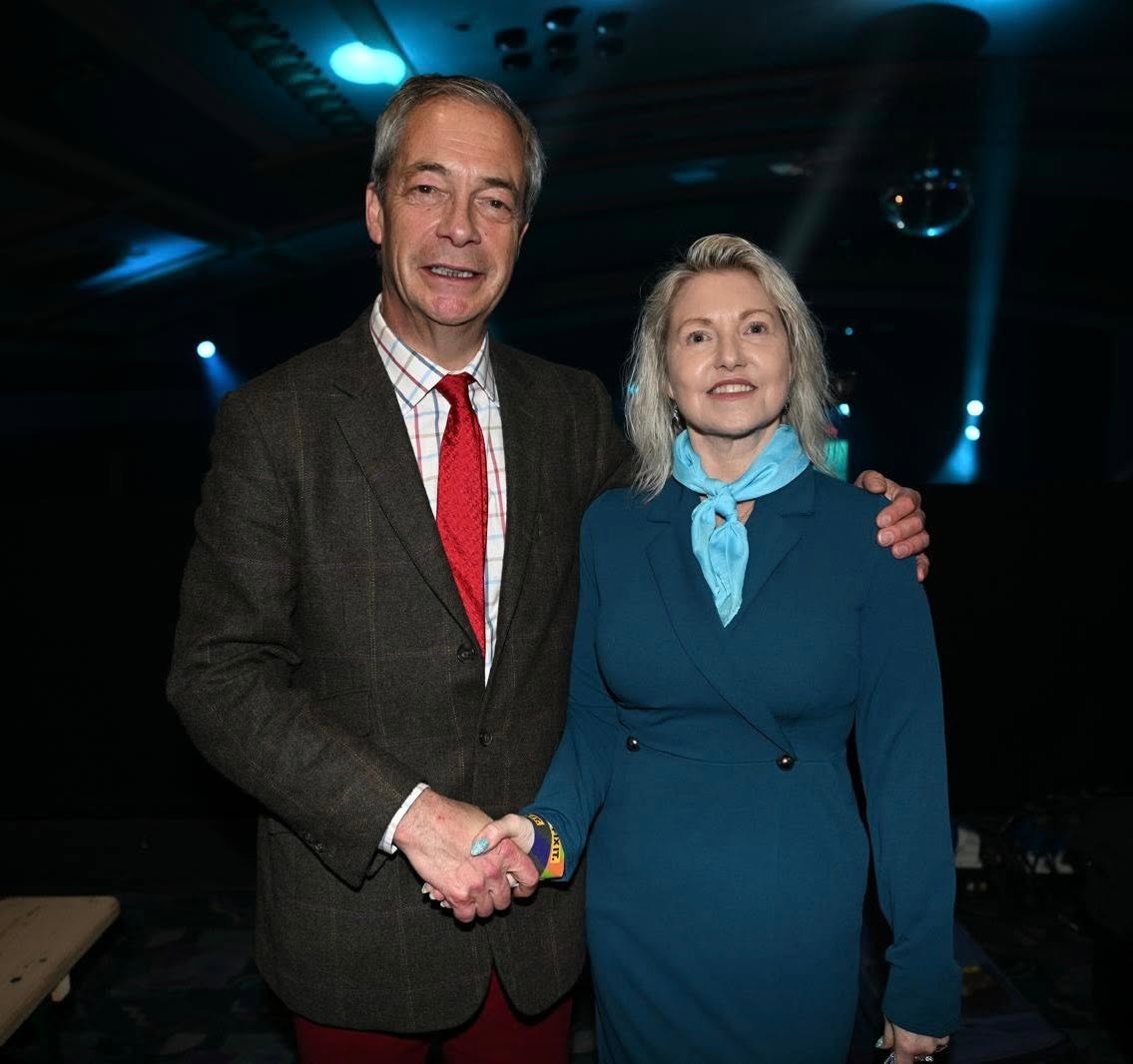
She also questioned why parties that have spent years criticising Farage had declined to fight the seat.
“I really do think that I just wonder why actually the Conservatives, Labour, Libs aren’t going to put people forward when they’ve known so much about Nigel.”
Godwin argued that even a victory over Count Binface would still achieve the purpose Farage set out when he resigned.
“You’ve had your chance to go up against me and get rid of me like you want to. Let’s just get on with what we need to get on with.”
Yet Reform’s decision to bring campaigners into Clacton from around the country underlines how seriously the party is treating the contest.
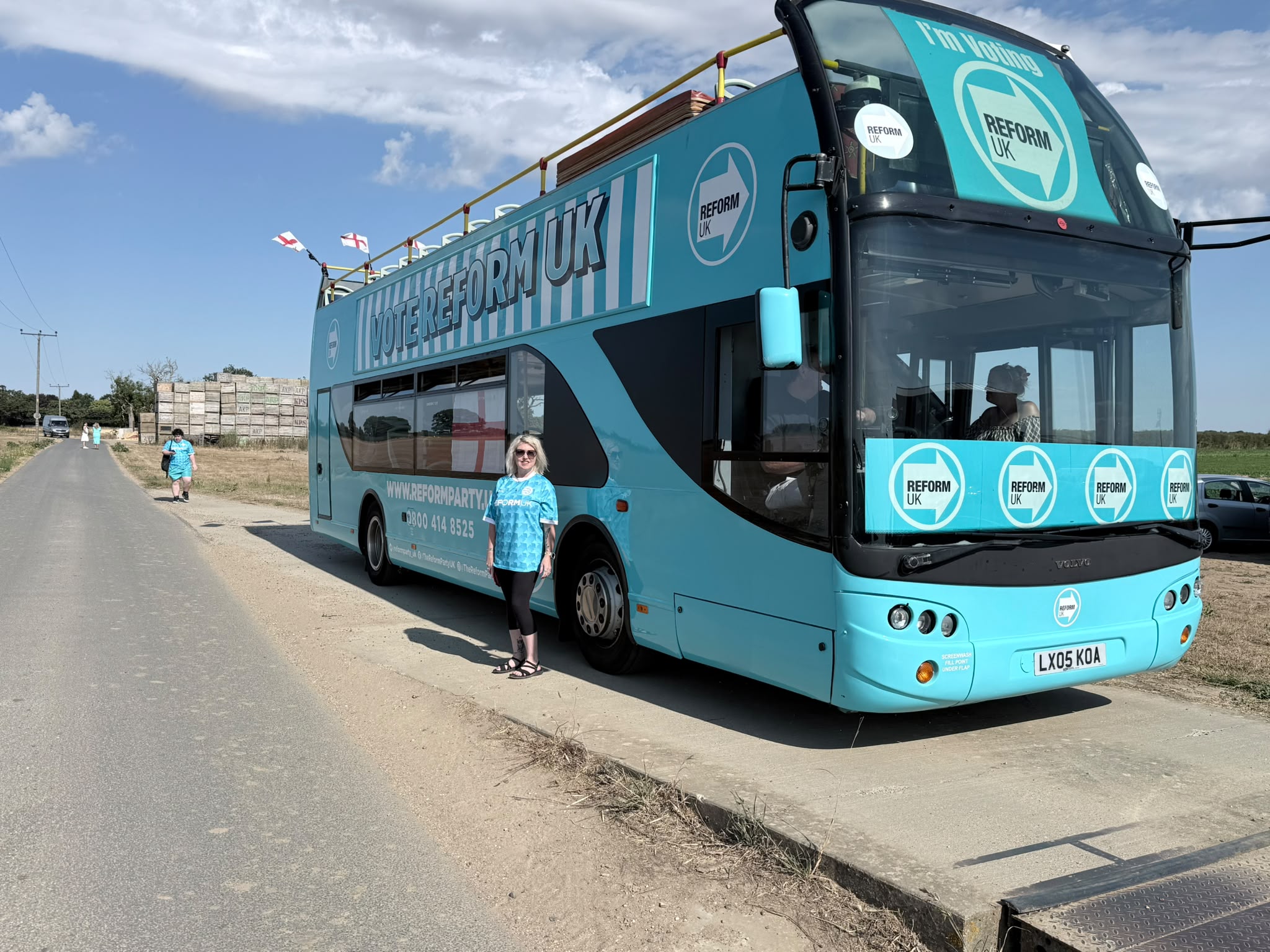
For most political parties, deploying activists into a key by-election is routine. But this is no ordinary by-election. It was called by Farage himself to seek a renewed public mandate.
Now, with Britain’s best-known satirical candidate dominating headlines and attracting surprising levels of public support outside Essex, Reform has launched a nationwide campaign effort to secure the result it believes should never have been in doubt.
Whether that reflects caution, good campaign organisation or concern about the political consequences of anything less than a convincing victory, one thing is clear.
A by-election that began as Nigel Farage asking the people of Clacton to judge him has become a contest in which Reform activists from across Britain are travelling to Essex to help him defeat a man wearing a bin on his head.