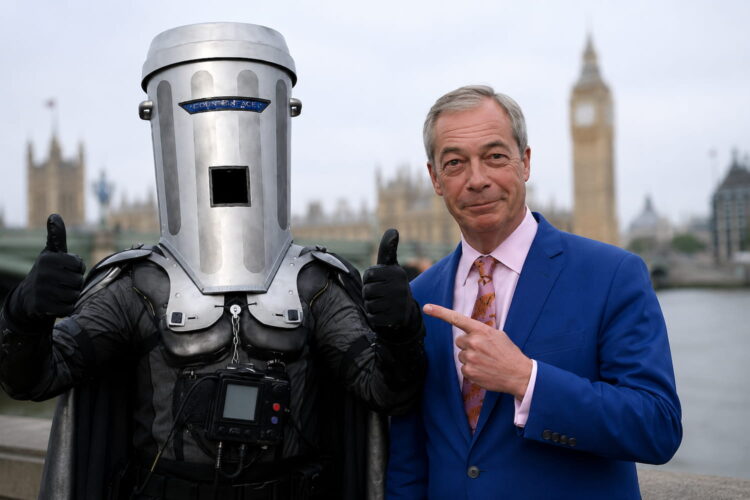

Nigel Farage resigned as the Member of Parliament for Clacton believing he could transform growing scrutiny over his financial affairs into a public vote of confidence. Instead of walking into the political contest he appeared to want, however, he now finds himself in the unusual position of potentially fighting one of Britain’s best-known satirical candidates after almost every established political party decided not to take part.
That creates a political spectacle that almost nobody could have predicted when Farage stood in front of the cameras earlier in the day.
His resignation was presented as an appeal to the electorate over the Parliamentary Standards investigation into a reported £5 million gift from cryptocurrency billionaire Christopher Harborne, together with separate questions surrounding support provided by long-time associate George Cottrell. Farage denies wrongdoing and argues that he complied fully with Parliament’s rules after taking legal advice. Rather than waiting for the investigation to conclude, he said it should be the people of Clacton who decide whether they still have confidence in him.
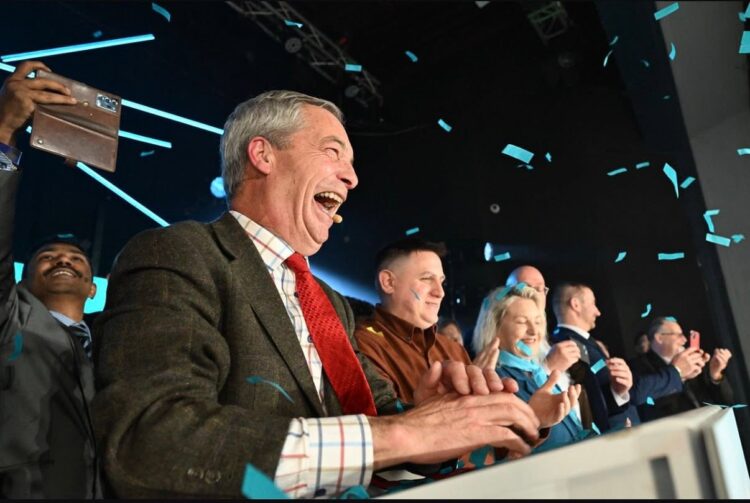
Yet the response from his political opponents has been to deny him the straightforward electoral contest he appeared to be seeking.
There is no evidence that the parties have coordinated their decisions, and each has offered its own explanation for staying away. Taken together, though, the effect is unmistakable. Rather than turning the by-election into a battle between Reform UK and the rest of the political establishment, they have chosen not to validate the contest at all.
Whether that calculation proves successful will depend less on the final result than on how voters respond.
Into that vacuum steps Count Binface, a character who has become an increasingly familiar feature of British elections over the past decade. What began as a parody candidate has evolved into something more interesting, with campaigns that mix deliberately absurd promises with pointed observations about modern politics. Previous manifestos have included pledges to nationalise Adele, return Ceefax to television screens and cap the price of croissants, while also encouraging greater political engagement and poking fun at the increasingly theatrical nature of election campaigns.
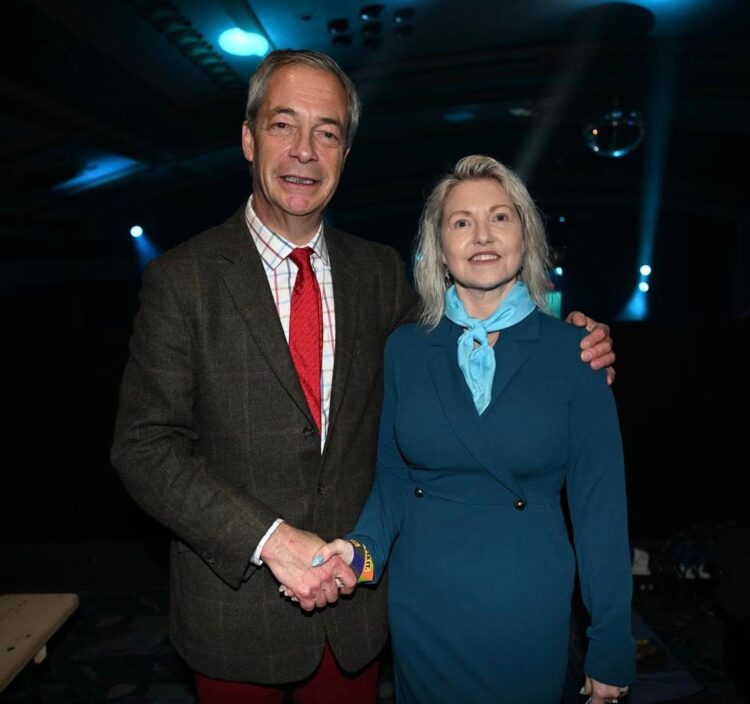
There is an irony in that. Count Binface exists to lampoon political spectacle, yet he may now become the most visible opponent in a by-election that many critics already describe as a political performance rather than a genuine electoral contest.
For observers in Swindon, where Reform UK won 14 seats at May’s borough council elections and Restore Britain has begun building its own local support base, the political significance extends well beyond Essex.
The question is no longer simply whether Farage will win. It is whether a victory achieved against a ballot paper containing Count Binface, but none of Britain’s major political parties, delivers the endorsement he set out to obtain.