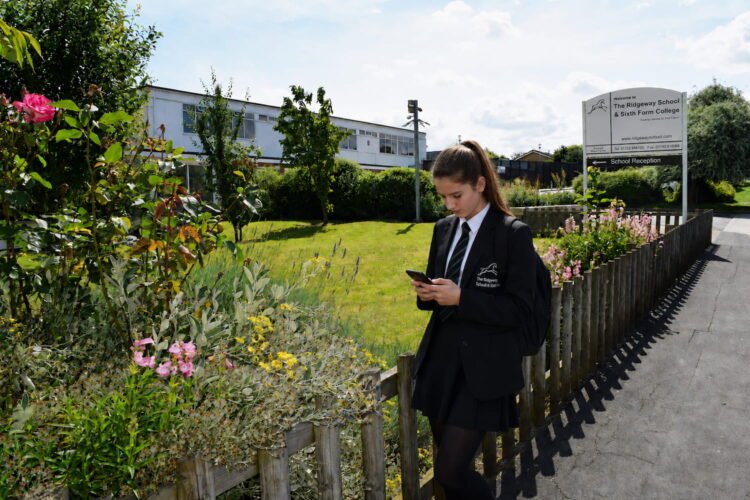

Calls for tougher restrictions on social media use among young people have reignited debate across the UK, with concerns over mental health, cyberbullying, harmful content and addictive platform features prompting questions over whether children should have access to social media at all.
According to NHS data, around one in five children and young people aged 8 to 25 in England have a probable mental health condition. Researchers and charities have also raised concerns about the impact of excessive social media use, including negative self-comparison, body image pressures and online abuse.
Zoe Smith, assistant head teacher and member of the student leadership team at The Ridgeway School and Sixth Form, said social media could be positive in its “purest form”, particularly by helping teenagers stay connected with friends.

However, she said the problem is that online conflict can become impossible to escape.
“You have a falling out with someone at school, it doesn’t just stay in school now, it comes home, it’s inside your house, it’s inside your bedroom,” she said.
“Group chats can be weapons of mass destruction. Sometimes people are very bold with what they say online and say things they would never say in real life.”
Mrs Smith also said many young people are under pressure to seek validation online.
“There’s always going to be somebody who has a better life on social media, a bigger car, nicer house, better holidays or more money.
“We can deceive ourselves into thinking everyone else has these perfect lives, but that’s not the reality at all.”
Asked whether she supported a ban for under-16s, Mrs Smith said:
“One hundred per cent. I didn’t have social media until I was 20 and I don’t feel disadvantaged by it. I actually feel grateful that I grew up in a time when it wasn’t around.”
But several students disagreed, arguing that social media can provide education, support and access to information.
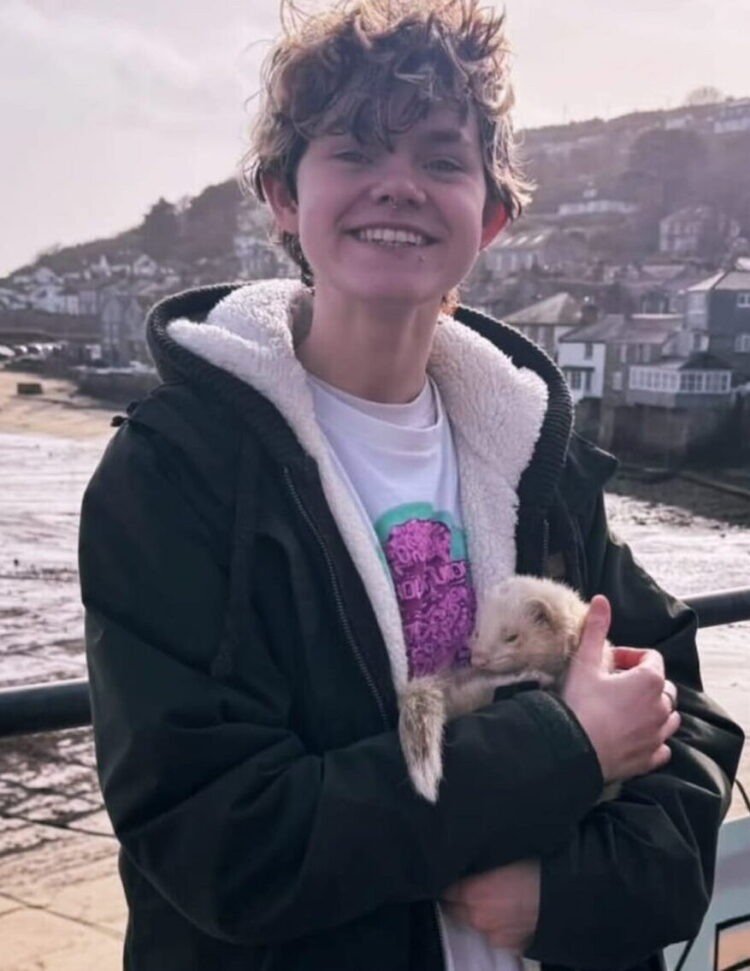
Darcy Middleton said:
“I don’t think a ban is the answer. Social media gives students access to educational resources that some people might not otherwise be able to afford.
“For LGBTQ+ young people it can provide an important support network, and many neurodivergent children use social media to learn more about their conditions and connect with others who have similar experiences.
“I’m also concerned that if young people find ways around a ban, they may be less likely to report issues such as grooming because they know they weren’t supposed to be on the platform in the first place.”
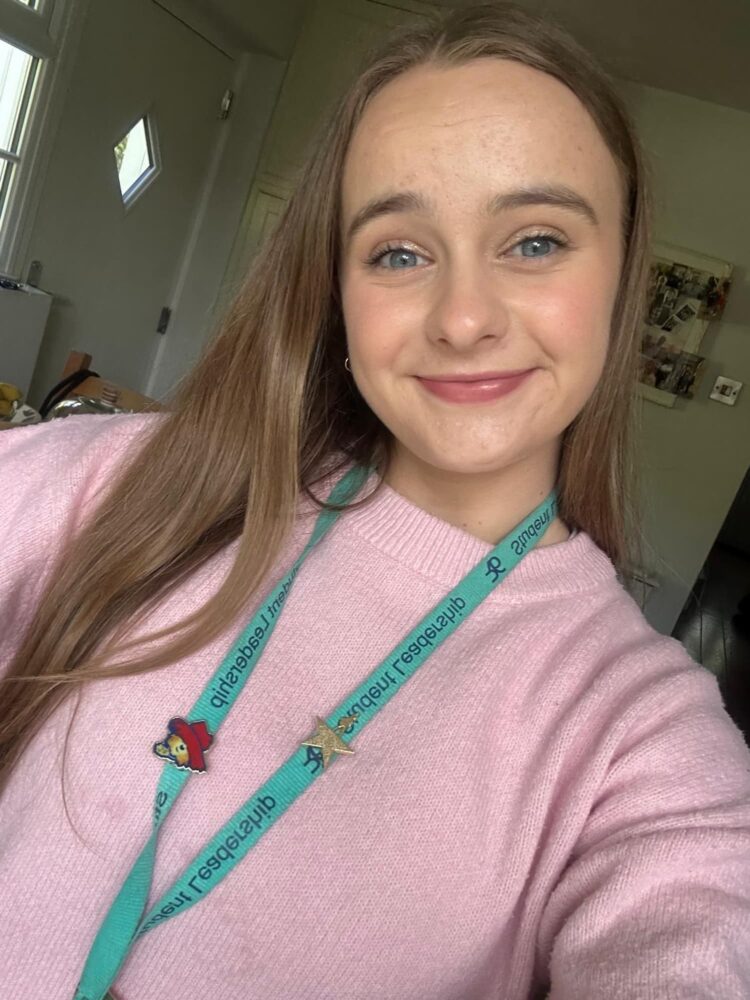
Fellow student Gracie Martin said social media had provided far more benefits than drawbacks in her own experience.
“I genuinely have learnt way more and gained more things from social media than it has ever impacted me negatively,” she said.
“It raises awareness about things I would otherwise know nothing about and creators on TikTok helped me in my science GCSE and even my driving theory test.
“Social media has also been very valuable for looking into options for further education, especially as open days aren’t always the most accessible.”
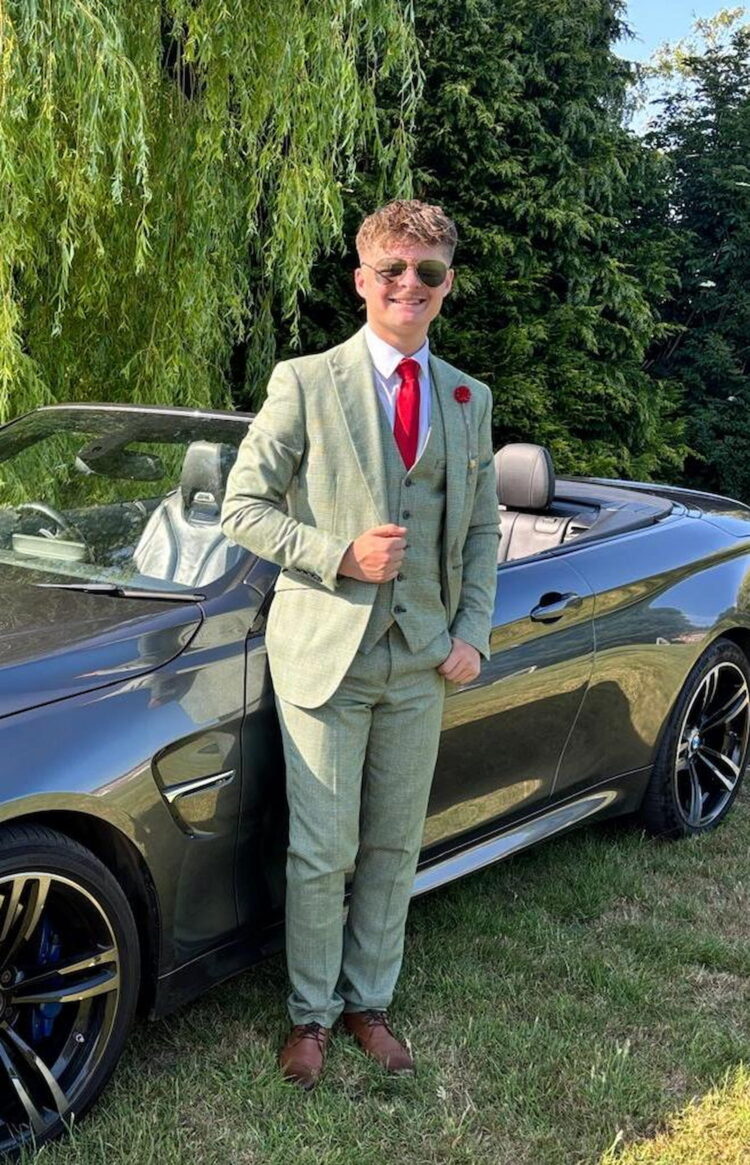
Joel McBurnie took a more balanced view, arguing that stronger regulation may be more effective than an outright ban.
“I think there needs to be stronger regulations on children having full access to the internet, such as gore or pornography, because interaction with that sort of thing is much easier to access than people think,” he said.
He also raised concerns about the impact of short-form content on young people’s attention spans.
Parent Catherine Kirigo supports the principle of a ban, but said enforcement could prove difficult.
“As a mother, I fully support a social media ban for under-16s and believe it should have been introduced much sooner,” she said.
“Social media exposes young people to harmful content, cyberbullying and addictive behaviours at a time when they are still developing emotionally and mentally.
“However, I do question how such a ban can be effectively enforced, as many young people can easily falsify their age when creating accounts.”
Another parent, Shanela Azam, also backed restrictions on social media use for younger teenagers.
“While there’s some good in social media, there’s also a lot of negative information that’s shared with children,” she said.
“I don’t think kids are safe on social media. It’s good to keep in touch with your friends, but there are a lot of people on there that can’t be trusted.”
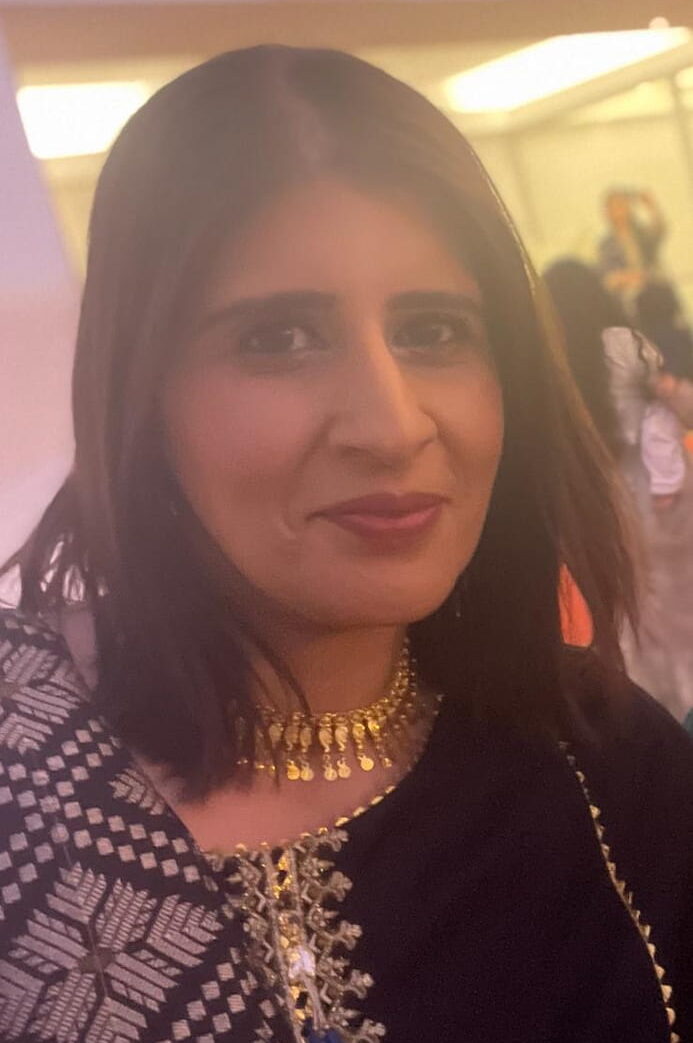
Mrs Azam said she would like to see young people spending more time away from screens.
“It’s important to pick up a book, go outside, play, develop a hobby or learn a new skill. I think children need more of that.”
Like Catherine Kirigo, she questioned how effective any ban would be in practice.
“I think kids will still find a way around it. People will lie about their ages and that’s been happening for years.
“Ultimately, it’s up to parents, teachers and young people themselves. Education and monitoring have to be part of the solution too.”
The debate has also raised questions about the responsibility of social media companies themselves. Critics argue that governments would not be considering bans if technology firms had done more to tackle harmful content, cyberbullying and addictive platform features.
While major platforms have introduced safety tools and moderation systems in recent years, concerns about the impact of social media on young people continue to persist.
While many parents and teachers believe stronger restrictions are needed to protect young people from harmful content and online pressures, students interviewed by Swindon24 argued that social media can provide valuable educational opportunities, support networks and access to information.
The debate highlights a broader question facing policymakers, parents and technology companies alike: whether the answer lies in banning young people from social media, or making social media safer for young people in the first place.