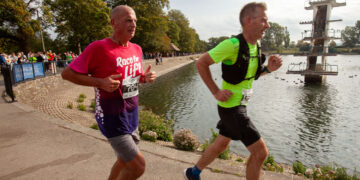

Steve Rouse and Marisa Zoeller, who run Wroughton Body Balance, have returned from a two-week trek to the European Parliament and will next weekend lead thousands of campaigners into Parliament Square as part of the National Rejoin March, timed to coincide with the tenth anniversary of the Brexit referendum.
The former professional dancers completed the “Rejoin Ramble” alongside campaign founder Peter Corr, a former soldier, Clare Hall and Ceíra Casey Sergeant, walking around 20 miles a day through Britain, France and Belgium while carrying 12kg rucksacks.
The physical challenge was significant. Steve, who turns 68 this month, has undergone a double hip replacement. Both he and Marisa are living with knees that have no cartilage following injuries sustained during their dance careers, yet the couple say the journey was about more than endurance.
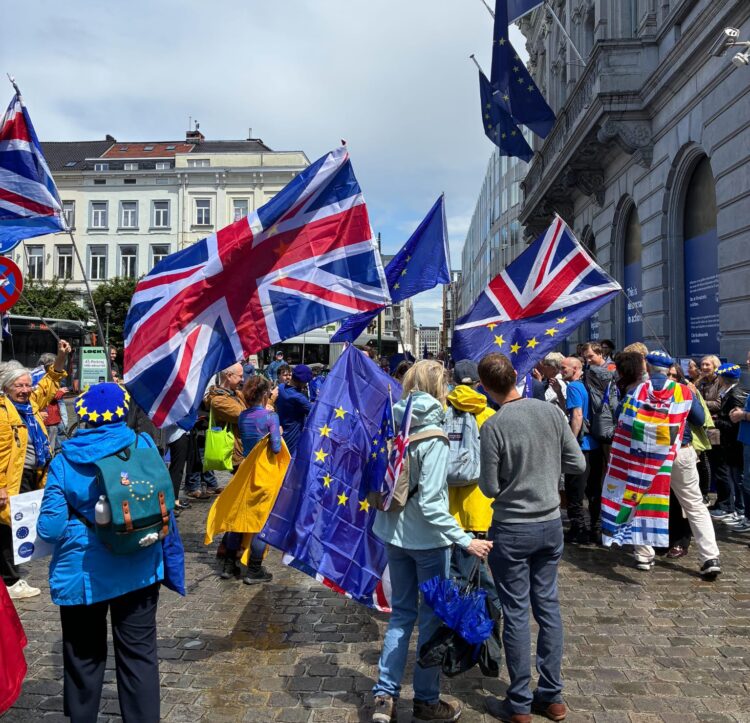
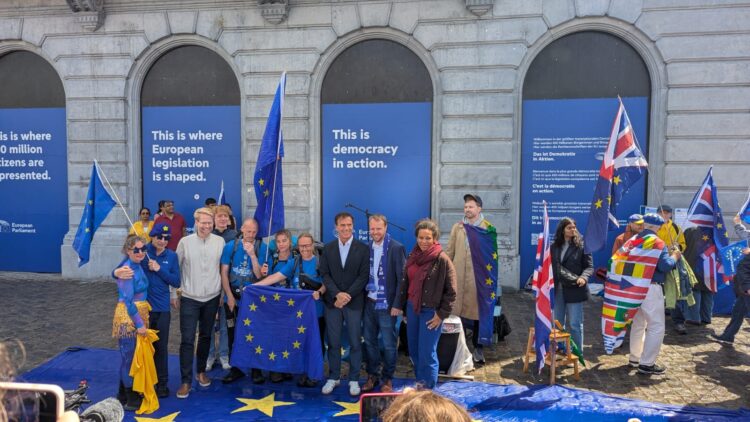
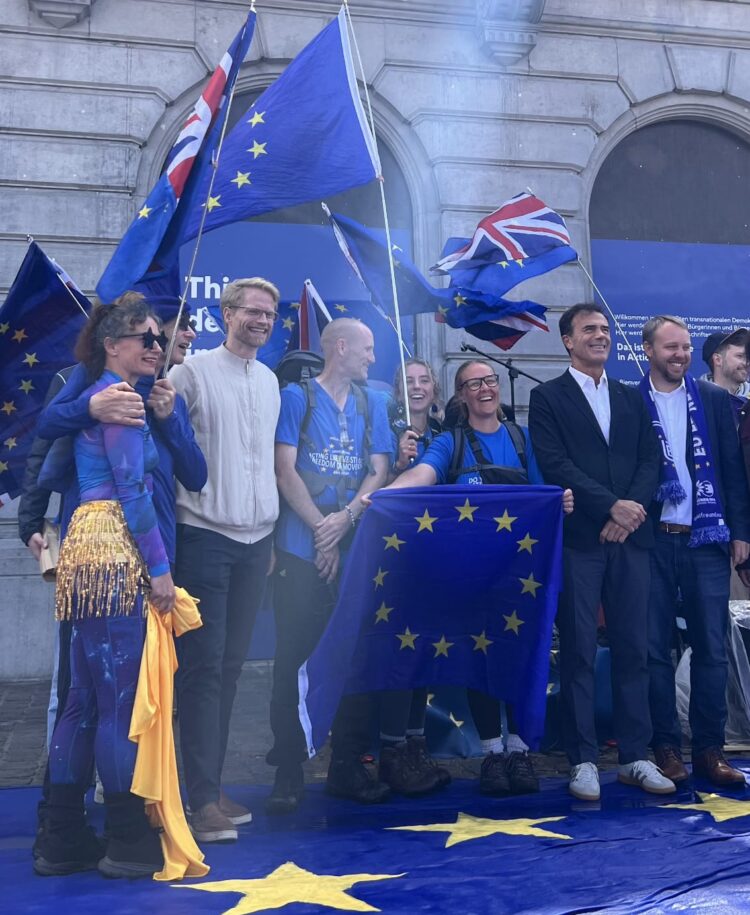
The group were greeted by a number of Members of the European Parliament, including Sandro Gozi, chair of the European Parliament’s delegation for relations with the UK, who travelled from Strasbourg to meet the walkers.
Their arrival attracted international attention, with coverage from German television, French media, Brussels-based publications and Britain’s New Statesman magazine.
For many years, calls for Britain to rejoin the European Union were largely confined to campaign groups and political activists. But as the country approaches the tenth anniversary of the 2016 referendum, that debate is beginning to move closer to the political mainstream.
Former Health Secretary Wes Streeting recently described Brexit as a “catastrophic mistake” and said Britain should eventually return to the European Union, while Greater Manchester Mayor Andy Burnham has also spoken about a long-term case for rejoining. Their interventions have reopened a debate that Labour’s leadership had largely sought to avoid.
The shift comes against a backdrop of growing concern about Britain’s economic performance, trade barriers and international influence since leaving the bloc. Polling cited by several analysts now suggests a majority of voters support either closer ties with the EU or eventual re-entry.
However, even among politicians advocating closer integration, there is recognition that rejoining remains a distant prospect. Ministers continue to rule out returning to the single market or customs union, instead focusing on improving cooperation with European partners.
Defence has become one of the areas where that cooperation is increasingly important. Russia’s invasion of Ukraine, concerns about long-term American commitment to European security and growing pressure on NATO members to increase defence spending have pushed Britain and European nations into closer collaboration. Recent negotiations between London and Brussels have focused heavily on defence, security and industrial cooperation.

The issue has particular relevance for Swindon. The town has spent recent years positioning itself as a growing centre for defence technology and drone development, with new investment announcements and expanding defence-sector activity. At the same time, the Government is wrestling with an estimated multi-billion-pound gap in future defence spending plans, highlighting how intertwined Britain’s security and industrial future has become with its European allies.
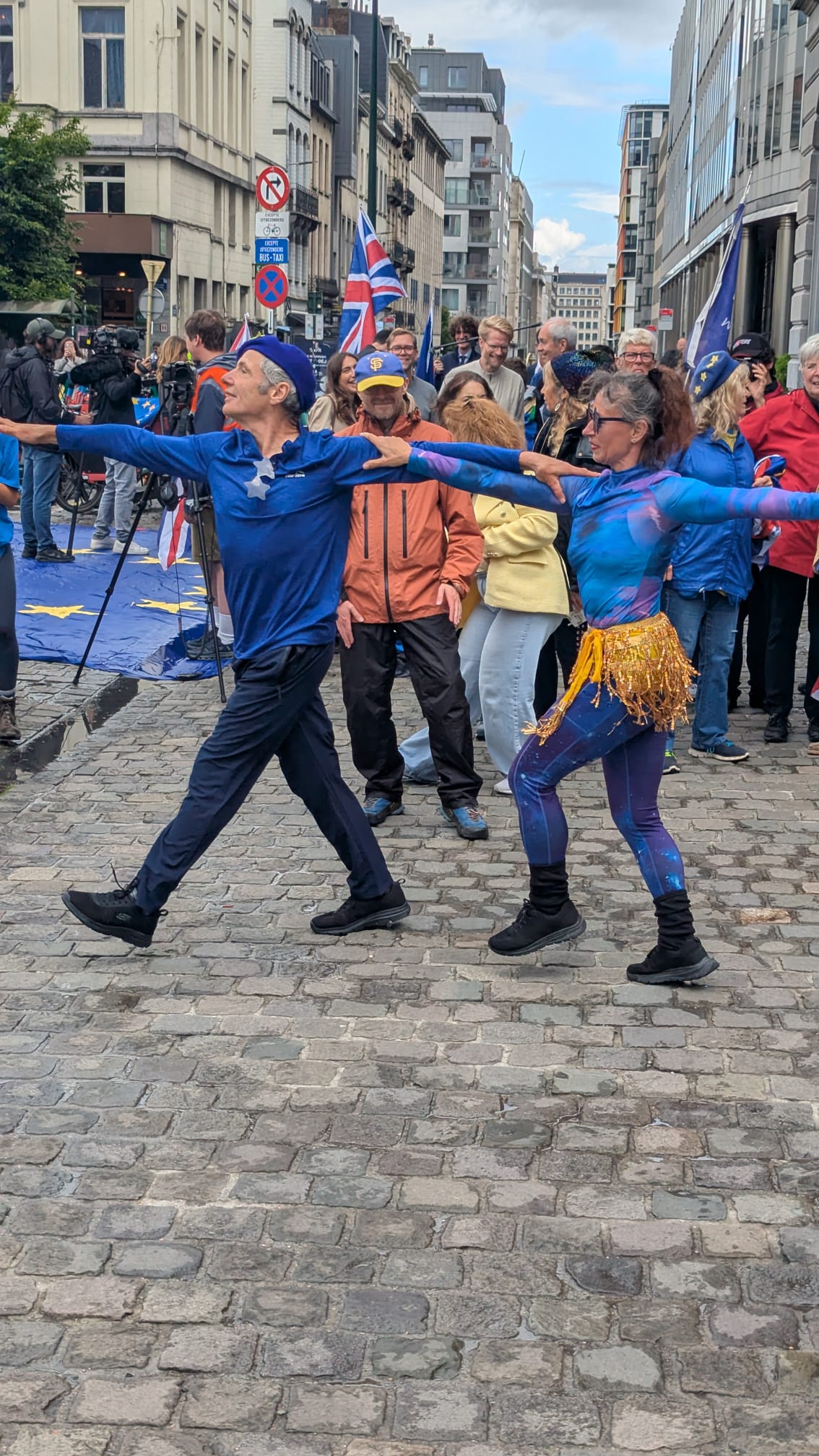
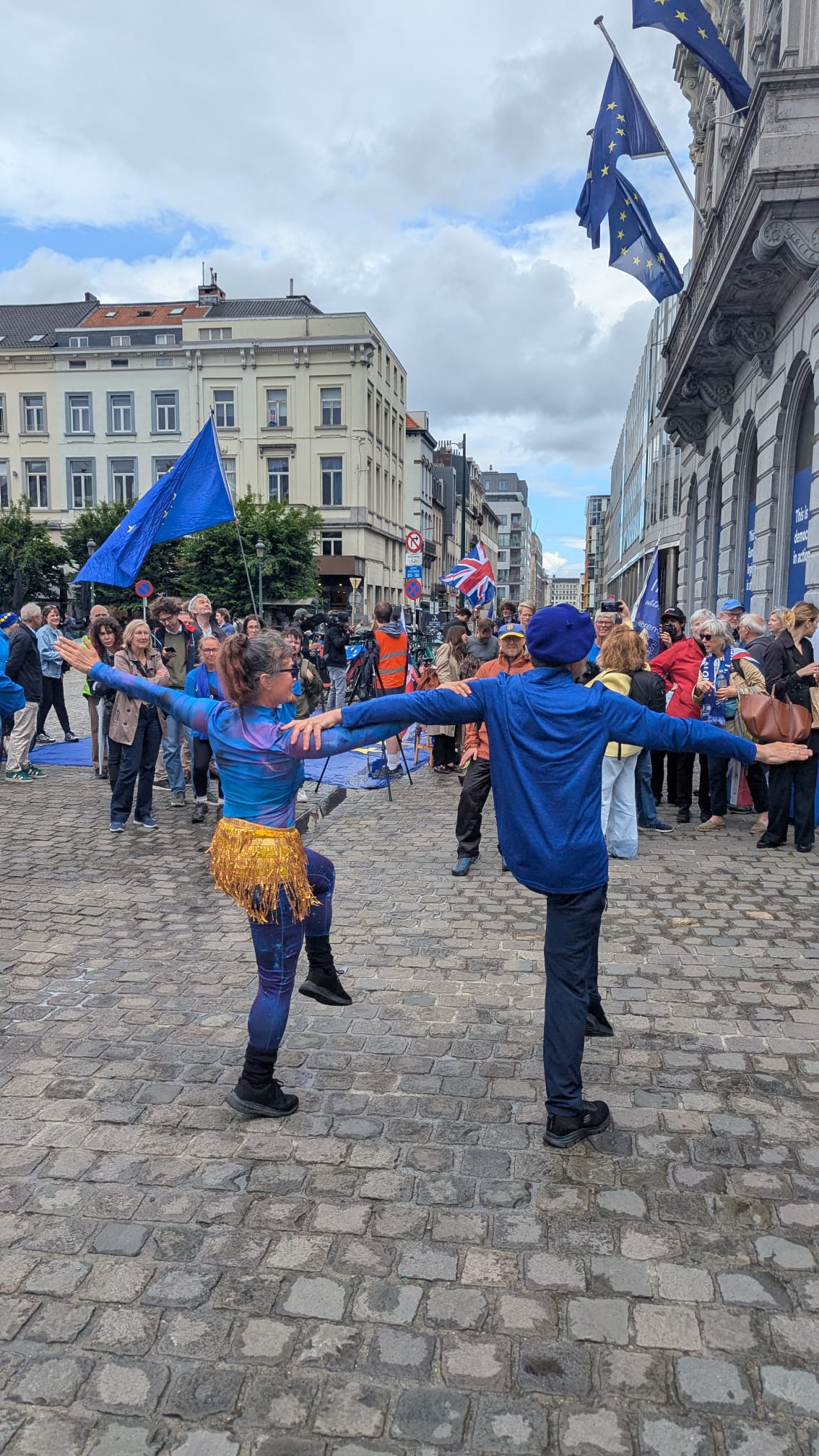
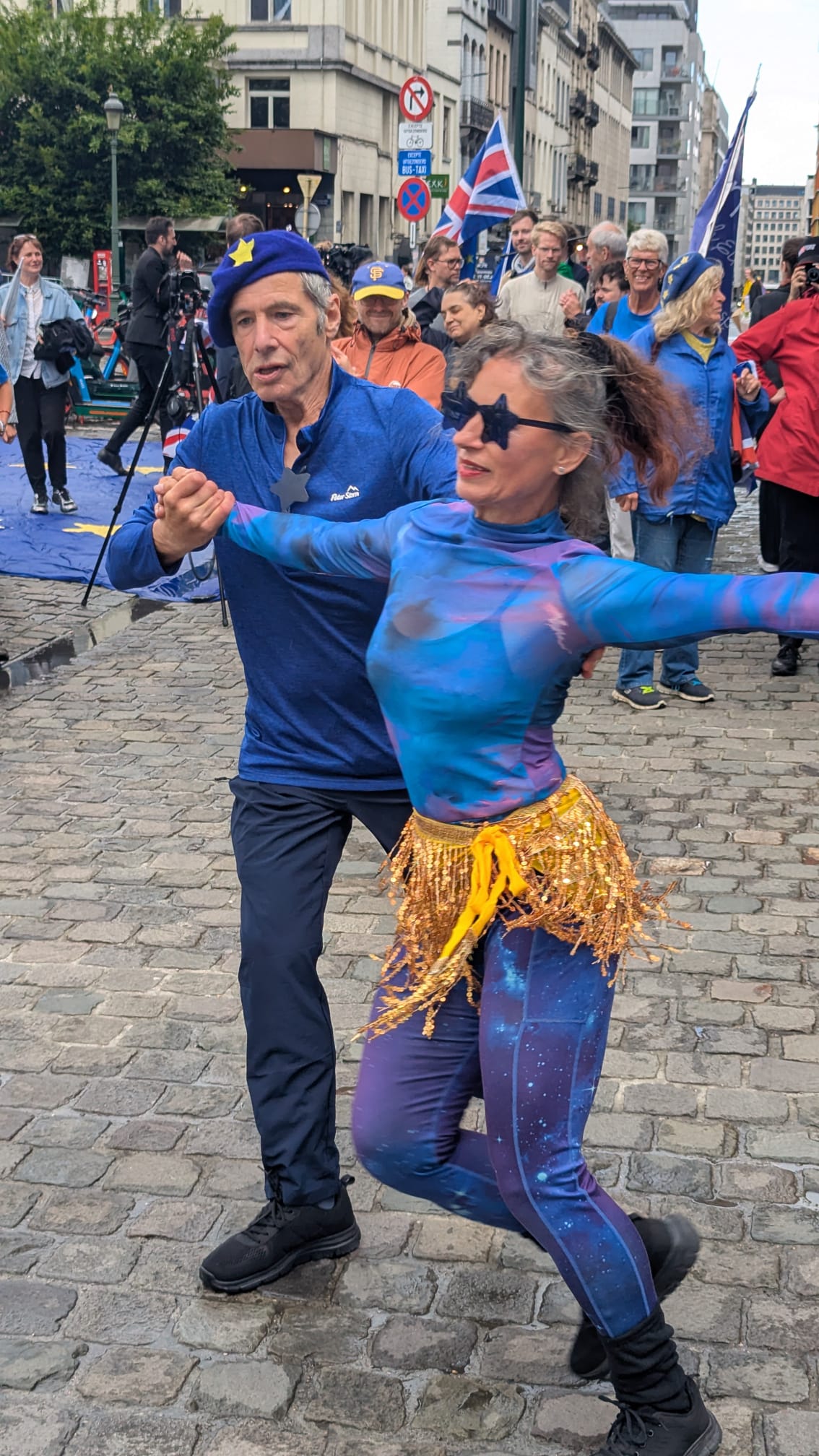
For Steve and Marisa, politics remains only part of the story. Steve began his working life in Swindon’s railway works before discovering dance at the Town Hall in the late 1970s and eventually becoming a professional performer. Marisa, who was born in Germany and later settled in Swindon, helped found the local campaign group Swindon for Europe. Their message, they say, is ultimately about friendship rather than institutions.
Next Saturday they will lead the National Rejoin March into Parliament Square with fellow members of their Swindon-based Dance Europa! group, turning a 360-kilometre walk into the latest chapter of a debate that, ten years after Brexit, appears far from settled.