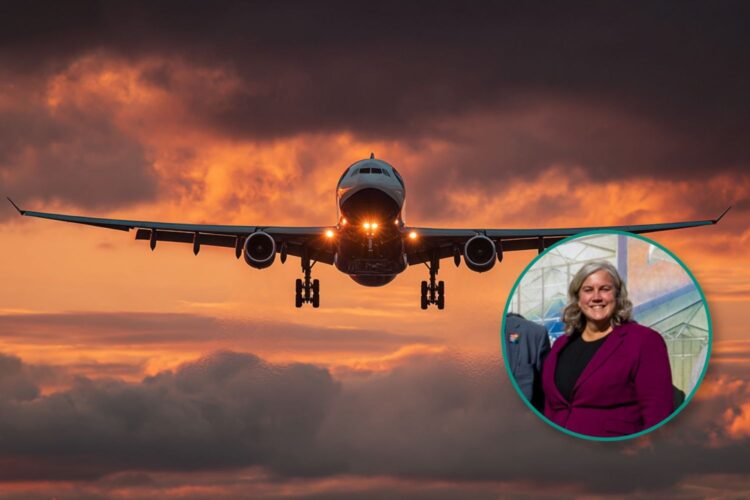

The Government has outlined proposals that would allow airlines to cancel or consolidate services weeks in advance without losing valuable airport slots.
The move is designed to avoid last-minute cancellations that can leave passengers stranded during peak travel periods.
Under current rules, airlines must use at least 80% of their allocated take-off and landing slots at airports such as Heathrow Airport and Gatwick Airport or risk losing them to competitors.
These slots can be worth tens of millions of pounds. Airlines can therefore feel pressured to operate flights even when demand is low.
Under the proposed temporary changes, carriers would be able to cancel flights in advance, combine services on the same route and move passengers onto alternative departures.
The aim is to give airlines flexibility to reduce fuel usage while minimising disruption at airport gates.
The plans follow concerns about possible jet fuel shortages linked to global instability.
The UK imports around 65% of its jet fuel, much of it typically routed through the Middle East. Disruption in shipping lanes including the Strait of Hormuz has raised concerns about supply constraints.
Efforts are under way to stabilise supply, including increased imports from the United States and West Africa, alongside maximising domestic refinery output.
Alexander has said there is no immediate crisis but confirmed the situation is being closely monitored.
She said she was confident that “the majority of people that are travelling this summer will have a similar experience to last year,” while acknowledging that airlines may need to “trim their schedules slightly”.
The Government’s approach is intended to balance reassurance with preparedness as the summer season approaches.
For towns such as Swindon, which rely on nearby hubs including Bristol Airport, stability in aviation is important for business travel and family holidays.
By allowing airlines to adjust schedules early, ministers hope most passengers would experience minor timetable changes rather than last-minute cancellations.
The measures are described as targeted and technical, aimed at preventing disruption before it escalates during one of the busiest travel periods of the year.