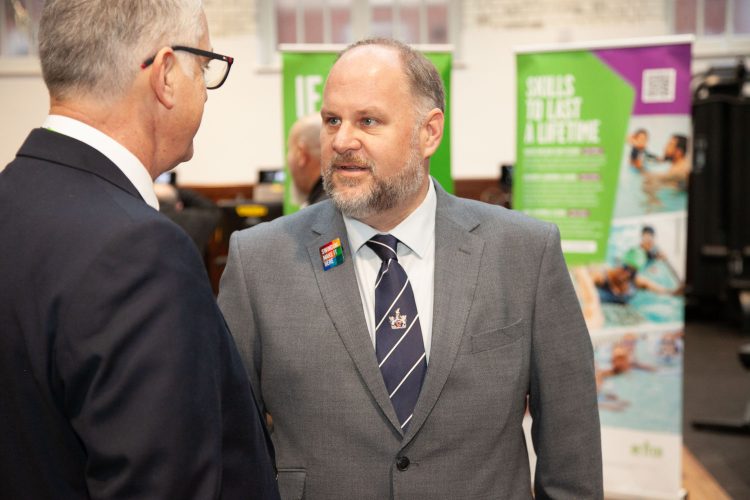

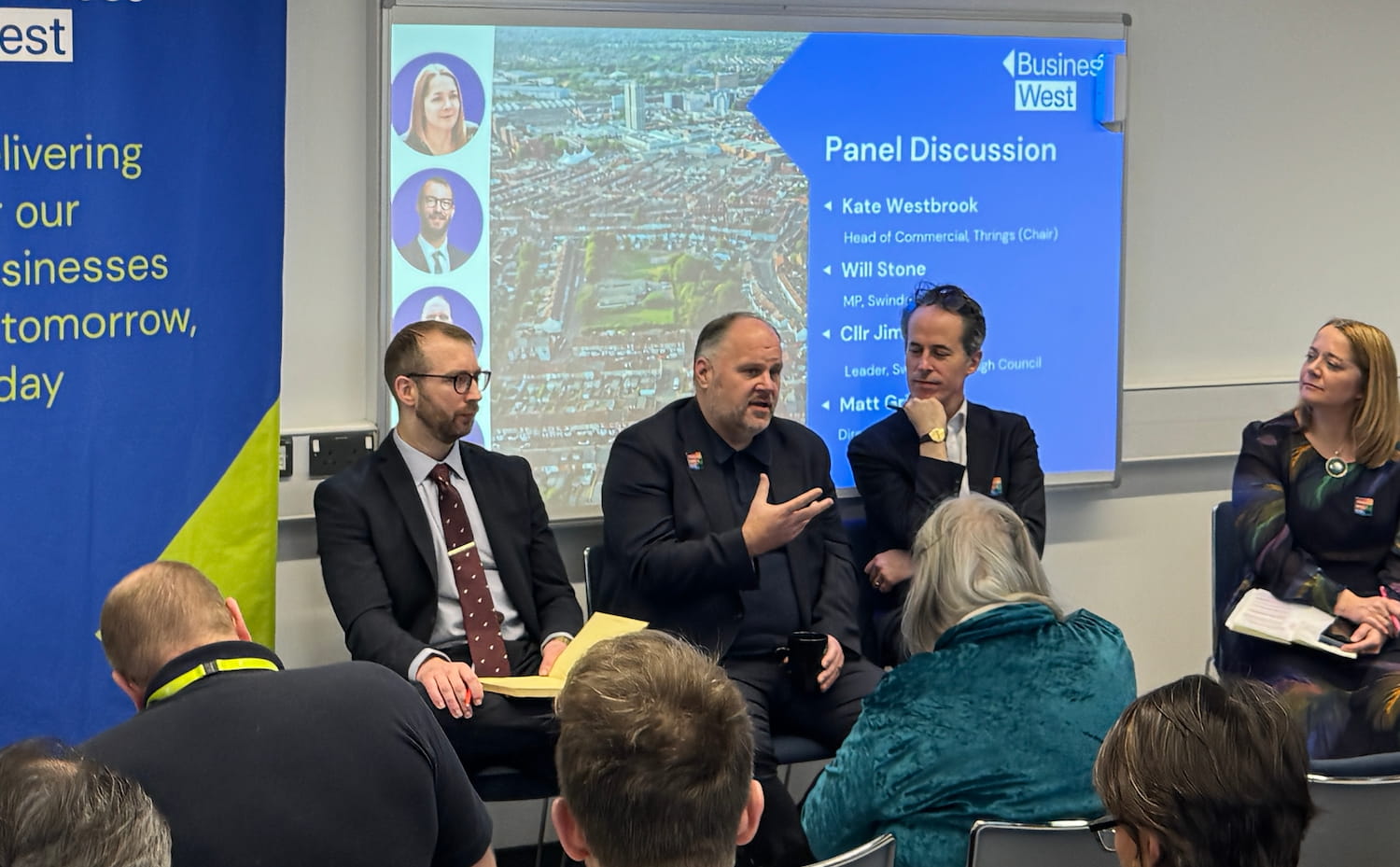
Council leader Jim Robbins said the authority has delivered a balanced budget but warned the financial position remains fragile.
“This is the third budget that we’ve done now as a Labour administration,” he said. “And I think we’re really getting to grips with just how difficult that act of balancing our statutory responsibilities, the increasing demand for children’s services and adult services, and the political and resident priorities for Swindon really is.”
Despite balancing the books on paper, he acknowledged pressures are being carried forward.
“There’s still pressures being carried forward. So we’ve got a balanced budget, but we’re still reliant on what’s called extraordinary financial support.”
Exceptional Financial Support allows councils to use capital receipts, including asset sales, to fund day to day spending.
“We know that we could have come up with a balanced budget without using that support, but it would have meant us slashing services, and having to stop doing some of the really important things that we do that Swindon residents really appreciate,” he said.
He added: “It’s still a tricky financial situation and we’re not going to balance those books totally for another couple of years.”
Robbins identified children’s and adult social care as the main source of financial strain.
As part of the new budget, he confirmed “£3,000,000 more for social workers to really embed the positive changes we’re making in children’s services.”
He pointed to the number of children placed outside the borough as a significant issue.
“There’s 130 children looked after by Swindon Borough Council who are currently living outside of Swindon because we haven’t got enough foster carers to be able to look after them in the town,” he said.
“That means increased costs in travel, visits by social workers… and we just know that it’s not the right thing financially, but also it’s not the right thing for the children.”
The council is considering alternative delivery models, including running its own children’s homes locally.
“We’re looking at various cooperative models from Manchester and other places… so that we can try and have some of those services being delivered in the town. And that will really help our financial situation,” he said.
The 4.99% council tax increase is the maximum normally allowed without triggering a referendum.
“We genuinely think it’s the best thing that we can do to be able to deliver really important services for the most vulnerable people in Swindon who need that support,” Robbins said.
He acknowledged the wider pressures facing households.
“We know that there is an election coming. We know that there is still a cost of living crisis and we know that we are putting pressure on people’s household budgets by doing this.”
Asked whether he would go further without the cap, he said: “It would be better for the council, but it would be worse for the residents… I wouldn’t be comfortable going further.”
Robbins said residents should begin to see visible improvements.
“There’s extra money in the budget for pothole repair, for tackling fly tipping, for dealing with antisocial behaviour, for tackling graffiti, trying to make the town look a better place,” he said.
He added that previous investment in the council’s inward economy team had delivered returns.
“We invested in our inward economy team, which has paid for itself many times over in the new drone company that they’ve supported to come to Swindon,” he said.
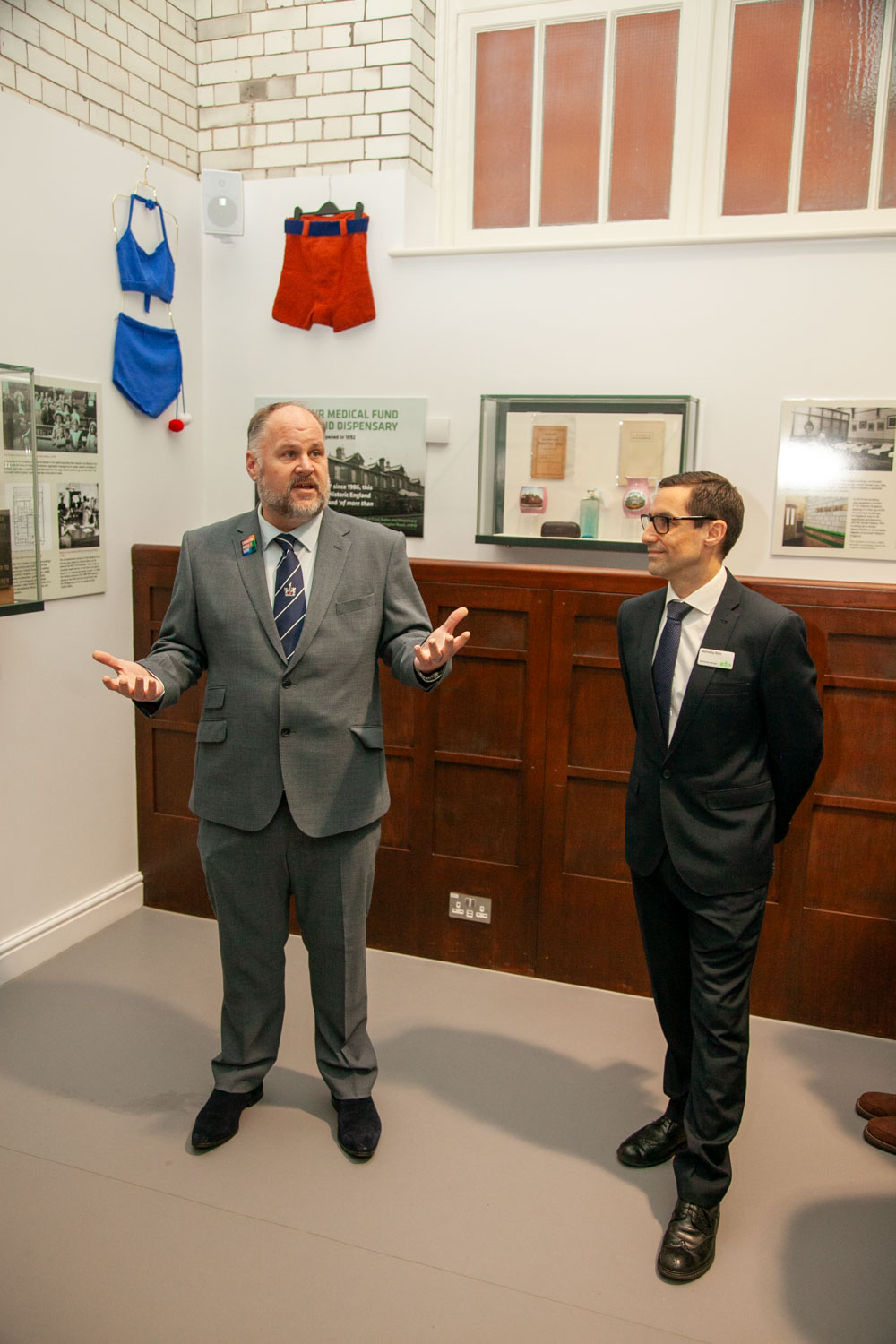
Councillors have also agreed in principle to explore a Swindon Municipal Wealth Fund, linked to expected returns from the Whichelstowe joint venture.
“We know that the council is due a windfall in a few years’ time… it’s tens of millions of pounds we’re talking about,” Robbins said.
“Rather than just have that come into the council’s general budget and we spend it and it’s gone, we want to try and find a way that we hold that in a ring-fenced account,” he said.
He suggested projects such as installing solar panels on council housing could generate long term returns.
“The idea is that that money comes back into the fund and then we can keep circulating that money… really circulating for Swindon and making a real difference,” he said.
With local elections approaching in May, Robbins accepted the political challenge ahead.
“Swindon’s a really interesting one at the moment… we’re now in this five-party political battle,” he said.
“I’m really proud of what we’ve done… I’m convinced that we’re delivering change in the town.”
He added: “We’re under no illusions. We’re going to be in a tough fight.”
For now, he insists the council’s approach is measured and deliberate.
“We went into this with our eyes wide open… and we feel this is the best way forward for the council.”