
If ministers approve the next stage, the borough could become part of a proposed Thames Valley Mayoral Strategic Authority with Oxfordshire and Berkshire. The model is designed to bring long-term decision-making on transport, infrastructure, skills and large-scale investment under one regional body, while councils continue to manage day-to-day services.
Supporters believe the combined structure could unlock major economic opportunities across the wider Thames Valley. Analysts suggest the region could generate up to £18.7 billion in additional economic output by 2040, but this remains a projection rather than confirmed funding.
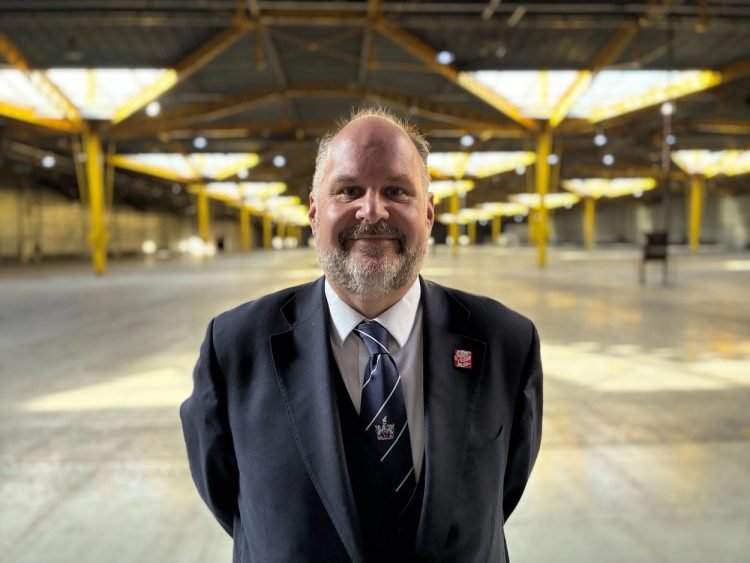
Council Leader Jim Robbins described the move as a significant moment for the town, highlighting Swindon’s position in advanced manufacturing and its growing drone technology sector.
Jim Robbins, Council Leader, said:
“We already have one of the most productive economies in the country. With thousands of high-skilled jobs coming through companies such as TEKEVER and STARK, and more on the way, the timing is right. Being part of the Thames Valley Mayoral Strategic Authority will allow us to plan on a much bigger scale and attract the infrastructure we need for the future.”
He said the proposal would help Swindon secure investment and support its ambitions for long-term growth.
The Cabinet’s decision means Swindon will now notify the Government that it is prepared to explore the idea formally. The Expression of Interest does not commit the town to joining the authority, but it signals a willingness to open detailed negotiations next year.
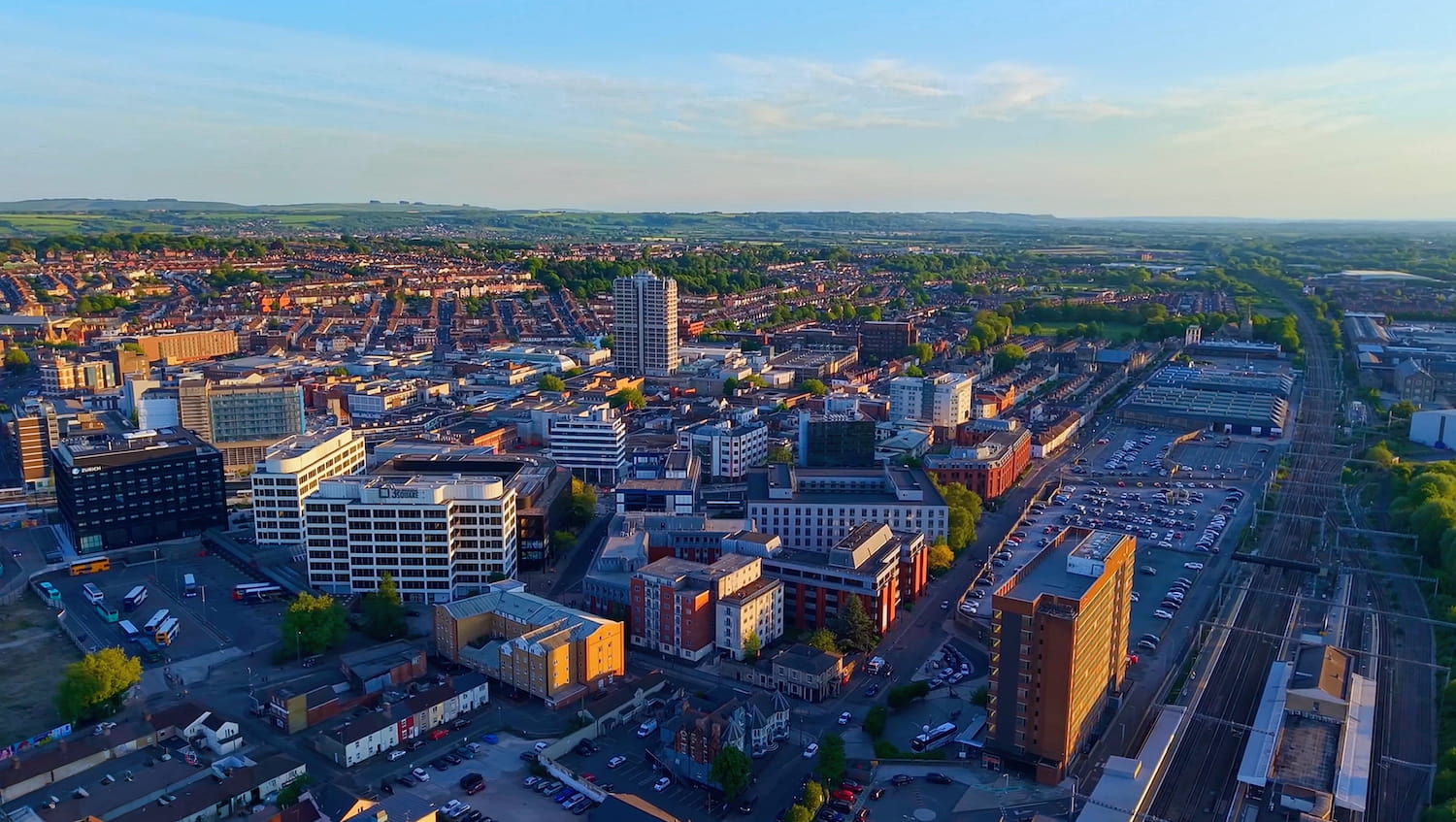
A new mayoral authority would not replace Swindon Borough Council, and local services such as waste, libraries, social care and local roads would continue to be delivered by the council.
However, significant decisions on issues affecting Swindon’s future including transport corridors, strategic housing sites, skills programmes and major development projects, could increasingly sit at regional level.
Councillors warn that not participating could leave Swindon outside a structure through which government is directing more funding for transport, housing and innovation.
There are still key questions to be resolved. One concern is ensuring Swindon has strong representation within a region that includes powerful economic hubs around Oxford and Reading. Any governance model would need safeguards to ensure investment is not disproportionately pulled east.
Funding arrangements are also unclear. The headline economic figures relate to potential growth rather than guaranteed investment, and what Swindon receives will depend on future negotiations.

There are democratic considerations too, with a regional mayor operating further from local residents than the current council leadership. Transparency and public representation are expected to form a central part of consultation planned for next year.
The Expression of Interest is due to be submitted by 19 December. If ministers support the proposal, a detailed deal would be developed in 2026, followed by wider engagement before any final decision is made.
Councillors across the political spectrum say the town must be proactive as the region evolves.
Jim Robbins said:
“We want Swindon in pole position. This is about putting the town on the map and making sure we shape the future rather than watch it happen around us.”