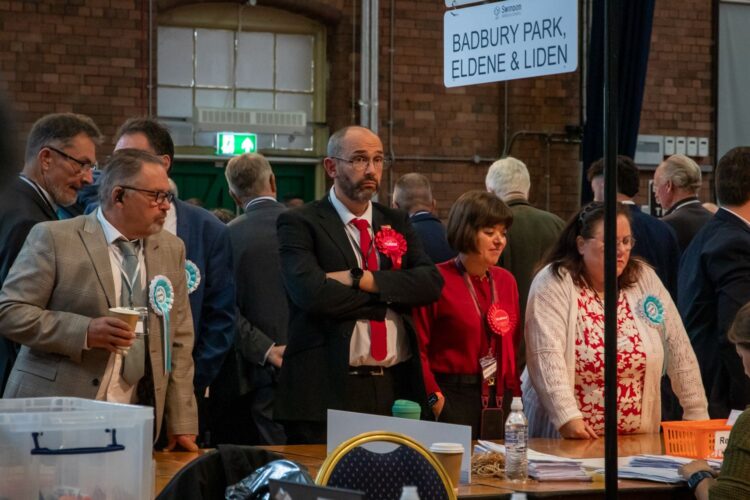

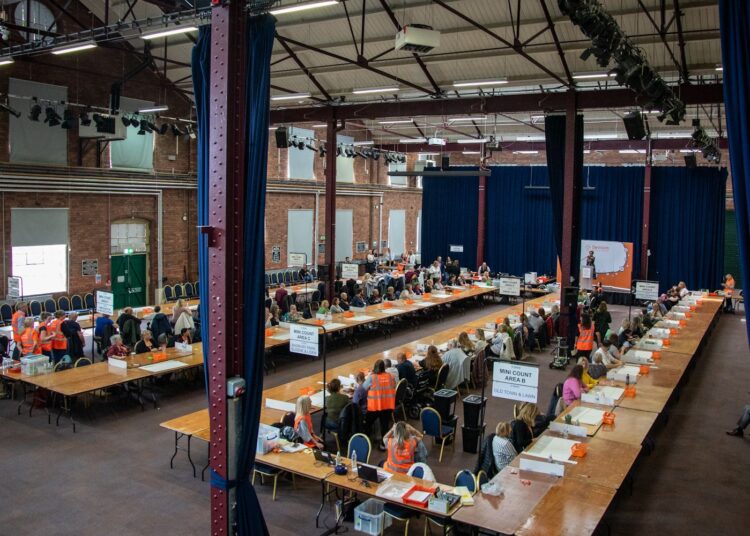
The counting has now begun in Swindon, with all eyes on one of the most unpredictable Borough Council elections the town has faced in years.
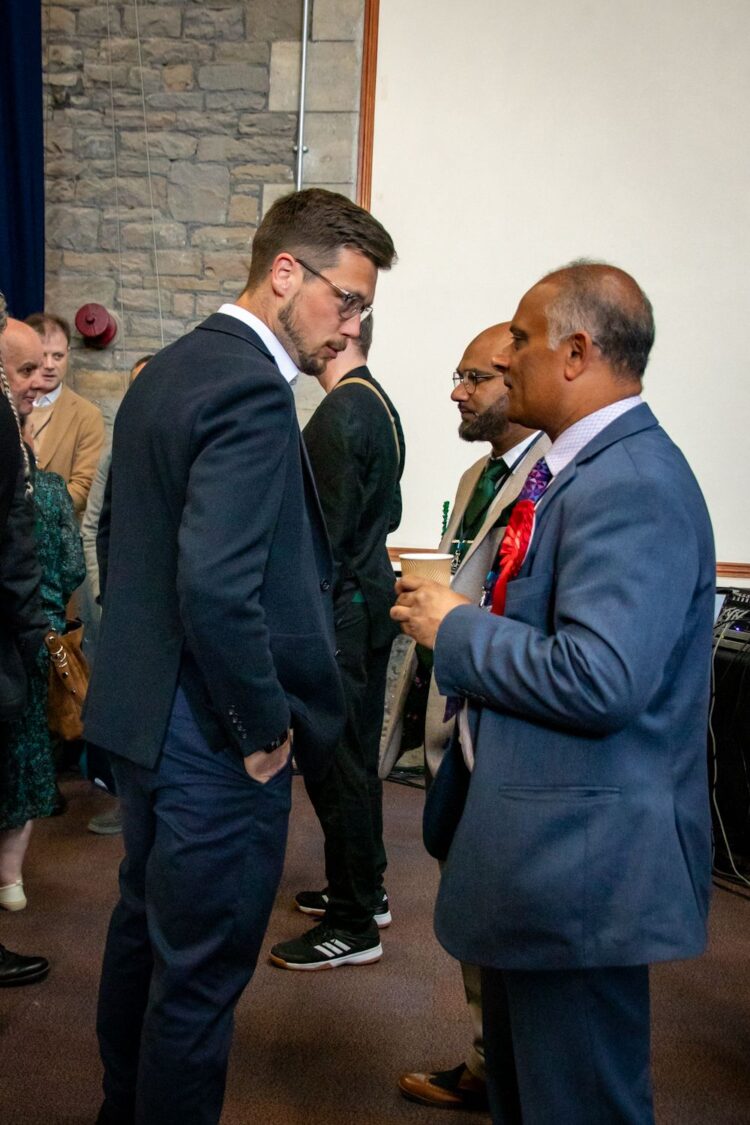
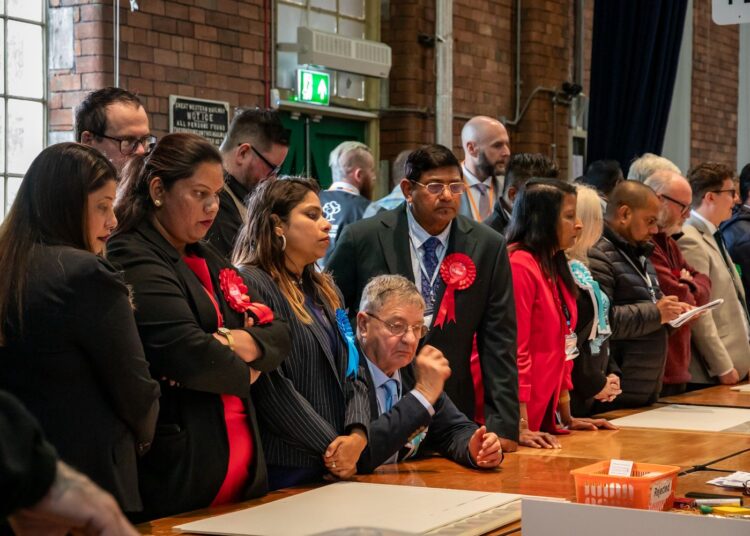
Ballot boxes from across the borough have been arriving through the night as candidates, party activists and counting agents gather to watch the future political direction of Swindon unfold.
This year’s election is especially significant. All 57 seats on Swindon Borough Council are being contested at the same time for the first time since 2012, meaning control of the council for the next four years is entirely up for grabs.
And it comes against the backdrop of a dramatic national shift in British politics overnight.
Across England, Reform UK has surged to major gains, taking councils from both Labour and the Conservatives and reshaping the political map in areas previously considered safe for the traditional parties. Nigel Farage described the results as a “historic shift in British politics” after Reform picked up hundreds of council seats nationally.
Labour has suffered heavy losses in several northern heartlands, while the Conservatives have also seen significant declines in parts of England. Meanwhile, the Green Party and Liberal Democrats have continued to make advances, reflecting a fragmented and increasingly volatile electorate.
The national picture has only intensified speculation around what could happen in Swindon.
At the last full local election cycle, Labour held control of the council with 34 seats, ahead of the Conservatives on 16, Greens on four and Liberal Democrats on one. But projections ahead of polling day suggested Reform UK could emerge as a major force locally, with some forecasts predicting the party could win as many as 20 seats.
Neither Labour nor the Conservatives appeared guaranteed to secure an outright majority in those projections, raising the possibility of no overall control and coalition discussions once the final declarations are complete.
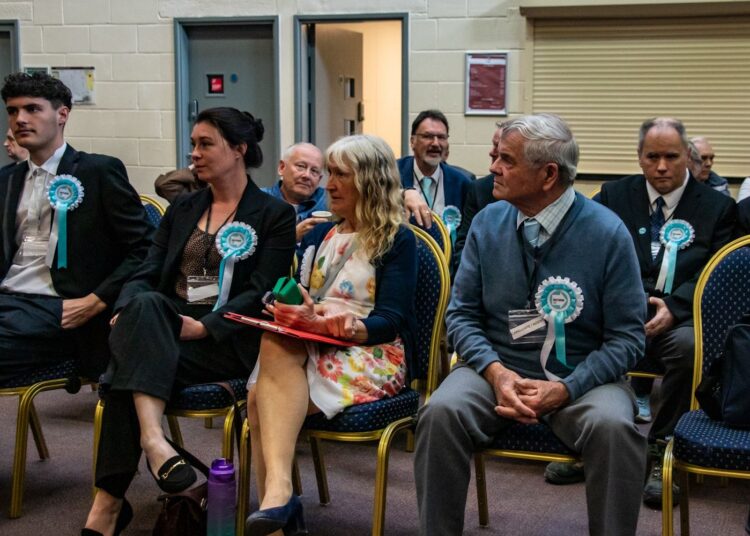
Swindon has increasingly become viewed as a political bellwether town, often reflecting wider national trends. The borough contains a mix of Labour-leaning urban wards, Conservative suburban areas and newer estates where voting patterns have become harder to predict.
Recent parliamentary results already hinted at changing political loyalties locally. Labour won both Swindon North and Swindon South at the 2024 General Election, overturning long-standing Conservative control.
But overnight national results suggest voter frustration with both major parties may now be accelerating.
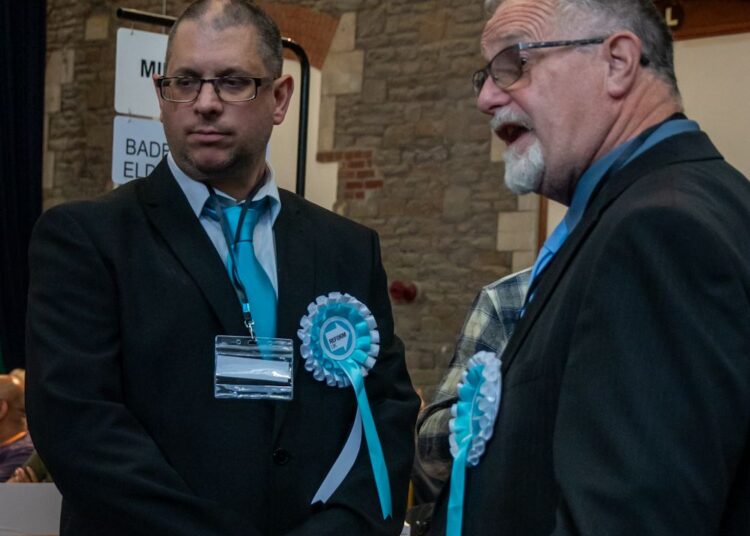
The count is expected to continue throughout Friday, with declarations likely to come ward-by-ward across the day. Unlike a General Election, local election counts are often slower, particularly in all-out elections involving multiple ballot papers and parish contests.
For Swindon, the stakes are high.
The outcome will determine who controls major local decisions over housing, roads, regeneration, social care, planning and council finances at a time when pressure on local government budgets remains intense.
And with Reform attempting to break into mainstream local government across England, Labour defending control, Conservatives trying to recover lost ground, and Greens targeting further growth, today’s results could mark a defining political moment for the town.