
The result brought an end to Labour’s majority at the Civic Offices and left no party in overall control. It marked one of the most significant political shifts in the town for years. But while attention has focused on the borough chamber, another set of results has received far less scrutiny.
Reform UK did not put forward a single candidate in any parish council election anywhere in Swindon.
That means despite becoming one of the largest groups on Swindon Borough Council, Reform now has no representation at the most local tier of government across the borough. Parish councils sit beneath the borough authority and deal with highly localised issues.
They manage local facilities including parks, play areas, allotments and community halls, using funding raised through the parish precept collected alongside council tax. They help organise local events and are consulted on planning matters affecting neighbourhoods. They also act as a visible and accessible point of contact for residents on everyday concerns.
While Reform concentrated entirely on the borough elections, the Conservatives quietly consolidated their strength at parish level. Across Swindon’s parish council contests, the Conservatives won 56 seats. Labour secured 30 seats, independents won 24, the Greens took 10 and the Liberal Democrats secured one.
Overall, the Conservatives received 42.8% of all parish votes cast across Swindon. That level of representation gives the party significant influence inside local communities.
Parish councillors often develop strong name recognition in their areas. They build relationships with residents and community groups over time. They also form the backbone of volunteer networks that support campaigning during borough and general elections.
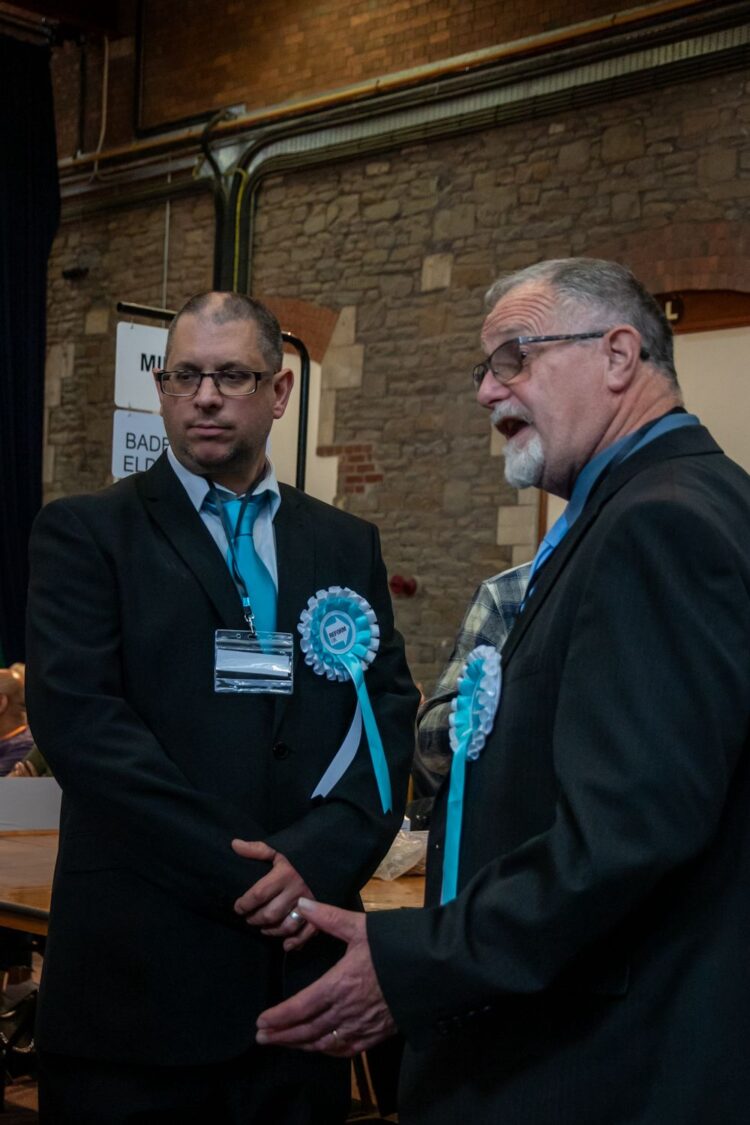
Without any parish councillors, Reform now lacks that grassroots layer in Swindon.
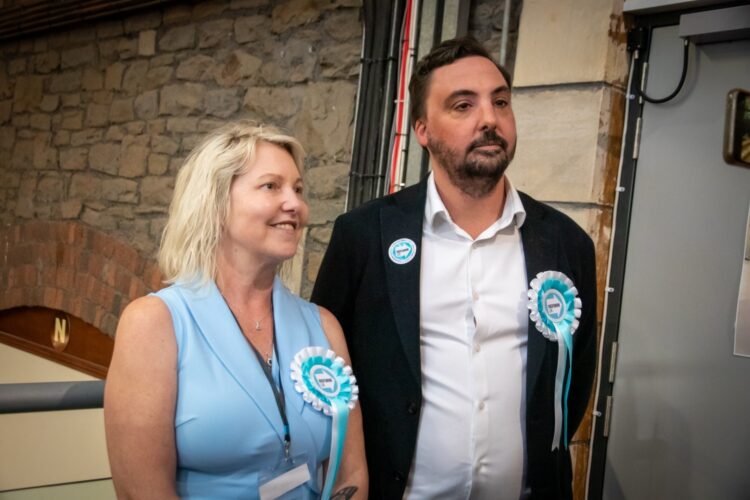
Chair of Reform in Swindon, Sara Godwin said:
“As a new party we wanted to provide the largest impact for our voters, verses the resources we had.
We needed to focus on the borough as we hoped that the parish councillors would be open to working with us and improving our working relationships between the parish councillors and borough councillors, to all work to the same goals for the people of Swindon.
We will however, now we have built up some amazing candidates, look to start to gain some Reform UK presence within the Parishes in the future”.
Many voters who wished to support Reform in parish contests had no option to do so. Supporters online raised concerns on various Swindon24 posts, one saying “I couldn’t vote Reform, they weren’t there!”
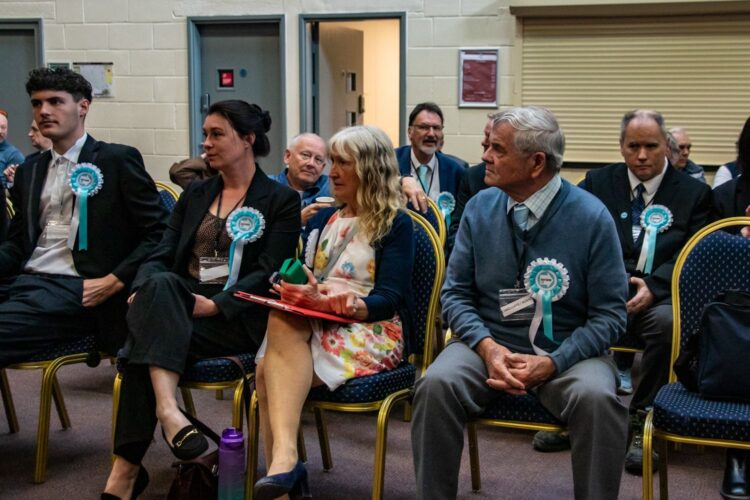
The outcome leaves Swindon with two parallel political narratives, one shows a rapid rise for Reform inside the borough chamber and the other highlights the continued importance of long-established parish networks operated by main parties.
Parish councils may attract less attention than borough debates, but they shape local visibility and community engagement over time. In politics, long-term organisation can prove as important as headline momentum.
Reform’s borough breakthrough has undoubtedly changed the balance of power in Swindon. Whether the absence of a parish presence has longer-term implications remains to be seen.