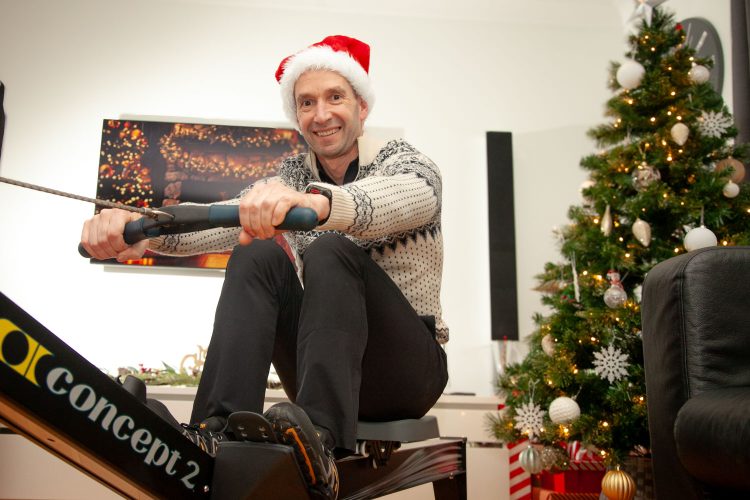

Around this time of year, people often ask me what they should be doing at Christmas to “stay healthy”. Usually with a slightly guilty look, often while holding a mince pie, or two.
My answer is rarely what they expect.
“Christmas isn’t the problem. It’s what happens in the other eleven months that matters.”
Every December we seem to convince ourselves that everything hinges on one or two weeks. We eat more than usual, move less than usual, sit around more than usual, and then spend January trying to undo Christmas, as if it’s a mistake that needs fixing.
I don’t really see it that way.
Christmas is supposed to be different. It’s time with family, long meals, odd routines, late nights, early mornings, and a bit of chaos. That’s not failure, that’s life.
The issue is not the 10 percent. It’s the other 90 percent of the year.
From what I’ve seen, people don’t struggle because they overeat at Christmas, they struggle because movement and consistency aren’t part of their normal routine the rest of the time.
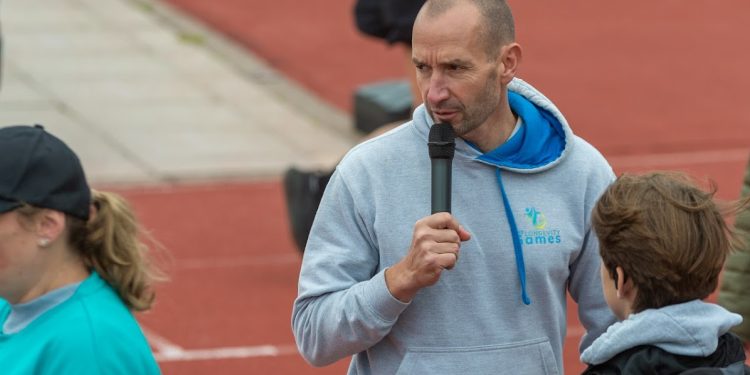
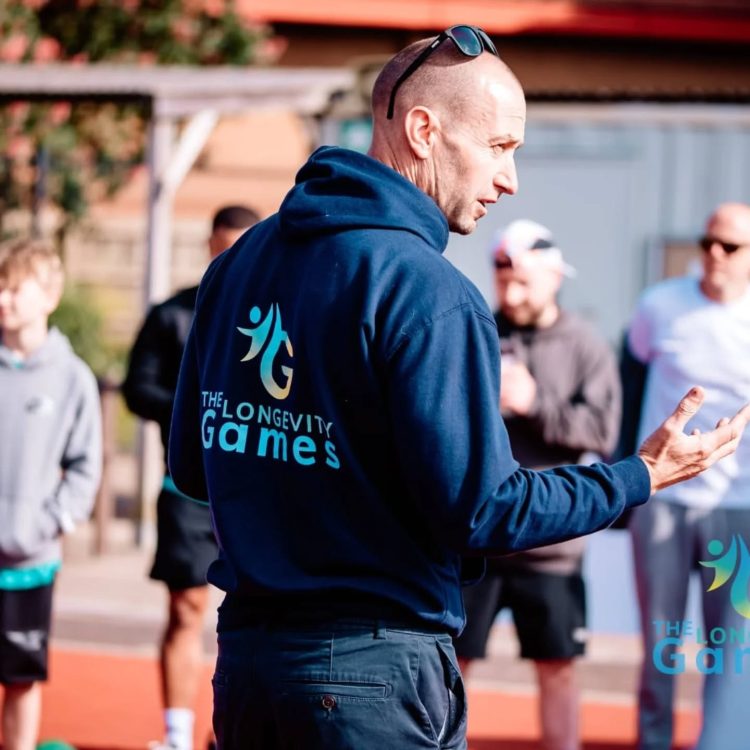
I see this every year at the free Bootcamp sessions I run in North Swindon and at the Longevity Games. People don’t lose fitness because of one indulgent period. They lose it gradually, when small habits slip and never quite come back.
Christmas just shines a big glowing christmasy light on it.
One of the things I talk about a lot is designing your life so movement is normal, not something you “get back to” when things calm down. Because things rarely calm down.
At Christmas, that might mean walking instead of driving short distances. Playing on the floor with the kids instead of watching from the sofa. Carrying the shopping instead of reaching for a trolley. Getting outside for half an hour, even if it’s cold and grey.
Nothing dramatic. Nothing extreme. Just movement!
I’m not interested in people punishing themselves in January because they enjoyed December. That mindset never lasts. What does last is doing small, sensible things most of the time.
At the 6am sessions, we joke that just turning up is half the workout. In December, that still applies.
The irony is that Christmas is actually a good reminder of why this matters. It’s about people. It’s about connection. It’s about being able to join in.
Being fit enough to get down on the floor, to walk with family, to carry bags, to stay involved, that’s the point. That’s the independence I talk about.
So enjoy Christmas. Eat the food. Sit with the people you care about. Have the quieter days.
Just remember, it’s not what you do between Christmas and New Year that really counts. It’s what you do between New Year and Christmas.
And if you keep that other 90 percent ticking along, the ten percent takes care of itself.