Full interview:
Swindon Borough Council says 120 children are currently placed outside the county and the authority needs at least 120 more foster carers.
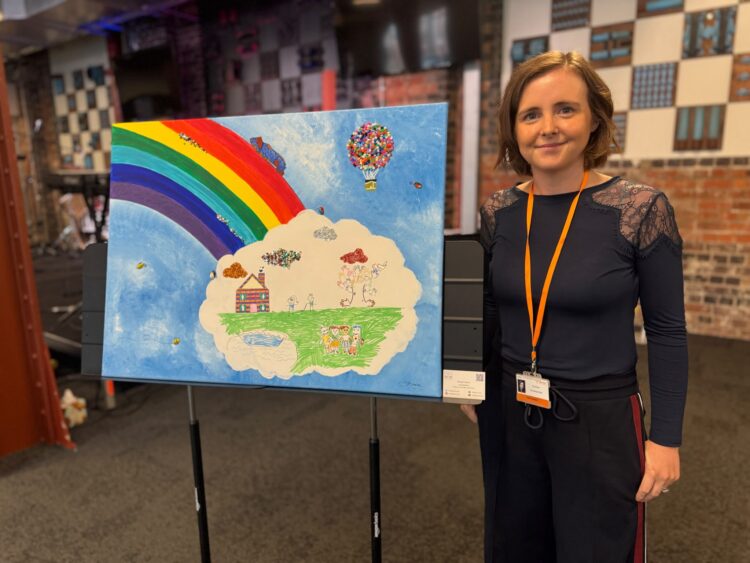
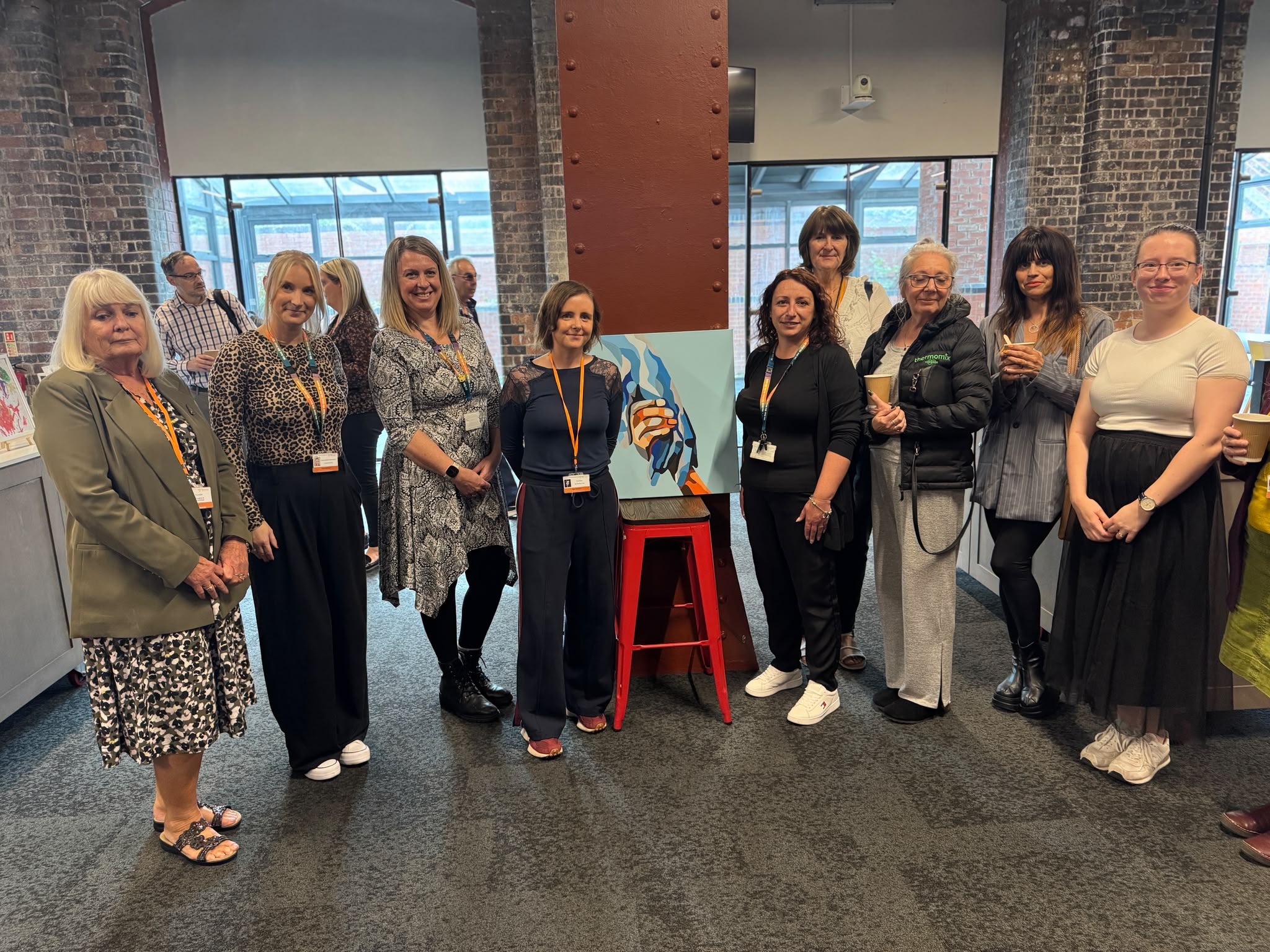
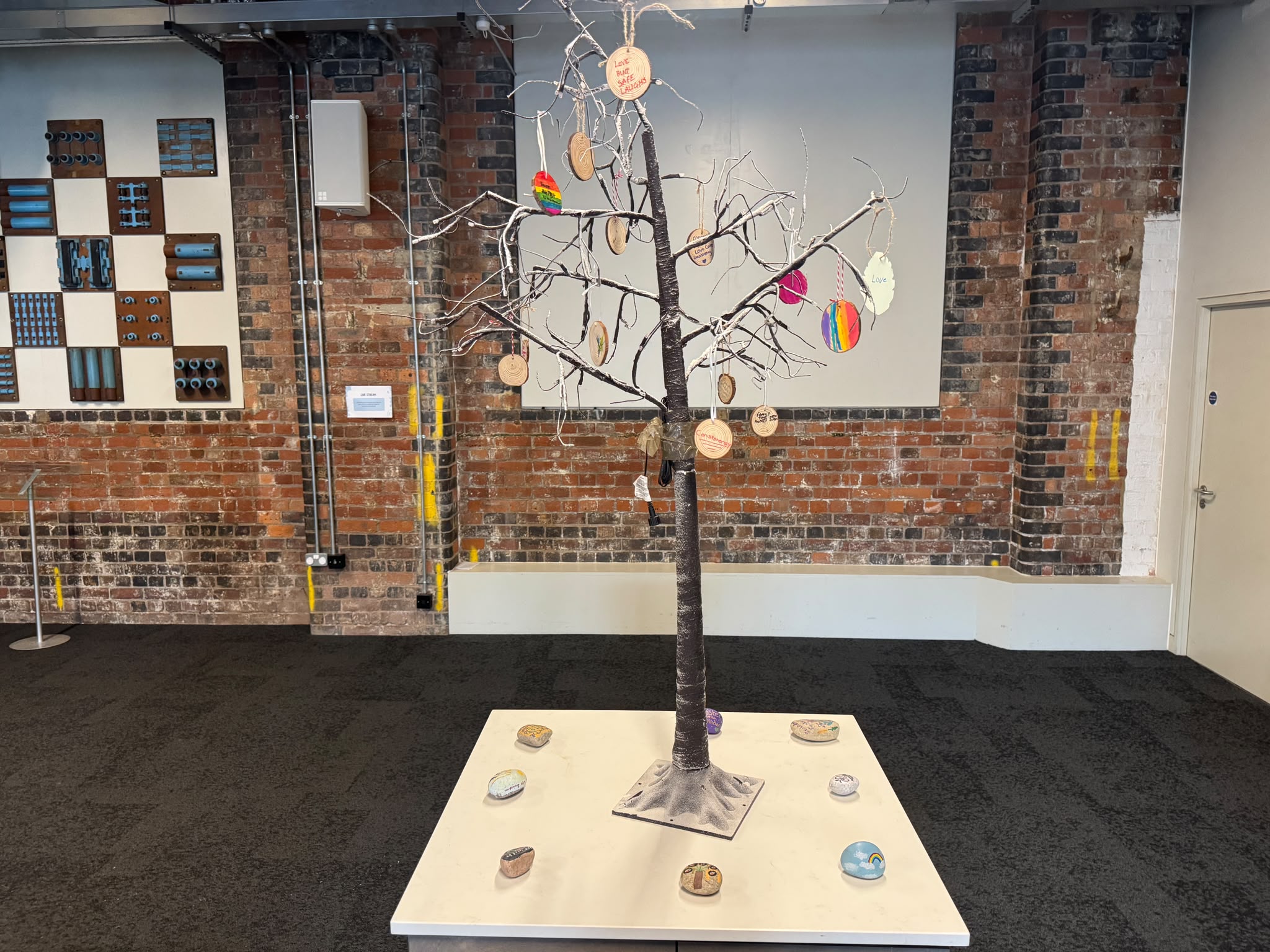
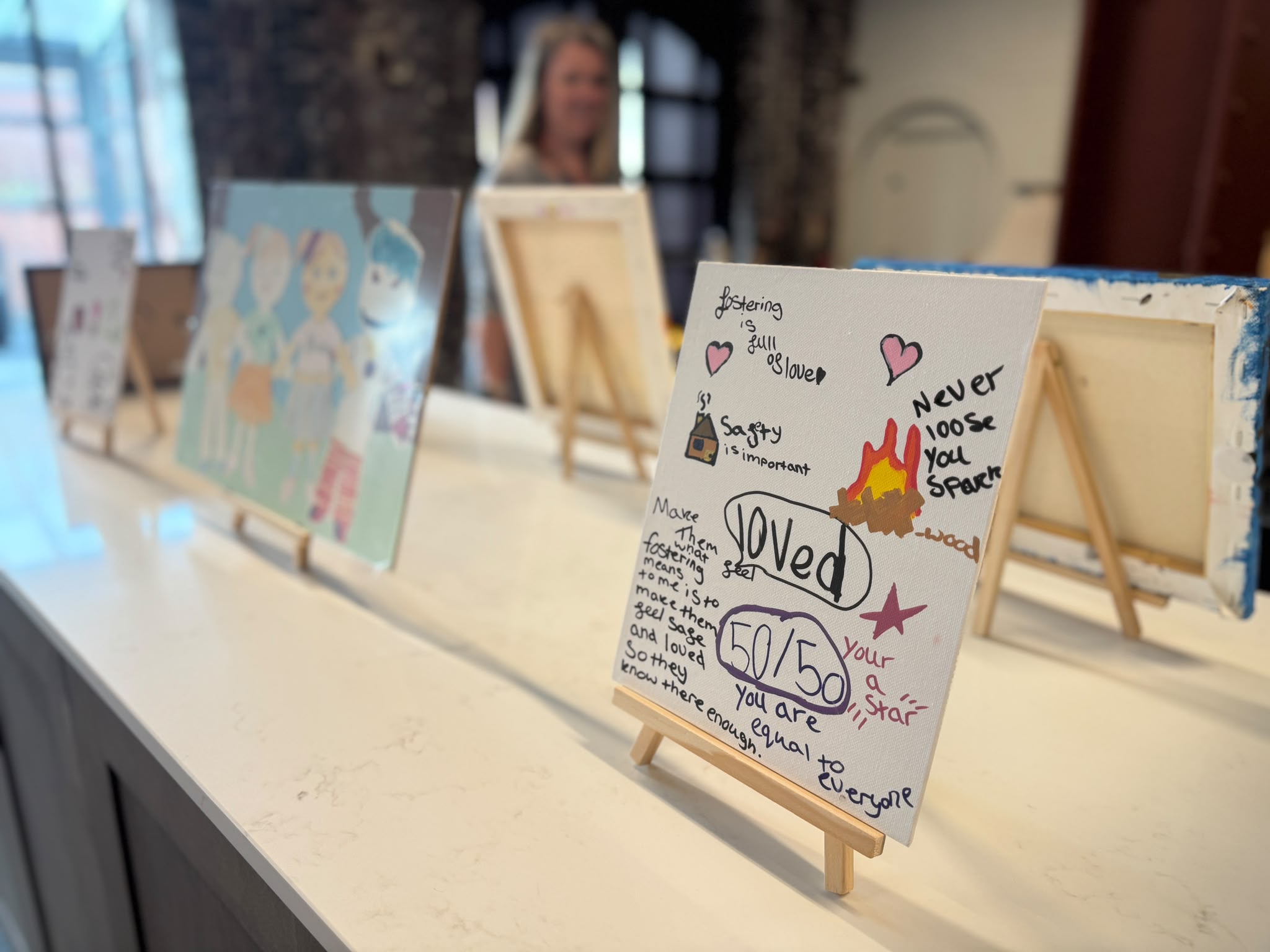
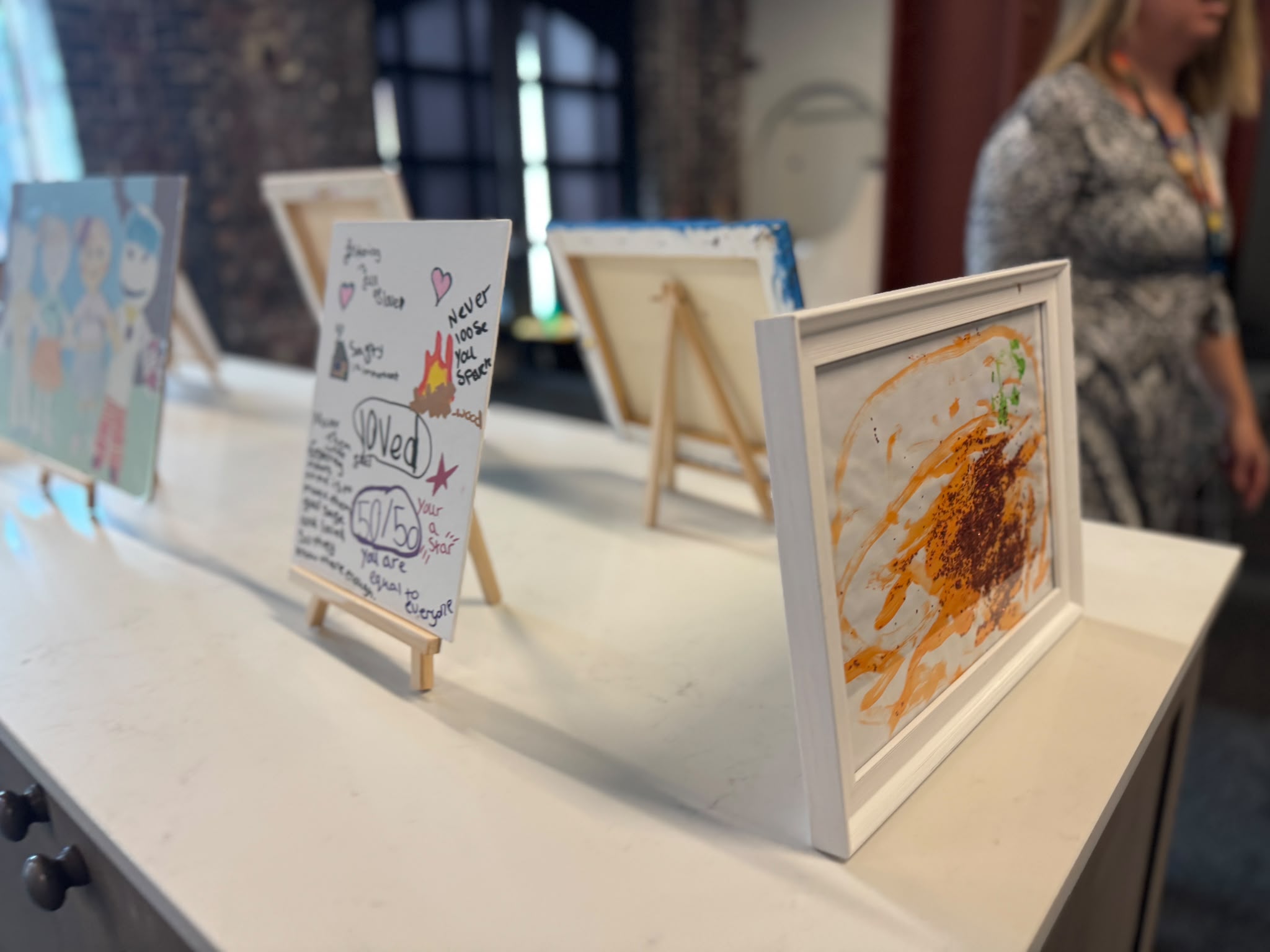
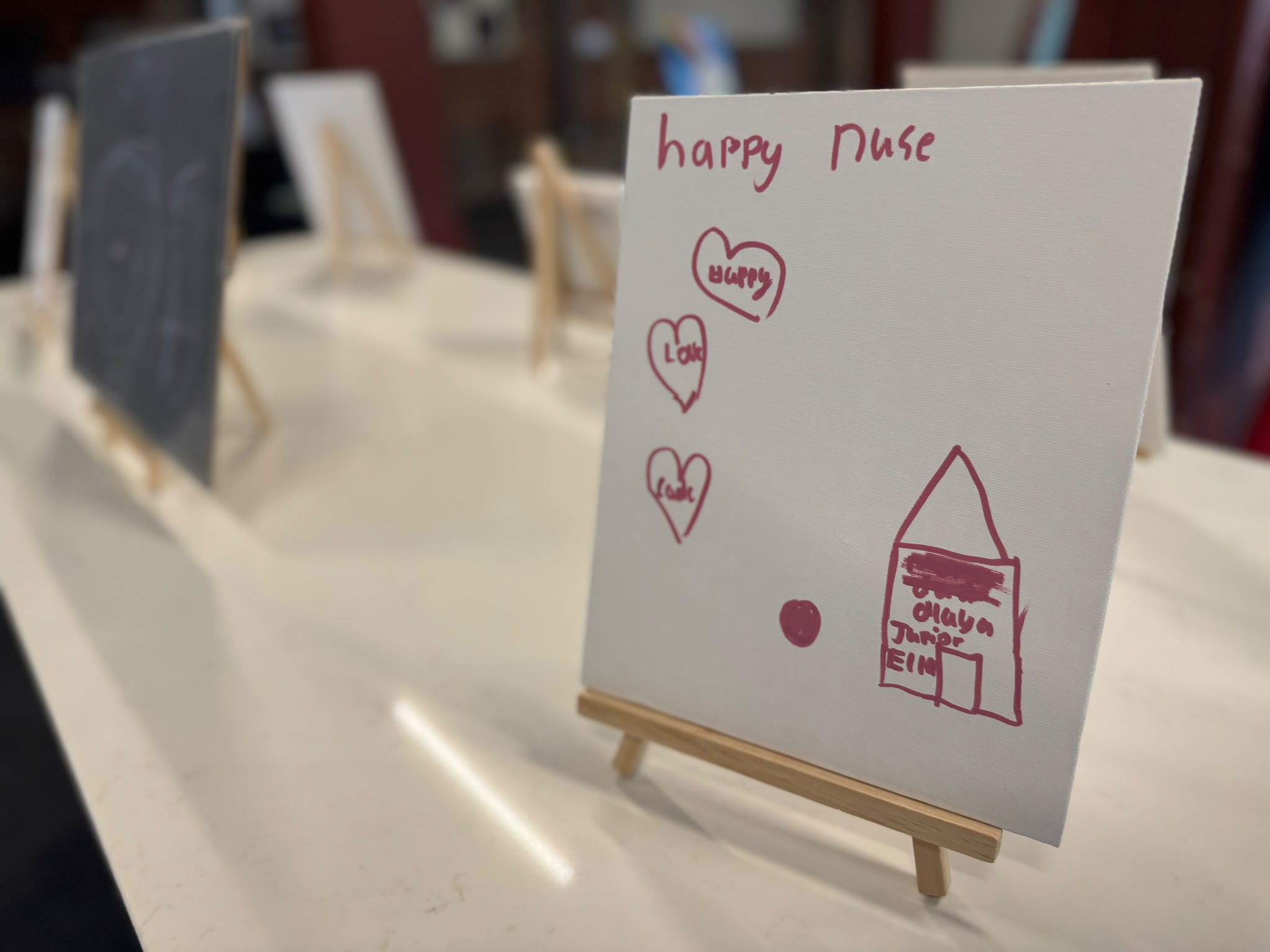
The exhibition brought together creative work by children and young people alongside pieces by local artists, giving the public an insight into their experiences of fostering.
It coincided with a council fostering summit examining how more carers could be recruited and barriers to fostering removed. She said:
“What we wanted to do was get the voice of our children, but in such a way that it would impact the community, so that they could get a feel for who they are, the things they like, and just build that connection.”
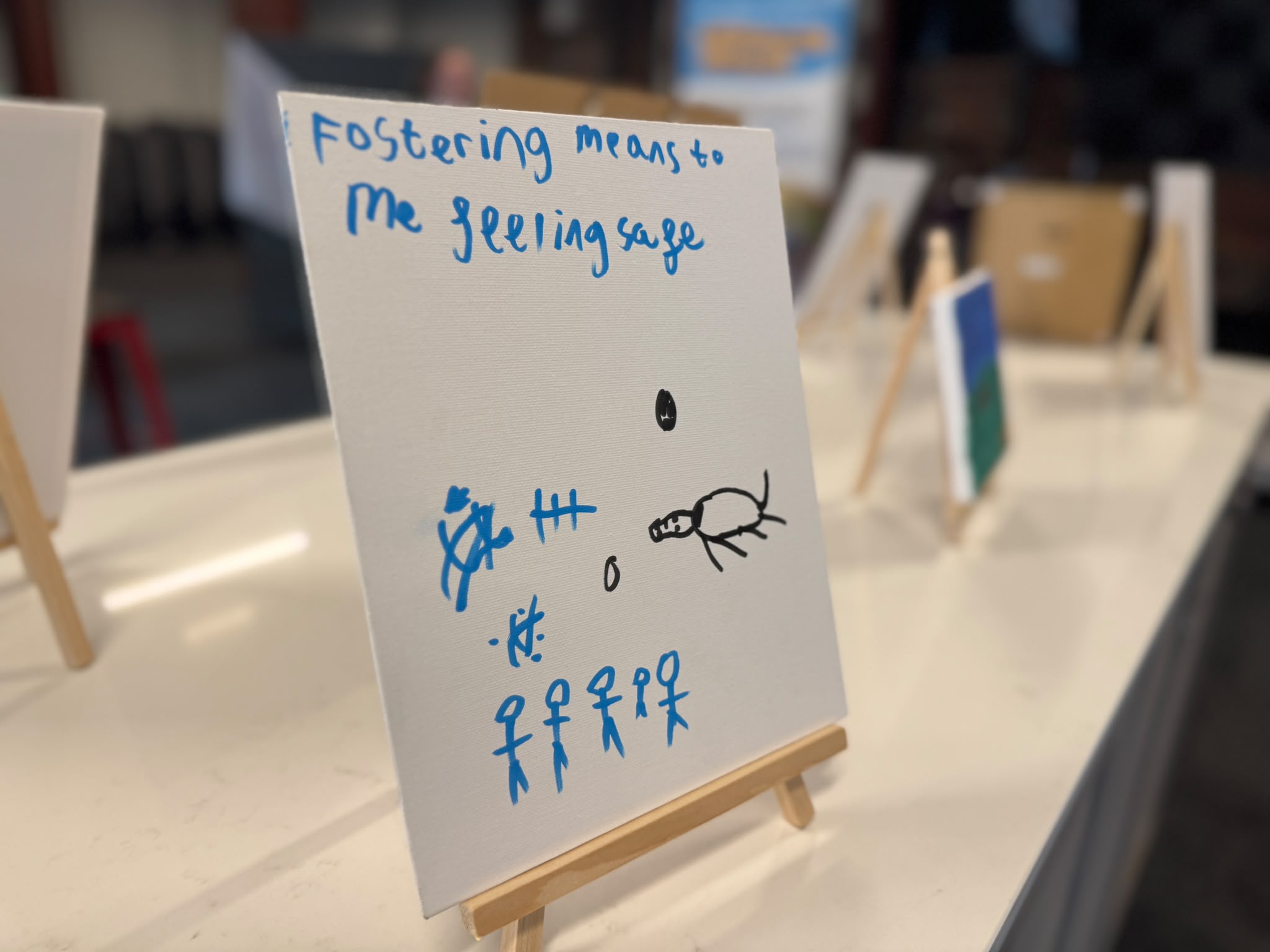
Youngsters were encouraged to express themselves through different forms of creativity, including painting, drawing, baking, building and photography.
The project aimed to give children an outlet to express their feelings and what fostering means to them.
Sandra, who has fostered for more than 20 years, had artwork by children she cares for included in the exhibition. She said:
“For the foster children, it gives them something to be part of and to come together with other foster children that are in the same boat.
“For us, it’s really important to see our children recognised and things that will encourage them and inspire them in the future to do things.”
Sandra described fostering as a privilege and said the aim was to help children “thrive and not just survive”.
But she also highlighted the pressures facing carers, adding: “It is very tough, and it is 24/7.”
She believes Swindon Borough Council needs to offer greater financial rewards to compete with independent fostering agencies. She said:
“Foster carers have to be more rewarded and not be trailing behind the agencies, which end up costing local authorities absolutely thousands of pounds.
“If they could have that foresight to do that, it would reap benefits later on. It would save hundreds of thousands of pounds down the road, but they’ve got to take that first step.”
Housing has also been identified as a potential obstacle for prospective foster carers, with appropriate bedroom space generally required for foster children.
Sandra believes schemes helping carers extend their homes could make fostering possible for more people, provided they are not accompanied by conditions that discourage applicants.
Laurie Galaxon, service manager for foster carers at Swindon Borough Council, said 49 children are currently living with mainstream foster carers and another 44 with kinship carers.
She said: “Essentially, we need far more.”
The council is introducing flexible fostering arrangements for people who cannot make a traditional full-time commitment.
Laurie said:
“Unfortunately, we have far too many children in Swindon who are placed outside of the borough, more than 20 miles outside of the borough.
“We have 120 children placed out of county. So we need at least 120.”
The council has also identified around 180 foster carers living in Swindon who are caring for children from other areas.
While the authority does not want to disrupt existing placements, it hopes people considering becoming carers will choose to foster directly for Swindon.
“We know that children do better when they’re placed closer to home,” Laurie said.
Housing was among the issues discussed at the fostering summit, which brought together councillors and officers from different council departments.
The authority already has a policy allowing additional space to be considered at a foster carer’s home, with an extra room made available for one carer during the past year.
The Government’s Roommaker scheme could also potentially make funding for adaptations more accessible.
Another idea being explored is whether prospective foster families without enough space could move into larger accommodation.
Laurie stressed there is no commitment to introduce such an arrangement. She said:
“If they don’t have a spare room, could they move into accommodation with more space, with the view to fostering? All of those sorts of ideas are things we want to collaborate on.”
Councillor Kate Tomlinson, Swindon Borough Council’s Cabinet Member for Children’s Services, said recruiting more carers would help children remain close to their existing support networks.
“We’ve got too many children who are being placed outside of the borough, so they’re not where their support network is. They’re not where they’ve been familiar with,” she said.
“For the best outcomes for children, if we have more foster carers, they won’t have to be placed in a place they don’t recognise, a town far from home.”
There is also a financial impact for the council, with residential placements costing significantly more. Councillor Tomlinson said:
“As a council, we are working on what more we can do to ensure that we support foster carers, both financially and also just acknowledging them because I think they go really under the radar.
“The work that they do for society is so crucial.”
She did not commit to a specific increase when asked whether the council would close the financial gap between its fostering offer and those provided by independent agencies.
However, the authority wants to increase its number of in-house carers and is considering different ways of achieving that.
The council is also promoting alternatives to traditional full-time fostering, including part-time and weekend respite arrangements.
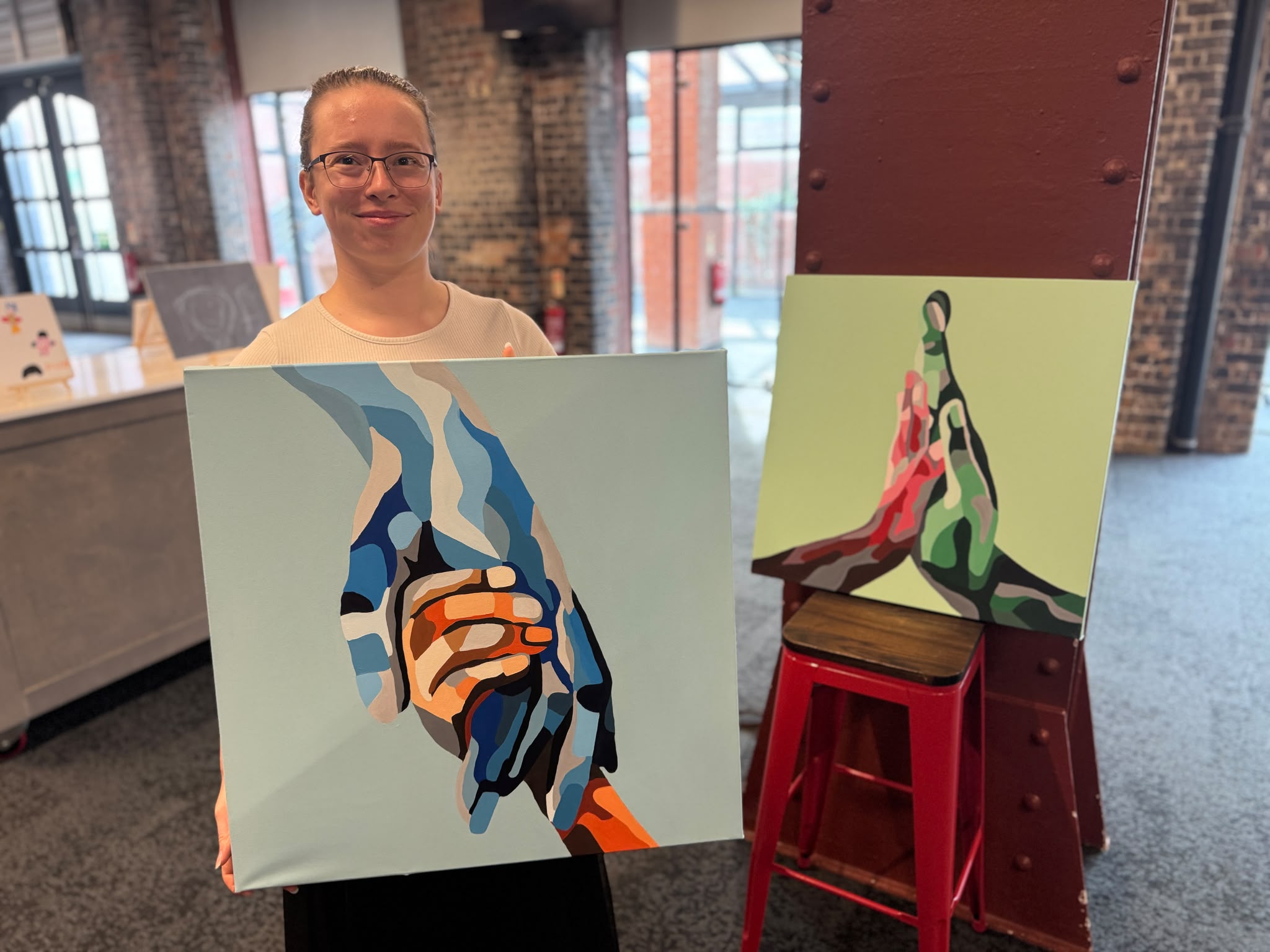
Local artist Charlotte Snipe created three pieces in response to artwork produced by foster children.
Her works featured hands, including a parent and child making a love sign, people holding hands and a high five, which she described as “symbols of hope and joy that fostering can bring”.
The exhibition aimed to ensure the experiences of children remained at the centre of discussions about recruitment, housing and the cost of providing placements.
Swindon Borough Council hopes increasing the number of local foster carers will allow more children to remain close to their schools, relatives, friends and communities.
To find out more, see their website.