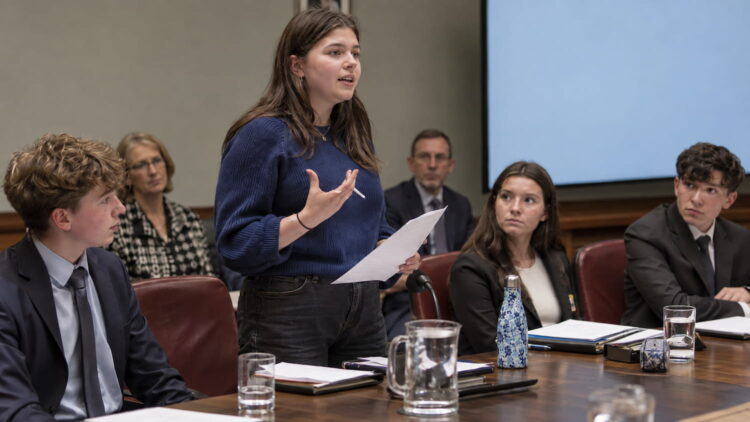

The issue comes as legislation to give 16 and 17 year olds the vote in UK elections progresses through Parliament, prompting debate about how young people should be represented locally.
Government funding for the UK Youth Parliament (UKYP) has been confirmed until March 2027, with £453,000 provided to the National Youth Agency to deliver the programme during the current year.
However, ministers have not committed to funding UKYP in its existing form beyond that point and are developing other ways for young people to participate in democracy and decision-making.
The Representation of the People Bill, which includes plans to lower the voting age to 16, has passed through the House of Commons and is currently progressing through the House of Lords.
But Swindon currently has no Members of Youth Parliament, with nobody locally having coordinated elections for the present UKYP term.
Although smaller groups and organisations provide opportunities for young people to have their say, there is no elected borough-wide youth body representing their peers across Swindon.
Political leaders in the town agree on the importance of youth participation, but have differing views on UKYP and lowering the voting age.
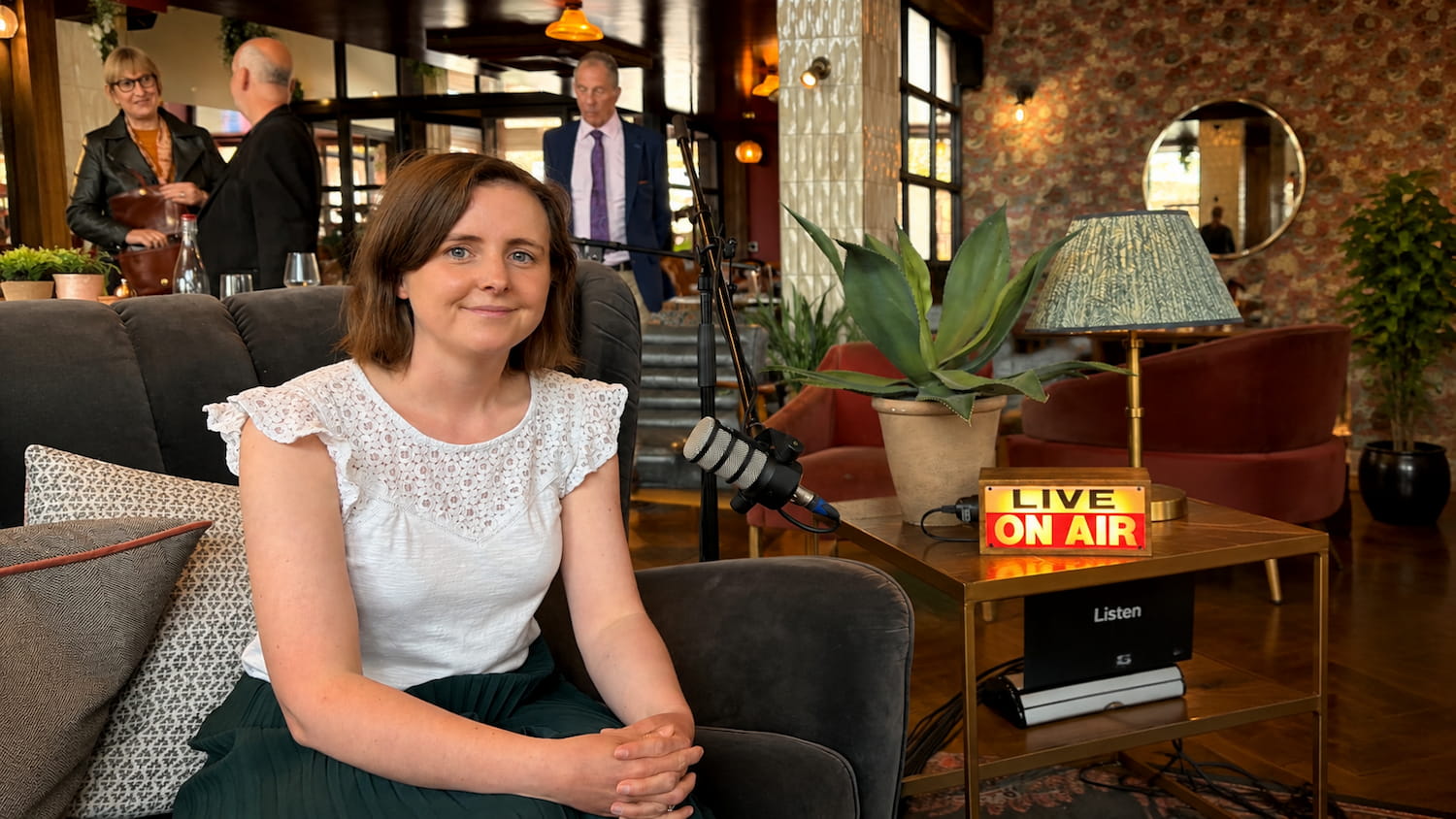
Cllr Kate Tomlinson, Swindon Borough Council’s Cabinet Member for Children’s Services, said:
“It’s an odd decision to scrap the youth parliament, especially at the same time as lowering the voting age.
“That being said, I do think it could be replaced with a better, more engaging scheme which could see more widespread involvement from local young people.
“In Swindon, I’m keen to explore new ways in which we can put young people at the heart of decision making, and having young voices feeding into that process is essential.”
The government’s National Youth Strategy includes plans to work with local areas to establish new Youth Councils across England, intended to give representative groups of young people influence over decisions affecting them.
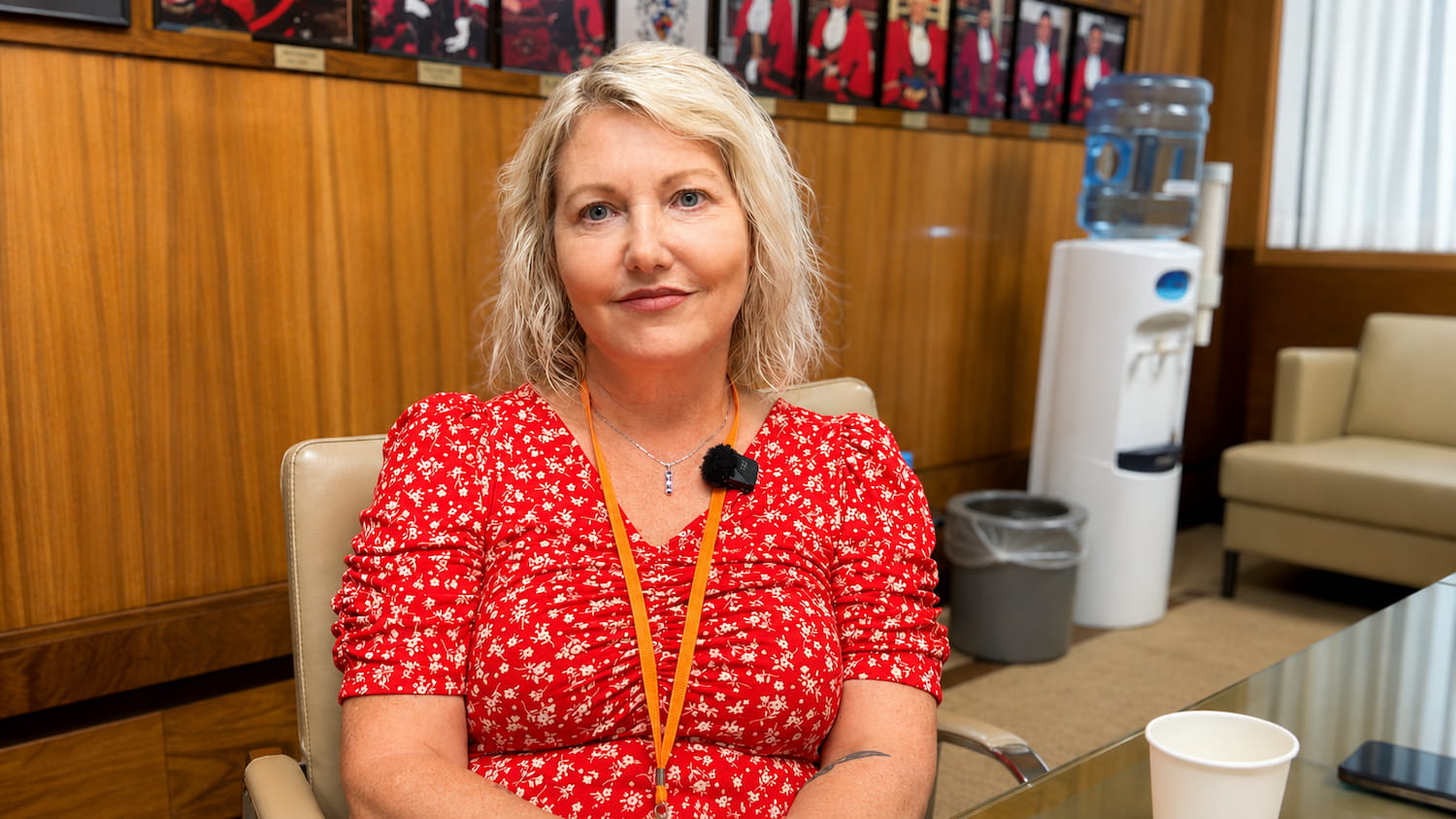
Cllr Sara Godwin, Leader of Reform UK Swindon, said:
“I’m disappointed that the UK Youth Parliament is potentially being axed. I think it is incredibly important that young people are given opportunities to engage with politics and understand how our democracy works.
“We should be encouraging young people to ask questions, debate the issues that affect their communities and engage directly with councillors and MPs. That is an important part of developing political awareness and understanding.
“That is, however, a separate question from Votes at 16. Reform UK does not support lowering the voting age to 16, and I support the voting age remaining at 18.
“There is no contradiction in encouraging young people to become politically informed while believing that the responsibility of voting should begin at 18.
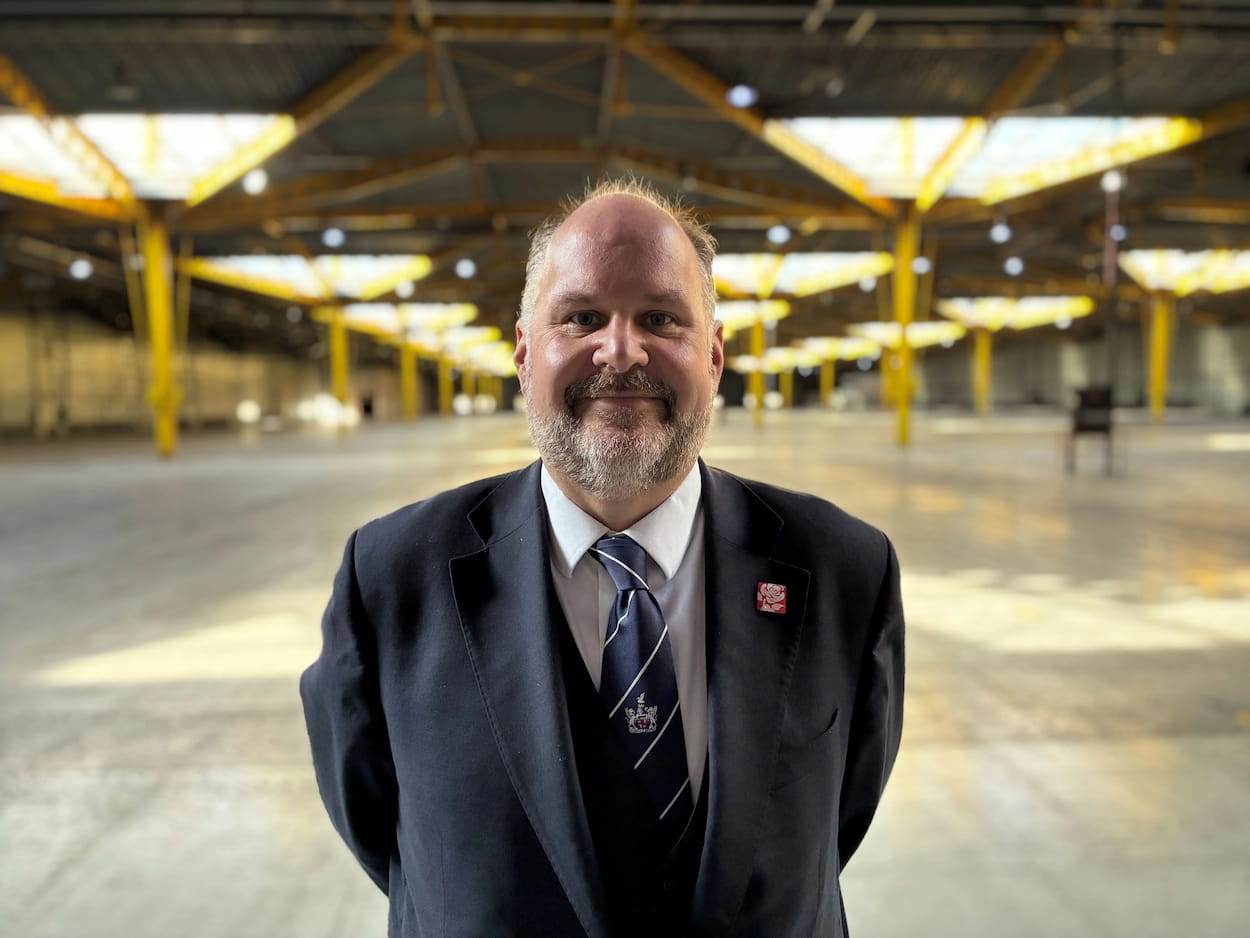
Labour & Co-op leader Cllr James Robbins backed votes at 16 and said his group wants to create more opportunities for young people to participate in local democracy. He said:
“The Labour & Co-op group in Swindon are really keen to find ways for young people to participate in the democratic process.
“It is clear that our young people are hugely passionate about issues such as climate change, supporting people regardless of their background and skills for young people. We want to support them to have their voices heard, and will look to hold events for them where they can do this.
“We support the votes at 16 campaign and want as many people as possible to be able to feed into the democratic process.”
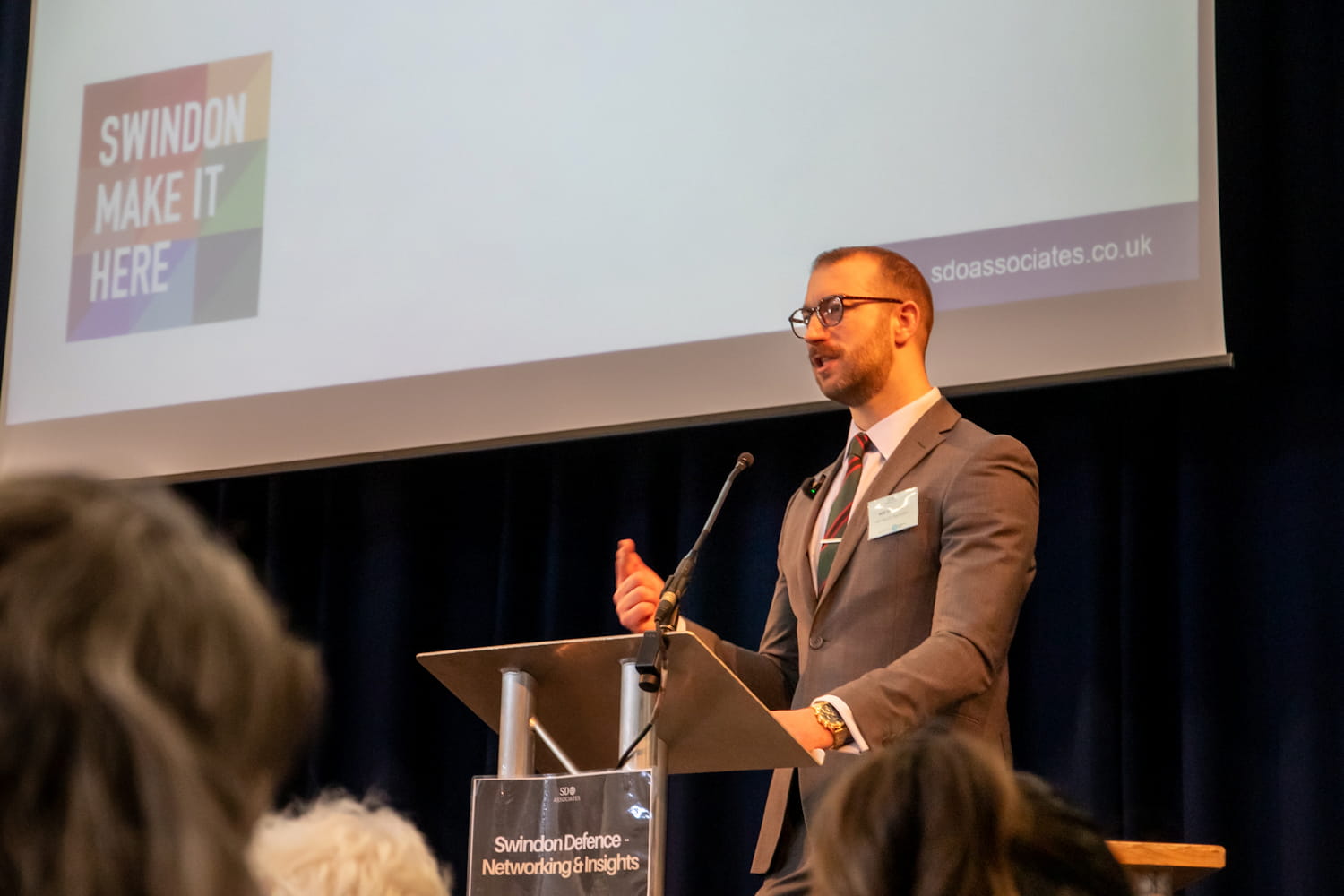
Swindon North MP Will Stone said UKYP adds value, while highlighting plans for a new debating competition involving secondary schools and colleges. He said:
“I understand no decision has been made at this stage on the youth parliament and whilst I think it does add value, it’s also key to give young people the opportunity to develop their debating skills across the country.
“That’s why I am looking to run a Swindon Debate competition for secondary schools and colleges, to build up confidence among state school students and give them an opportunity to thrive. The competition will take place in early 2027 and I’m encouraging schools to engage and sign up now.”
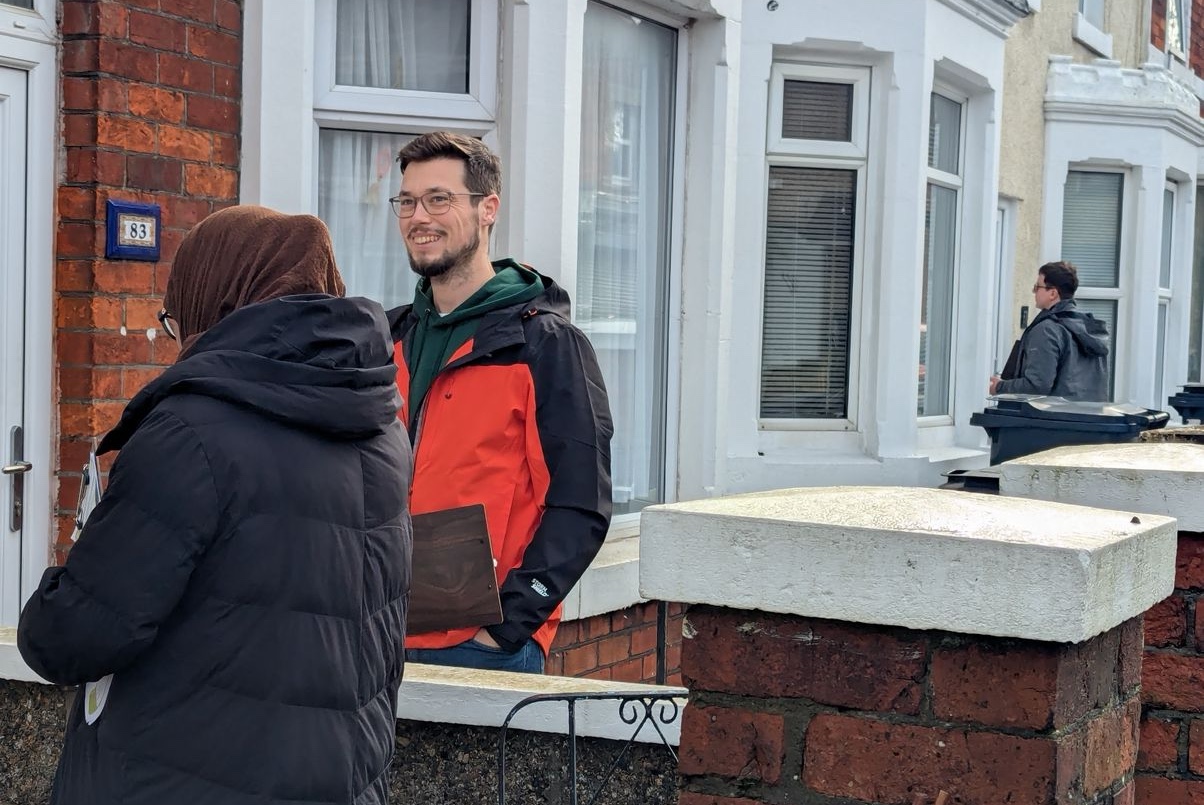
Tom Butcher, from the Green Party, called for continued funding for youth political engagement and supported lowering the voting age. He said:
“It’s concerning that the Labour government are talking about defunding one of the few programmes intended to get young people engaged in politics, especially when we stand at such a polarised point in our politics in this country.
“Now more than ever we need to be engaging young people in how they can positively impact democracy in their communities. It feels particularly poorly timed considering the change to votes for 16 year olds, which is a positive step.
“I hope they reconsider and continue funding youth engagement in the democratic system.”
The Government says its wider plans are intended to increase young people’s involvement in decisions, with its ten-year National Youth Strategy proposing Youth Councils across England.
For Swindon, uncertainty over UKYP has highlighted an existing gap rather than the potential loss of serving youth MPs. The town has previously had a youth council and smaller representative bodies continue to give some young people opportunities to make their views heard.
However, there is currently no permanent, elected, borough-wide body through which young people across Swindon can directly represent their peers. A new Swindon Youth Council could be one way of filling that gap, particularly as the Government develops its plans for similar bodies across England.
Such a council could provide young people from schools, colleges and communities across the borough with a formal route to raise issues and contribute to local decision-making. While Swindon’s political groups differ over votes at 16 and the future of UKYP, their responses show broad support for providing young people with opportunities to participate in democracy.
What form that representation takes in Swindon remains unresolved.