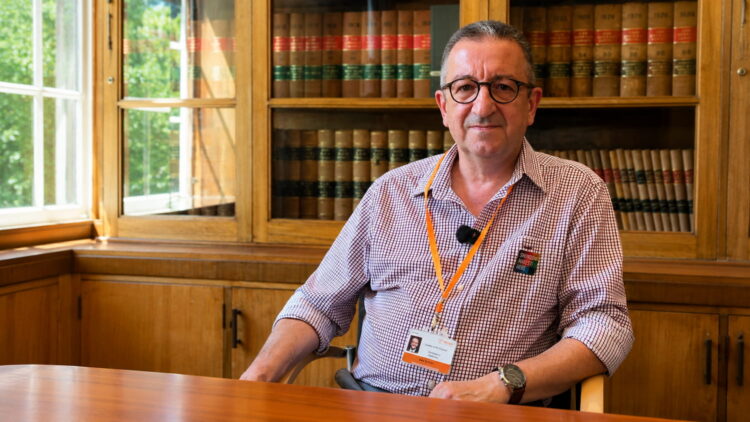

“During the election campaign we said we wanted to make people feel different about the town centre,” Gary Sumner told Swindon24. “We’re bringing something forward which is going to help demonstrate that.”
When we sat down with Swindon’s new council leader, he was careful not to reveal what that announcement would be. A few days later, the answer arrived.
Rather than a flagship regeneration project, a new development or a long-awaited masterplan, the Conservatives’ first major town centre announcement was The Big Town Centre Clean-Up, a concentrated programme of graffiti removal, jet washing, weed clearance, paving repairs, bench refurbishment and tougher enforcement against fly-tipping, backed by pressure on landlords and commercial property owners to improve neglected buildings.
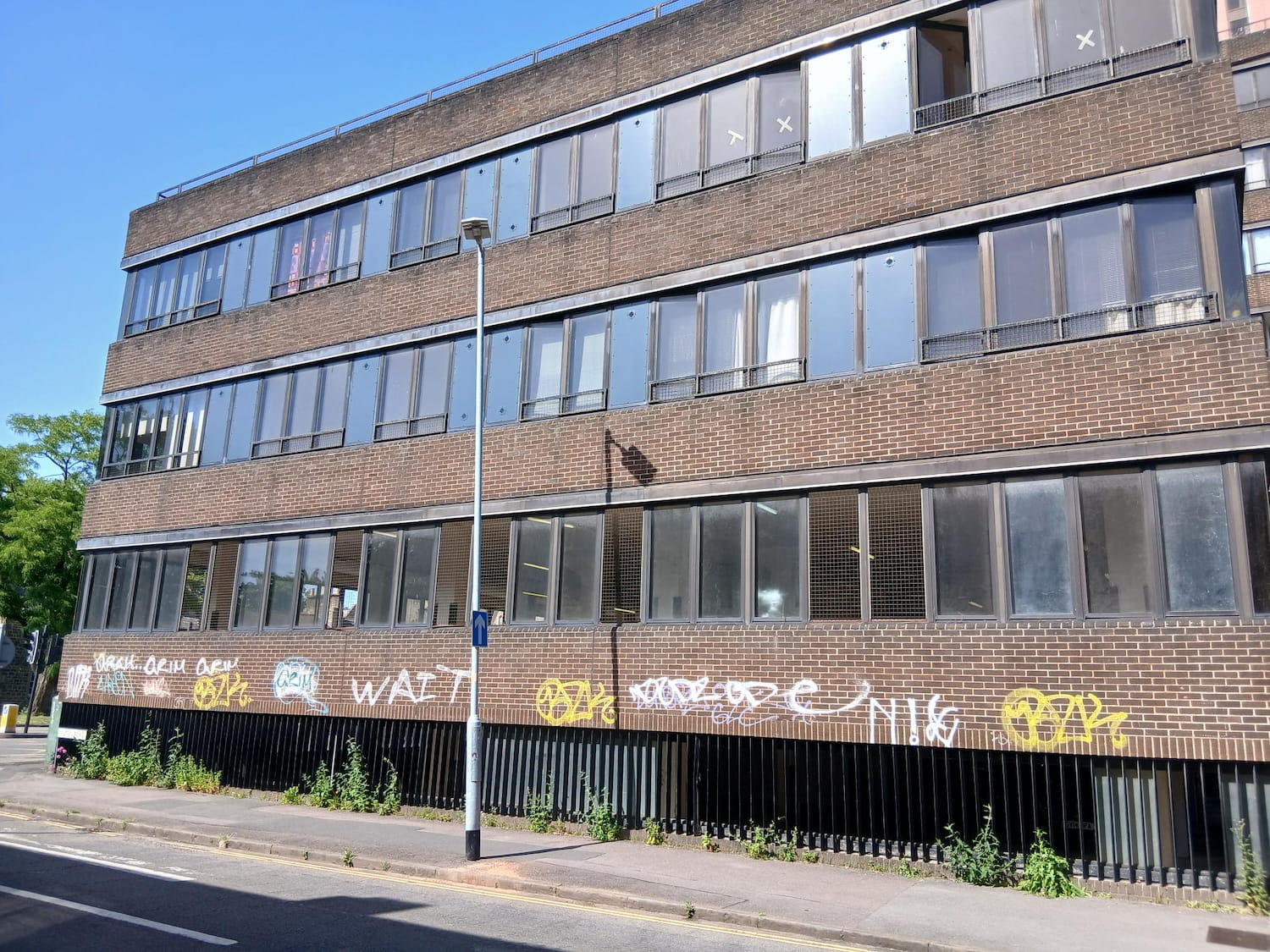
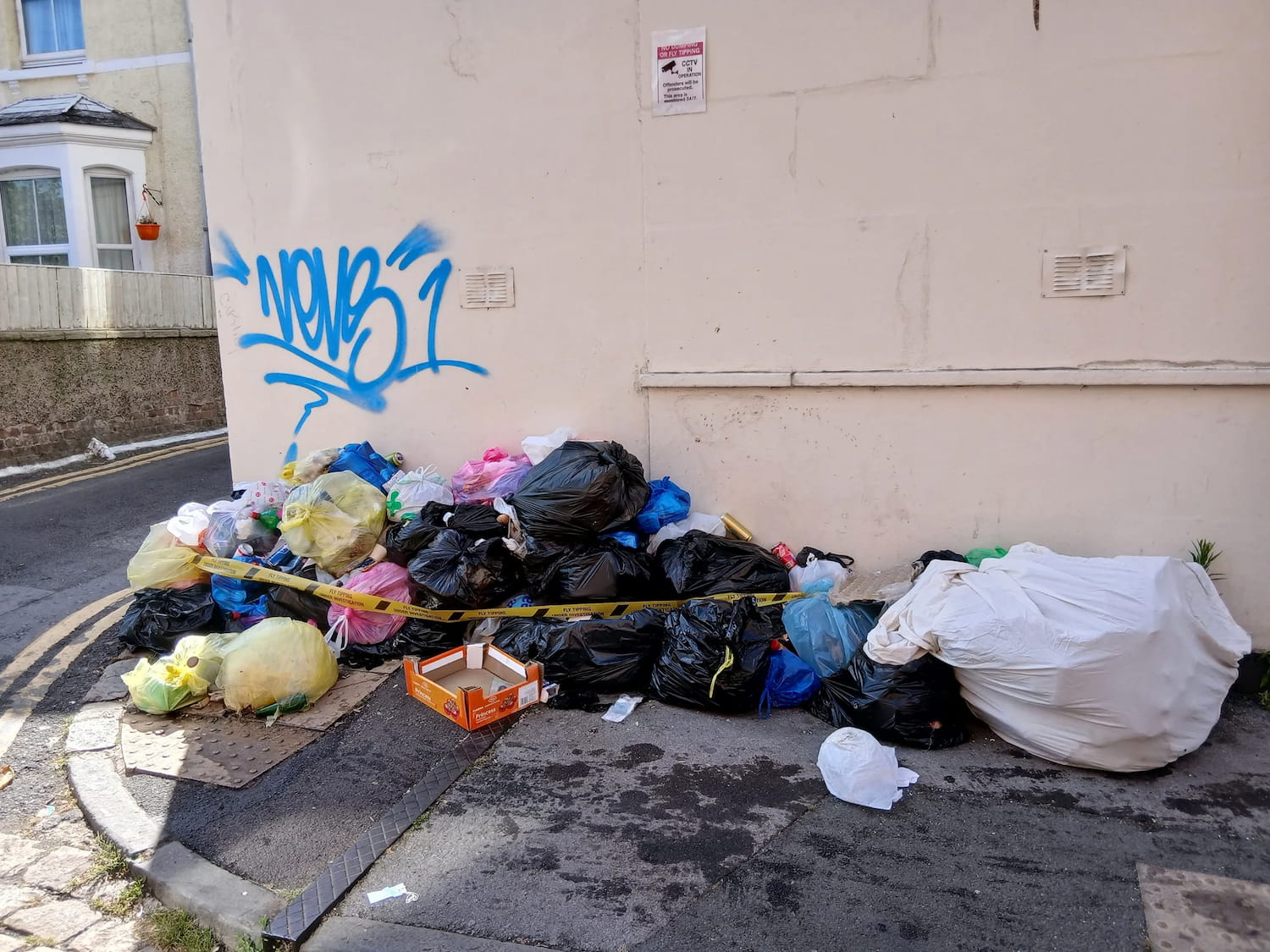
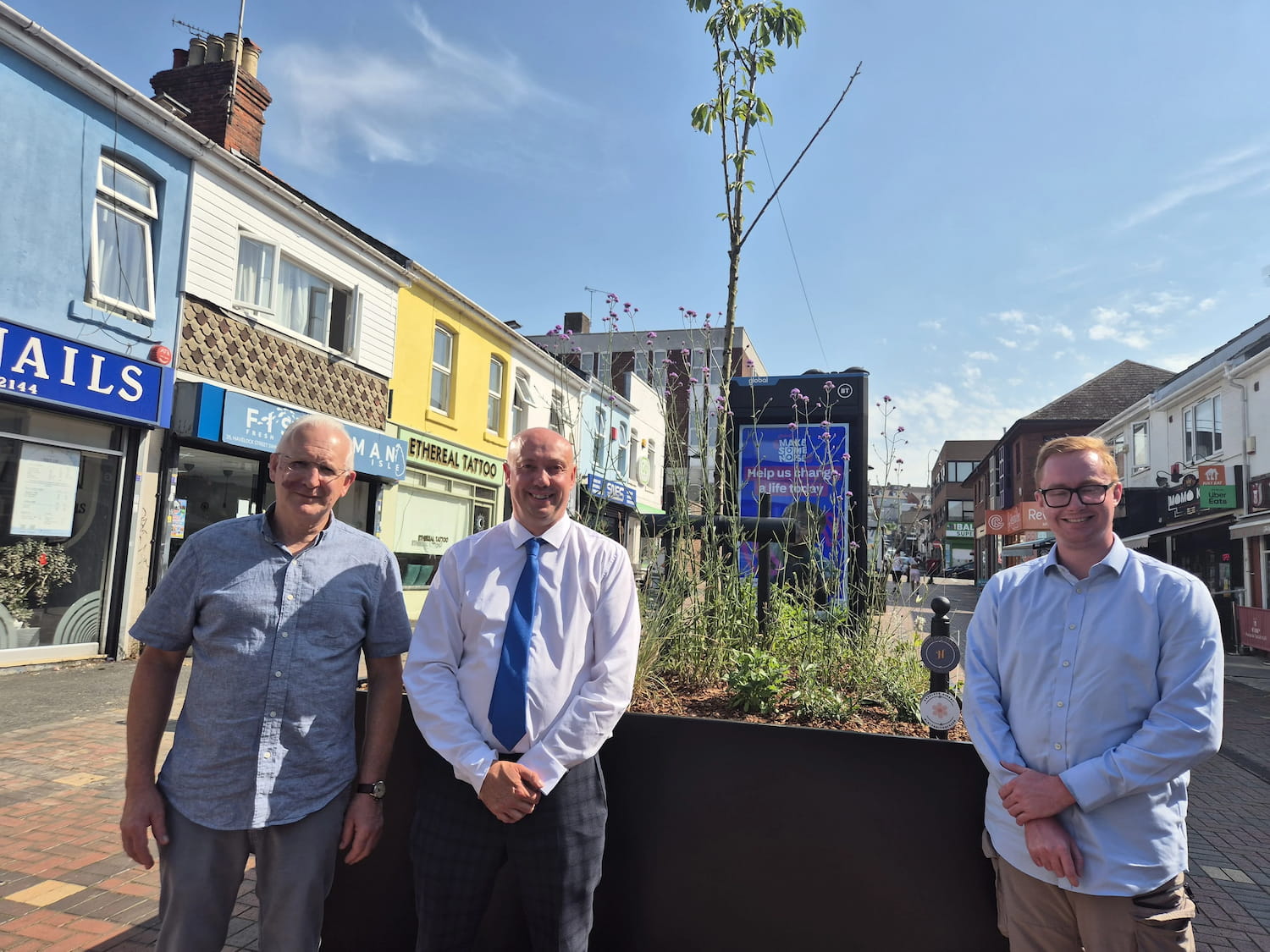
It is, by any reasonable measure, a worthwhile initiative. Residents and businesses have complained for years that parts of the town centre look tired and unloved, and few would argue against cleaner streets, repaired paving or a renewed effort to tackle environmental crime. But the announcement also tells us something about how Gary Sumner intends to govern.
Nearly 50 days after taking control of Swindon Borough Council, the defining characteristic of the new Conservative administration has not been bold political statements or new regeneration plans. Instead, it has been caution, a governing style rooted in financial realism, incremental improvements and a reluctance to promise more than the council can realistically deliver.
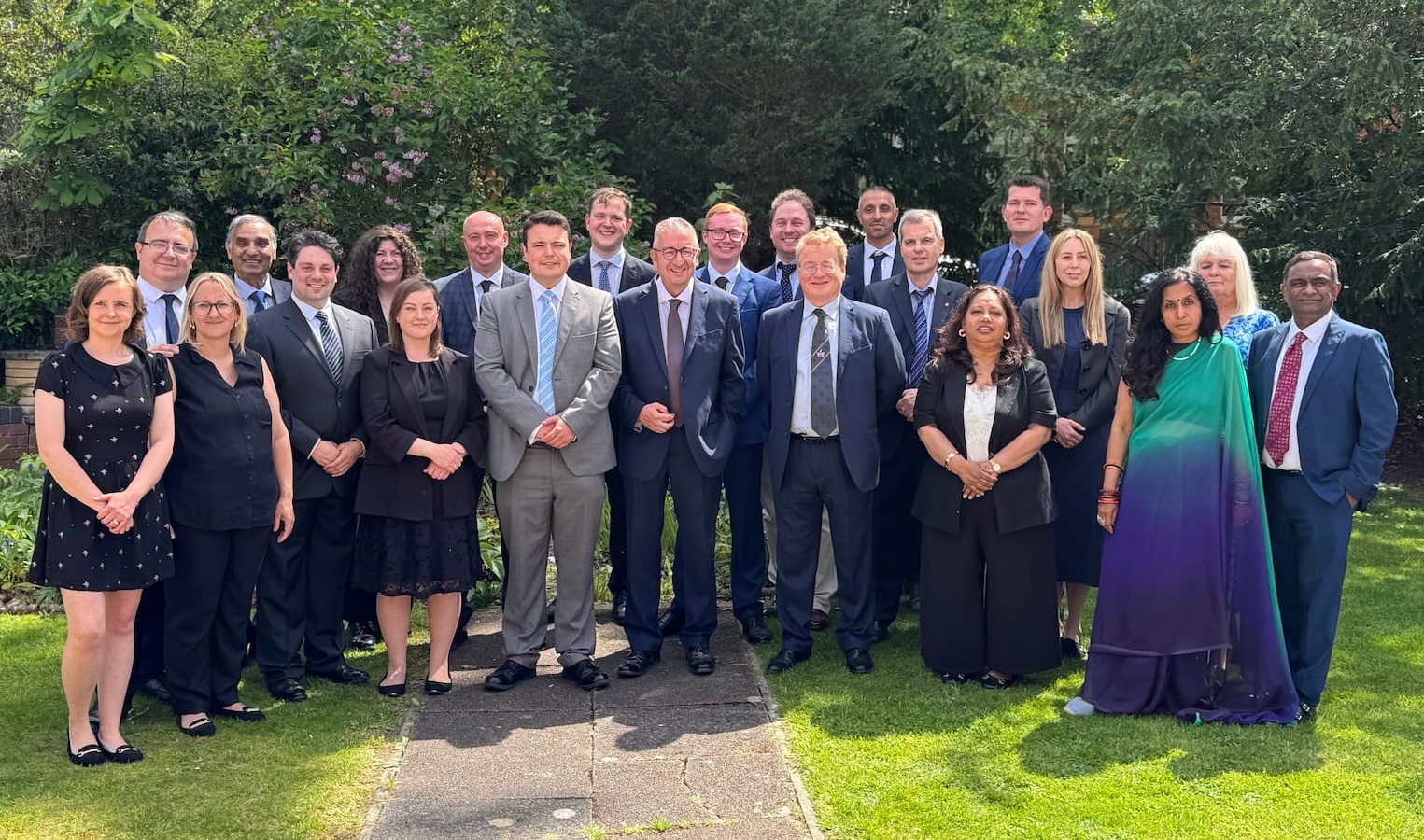
There are obvious reasons for that. The authority remains under severe financial pressure, with children’s services and adult social care continuing to consume an ever-growing share of the budget, while many of the town’s biggest regeneration schemes were already underway before May’s elections. It would have been easy, and politically tempting, to distance the Conservatives from Labour’s agenda and begin again. Instead, Sumner appears to have reached almost the opposite conclusion.
Throughout our conversation he repeatedly endorsed many of the projects already in motion, while making clear that every major decision would now have to pass a stricter financial test. The proposed entertainment venue at Kimmerfields is perhaps the clearest example.

“The entertainment venue proposal actually came from us in 2020,” he said. “The Government has committed £20 million, subject to a business case. Let’s see whether that business case stacks up. Ultimately we’ve got financial troubles at the council. If we’re having to borrow a lot of money, does that give us a return? Is it the right thing to do?”
Whether discussing housing, regeneration, parking or inward investment, Sumner consistently returned to the practical realities of governing rather than the politics of making ambitious promises. It marks a noticeable shift in tone from the previous administration.
For any criticism levelled at Labour, its ambitions were not difficult to identify. The Heart of Swindon vision, Kimmerfields, the proposed entertainment venue, work to improve certain sections of the town centre, whilst pushing for the reformation of the Business Improvement District all sought to paint a picture of what the town centre might become over the next decade.
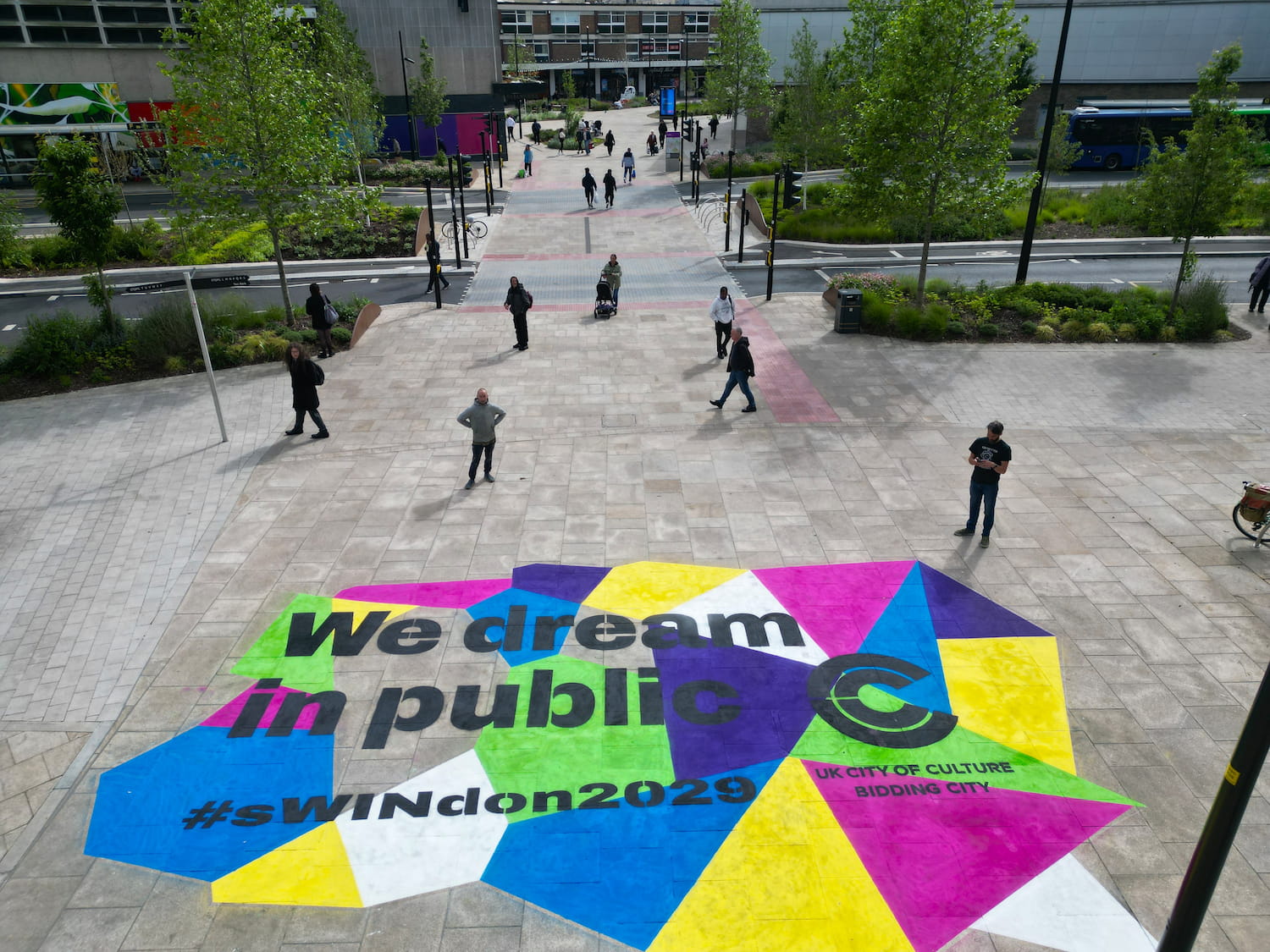
The Conservatives have not rejected much of that agenda, if anything, Sumner appears broadly comfortable with it. The entertainment venue remains supported, subject to proving its value. The City of Culture bid continues to enjoy councillor backing and Kimmerfields is still regarded as the town’s biggest regeneration opportunity.
What is less clear, at least for now, is what regeneration under Conservative leadership looks like beyond making those inherited ambitions financially deliverable. That becomes particularly apparent when the conversation turns to housing.
Labour’s Local Plan envisages significant residential development in the town centre over the coming years. Sumner does not dispute the ambition, but he is noticeably more sceptical about the timetable.
“The idea that they’re going to be building lots of homes in the town centre in the next five years is not going to happen,” he said. “This is a longer-term plan.”
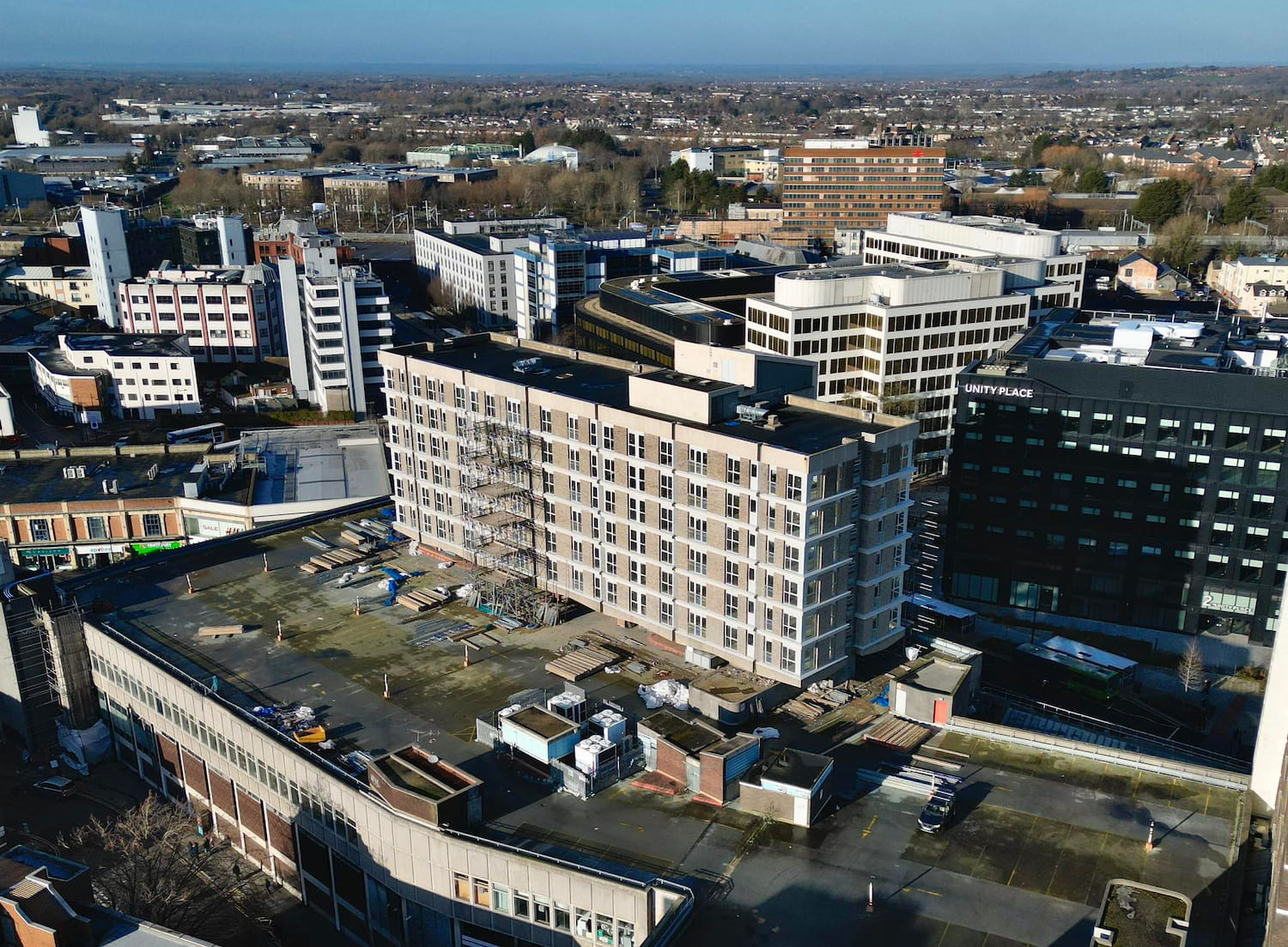
It is a candid assessment of the market. High construction costs, comparatively low land values and difficult borrowing conditions mean many schemes simply do not stack up without further Government support, a reality developers have privately acknowledged for some time. Whether residents welcome that realism or simply hear another explanation for delay is likely to depend on how quickly tangible progress begins to follow.
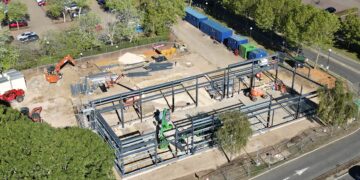
The same measured optimism runs through Sumner’s assessment of Kimmerfields itself.
“The officer team had 17 pretty strong expressions of interest in the Kimmerfields site. There is a pipeline of interest…. I had a really extensive briefing on it yesterday. I’m very excited about the next few years.”

There is little doubt that he believes Swindon is in a stronger position than many people assume, particularly as inward investment gathers pace around Panattoni and the emerging defence and drone sector. Yet even at his most optimistic, Sumner rarely strays into certainty.
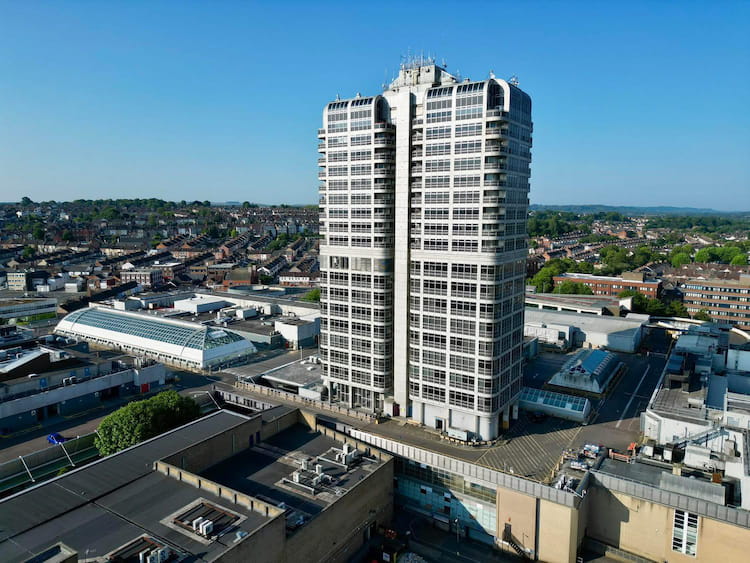
Asked what he would do about the DMJ Tower if money were no object, however, one answer came without hesitation.
“If I could wave a magic wand, I would turn [the David Murray John Building] back into good quality apartments. I think this is an opportunity to reimagine the David Murray John Building and have it as a shining building looking over the rest of Swindon.”
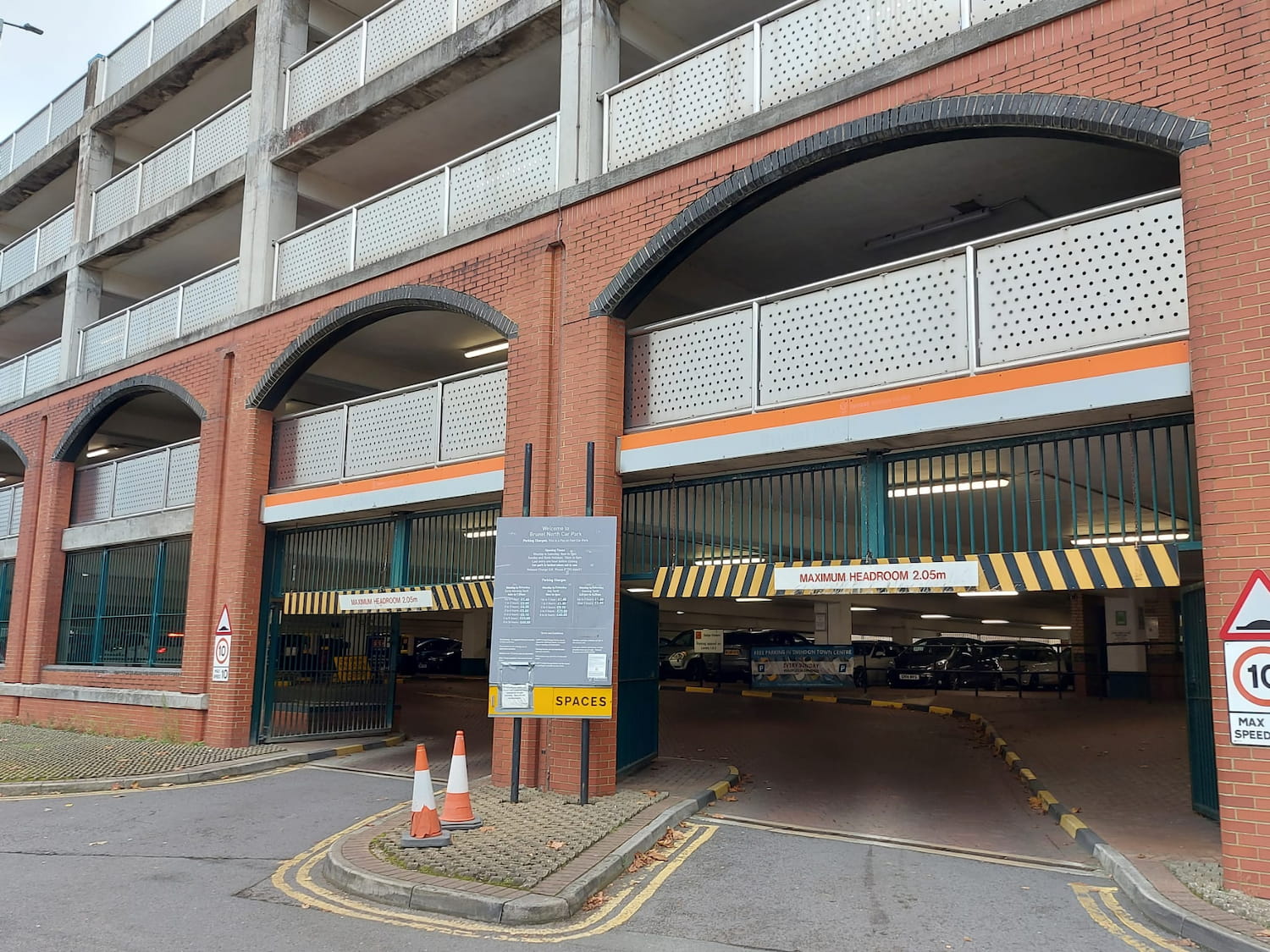
Parking, one of the Conservatives’ most prominent election issues, may become the administration’s first significant policy difference from Labour. Sumner accepts that the changes introduced earlier this year frustrated businesses and residents, particularly in Old Town and around the Health Hydro, and says work is underway to review both the tariff structure and the possibility of introducing 30 minutes of free parking.
“We know it really aggravated the business community,” he said, before turning to families taking children to evening swimming lessons. “Those poor people are now paying around £6.50. Absolutely ridiculous.”
That announcement may not be far away. The first town centre announcement, however, has already arrived, and in many ways The Big Town Centre Clean-Up feels like the physical expression of the philosophy Sumner outlined throughout our interview.
Rather than beginning with cranes, construction sites or another glossy vision document, the administration has chosen to start with the everyday frustrations residents notice most, the graffiti that never seems to disappear, the weeds growing through paving, neglected benches, dirty streets and fly-tipping. Alongside those visible improvements, the council will increase enforcement, challenge owners of neglected buildings and encourage businesses and community groups to play a greater role in improving the town centre environment.
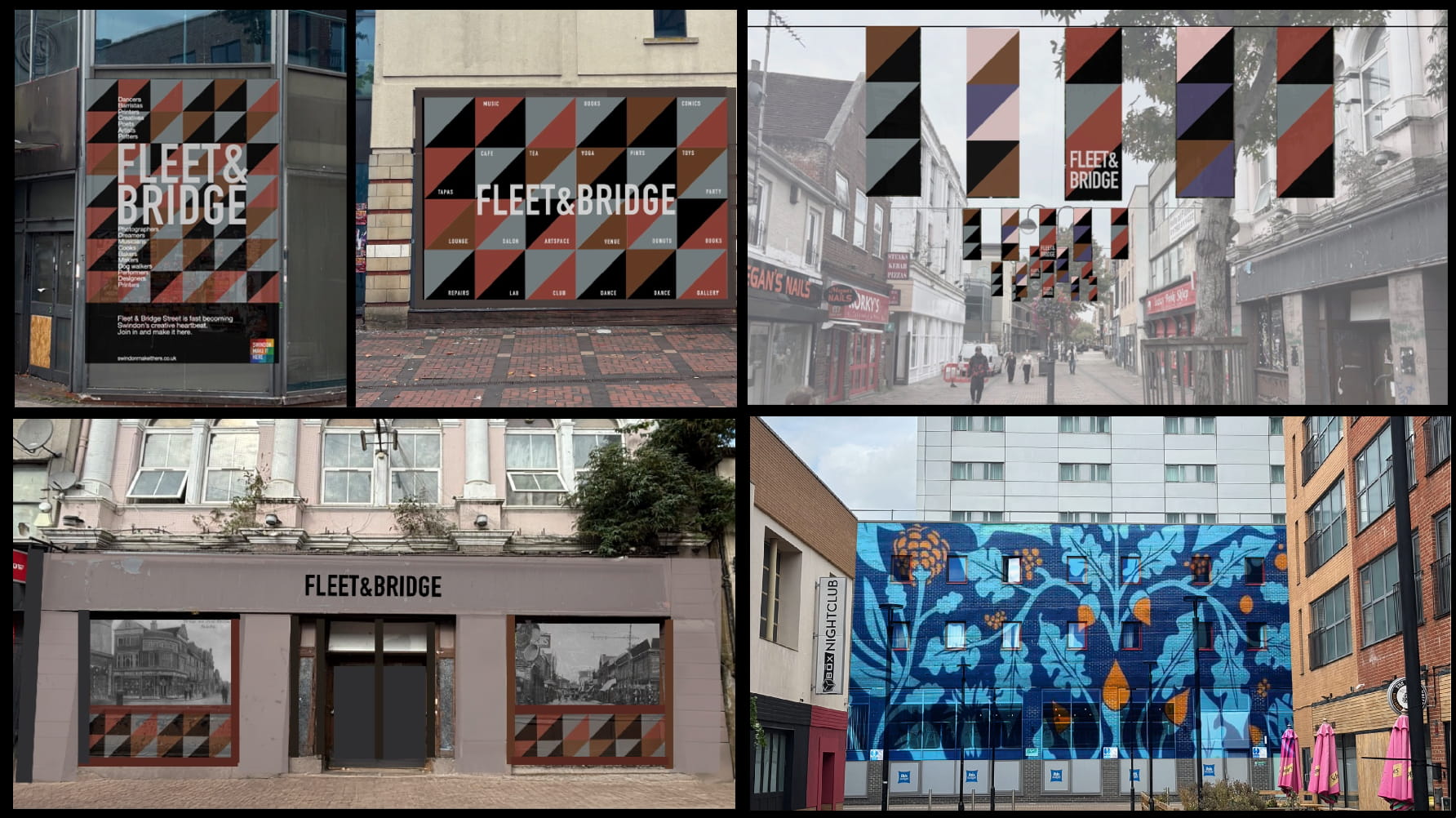
None of those measures will transform Swindon on their own, nor do they pretend to. What they do suggest is an administration that believes confidence in the town centre starts with getting the basics right before asking investors, developers and the public to buy into something bigger.
The political challenge is that caution rarely defines an administration’s legacy. Sooner or later, the questions will move beyond cleaner streets and repaired paving. Residents will want to know what becomes of Kimmerfields, whether David Murray John tower finds a new purpose, what happens to the Oasis, how the town centre grows, and what the Conservative vision for Swindon ultimately looks like.
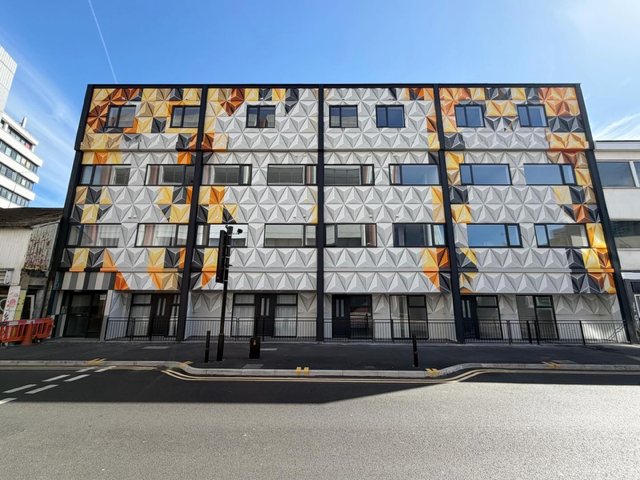
The Big Town Centre Clean-Up is a sensible place to begin, and few would argue that the town centre does not need it. Whether it becomes the first chapter of a broader Conservative vision for Swindon, or simply a well-executed programme of maintenance, is the question that the months ahead will begin to answer.