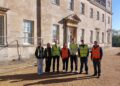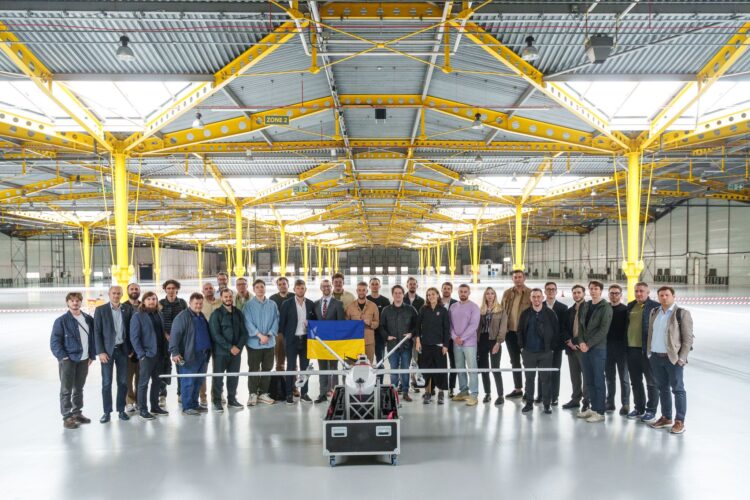

The high-level delegation was joined by officials from the Ukrainian Embassy and European drone manufacturer Tekever as part of a new UK-Ukraine defence technology initiative.
The visit brought some of the key figures behind Ukraine’s wartime technology development to Swindon, highlighting the town’s growing profile in the defence and drone sector.
Swindon North MP Will Stone, who has been promoting plans to establish the town as a centre for drone manufacturing and defence innovation, welcomed the group.
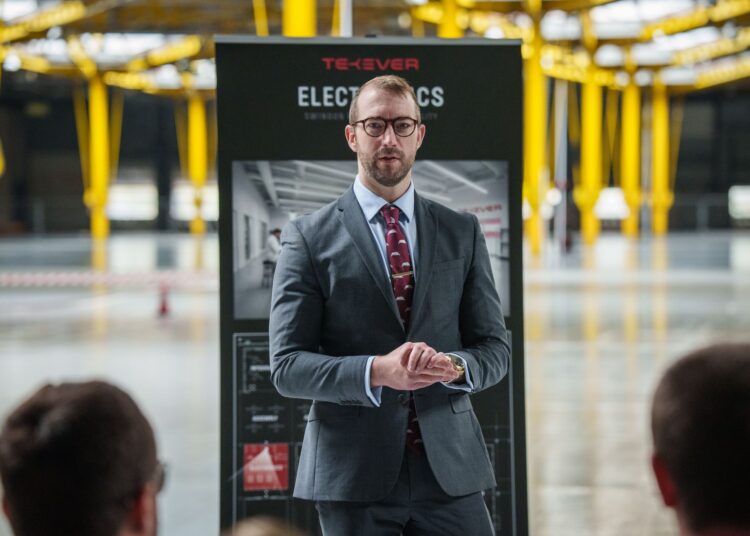
He said:
“Alongside Tekever, I was delighted to welcome the Brave1 delegation from Ukraine to Swindon.
“As Swindon emerges as the drone manufacturing hub of the UK, it is important to build strategic relationships with Ukraine. Many of our companies are already supporting the war through Task Force Kindred.
“My aim is to bring Ukrainian manufacturing to the UK so we can develop and thrive together.
“A massive thank you to Denys from the embassy and Artem from Brave1 for organising the trip.”
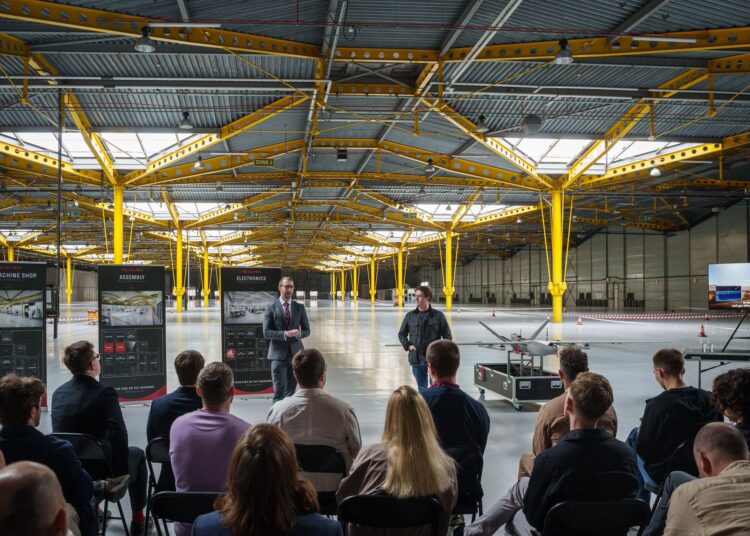
Since Russia’s full-scale invasion in 2022, Ukraine has become a centre for rapid battlefield innovation. Engineers and technology firms have developed drones, autonomous systems, electronic warfare capabilities and artificial intelligence-powered military technology at pace.
At the heart of that effort is Brave1, a government-backed defence technology cluster set up to connect inventors, manufacturers, investors and military users. The programme has supported thousands of defence technology projects and is regarded as one of the most influential defence innovation ecosystems globally.
The visit also brought together representatives from Tekever, one of Europe’s most prominent drone manufacturers. The company has become a major supplier of surveillance and intelligence-gathering drones and has played an important role in supporting Ukraine’s defence efforts.
The significance of Tekever’s involvement is particularly important for Swindon. Earlier this year, the company unveiled plans to transform the town’s iconic Grade II* listed Spectrum Building, formerly Renault’s UK headquarters, into a cutting-edge drone manufacturing and engineering facility.
The meeting was therefore not just about future partnerships, but a tangible demonstration of the infrastructure and ambition that Swindon is bringing to the sector.
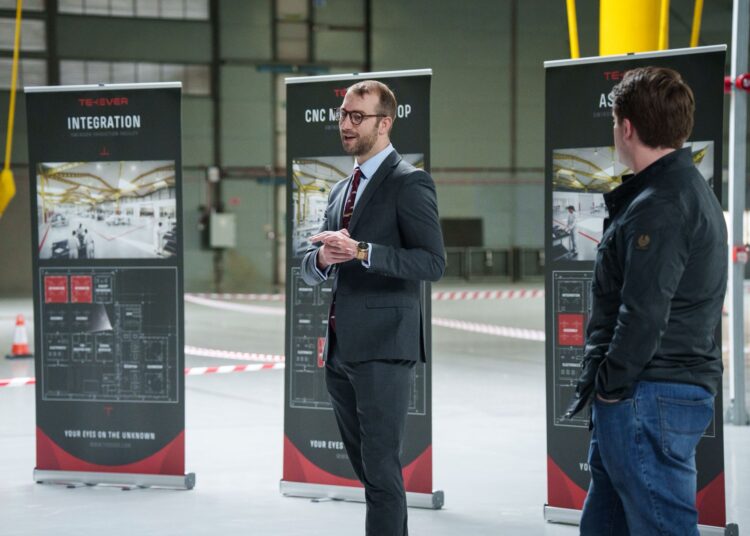
In recent months, Mr Stone has outlined his vision of making Swindon the UK’s drone manufacturing hub. He has argued that the town’s engineering heritage, manufacturing base and strategic location position it well for growth in defence technology.
Swindon already has established strengths in advanced manufacturing, engineering and logistics. A growing number of local firms are also becoming involved in defence supply chains.
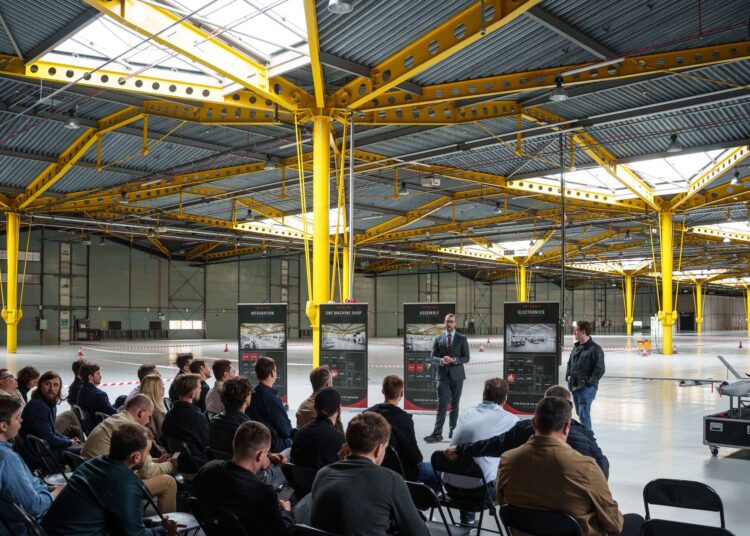
Mr Stone has also spoken about his ambition to bring Ukrainian manufacturing capability to the UK. Such a move could open the door to joint production, research partnerships and investment, while strengthening Britain’s defence industrial base.
With defence spending rising across Europe and increased investment in drones and autonomous systems, the sector is expected to expand significantly in the coming years.
While no formal investment announcements were made during the visit, the delegation’s presence in Swindon suggests the town’s ambitions are attracting international attention.