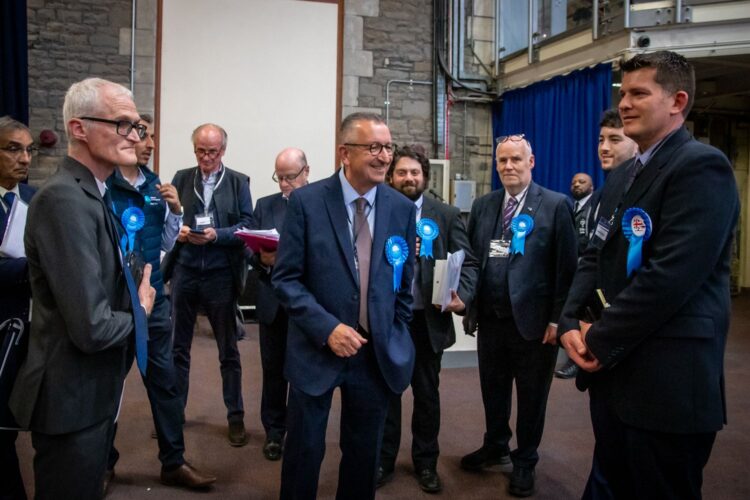

All 57 seats were contested, with 29 required for an outright majority.
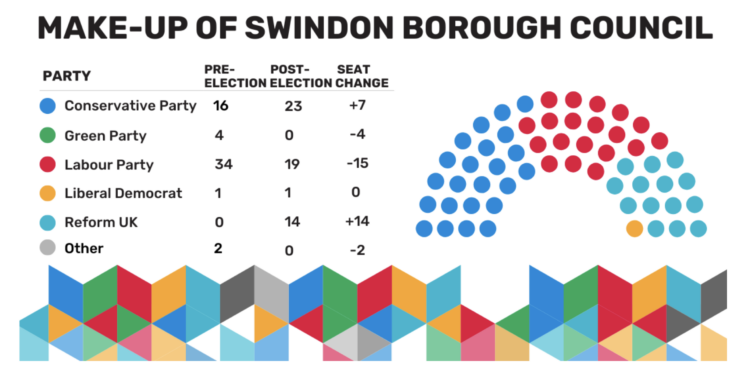
The Conservative Party emerged as the largest group with 23 seats. However, they remain six short of the numbers needed to govern alone.
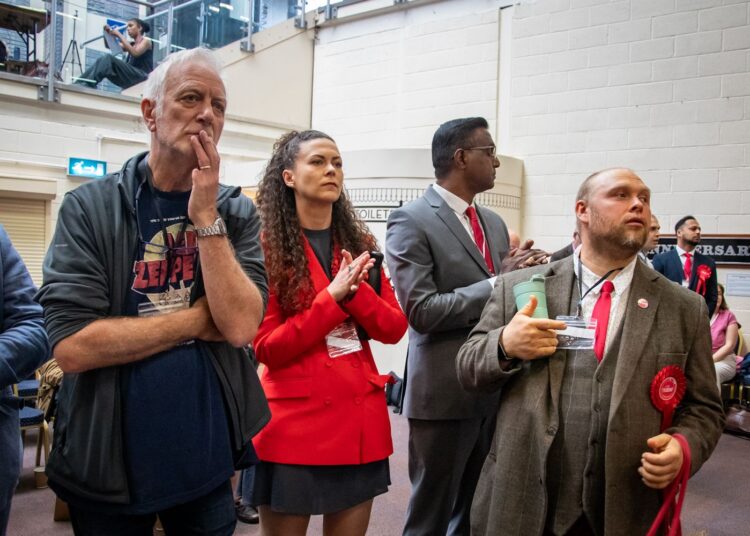
Labour secured 19 seats, losing ground and relinquishing overall control of the authority.
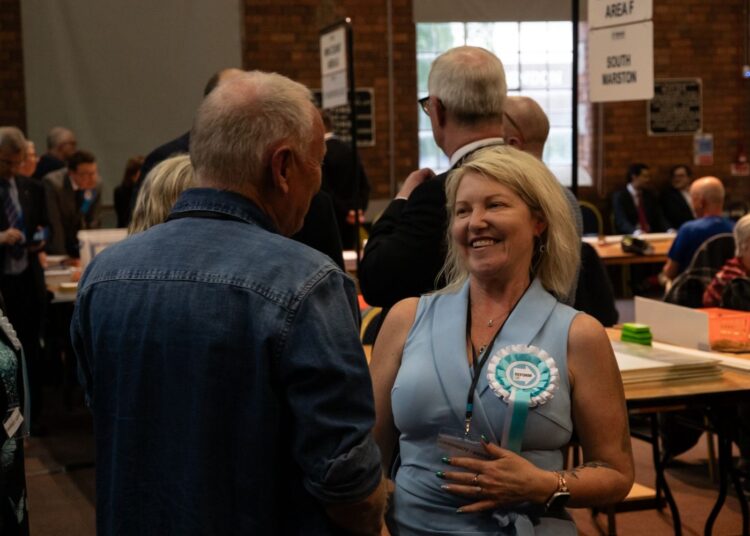
Reform UK made significant gains, winning 14 seats across the borough. The party had no councillors prior to the election and now holds a substantial presence in the chamber.
The Liberal Democrats retained one seat, while the Green Party failed to secure representation. Borough-wide turnout was recorded at 43.7 per cent.
The result mirrors wider national trends seen overnight, where Reform UK recorded breakthroughs in councils across England. In several authorities, the party moved from little or no representation to double figure seat counts.
Nationally, both Labour and the Conservatives saw support fragment, with traditional two party dominance weakened by the rise of smaller parties. Swindon reflects that pattern, with three sizeable groups now represented and no single party commanding a majority.
However, there are also differences.
In some parts of the country, Reform emerged as the largest party. In Swindon, the Conservatives gained that position from Labour despite the challenge from Reform.
Labour’s drop from overall control in Swindon also reflects a softer performance nationally in certain areas, although in other councils across the country the party has remained resilient.
What is consistent is the shift away from decisive majorities. Like many authorities across England, Swindon now faces a period of negotiation.
With no party reaching 29 seats, the council will require cooperation, confidence agreements or a formal coalition in order to function effectively. The Conservatives, as the largest group, may seek to form an administration, but any leadership arrangement will depend on support from other councillors.
Reform UK’s 14 councillors now represent a significant bloc, giving the party considerable influence over key votes and policy direction.
Labour, as the second largest group, could also play a central role in shaping how the authority is run.
The coming days are likely to determine whether Swindon sees a minority Conservative administration, a cross party arrangement, or another form of agreement.
What is clear is that voters have delivered a divided chamber, reshaping the borough’s political landscape in line with a changing national picture.