
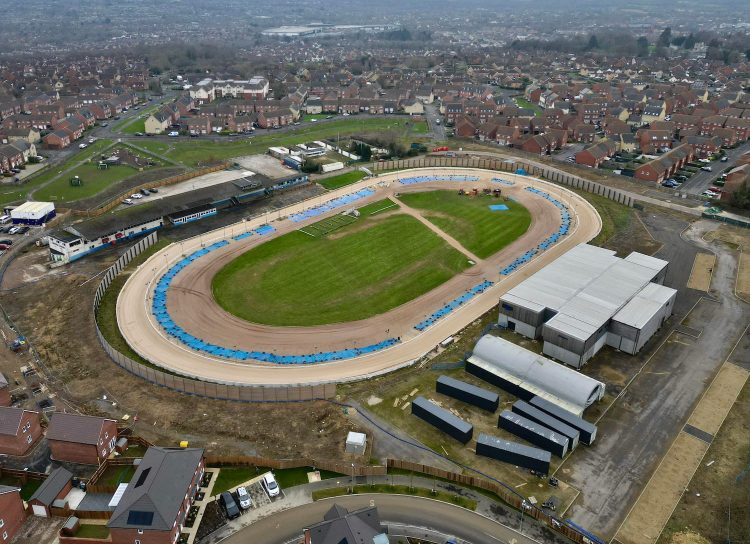

The application, submitted by Legal and General Affordable Housing, seeks full permission to clear the former stadium on Lady Lane and deliver a mix of houses and apartments, along with public open space and supporting infrastructure.
In a report prepared for committee, officers state that while the proposal would bring housing and economic benefits, “the harms… significantly and demonstrably outweigh the benefits” at this stage.
The site sits within Swindon’s urban boundary and is classed as sustainable in planning terms. It is also brownfield land, and the borough cannot currently demonstrate a five-year housing land supply.
Most technical consultees, including ecology, drainage, environmental health and National Highways, have not objected in principle.
Highways officers have raised no concerns over access or wider traffic impact. However, they object to the level of parking proposed.
Policy requires 307 spaces for a development of this size. The scheme provides 265, leaving a shortfall of 42 spaces.
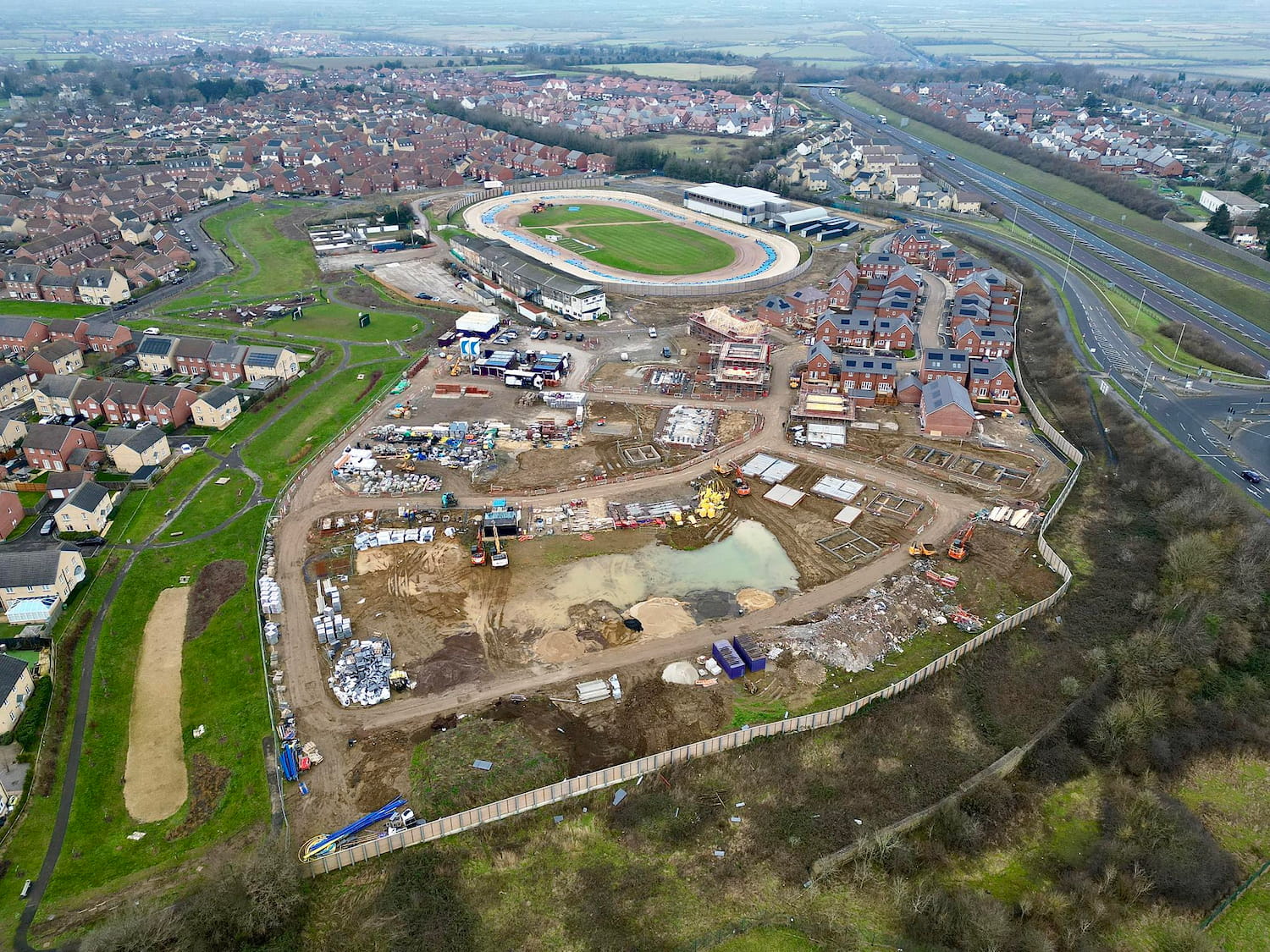
Officers warn this could result in “inadequate arrangements for the parking of cars, with consequent risk of harm to the safe and effective operation of the highway”, and recommend refusal on that ground.
The central issue, however, relates to leisure policy.
Under Local Plan policy CM4, community facilities should not be lost unless specific criteria are met, including replacement provision.
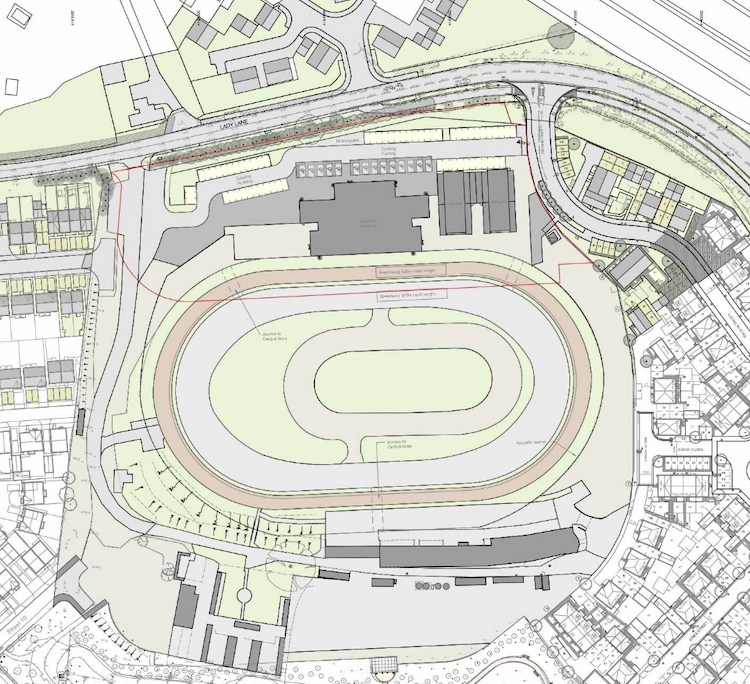
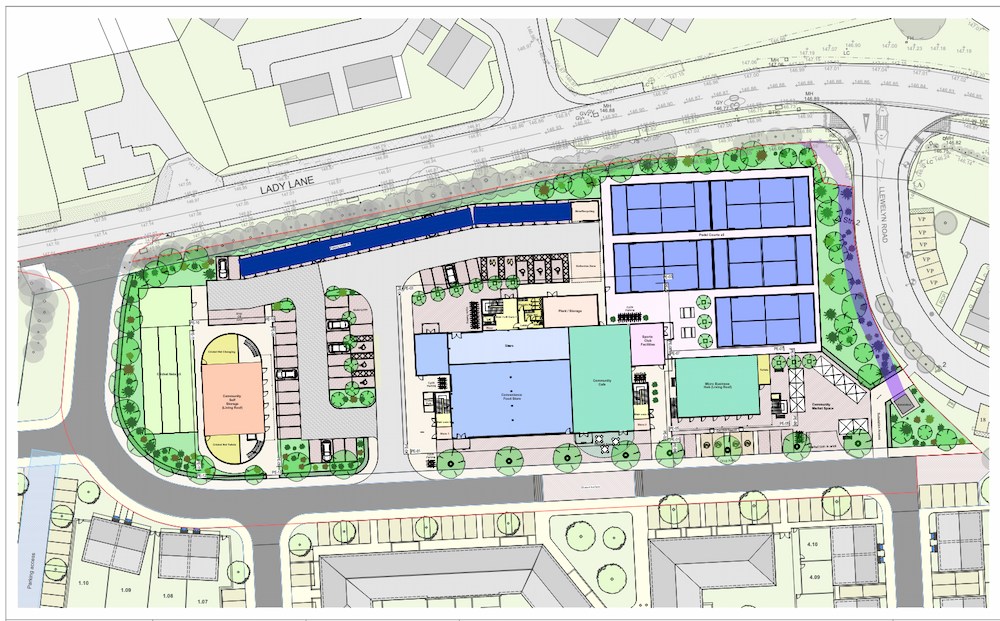
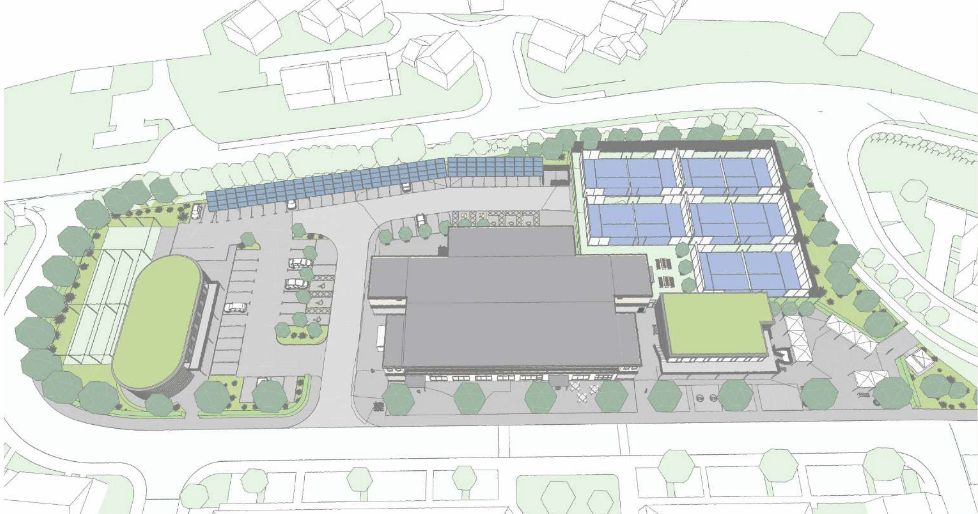
A linked application proposes a new community hub on the northern part of the site. This would include a minimarket, café, business hub, cricket nets and padel courts.
Officers state that, in principle, those facilities could satisfy policy requirements. However, they highlight concerns over how and when they would be delivered.
The council proposed a condition preventing development from progressing beyond slab level until replacement facilities were available for public use. The applicant rejected this and instead sought to allow occupation of up to 75 per cent of the homes before the leisure provision was delivered.
Officers consider that position unacceptable.
The report concludes that “there can be no further residential development of the site until such time as the alternative community facilities are available for public use”, and states that the absence of an acceptable mechanism linking the two elements justifies refusal.
The council’s revised Playing Pitch and Outdoor Sports Strategy, adopted in February, is also central to the recommendation.
While acknowledging that speedway is in national decline, the strategy states that each closure increases the importance of protecting remaining venues. It confirms ongoing local demand and concludes Abbey Stadium should be safeguarded until an alternative site is secured within or close to Swindon.
The planning officer notes that a director of Swindon Speedway has confirmed in writing that the Robins will not return to the stadium, describing the venue as unviable. However, the strategy considers wider public interest as well as the operator’s position.
A recent appeal decision in Coventry, where redevelopment of a speedway stadium was refused, is cited as a relevant consideration.
Officers conclude that demolition without a viable alternative would result in the permanent loss of speedway in the area, contrary to policy.
The proposal meets national space standards and is considered acceptable in design terms. However, it falls short of the council’s 30% affordable housing requirement.
An independently reviewed open-book viability appraisal found the scheme could not support full policy-compliant affordable housing alongside other obligations. As submitted, it would provide 6% affordable housing.
The report indicates that requiring full education and open space contributions would further affect viability.
More than 50 public comments have been received, the majority objecting to the plans.
Objections reference the loss of a 75-year landmark, concerns about traffic and infrastructure, and the absence of a guaranteed replacement speedway venue.
Support has also been submitted. Game4Padel highlighted demand for new sports facilities, while a director of Swindon Speedway 2013 Ltd wrote in support, stating the stadium is unviable and suggesting refusal could prevent speedway returning in another form.
Officers set out a planning balance in their conclusion.
They acknowledge the benefits of 130 new homes, regeneration of a brownfield site, economic activity, biodiversity net gain and Community Infrastructure Levy income.
Against that, they identify the loss of a protected speedway facility, the failure to secure timely replacement community provision and the parking shortfall.
On that basis, refusal is recommended.
The application has been called to committee due to the level of public interest. Councillors will decide whether to follow the officer’s advice or depart from it.
The decision will determine the future of Abbey Stadium and how strictly leisure policies are applied amid housing pressures in Swindon.












This was always the plan to never build a new stadium don’t let them get away with it please,they should have been made to build the new stadium first.
Swindon speedway was there long before the houses, and therefore should stay there regardless of the noise complaints from the newer houses. The load of the stadium would impact the area as it brought in fans from other areas increasing the Veiw of Swindon. And with the gradual loose off the town centre, I don’t think the town can sustain such a loss, and that a redesign of the stadium and it’s other useses would be a better idea, especially as there is no longer and decent market facilities around the town. Especially considering the cost of living crisis. The council should consider this and maybe add sound berms around to reduce the noise, like at the Wichelstow development. Housing should not be prioritised over socail activities, education and Green spaces. Also the cosideration of personal gain by persons or bodies within this needs to be assessed.