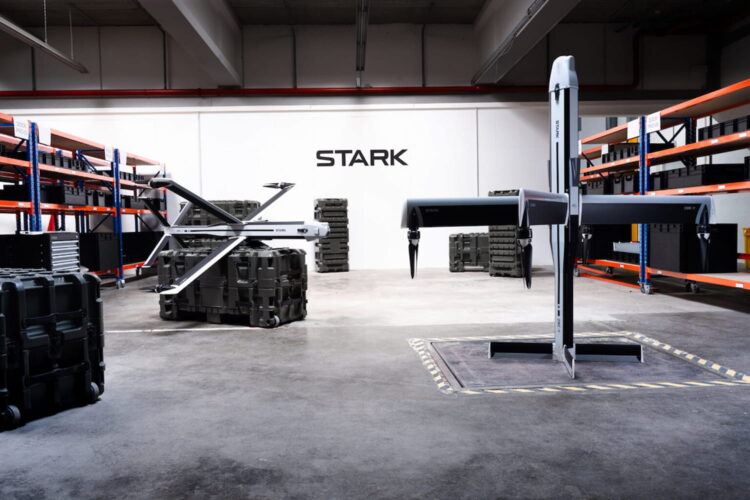

Military experts believe Britain’s stockpile of around 8,000 drones would be sufficient for only about one day’s fighting in a modern drone-based war, according to a report in The Times. The Government has now unveiled a £5 billion programme for drones and autonomous systems as the centrepiece of its new Defence Investment Plan, a move that helps explain why Swindon has suddenly found itself at the centre of Britain’s rapidly expanding drone industry.
The report says Ukraine is using approximately 200,000 drones every month in its war against Russia. Ukraine is expected to manufacture more than 7 million drones this year, while Russia is capable of producing around 15 million small first-person and kamikaze attack drones annually. Those figures help explain why Britain is investing heavily in new drone technology and why Swindon’s new Uncrewed Systems Centre, at the Panattoni site, is set to play a significant role in the UK’s future defence capability.
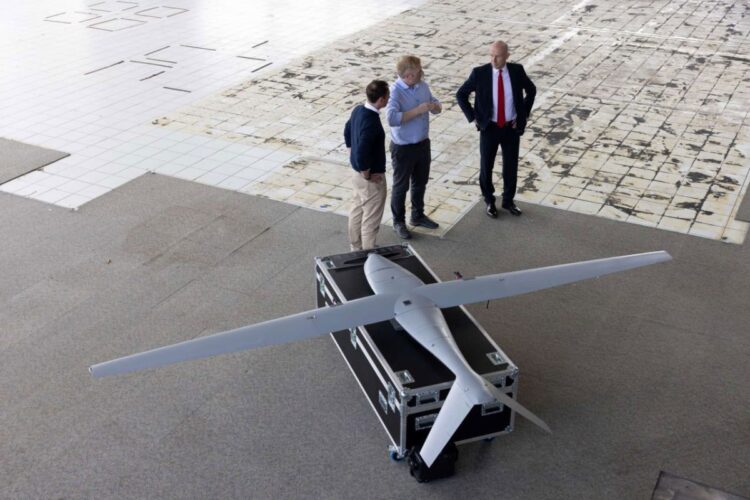
The figures highlight how rapidly warfare has changed. In Ukraine, inexpensive drones are carrying out surveillance, intelligence gathering and precision attacks at a scale never seen before. Military planners increasingly believe future conflicts will rely as much on software and autonomous systems as traditional military hardware.
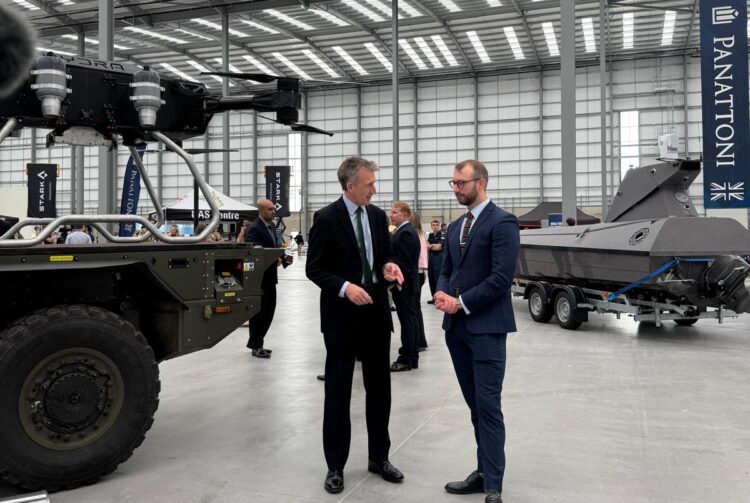
That reality helps explain the significance of last month’s opening of the Ministry of Defence’s new Uncrewed Systems Centre (USC) in Swindon.
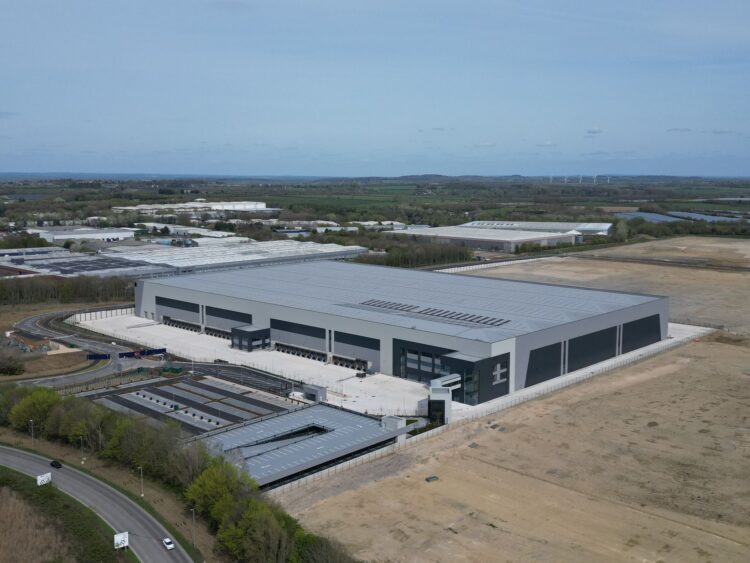
Crucially for Swindon, the Defence Investment Plan specifically identifies the town’s new Uncrewed Systems Centre as part of that investment. The facility will support the testing and development of the next generation of military drone technology and forms part of a new national Uncrewed Systems Taskforce working alongside industry.
Swindon MP Will Stone believes Britain must fundamentally change the speed at which it develops military technology.
“The opening of the USC marks a massive step forward in the UK’s defence capacity,” he said.
“Warfare is currently evolving at such a rapid pace it is hard to keep up. We are seeing iterations of products change weekly.”
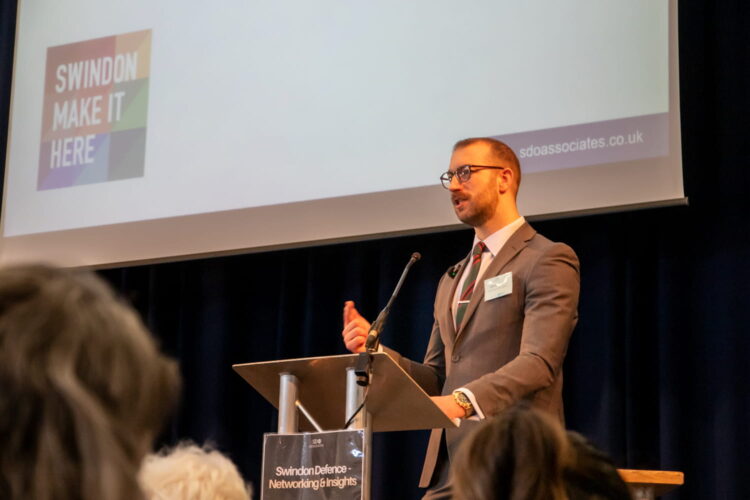
Stone said Britain needed to develop, test and refine new technologies at a much faster pace if soldiers were to receive the best equipment for future conflicts.
“Currently we do not have the resources for the war of tomorrow. If we want to prevent future acts of aggression we need to have a strategic deterrent.
“I believe this deterrent will be born out of the Uncrewed Systems Centre.”
The announcement follows weeks of political wrangling over the Defence Investment Plan, which ultimately committed an additional £15 billion to defence over four years. Within that, more than £5 billion has been allocated to drones and autonomous systems, which the Government describes as the largest investment of its kind in the history of the UK Armed Forces.
The programme will expand uncrewed technology across the Royal Navy, British Army and Royal Air Force, although reports suggest around £4 billion had already been earmarked under last year’s Strategic Defence Review, meaning roughly £1 billion represents new investment.
James East, UK General Manager and Global Vice President at Auterion, whose software powered the first drone flight at the new centre.
“The opening of the Uncrewed Systems Centre is a necessary and positive step, although it’s not enough on its own,” he said.
“Ukraine has shown the UK and its allies that unmanned systems are now central to how nations defend themselves, and governments have to be ready to adapt at the speed of software development.”
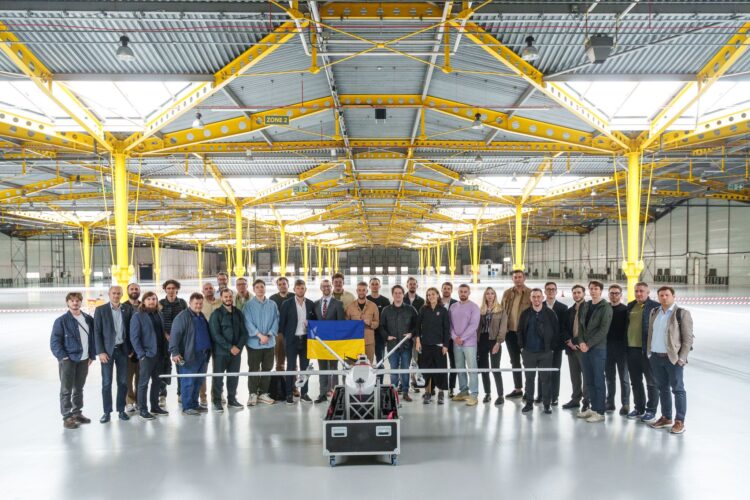
Swindon’s role extends beyond Britain’s own military. Companies involved in the town’s growing uncrewed systems sector are already supporting Ukraine through initiatives such as Taskforce Kindred, with firms including Stark and Tekever producing drones for use on the battlefield. The technology being developed and tested in Swindon is therefore helping both Britain’s future armed forces and Ukraine’s current defence effort.
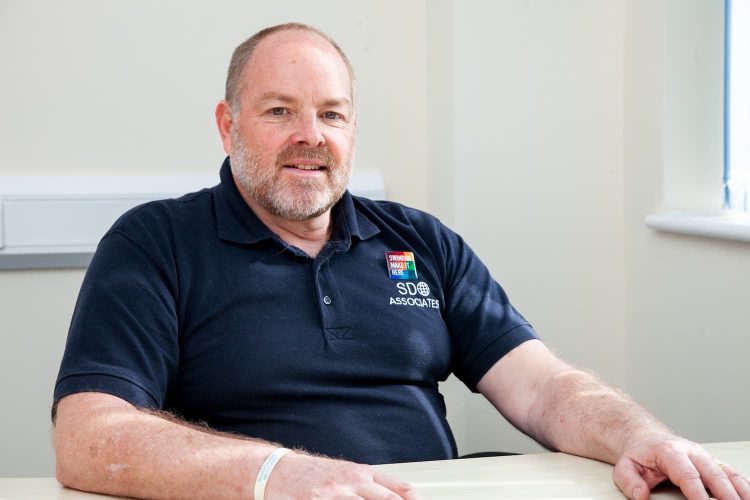
Stuart Olden, of SDO Associates, believes the new centre represents a significant milestone for the UK’s wider drone industry.
“The opening of the UK MoD’s Uncrewed Systems Centre in Swindon is a significant milestone, providing much-needed infrastructure for the development, testing and validation of uncrewed systems,” he said.
Olden said the project demonstrated what could be achieved through collaboration between industry, government, academia and defence partners, helping establish a national network to support future defence and security needs.
Business leaders also see the project as a major economic opportunity.
Matt Griffith, Director of Policy at Business West, said the centre further strengthened Swindon’s position as one of Britain’s emerging defence technology hubs.
“The new Defence Uncrewed System Centre firmly cements Swindon’s position as a hub for defence manufacturing and innovation,” he said.
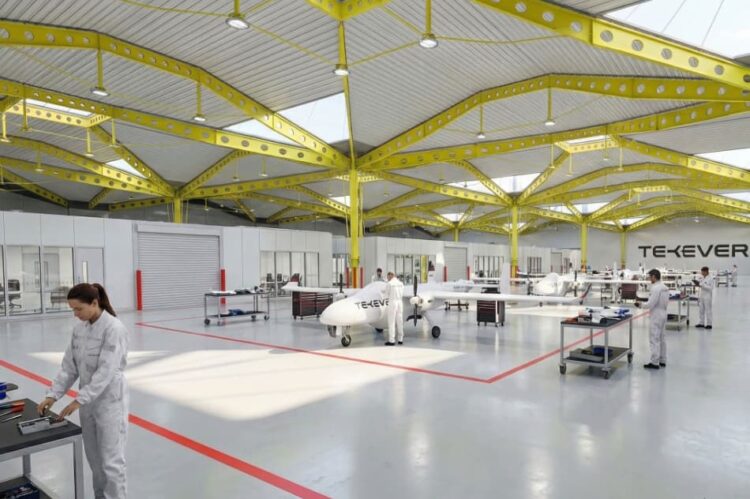
Councillor Gary Sumner, Leader of Swindon Borough Council, said: “Swindon has a proud manufacturing heritage and this project marks the next chapter in our town’s history of industrial innovation, supporting the UK’s wider security.
“The Council worked closely with the MoD and our partners throughout this process, playing a vital role in initially identifying the Panattoni Park site and delivering invaluable planning support to make it happen.
“Developing the uncrewed and autonomous systems sector is a core priority that aligns seamlessly with our Economic Growth Plan. We are entirely supportive of this facility, as it cements Swindon’s position as a forward-looking defence technology hub and acts as a powerful magnet for further inward investment.”
For decades, Swindon has reinvented itself, from the railway works to automotive manufacturing and advanced engineering. Now it is positioning itself at the forefront of one of the fastest-growing sectors in global defence. While questions remain over future defence spending and how much of the drone funding is genuinely new, one thing is already clear: as Britain reshapes its armed forces for a new era of warfare, Swindon has secured a place at the heart of that transformation.