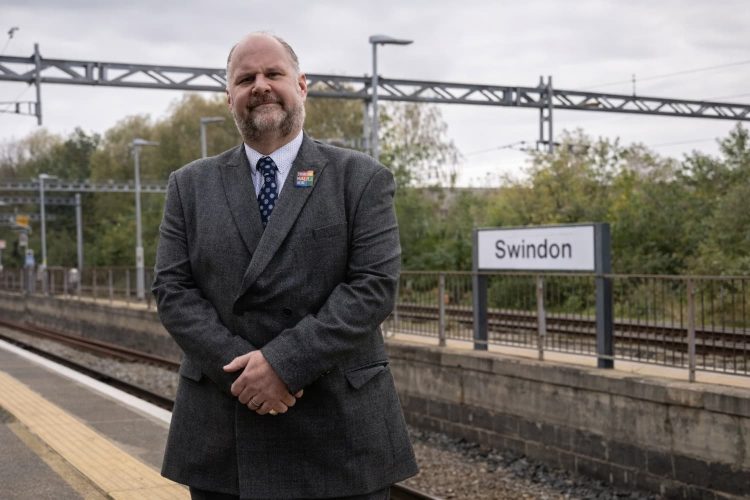

Rail Minister Lord Peter Hendy has written to Swindon Borough Council Leader Councillor Jim Robbins to confirm ministerial backing to progress the proposal.
While no launch date has been set, and final approval has not yet been granted, council leaders say the letter marks the strongest indication so far that the route could return as a regular daily service.
The proposal follows a successful Saturday trial operated by Great Western Railway between Bristol Temple Meads and Oxford, calling at Swindon.
Councils say the trial demonstrated strong passenger demand and confirmed there is enough track capacity between Swindon and Oxford without requiring new infrastructure.
If introduced permanently, the service would run every two hours and cut journey times to around 30 minutes.
Supporters argue this would provide a realistic alternative to driving along the A420, which is often criticised for congestion and limited overtaking opportunities.
Last month, Swindon councillors formally backed a motion led by Councillor Kevin Small calling for a direct daily service to help drive economic growth.
Councillor Jim Robbins, Leader of Swindon Borough Council, said the Minister’s response was a significant milestone in a long-running campaign to restore the link.
He added that improved rail connectivity is central to delivering more sustainable growth.
In Oxfordshire, council leaders have also welcomed the update.
Councillor Liz Leffman, Leader of Oxfordshire County Council, said:
“Direct and regular trains between Swindon and Oxford is something that many people across both areas have long campaigned for. This new update is therefore good news and we look forward to seeing the issue progressed further in the coming weeks and months.”
Councillor Susan Brown, Leader of Oxford City Council, said:
“A direct Oxford to Swindon rail service is very welcome news for Oxford. It would connect Oxford to the West and Bristol with a direct, reliable and sustainable public transport option, essential for supporting businesses, attracting investment and giving people better choices for commuting and leisure.”
The corridor has previously been identified in connectivity studies by England’s Economic Heartland as an area where improved rail services could reduce car dependency and strengthen east to west links.
The proposal also sits alongside wider ambitions to create a Thames Valley Mayoral Strategic Authority, with councils arguing that devolved transport and planning powers could unlock long-term economic growth.
Councils have referenced modelling linked to that broader devolution proposal which suggests an additional £18.7bn in economic output, although this figure is not specific to the rail service itself.
At this stage, the Government has expressed support for progressing the service.
Further work will now take place between Swindon and Oxfordshire councils, Great Western Railway, Network Rail and the Department for Transport before any formal introduction.
If delivered, the route would provide a direct connection between two key economic centres and re-establish a link many residents have argued should never have been lost.