
The locally owned stores say patients in Wiltshire face a postcode lottery when it comes to vital eye health services.
The call comes during World Glaucoma Week, which runs from 8 March to 14 March, and aims to raise awareness of the condition.
The proposed legislation is being championed by Shockat Adam, an optometrist-turned-MP, who says a nationally commissioned community glaucoma service would improve access to care and help prevent avoidable sight loss.
Glaucoma is one of the leading causes of preventable vision loss in the UK. Often described as the silent thief of sight, it can develop without noticeable symptoms, meaning permanent damage may occur before patients are aware.
Dr Paul Ewah, ophthalmic director at the three Specsavers stores in Swindon town centre, Stratton Sainsbury’s and Royal Wootton Bassett, said:
“Glaucoma is a leading cause of preventable sight loss in the UK, but is known as the ‘silent thief of sight’ because patients may not detect symptoms despite the disease progressing.
“Regular eye tests are vital, as the condition can be picked up by expert opticians. For those who have the condition, regular monitoring can help avoid preventable sight loss.”
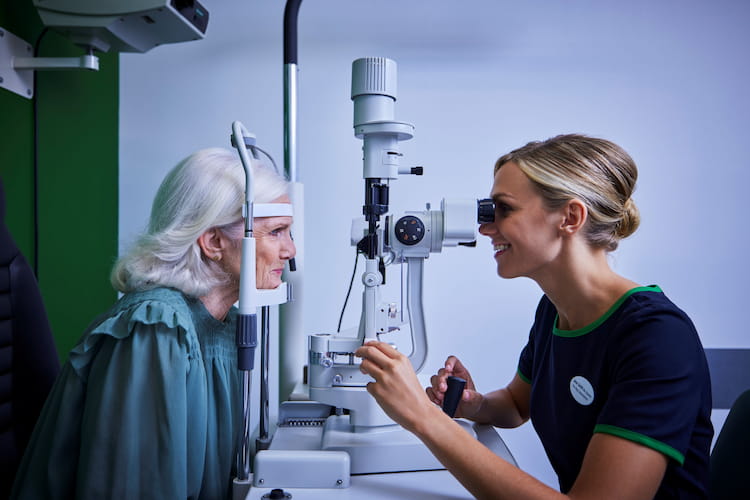
He said a nationally commissioned NHS community glaucoma service would allow qualified optometrists to manage stable glaucoma patients closer to home while working alongside hospital specialists.
“As a store director of three local Specsavers stores, I would support a nationally commissioned community NHS glaucoma service in England to improve access to care,” he said.
“Specsavers is proud to be eye health experts able to monitor and manage stable glaucoma patients safely in the community, working alongside ophthalmology colleagues.”
At present, access to community glaucoma monitoring varies across the country. Some areas offer services in the community, while others rely solely on hospital eye departments.
“At present, there is no NHS community glaucoma service in this area,” Paul added.
“This inconsistency means some people receive timely support in other areas, while others are left waiting, risking avoidable sight loss.”
Supporters say expanding community-based care could reduce pressure on hospital ophthalmology departments, which are facing rising demand.
“This would also help ease the pressure on local NHS hospitals and help address patient need with glaucoma cases forecast to rise in the coming years,” he said.
“We can improve access to glaucoma care and ensure no one is left behind because of where they live.”